

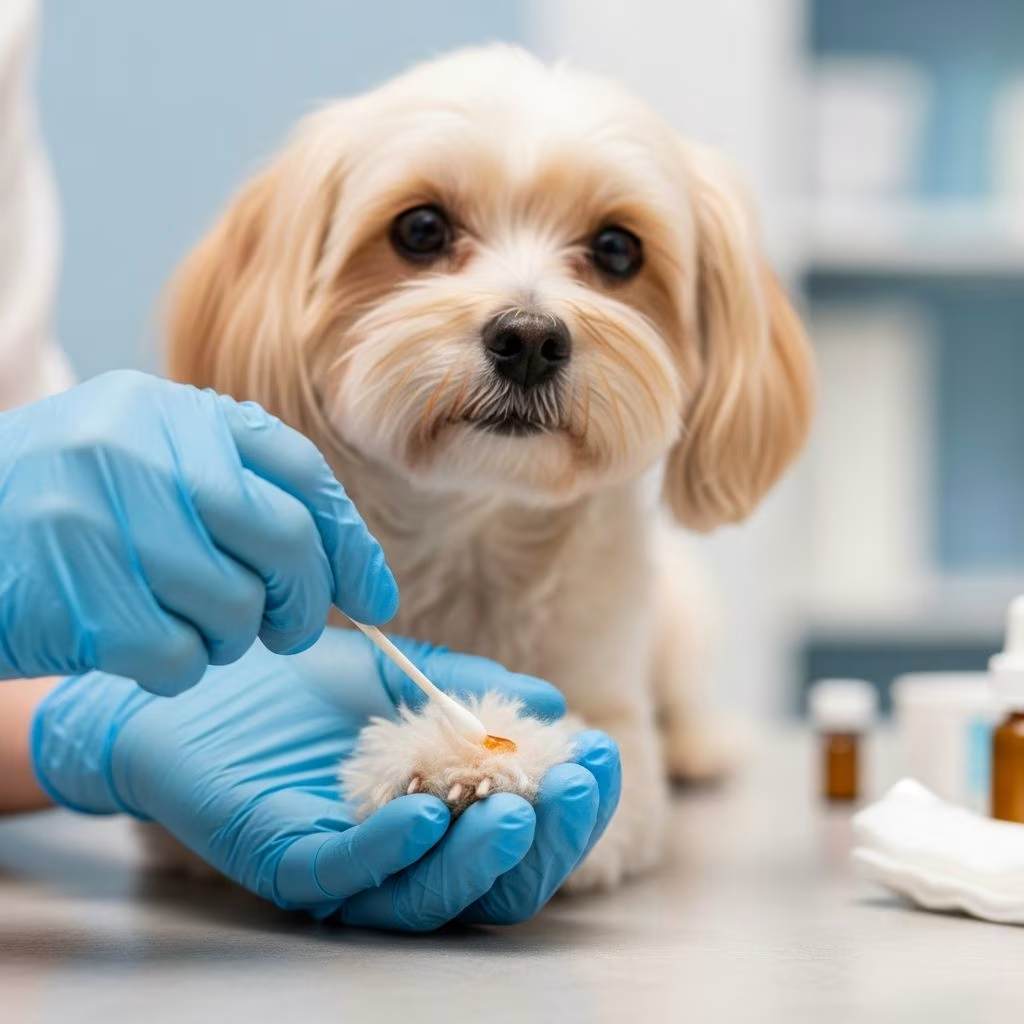
Povidone-Iodine Topical: A Veterinary Antiseptic Guide for Pet Owners
Povidone-iodine is one of the most widely recognized and trusted topical antiseptic solutions used in veterinary medicine today. Pet owners often encounter this treatment recommendation from their veterinarians for wound care, pre-surgical preparation, and infection prevention. Understanding what povidone-iodine is, how it works, and how to use it safely can help you provide effective care for your pet at home while supporting your veterinarian’s treatment plan.
What Is Povidone-Iodine?
Povidone-iodine (PVP-I) is a chemical complex consisting of iodine bound to povidone, a water-soluble polymer. This combination creates a stable, topical antiseptic solution that has been used in veterinary and human medicine for decades. The iodine component is what provides the antimicrobial action, while the povidone acts as a carrier that helps stabilize and distribute the iodine effectively across the skin surface.
Commercially available povidone-iodine solutions typically come in concentrations of 10%, which contains approximately 1% titratable (available) iodine. This formulation is considered potent enough to eliminate pathogens while remaining gentle enough for safe use on animal skin and mucous membranes. The solution is water-based, making it easy to apply and rinse, and it is designed to form a protective film on the skin that provides sustained antimicrobial action.
How Does Povidone-Iodine Work?
The antimicrobial action of povidone-iodine depends on the release of free iodine, which penetrates microbial cell walls and inactivates proteins and disrupts metabolic processes. This broad-spectrum approach makes it effective against multiple types of pathogens simultaneously. When applied to a wound or skin surface, the iodine in povidone-iodine works by:
- Disrupting bacterial cell wall integrity
- Inactivating essential enzymes and proteins in microorganisms
- Interfering with metabolic processes necessary for microbial survival
- Preventing the replication and spread of pathogens
This mechanism of action means that povidone-iodine is effective against bacteria, viruses, fungi, protozoa, and yeasts. Unlike antibiotics that target specific pathways, iodine’s non-specific mode of action makes it less likely for organisms to develop resistance, which is an important consideration in modern veterinary medicine where antimicrobial resistance is an increasing concern.
Primary Uses of Povidone-Iodine in Veterinary Medicine
Wound Cleaning and Management
One of the most common applications of povidone-iodine in veterinary practice is for wound cleaning and management. Whether your pet has a minor cut, abrasion, or more significant laceration, povidone-iodine can be used to cleanse the wound and reduce the risk of infection. The solution effectively removes debris, dead tissue, and contaminating microorganisms from the wound site, creating a clean environment for healing.
For open wounds, povidone-iodine forms a protective film that helps prevent bacterial, fungal, and viral contamination while allowing the natural healing process to proceed. This film-forming property means that the wound remains protected even after the initial application dries, providing extended antimicrobial coverage.
Pre-Surgical Skin Preparation
Veterinarians commonly use povidone-iodine for pre-surgical skin preparation to reduce the bacterial load on the surgical site. Before any surgical procedure, the skin must be thoroughly disinfected to minimize the risk of surgical site infections. Povidone-iodine’s broad-spectrum antimicrobial activity makes it ideal for this purpose, as it eliminates a wide range of potential pathogens that could otherwise contaminate the surgical field.
Post-Surgical Site Maintenance
After surgical procedures, povidone-iodine continues to play an important role in maintaining a clean, infection-free surgical site during the healing process. Regular application as directed by your veterinarian helps prevent post-operative complications and promotes faster, healthier wound healing.
Treatment of Fungal and Mycotic Infections
Povidone-iodine is also effective against fungal infections, including mycotic rhinitis and other fungal dermatological conditions in pets. Case reports in veterinary literature document successful treatment of fungal infections in dogs using povidone-iodine dressings, including cases that were refractory to other treatments. This antifungal property makes povidone-iodine a valuable option when fungal infections are diagnosed or suspected.
Benefits of Povidone-Iodine for Pet Care
Broad-Spectrum Antimicrobial Activity
The primary benefit of povidone-iodine is its broad-spectrum effectiveness against multiple types of microorganisms without promoting resistance. This means a single solution can address bacterial, viral, fungal, and parasitic contamination simultaneously, making it a versatile tool in pet wound care.
Gentle and Non-Irritating Formula
Despite its powerful antimicrobial action, povidone-iodine is designed to be virtually non-irritating to skin and mucous membranes. This gentle nature makes it suitable for use on sensitive areas and for vulnerable animals, including very young or elderly pets. The formulation is also non-staining to skin, hair, and natural fabrics, making it convenient for pet owners to use without worrying about permanent discoloration.
Cost-Effectiveness
Compared to other antimicrobial agents and specialized wound treatments, povidone-iodine offers excellent value for money. Its affordability, combined with its effectiveness across multiple animal species and various applications, makes it a practical choice for both pet owners and veterinary facilities.
Long-Lasting Protection
The film-forming property of povidone-iodine provides extended antimicrobial coverage after application. This means the protective benefits persist even after the initial application dries, reducing the frequency of reapplication needed in many cases.
How to Use Povidone-Iodine Safely
Application Instructions
When applying povidone-iodine to your pet’s wound or skin condition, follow these guidelines for safe and effective use:
- Thoroughly wet the affected area with the povidone-iodine solution to ensure complete coverage and penetration
- Avoid allowing the solution to pool excessively on the skin
- The area may be covered with a clean bandage after application if recommended by your veterinarian
- Reapply as often as needed, or as directed by your veterinarian
- Wash your hands after application to avoid transferring the solution to other areas
Dosage and Concentration
Povidone-iodine solutions for veterinary use typically contain 10% iodine complex, equivalent to 1.0% titratable iodine. This concentration has been established as safe and effective for topical use on animals. Your veterinarian may recommend using the solution full-strength or diluting it depending on the specific condition being treated and your pet’s individual needs.
Frequency of Application
The frequency of povidone-iodine application depends on the nature and severity of the wound or infection, as well as your veterinarian’s specific recommendations. Some wounds may require daily application, while others may need less frequent treatment. Always follow your veterinarian’s instructions regarding how often to apply the solution.
Safety Considerations and Precautions
When to Avoid Povidone-Iodine
While povidone-iodine is generally safe for most pets, certain precautions should be observed. Avoid contact with your pet’s eyes, as the solution can cause irritation. Additionally, ensure that povidone-iodine is not ingested, as harmful effects can occur if swallowed. Keep the solution out of reach of children and other animals.
Monitoring for Side Effects
Although povidone-iodine is non-irritating for most pets, some animals may experience sensitivity or irritation at the application site. Signs to watch for include increased redness, swelling, excessive scratching, or signs of allergic reaction. If your pet shows any of these signs, discontinue use and contact your veterinarian immediately.
Iodine Toxicity Concerns
In rare cases, particularly with prolonged or excessive use, iodine toxicity or thyroid dysfunction can occur. This is more likely if the solution is ingested rather than applied topically. Proper dosage control and preventing your pet from licking the treated area helps minimize this risk. If your pet is prone to licking wounds, consider using a protective bandage or collar as recommended by your veterinarian.
Special Populations
Povidone-iodine is safe for use across a wide range of animals, from household pets like dogs and cats to large animals like horses and cattle. However, if your pet has known iodine sensitivity or thyroid conditions, discuss with your veterinarian before using povidone-iodine, as alternative treatments may be more appropriate.
Complementary Treatments
Povidone-iodine can often be used effectively as part of a comprehensive treatment approach. Veterinarians sometimes combine iodine-based therapy with other antibiotics or treatments to enhance recovery and manage inflammation more effectively. Your veterinarian will determine whether povidone-iodine alone is sufficient or whether additional treatments are needed for your pet’s specific condition.
Frequently Asked Questions
Q: Can I use povidone-iodine on my dog’s open wound?
A: Yes, povidone-iodine is suitable for open wounds as it effectively eliminates bacteria, fungi, and viruses while forming a protective barrier that supports healing. However, for severe or deep wounds, consult your veterinarian for professional evaluation and guidance.
Q: Is povidone-iodine safe for cats?
A: Povidone-iodine is generally safe for cats when applied topically as directed. However, prevent your cat from licking the treated area, as ingestion should be avoided. Discuss with your veterinarian if your cat has any special health concerns.
Q: How long does the protective film from povidone-iodine last?
A: The protective film provides lasting protection, but its longevity depends on external factors such as licking, washing, moisture, and environmental exposure. Reapply as needed or as directed by your veterinarian.
Q: Can povidone-iodine be used on farm animals?
A: Yes, povidone-iodine is safe and effective for use on farm animals including horses, cattle, and sheep. Its broad-spectrum action makes it ideal for diverse veterinary applications across different animal species.
Q: What should I do if my pet ingests povidone-iodine?
A: If your pet ingests povidone-iodine, contact your veterinarian or animal poison control immediately. While topical use is safe, ingestion should be avoided, and professional guidance is important if accidental ingestion occurs.
Q: Can I use povidone-iodine on fungal infections?
A: Yes, povidone-iodine is effective against fungi and is a suitable choice for addressing fungal infections on your pet’s skin. However, your veterinarian should diagnose the fungal infection and confirm that povidone-iodine is the appropriate treatment.
Q: How often should I apply povidone-iodine to a wound?
A: The frequency of application depends on the wound’s nature and severity. Follow your veterinarian’s specific recommendations, which may range from daily application to less frequent treatment based on your pet’s individual needs.
Q: Is povidone-iodine staining?
A: No, povidone-iodine is designed to be non-staining to skin, hair, and natural fabrics, making it convenient for pet owners to use without worrying about permanent discoloration.
When to Contact Your Veterinarian
While povidone-iodine is an effective at-home treatment, certain situations warrant immediate veterinary attention. Contact your veterinarian if:
- The wound is deep, severely bleeding, or shows signs of serious infection
- Your pet shows signs of allergic reaction or unusual sensitivity to the solution
- The wound worsens or does not improve after several days of treatment
- Your pet develops signs of infection such as increased swelling, discharge, or fever
- Your pet ingests the povidone-iodine solution
- You are uncertain about the appropriate use or dosage for your pet’s specific condition
Conclusion
Povidone-iodine topical solution remains a cornerstone of veterinary antiseptic care, valued for its broad-spectrum antimicrobial activity, gentle formulation, and cost-effectiveness. Whether your pet requires wound care, pre-surgical preparation, or treatment of fungal infections, povidone-iodine offers a reliable, safe option when used as directed by your veterinarian. By understanding how to use this treatment properly and recognizing when professional veterinary care is needed, you can play an active role in maintaining your pet’s health and supporting the healing process. Always consult with your veterinarian for guidance on the appropriate use of povidone-iodine for your pet’s specific condition.
References
- How Iodine Derivatives Support Safe and Effective Veterinary Care — Calibre Chem. 2024. https://calibrechem.com/blog/how-iodine-derivatives-support-safe-and-effective-veterinary-care/
- Use of Topical Povidone-Iodine Dressings in the Management of Mycotic Rhinitis in Three Dogs — Journal of Small Animal Practice, PubMed. 2003-07. https://pubmed.ncbi.nlm.nih.gov/12866932/
- Aspen Povidone Iodine Solution 10% for Wounds – Topical Antiseptic — Hardy Paw. 2024. https://hardypaw.com/products/aspen-povidone-iodine-solution-10-gallon
- Povidone 10% Topical for Livestock — PBS Animal Health. 2024. https://www.pbsanimalhealth.com/povidone-10-topical-for-livestock/p/14417/
- Povidone-iodine in Dogs (Canis) — Vetlexicon. 2024. https://www.vetlexicon.com/canis/dermatology/articles/povidone-iodine/



