

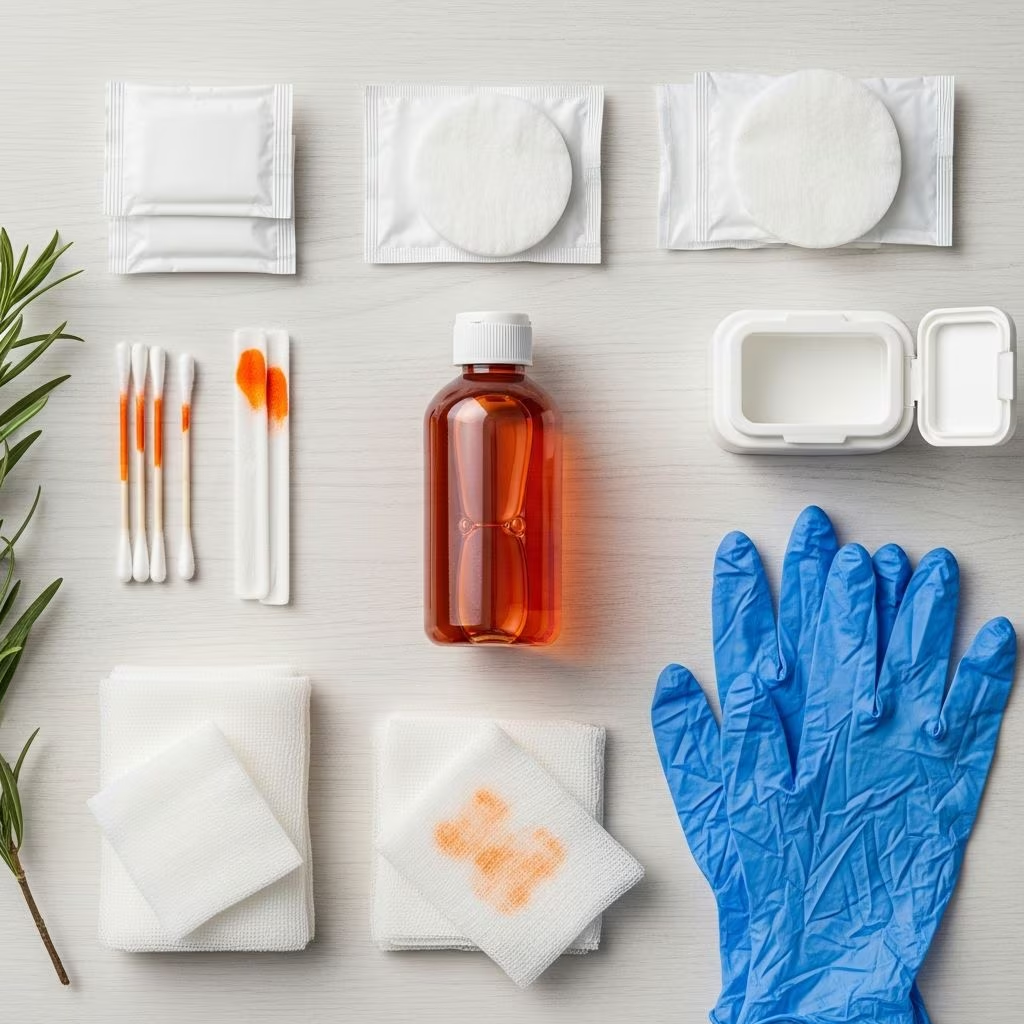
Understanding Povidone-Iodine Topical for Pets
Povidone-iodine is one of the most widely used topical antiseptic agents in veterinary medicine, trusted by veterinarians and pet owners for decades. This versatile disinfectant solution has become a staple in animal healthcare facilities, from small animal clinics to large agricultural operations. Povidone-iodine, often abbreviated as PVP-I, is a chemical compound that combines iodine with polyvinylpyrrolidone, creating a stable, effective antimicrobial solution suitable for treating various skin conditions and wounds in animals.
What Is Povidone-Iodine?
Povidone-iodine is a topical antiseptic and germicide that belongs to the class of iodine-based disinfectants. The compound consists of iodine complexed with polyvinylpyrrolidone, a water-soluble polymer that helps stabilize the iodine and control its release. This formulation creates a solution that is both effective and gentle enough for regular use on animal skin and mucous membranes.
The 10% povidone-iodine solution commonly used in veterinary practice contains approximately 1% titratable iodine—the active antimicrobial component. This balanced concentration ensures efficacy against a broad spectrum of pathogens while minimizing potential irritation to sensitive tissues.
How Povidone-Iodine Works
Povidone-iodine exerts its antimicrobial action through the release of free iodine, which penetrates microbial cell walls and disrupts essential metabolic processes. When applied to skin or wounds, the solution gradually releases iodine, which inactivates proteins and interferes with the DNA and RNA of microorganisms, effectively killing them.
This mechanism of action makes povidone-iodine effective against a remarkably diverse range of pathogens without promoting antimicrobial resistance—a critical advantage in an era of growing concern about resistant bacterial strains.
Broad-Spectrum Antimicrobial Activity
One of the primary reasons veterinarians favor povidone-iodine is its exceptional broad-spectrum antimicrobial properties. This topical agent is effective against:
- Gram-positive bacteria (such as Staphylococcus and Streptococcus)
- Gram-negative bacteria (such as E. coli and Pseudomonas)
- Fungi and yeasts
- Viruses
- Protozoa
This comprehensive antimicrobial spectrum means that a single product can address multiple types of infections, making it an economical and practical choice for veterinary practice.
Primary Uses in Veterinary Medicine
Wound Cleaning and Management
Povidone-iodine is extensively used for cleaning and treating various types of wounds in pets and livestock. Whether dealing with minor cuts and abrasions or more significant lacerations, this antiseptic solution helps prevent infection and promotes healing. The solution can be applied directly to open wounds to eliminate bacteria and other harmful microorganisms before bandaging or further treatment.
Pre-Surgical Skin Preparation
Veterinarians routinely use povidone-iodine to prepare surgical sites on animals before procedures. Thorough application to the surgical area significantly reduces the risk of surgical site infections, a critical consideration in ensuring successful surgical outcomes and faster recovery times.
Post-Surgical Site Maintenance
After surgical procedures, povidone-iodine continues to play an important role in preventing complications. Regular application to healing surgical sites helps maintain a clean, infection-free environment and supports the body’s natural healing processes.
Treatment of Specific Infections
Povidone-iodine has demonstrated effectiveness in treating specific conditions such as mycotic rhinitis in dogs, where sustained-release formulations have successfully resolved infections that proved resistant to other treatments. Its effectiveness against fungal infections makes it particularly valuable for dermatological conditions.
Teat Dips for Dairy Animals
In agricultural settings, povidone-iodine is commonly used as a teat dip for dairy cattle to prevent mastitis and other mammary gland infections, protecting both animal health and milk safety.
Safety Profile and Tolerability
Gentle on Animal Skin
Despite its powerful antimicrobial action, povidone-iodine is remarkably gentle and well-tolerated by most animals. The formulation is virtually non-irritating, making it suitable for use on sensitive skin and even on newborn or vulnerable animals. The solution does not cause staining of skin, hair, or natural fabrics, which enhances its practicality for pet owners.
Low Toxicity Profile
Povidone-iodine demonstrates low systemic toxicity, particularly when used topically as directed. The polymer carrier helps control iodine release, preventing excessive absorption and minimizing the risk of adverse effects. This safety profile has made it a trusted choice for treating animals of various species and ages.
Suitable for Multiple Species
The safety and effectiveness of povidone-iodine extend across numerous animal species. Whether treating household pets like dogs and cats or larger animals such as horses, cattle, and sheep, this topical agent provides reliable antimicrobial protection. Farm animals and exotic pets can also safely receive povidone-iodine treatment when properly applied.
Application Guidelines and Best Practices
Proper Application Technique
For optimal results, the affected area should be thoroughly wetted with povidone-iodine solution to ensure complete coverage and penetration. Caregivers should avoid excessive pooling of the solution, which may lead to unnecessary waste or prolonged contact beyond what is needed. The solution can be applied directly to wounds, pre-surgical sites, or infected areas as recommended by a veterinarian.
Application Frequency
Povidone-iodine can typically be applied as often as needed based on the specific condition being treated and veterinary recommendations. The frequency may vary depending on wound severity, the type of infection, and the individual animal’s response to treatment.
Bandaging Considerations
After applying povidone-iodine, the treated area may be covered with an appropriate bandage if necessary. The protective film formed by the solution provides lasting protection, though the duration depends on external factors such as washing, licking, or environmental exposure. Reapplication may be needed if the animal disturbs the treated area or if the protective film is compromised.
Dosage Control
Proper dosage control is essential when using any iodine-based product. Excessive iodine intake can potentially lead to iodine toxicity or thyroid dysfunction in animals, making it important to follow veterinary guidance regarding application frequency and quantity.
Important Precautions and Contraindications
Avoiding Contact with Sensitive Areas
Povidone-iodine should never contact the eyes, as this can cause irritation or damage to ocular tissues. Pet owners should exercise care during application to prevent the solution from reaching the eyes, and should rinse thoroughly with water if accidental contact occurs.
Ingestion Risks
While povidone-iodine is safe for topical use, it is harmful if ingested. Pet owners must keep the solution out of reach of children and should monitor their pets to prevent them from licking treated areas. If ingestion occurs, immediate veterinary attention should be sought.
Signs of Adverse Reactions
Although adverse reactions are uncommon, pet owners should monitor treated areas for signs of excessive irritation, allergic reactions, or other unexpected responses. If irritation or infection persists after treatment, or if an animal shows signs of allergic reaction, the product should be discontinued and veterinary consultation sought immediately.
Iodine Sensitivity Considerations
Some animals may have sensitivities to iodine or its derivatives. Veterinarians should be informed of any known iodine sensitivities before treatment begins, as alternative antimicrobial agents may be more appropriate in such cases.
Advantages in Veterinary Practice
Cost-Effectiveness
Compared to many other antimicrobial agents and wound care products, povidone-iodine offers excellent value for money. Its wide application range and effectiveness across multiple animal species makes it an economical choice for both individual pet owners and large-scale veterinary operations.
No Resistance Development
Unlike certain antibiotics, povidone-iodine does not promote the development of resistant microorganisms, making it a valuable tool in antimicrobial stewardship and supporting long-term efficacy.
Versatile Formulations
Povidone-iodine is available in various formulations, including solutions, dressings, and sustained-release preparations. This versatility allows veterinarians to select the most appropriate form for specific clinical situations.
Long-Lasting Protection
The film-forming nature of povidone-iodine creates a protective barrier that provides lasting antimicrobial action, reducing the need for frequent reapplication in many cases.
Product Selection and Storage
When choosing a povidone-iodine product for veterinary use, selecting the appropriate formulation for the specific intended purpose—whether antisepsis, wound treatment, or specialized applications—is crucial. Products should be stored according to manufacturer instructions, typically in cool, dark conditions to maintain stability and efficacy.
Environmental Considerations
When using povidone-iodine in agricultural or aquaculture settings, iodine runoff must be managed appropriately to minimize environmental impact. Responsible use practices help ensure that this valuable therapeutic agent remains sustainable for future use.
Frequently Asked Questions About Povidone-Iodine Topical
Q: Is povidone-iodine safe for all types of pets?
A: Povidone-iodine is safe for most pets, including dogs, cats, horses, cattle, and other animals, when used as directed. However, animals with known iodine sensitivities should not receive this treatment. Always consult with a veterinarian before treating your pet.
Q: Can povidone-iodine be used on open wounds?
A: Yes, povidone-iodine is specifically formulated for use on open wounds. It effectively eliminates bacteria, fungi, and viruses while forming a protective barrier that supports healing. For severe wounds, consult a veterinarian for proper wound management.
Q: How often should povidone-iodine be applied?
A: Application frequency depends on the specific condition and veterinary recommendations. It can typically be applied as often as needed, but your veterinarian will provide specific guidance based on your animal’s condition.
Q: What should I do if my pet licks the treated area?
A: Prevent your pet from licking treated areas by covering the wound with a bandage if possible or by using an Elizabethan collar. If your pet ingests povidone-iodine, contact your veterinarian immediately.
Q: Can povidone-iodine be used for fungal infections?
A: Yes, povidone-iodine’s broad-spectrum antifungal activity makes it effective for treating various fungal infections on pets’ skin. It has been successfully used for conditions like mycotic rhinitis in dogs.
Q: Does povidone-iodine stain skin or fur?
A: No, povidone-iodine is non-staining to skin, hair, and natural fabrics, making it practical for treating pets without concern about permanent discoloration.
Q: What is the difference between various concentrations of povidone-iodine?
A: The most common veterinary formulation is 10% povidone-iodine, containing approximately 1% titratable iodine. Different concentrations may be used for specific applications, so follow product instructions and veterinary guidance.
Conclusion
Povidone-iodine topical antiseptic remains one of the most valuable and reliable tools in veterinary medicine for managing wounds, preventing infections, and treating various dermatological conditions. Its combination of broad-spectrum antimicrobial activity, gentle tolerability, cost-effectiveness, and proven safety record makes it an essential component of comprehensive veterinary care. Whether used for pre-surgical preparation, wound management, or treatment of specific infections, povidone-iodine continues to serve pets and livestock effectively while supporting veterinarians in delivering quality care. When used according to veterinary guidance and with appropriate precautions, this topical agent provides dependable antimicrobial protection for animals of all species and ages.
References
- How Iodine Derivatives Support Safe and Effective Veterinary Care — Calibre Chem. 2025. https://calibrechem.com/blog/how-iodine-derivatives-support-safe-and-effective-veterinary-care/
- Use of topical povidone-iodine dressings in the management of mycotic rhinitis in three dogs — Journal of Small Animal Practice. 2003-07. https://pubmed.ncbi.nlm.nih.gov/12866932/
- Aspen Povidone Iodine Solution 10%: A Comprehensive Antiseptic Solution for Veterinary Use — Hardy Paw. 2025. https://hardypaw.com/products/aspen-povidone-iodine-solution-10-gallon
- Povidone-iodine in Dogs (Canis) — Vetlexicon. 2025. https://www.vetlexicon.com/canis/dermatology/articles/povidone-iodine/
- Povidone 10% Topical for Livestock — PBS Animal Health. 2025. https://www.pbsanimalhealth.com/povidone-10-topical-for-livestock/p/14417/
- Povidone Iodine: Disinfectant and Antiseptic for Animals — Santa Cruz Animal Health. 2025. https://www.scahealth.com/p/povidone-iodine



