
Poultry Vaccination Strategies: Practical Guide For Farmers
Essential guide to designing effective vaccination plans for broilers, layers, turkeys, and ducks to safeguard flocks and boost productivity.
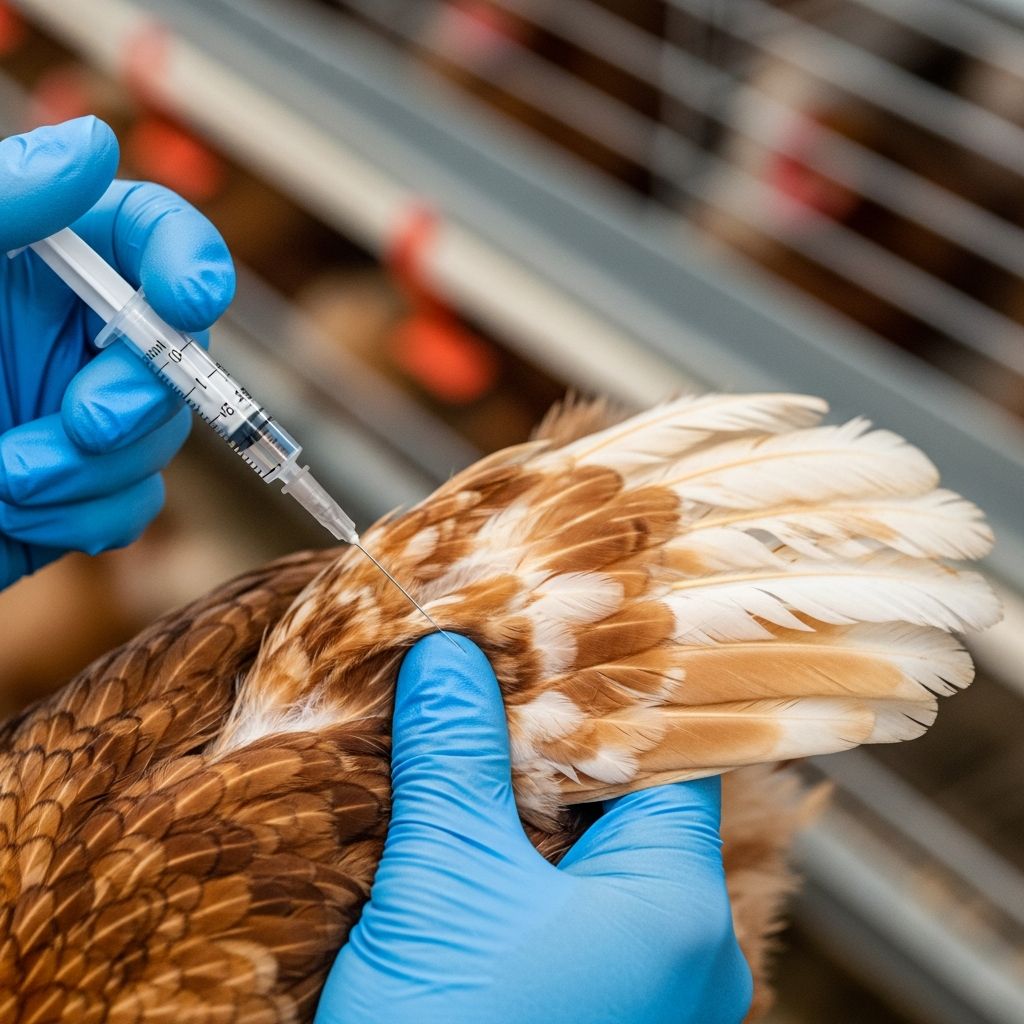
Effective vaccination is a cornerstone of modern poultry management, enabling producers to protect flocks from devastating viral, bacterial, and parasitic diseases. By strategically timing and administering vaccines, farmers can minimize losses, enhance growth rates, and maintain high egg production levels. This article delves into tailored programs for different poultry categories, administration techniques, and management considerations to achieve optimal immunity.
Why Vaccinate Poultry Flocks?
Poultry face constant threats from pathogens transmitted via air, water, feed, or direct contact. Young birds, with underdeveloped immune systems, depend on maternal antibodies initially, but these wane quickly, necessitating proactive vaccination. Vaccines train the immune response to recognize and neutralize specific invaders, reducing mortality and morbidity.
Key benefits include preventing outbreaks of highly contagious diseases like Newcastle disease or infectious bursal disease, which can wipe out entire flocks. In production settings, vaccination supports consistent weight gain in meat birds and sustained lay rates in egg producers, directly impacting profitability.
Core Principles of Vaccine Selection and Timing
Vaccine choice hinges on local disease prevalence, flock type, and production goals. Live vaccines, containing weakened pathogens, induce rapid, strong immunity but require healthy birds to avoid reversion. Inactivated vaccines offer longer-lasting protection via injection but may need boosters.
- Match to lifecycle: Short-lived broilers need condensed schedules; long-term layers require multiple boosters.
- Consider maternal immunity: Time doses when antibodies decline, typically 7-14 days post-hatch.
- Monitor field risks: Adjust for regional challenges like avian influenza or coccidiosis.
Schedules must account for bird age, stress levels, and concurrent health status to maximize efficacy.
Vaccination Roadmap for Broiler Chickens
Broilers, raised for meat over 5-8 weeks, prioritize vaccines against fast-acting respiratory and immunosuppressive threats. Programs focus on hatchery delivery for early protection.
| Age | Disease Target | Administration Method | Vaccine Type |
|---|---|---|---|
| Day 1 | Marek’s Disease | Subcutaneous (hatchery) | Live herpesvirus |
| Days 5-7 | Newcastle Disease + Infectious Bronchitis | Drinking water or spray | Live mild strain |
| Days 10-14 | Infectious Bursal Disease (Gumboro) | Drinking water | Intermediate live |
| Weeks 3-4 | Tenosynovitis + Booster ND/IB | Subcutaneous or water | Live |
This streamlined approach ensures birds reach market weight without interruptions. In high-challenge areas, add hemorrhagic enteritis at 3 weeks via water.
Comprehensive Plans for Layer and Breeder Birds
Layers and breeders, productive for 72+ weeks, demand extended protection against egg-drop syndromes and chronic infections. Boosters align with pre-lay and peak production phases.
| Age | Disease Target | Administration Method | Vaccine Type |
|---|---|---|---|
| Day 1 | Marek’s Disease | Subcutaneous | Live |
| Weeks 2-3 | Infectious Bursal Disease | Drinking water | Live intermediate |
| Weeks 4-6 | Fowlpox + ND/IB Booster | Wing web + water/spray | Live |
| Weeks 10-12 | Infectious Coryza + Egg Drop Syndrome | Injection | Inactivated |
| Weeks 16-18 | ND/IB + Salmonella | Parenteral | Inactivated |
| Every 60-90 days | ND/IB Boosters | Water or aerosol | Live/inactivated |
For breeders, include fowl cholera at 14-18 weeks via wing web or injection to protect future generations.
Protecting Turkeys: Unique Considerations
Turkeys require attention to hemorrhagic enteritis and fowl cholera, with schedules extending to 12+ weeks. Aerosol and water methods suit group housing.
- Day 1: Marek’s (optional).
- Weeks 4-6: Hemorrhagic enteritis (drinking water).
- Weeks 6-12: Fowl cholera (subcutaneous or water), ND boosters (spray).
Adapt for local prevalence, as turkeys show varied susceptibility.
Duck Vaccination Essentials
Ducks face Riemerella anatipestifer, viral hepatitis, and enteritis. Breeders get bacterins at 3 and 10 weeks; ducklings focus on early live doses.
| Age (Breeders) | Disease Target | Method | Type |
|---|---|---|---|
| Day 1 | R. anatipestifer | Aerosol | Live |
| Weeks 1-2 | R. anatipestifer | Drinking water | Live |
| Week 3 | R. anatipestifer | Subcutaneous | Bacterin |
| Week 4 | Duck Viral Hepatitis + Enteritis | Subcutaneous | Live/killed |
Commercial ducklings mirror early stages, emphasizing rapid immunity buildup.
Administration Techniques for Maximum Efficacy
Proper delivery is critical. Hatchery in-ovo or subcutaneous injections provide uniform day-old protection without stress.
- Drinking water: Stabilize with milk or skim powder; ensure full consumption in 1-2 hours.
- Spray/aerosol: Use coarse droplets for respiratory uptake; calm birds first.
- Wing web/injection: Sterile technique prevents injury; monitor for reactions.
Avoid vaccinating sick or stressed flocks, as this compromises response.
Monitoring Vaccine Response and Biosecurity Integration
Post-vaccination, observe for uniform seroconversion via blood titers. Combine with clean housing, all-in-all-out systems, and vector control for holistic defense.
Challenges like variant strains may necessitate strain-specific updates. Consult veterinarians for customized plans reflecting local epidemiology.
Frequently Asked Questions (FAQs)
What is the most critical first vaccine for chicks?
Marek’s disease vaccine on day 1 via subcutaneous injection at the hatchery, protecting against paralysis and tumors.
Can vaccines be combined?
Yes, many ND/IB combos exist; follow manufacturer guidelines to avoid interference.
How often do layers need boosters?
Every 60-90 days for respiratory diseases, plus pre-lay inactivated doses.
Are in-ovo vaccines safe?
Highly effective for Marek’s and IBD, offering lifelong immunity without maternal antibody issues.
What if a bird misses a dose?
Administer catch-up promptly, but prioritize group uniformity to prevent breakdowns.
Advanced Strategies for High-Performance Flocks
Innovations like recombinant and immune-complex vaccines enhance mucosal immunity, ideal for hatchery use. Tailor programs using risk assessments: low-challenge areas may skip some boosters, while endemic zones demand full regimens.
Nutritional support—vitamins A, E, and selenium—amplifies responses. Record-keeping tracks efficacy, guiding adjustments.
References
- Vaccination Programs for Poultry — Merck Veterinary Manual. 2023. https://www.merckvetmanual.com/poultry/nutrition-and-management-poultry/vaccination-programs-for-poultry
- Broiler & Layer Poultry Vaccination Schedule & Guide — Bivatec Ltd. 2023. https://www.bivatec.com/blog/standard-vaccination-schedule-for-broilers-and-layers
- Vaccination in the Hatchery — The Poultry Site. 2022. https://www.thepoultrysite.com/articles/vaccination-in-the-hatchery
- Overview Poultry Vaccination — Vaksindo. 2023. https://vaksindo.co.id/news/overview-poultry-vaccination
- Vaccination – Poultry Hub Australia — Poultry Hub. 2023. https://www.poultryhub.org/all-about-poultry/health-management/vaccination
- Vaccination of Poultry — Wiley Online Library. 2020-10-26. https://onlinelibrary.wiley.com/doi/10.1002/9781119511816.ch30
Similar Articles








Read full bio of Sneha Tete


