
Reproductive Disorders in Poultry: Ovarian Inflammation
Understanding causes, symptoms, and treatment of ovarian disease in laying hens
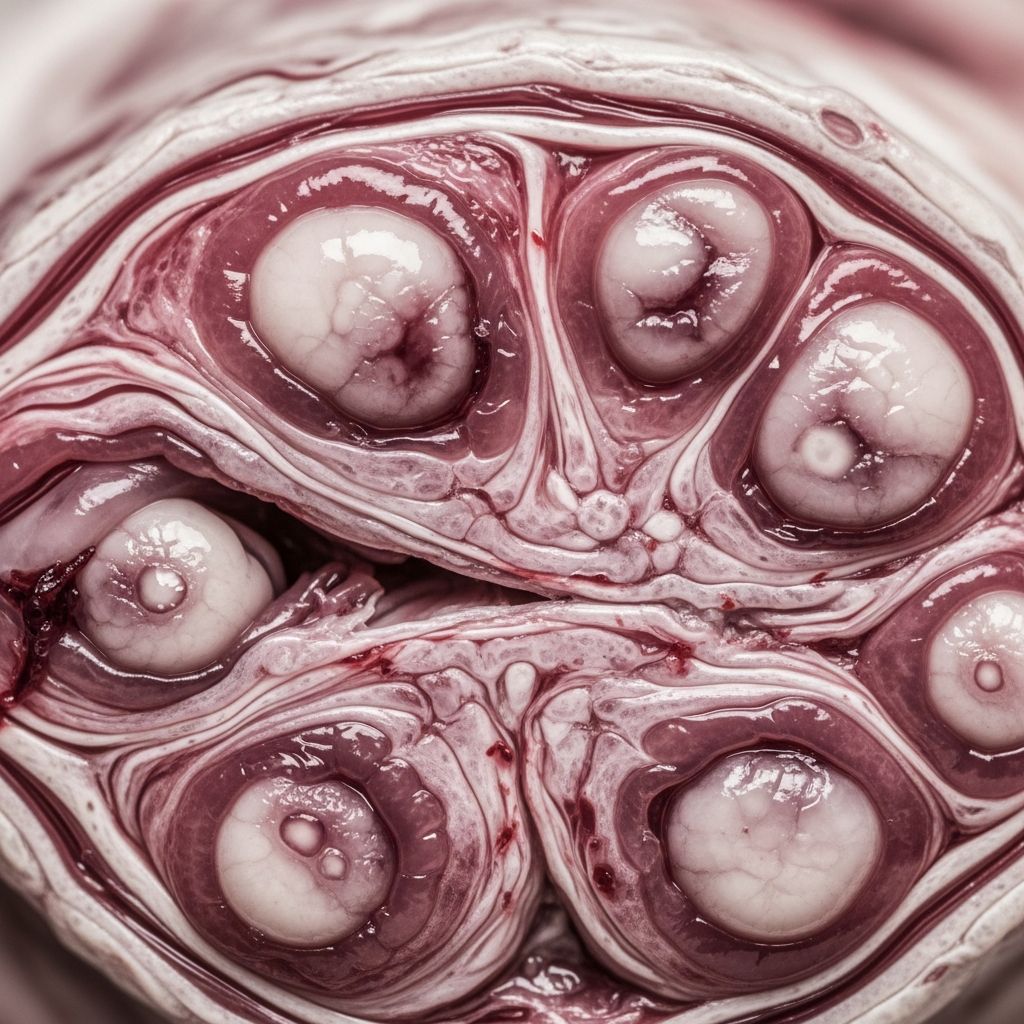
Understanding Ovarian Inflammation in Laying Flocks
The reproductive system in laying hens is one of the most metabolically demanding physiological systems, and when dysfunction occurs, it can significantly impact both individual bird welfare and flock productivity. Ovarian inflammation, medically termed oophoritis, represents one of the more serious reproductive complications affecting commercial and backyard poultry operations worldwide. This condition involves inflammation of the ovarian tissue and can lead to substantial economic losses through reduced egg production, increased mortality, and compromised bird welfare standards.
Ovarian inflammation in poultry may develop through multiple pathways, including direct bacterial invasion, systemic infection spread through the bloodstream, or as a secondary consequence of localized inflammatory processes in adjacent organs. The severity and progression of this condition depend largely on the causative agent, the bird’s immune status, management practices, and environmental stressors affecting the flock. Understanding the underlying mechanisms of this disease is essential for poultry producers seeking to maintain healthy, productive flocks.
Primary Infectious Agents Responsible for Ovarian Compromise
Bacterial Pathogens and Disease Mechanisms
Bacterial infections represent the most common infectious cause of ovarian inflammation in poultry. Among the most significant bacterial pathogens is Gallibacterium anatis, a gram-negative organism that naturally colonizes the respiratory and reproductive tracts of poultry. This pathogen has emerged as a major concern in poultry production across multiple continents, including Europe, Asia, the Americas, and Africa. The organism can transition from its commensal state to a pathogenic form under conditions of immune suppression, stress, or following predisposing environmental changes.
Gallibacterium anatis employs multiple virulence mechanisms to establish infection and cause tissue damage. These include the production of outer membrane vesicles, fimbriae for adhesion, capsular material for immune evasion, metalloproteases that degrade tissue components, and biofilm formation that protects the organism from antimicrobial agents. The hemolytic biovar of G. anatis demonstrates particularly high pathogenicity, causing not only oophoritis but also salpingitis (inflammation of the oviduct), peritonitis, and systemic septicemia.
Other bacterial species documented as causes of reproductive tract inflammation in poultry include Escherichia coli, particularly pathogenic avian strains, Salmonella species, and various other gram-positive and gram-negative organisms. These bacteria can gain access to the reproductive tract through hematogenous (bloodstream) dissemination or through direct ascending infection from lower portions of the reproductive tract.
Secondary Bacterial Complications
In advanced cases of ovarian inflammation, secondary bacterial invasion may occur, leading to more severe disease manifestations. When the integrity of ovarian tissue becomes compromised through inflammatory processes, opportunistic bacteria may establish secondary infections. Additionally, peritonitis—inflammation of the peritoneal membrane lining the body cavity—frequently develops as a consequence of rupture or leakage of infected ovarian material into the coelomic cavity. This progression significantly worsens the clinical condition and complicates treatment protocols.
Non-Infectious Causes of Ovarian Dysfunction and Regression
Nutritional and Management Factors
While infectious agents account for acute inflammatory episodes, numerous non-infectious factors can trigger progressive regression and dysfunction of ovarian tissue. Insufficient body weight maintenance represents a critical factor in ovarian regression. Laying hens require adequate nutritional reserves to sustain egg production, and when birds fail to maintain appropriate body condition, the reproductive system prioritizes somatic survival over reproductive function, resulting in ovarian involution.
Deliberate dietary restrictions, sometimes implemented in management protocols to control body weight, can paradoxically trigger pathological ovarian regression if not carefully monitored. Additionally, overcrowding within poultry housing creates chronic stress that suppresses reproductive function through neuroendocrine mechanisms. Environmental stressors including heat stress, inadequate lighting programs, poor air quality, and social disruption within the flock all contribute to ovarian dysfunction by altering hormone secretion and immune function.
Infrastructure and Environmental Considerations
Inadequate feeder and waterer placement or capacity prevents some birds from accessing necessary nutrition and hydration, leading to malnutrition and stress-induced ovarian regression. Environmental enrichment deficiencies and inability to perform natural behaviors contribute to chronic stress conditions that suppress reproductive hormone production. Temperature extremes, whether excessive heat or cold, impose significant metabolic demands that divert resources away from reproductive function.
Clinical Recognition and Assessment of Affected Birds
Observable Signs of Ovarian Disease
The clinical presentation of ovarian inflammation often involves nonspecific signs that may not immediately suggest reproductive system involvement. Affected birds frequently demonstrate general illness indicators including lethargy, ruffled feathers, and reduced feed consumption. Cessation of egg production or sudden drops in flock-wide production rates may indicate underlying reproductive tract disease. Some birds exhibit signs of egg binding, where mature eggs become trapped within the reproductive tract, causing abdominal distension and visible discomfort.
In advanced cases, birds may display signs of generalized systemic illness including fever, dehydration, and respiratory distress. Abdominal enlargement and visible coelomic distension suggest potential fluid accumulation within the body cavity, indicating progression to peritonitis. Unexpected mortality in the laying flock, particularly among peak producers, warrants investigation for reproductive tract disease as a contributing factor.
Differentiating Between Disease States
Distinguishing between acute infectious oophoritis and degenerative ovarian regression requires careful assessment of clinical history, presentation pattern, and individual bird versus flock-wide involvement. Acute infectious disease typically presents with sudden onset of illness signs in multiple birds and may be associated with recent introduction of new birds or management changes. Ovarian regression typically develops more gradually and affects a larger proportion of the flock in response to chronic stressors.
Diagnostic Imaging and Laboratory Techniques
Radiographic Evaluation
Survey radiographs provide valuable initial assessment of birds suspected of reproductive system disease. Radiographic findings may reveal polyostotic hyperostosis, a condition reflecting the mobilization of skeletal calcium for egg shell production, which may appear exacerbated in birds with chronic reproductive dysfunction. More significantly, radiographs can detect generalized increases in soft tissue opacity within the coelomic cavity consistent with peritoneal fluid accumulation, indicating progression to peritonitis. Advanced ovarian disease may show loss of normal organ definition and altered tissue density patterns.
Ultrasonographic Investigation
Ultrasonography demonstrates superior diagnostic capability for evaluating ovarian pathology compared to radiography. This imaging modality excels at detecting free fluid accumulation within the coelomic cavity and identifying cystic structures developing on or within ovarian tissue. The progression from healthy ovarian tissue to cystic degeneration can be tracked through serial ultrasonographic examinations, providing valuable prognostic information. Ultrasonography can also assess oviductal diameter and wall thickness, helping identify salpingitis or oviductal pathology.
Endoscopic and Biopsy-Based Diagnostics
Laparoscopy offers direct visualization of ovarian tissue and enables collection of diagnostic samples for microbiological culture and cytological examination. This minimally invasive technique allows the clinician to assess the gross appearance of ovarian tissue, observe the degree of inflammation, and visually document tissue changes. Tissue samples collected during laparoscopy can be cultured to identify specific bacterial pathogens and allow for targeted antimicrobial selection based on sensitivity testing. Cysts can be easily visualized and accessed through laparoscopy for sampling or therapeutic aspiration.
Targeted Treatment Strategies for Reproductive Tract Inflammation
Antimicrobial Selection and Administration
When bacterial infection is confirmed or strongly suspected, bactericidal antimicrobial therapy represents the cornerstone of medical management. Ideally, antimicrobial selection should be guided by culture and sensitivity results obtained from infected tissue samples. However, when awaiting laboratory results, broad-spectrum antimicrobials may be initiated based on the likelihood of common reproductive pathogens in the affected flock. Administration duration typically extends for 7-14 days depending on the agent selected and clinical response observed.
Special consideration applies when peritonitis is suspected or confirmed, as the inflammatory nature of peritoneal tissue may compromise standard dosing requirements and drug penetration. Higher antimicrobial doses or extended treatment duration may be necessary to achieve adequate tissue concentrations. The oviductal epithelium and ovarian tissue often demonstrate reduced vascularization in diseased states, potentially limiting drug accessibility.
Ovarian Function Suppression
Pharmacologic agents designed to suppress ovarian activity can provide temporary relief and reduce egg production-related stress in affected birds. Leuprolide acetate, a gonadotropin-releasing hormone agonist, effectively reduces ovarian estrogen production and temporarily arrests the reproductive cycle. This approach proves particularly valuable in recurrent cases or situations where repeated infections are anticipated if reproduction continues. By reducing the metabolic demand and hormonal stimulus for continued ovarian activity, these agents allow time for immune resolution of infection while reducing the mechanical stress of continued egg production.
Supportive Care Measures
Beyond antimicrobial and specific reproductive-modulating therapy, comprehensive supportive care ensures the best possible recovery outcomes. Fluid therapy addresses dehydration and maintains cardiovascular stability, particularly important in birds with peritonitis or systemic septicemia. Nutritional supplementation through high-quality feed, vitamin supplementation, and adequate water access supports immune function and tissue repair. Pain management through appropriate analgesic agents improves welfare and may enhance recovery by reducing stress responses that suppress immune function.
Surgical Interventions for Advanced or Recurrent Disease
When medical management fails to control recurrent infections or when advanced tissue damage precludes functional recovery, surgical intervention becomes appropriate. Partial oophorectomy—surgical removal of diseased portions of ovarian tissue—can be considered in advanced cases or those demonstrating recurrent infection patterns. This procedure removes the primary source of infection and inflammation while preserving remaining functional ovarian tissue when possible. However, significant ovarian removal necessarily reduces egg production capacity permanently.
In severe cases involving extensive oviductal involvement or where the reproductive tract has become a chronic focus of infection, complete salpingohysterectomy (removal of the oviduct and associated structures) may be necessary. While this precludes future egg production in the individual bird, it eliminates the chronic disease focus and associated mortality risk. These surgical approaches are typically reserved for valuable breeding birds or research subjects where the cost and effort can be justified.
Management Strategies to Minimize Reproductive Tract Disease Risk
Flock-Level Disease Prevention
Prevention proves substantially more effective and cost-efficient than treatment of reproductive tract disease. Biosecurity protocols should include careful screening of incoming birds to exclude carriers of pathogenic reproductive tract organisms. Vaccination programs appropriate for the specific pathogenic threats within a region should be implemented, though vaccine availability for some reproductive pathogens remains limited. Culling of chronically affected birds prevents the establishment of chronic disease sources within the flock and reduces pathogen transmission to healthy birds.
Husbandry Optimization
Maintaining optimal environmental conditions—including appropriate temperature control, adequate ventilation, appropriate lighting programs, and controlled stocking densities—reduces the stress-induced immunosuppression that permits pathogenic organisms to establish infection. Feeders and waterers must be strategically positioned and maintained at appropriate numbers to ensure all birds have adequate access to nutrition and hydration. Body weight monitoring programs help identify birds failing to maintain condition and allow for targeted nutritional supplementation or medical intervention.
Infection Control Practices
Segregation of affected birds reduces transmission of infectious agents to the remainder of the flock. Regular environmental cleaning and disinfection, particularly of nesting areas and roosting surfaces where reproductive tract secretions may contaminate equipment, helps reduce pathogen persistence. Personnel hygiene protocols, including hand washing and equipment disinfection between bird groups, prevent inadvertent pathogen transmission through human vectors.
Prognosis and Production Implications
The prognosis for individual birds with ovarian inflammation depends on disease severity at the time of diagnosis, the specific causative agent involved, and the rapidity of treatment initiation. Early diagnosis and aggressive treatment of acute bacterial oophoritis may allow for recovery with restoration of egg production, though some permanent ovarian damage is likely. Chronic cases and those progressing to peritonitis typically carry a poor prognosis, with many birds succumbing to septicemia despite treatment efforts or requiring culling due to chronic disease.
From a flock productivity perspective, outbreaks of reproductive tract disease result in immediate production losses through cessation of egg laying in affected birds and potential transmission to others. Extended recovery periods, even in successfully treated birds, result in lost production during the treatment and convalescence period. Chronic carriers within the flock present ongoing disease transmission risk, necessitating careful management and culling decisions to protect flock health.
Emerging Concerns and Research Directions
Antimicrobial resistance among poultry reproductive pathogens represents an emerging concern in many regions. Gallibacterium anatis and other reproductive tract pathogens demonstrate increasing resistance patterns to commonly used antimicrobials, necessitating continuous surveillance and adaptation of treatment protocols. Diagnostic advances, including molecular identification of novel virulence factors in G. anatis such as RTX-like toxins and CRISPR elements, enhance understanding of pathogenic mechanisms and may inform future therapeutic targets.
Research into efficacious vaccines against major reproductive pathogens continues, with potential for significant disease prevention advances in coming years. Better understanding of predisposing host factors and management conditions that permit pathogenic establishment may enable more refined prevention strategies tailored to specific production systems and geographic regions.
References
- Avian Reproductive Tract Disorders — DVM360. Accessed February 24, 2026. https://www.dvm360.com/view/avian-reproductive-tract-disorders-proceedings
- Etiology, Epidemiology, Pathology, and Advances in Diagnosis and Control of Gallibacterium anatis Infection in Poultry — National Center for Biotechnology Information. PubMed Central. https://pmc.ncbi.nlm.nih.gov/articles/PMC7006735/
- Oophoritis and Ovarian Regression in Poultry — Merck Veterinary Manual. https://www.msdvetmanual.com/poultry/disorders-of-the-reproductive-system-in-poultry/oophoritis-and-ovarian-regression-in-poultry
- Bacterial Diseases Affecting Egg Production of Laying Hens — Juniper Publishers Journal of Dairy, Veterinary & Animal Research. https://juniperpublishers.com/jdvs/JDVS.MS.ID.555814.php
- Pullorum Disease in Poultry — Merck Veterinary Manual. https://www.merckvetmanual.com/poultry/salmonelloses-in-poultry/pullorum-disease-in-poultry
Similar Articles








Read full bio of medha deb


