
Nutritional Shortfalls in Poultry: Protein, Amino Acids, Energy
Explore the impacts of protein, amino acid, and energy shortages in poultry diets and strategies for balanced nutrition to boost growth and production.
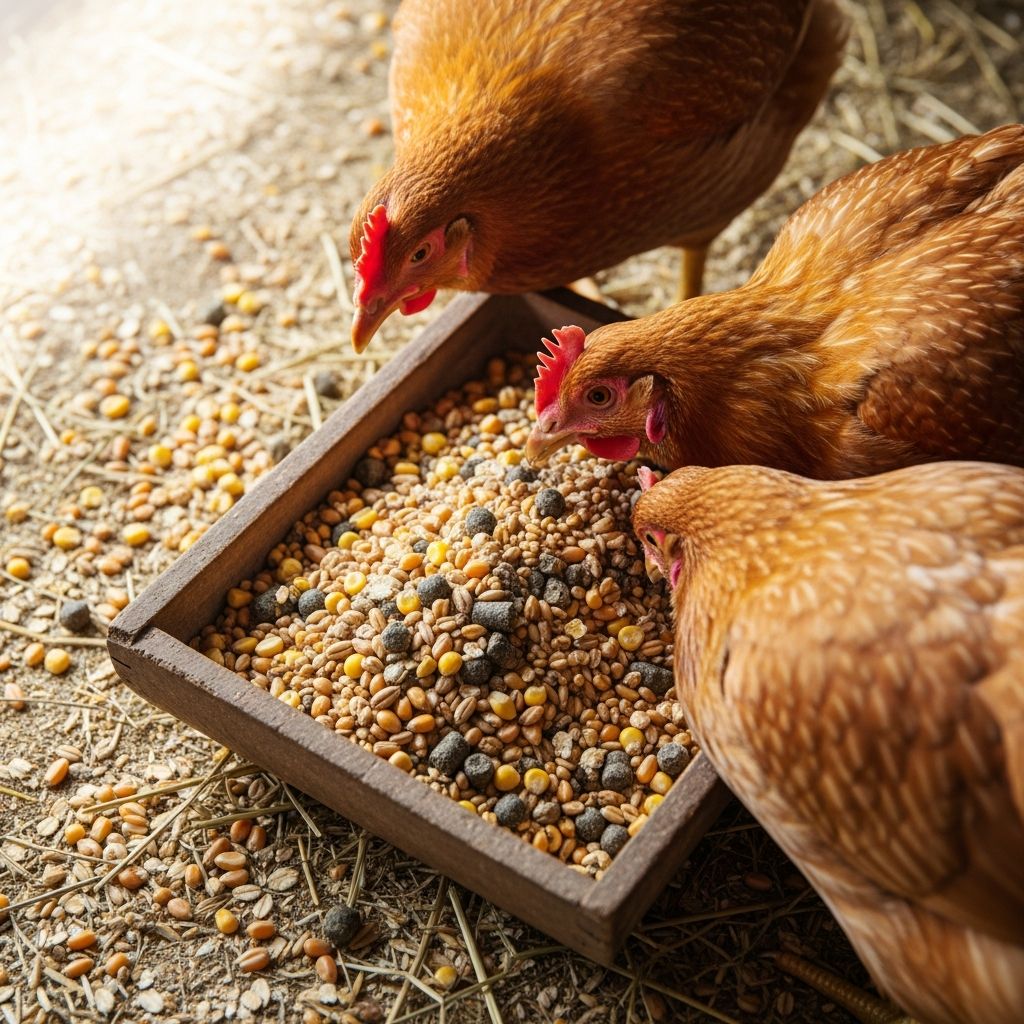
Poultry farming relies heavily on precise nutritional management to ensure robust growth, high egg production, and overall flock vitality. Deficiencies in key nutrients like proteins, specific amino acids, and energy sources can lead to stunted development, reduced output, and increased disease susceptibility. This article delves into the mechanisms behind these shortages, their visible effects, and practical remedies drawn from veterinary science and nutritional research.
Foundational Role of Proteins and Amino Acids in Bird Physiology
Proteins form the cornerstone of tissue building, enzyme production, and immune function in poultry. Composed of amino acids, they must be supplied in diets with the right proportions because birds cannot synthesize all essential types. Essential amino acids such as lysine, methionine, and tryptophan must come from feed, while non-essential ones can be produced if sufficient nitrogen is available. Imbalances disrupt protein synthesis, mimicking overall shortages even when crude protein levels seem adequate.
Optimal crude protein percentages vary by species and life stage: growing chicks need 18%-23%, poults and game birds 26%-30%, and waterfowl like ducklings 20%-22%. These benchmarks ensure amino nitrogen supports both essential and non-essential amino acid needs for peak performance.
Primary Causes of Protein and Amino Acid Imbalances
Several factors contribute to nutritional gaps in poultry rations. Feed composition plays a pivotal role; grains like corn and sorghum are low in protein and lack key amino acids such as methionine and lysine, while bran offers incomplete profiles. Relying solely on plant-based feeds without animal proteins leads to deficiencies.
- Feed Formulation Errors: Single-source diets ignore varying needs across breeds, ages, and production phases. Broilers demand more than layers, and requirements peak during rapid growth or peak laying.
- Limiting Amino Acids: Lysine, methionine, and tryptophan restrict protein utilization. Excess other amino acids go unused if these are scarce.
- Inter-Amino Acid Dynamics: Tyrosine depends on phenylalanine, cystine on methionine; glycine synthesis lags in chicks, necessitating supplementation.
- Health and Environmental Factors: Diseases like coccidiosis or pasteurellosis impair absorption. Low dietary energy accelerates protein breakdown for fuel.
Recent studies emphasize balancing lower crude protein diets (around 13%) with precise amino acid ratios to maintain efficiency, avoiding drops below 12% that harm growth.
Recognizing Deficiency Symptoms Across Flock Types
Early detection hinges on observing consistent signs. Initially, birds increase feed intake to compensate, but this shifts to reduced consumption, poorer feed efficiency, and fattening due to energy over protein intake.
| Nutrient Shortage | Common Symptoms | Affected Poultry Types |
|---|---|---|
| Protein General | Slow growth, smaller eggs, reduced production | Chicks, layers, broilers |
| Lysine | Feather pigment loss (e.g., turkey wings) | Turkeys, chicks |
| Arginine | Cup-shaped feathers | Chickens |
| Methionine | Poor feathering post-molt | All, especially broilers |
| Energy | Weight loss, ketosis-like signs, lethargy | Growing birds, layers |
Additional indicators include feather pecking, ill health, and appetite loss. Specific shortages like niacin or zinc can mimic feathering issues, but amino acid gaps often dominate. Mississippi State research highlights methionine as the most common culprit in poor feathering.
Energy Deficiencies: The Hidden Saboteur
Energy shortages force birds to catabolize proteins via deamination, oxidizing carbon skeletons and sparing lipids through beta-oxidation. This inefficiency can trigger ketosis, with symptoms like weakness mirroring mammalian cases. Insufficient carbs or fats exacerbate protein loss, underscoring the need for balanced energy-protein ratios.
In low-energy diets, birds prioritize survival over production, leading to slower gains and lower yields. NIFA-funded studies show higher crude protein with amino acid boosts improves weight gain and feed conversion.
Strategic Feed Formulation for Prevention
Addressing deficiencies starts with tailored rations. Prioritize the first limiting amino acids (lysine, TSAA, threonine) alongside crude protein minimums. Animal proteins offer balanced profiles, but synthetic amino acids enable lower-protein feeds without waste.
- Age-Specific Adjustments: High protein for broilers (22%+ with 1.23% lysine), tapering as they mature.
- Supplementation: Add methionine, lysine; consider glycine for chicks.
- Energy Balance: Include fats/sugars to spare proteins.
- Monitoring: Track growth, egg size, feathering.
Research confirms non-essential amino additions restore performance in reduced-protein diets. Avoid over-protein; excesses are excreted, raising costs and ammonia.
Health Interactions and Disease Amplification
Compromised nutrition weakens immunity, worsening infections. Chronic conditions like avian leukemia spike protein demands. Digestive issues hinder absorption, creating vicious cycles. Balanced diets mitigate these risks, enhancing resilience.
Case Studies: Real-World Recovery Examples
In one trial, broilers on 22% protein diets outperformed lower ones, with amino boosts equaling controls in gain and efficiency. Flocks showing poor feathering rebounded with methionine-enriched feeds. Layers with small eggs improved via lysine supplementation, restoring production.
Future Directions in Poultry Nutrition
Ongoing research pushes low-protein paradigms with precise amino balancing, cutting nitrogen excretion for sustainability. Tools like digestible amino acid systems refine formulations beyond crude protein.
Frequently Asked Questions (FAQs)
What are the first signs of amino acid deficiency in chicks?
Slow growth, poor feathering, and increased feed intake initially, followed by appetite drop.
How much protein do laying hens need?
Around 16-18% crude protein, higher during peak production, with balanced essentials.
Can energy shortages cause protein wasting?
Yes, birds deaminate amino acids for energy, reducing muscle and egg synthesis.
Is methionine the top limiting amino acid?
Often yes, especially in grain-heavy diets; supplement accordingly.
How to fix poor feathering nutritionally?
Boost methionine and overall protein; rule out other vitamins/minerals.
References
- Causes of Poultry Deficiency in Protein And Amino Acids — Polifar. 2023. https://www.polifar.com/Causes-of-Poultry-Deficiency-in-Protein-And-Amino-Acids-id41369147.html
- Protein, Amino Acid, and Energy Deficiencies in Poultry — MSD Veterinary Manual. 2026. https://www.msdvetmanual.com/poultry/nutrition-and-management-poultry/protein-amino-acid-and-energy-deficiencies-in-poultry
- Protein, Amino Acid, and Energy Deficiencies in Poultry — Merck Veterinary Manual. 2025. https://www.merckvetmanual.com/poultry/nutrition-and-management-poultry/protein-amino-acid-and-energy-deficiencies-in-poultry
- Recent advances in protein and amino acid nutritional dynamics — PMC/NCBI (Peer-reviewed). 2024. https://pmc.ncbi.nlm.nih.gov/articles/PMC11879670/
- Mineral and Amino Acid Nutrition of Poultry — NIFA/USDA (.gov). Accessed 2026. https://portal.nifa.usda.gov/web/crisprojectpages/0201468-mineral-and-amino-acid-nutrition-of-poultry.html
- Which is most important for chickens, amino acids or protein? — Dine A Chook. 2023. https://www.dineachook.com.au/blog/which-is-most-important-for-chickens-amino-acids-or-protein/
Similar Articles








Read full bio of medha deb


