
Poultry Cannibalism: Causes, Prevention & Management
Understand and eliminate destructive pecking behavior in your flock through proven management strategies.
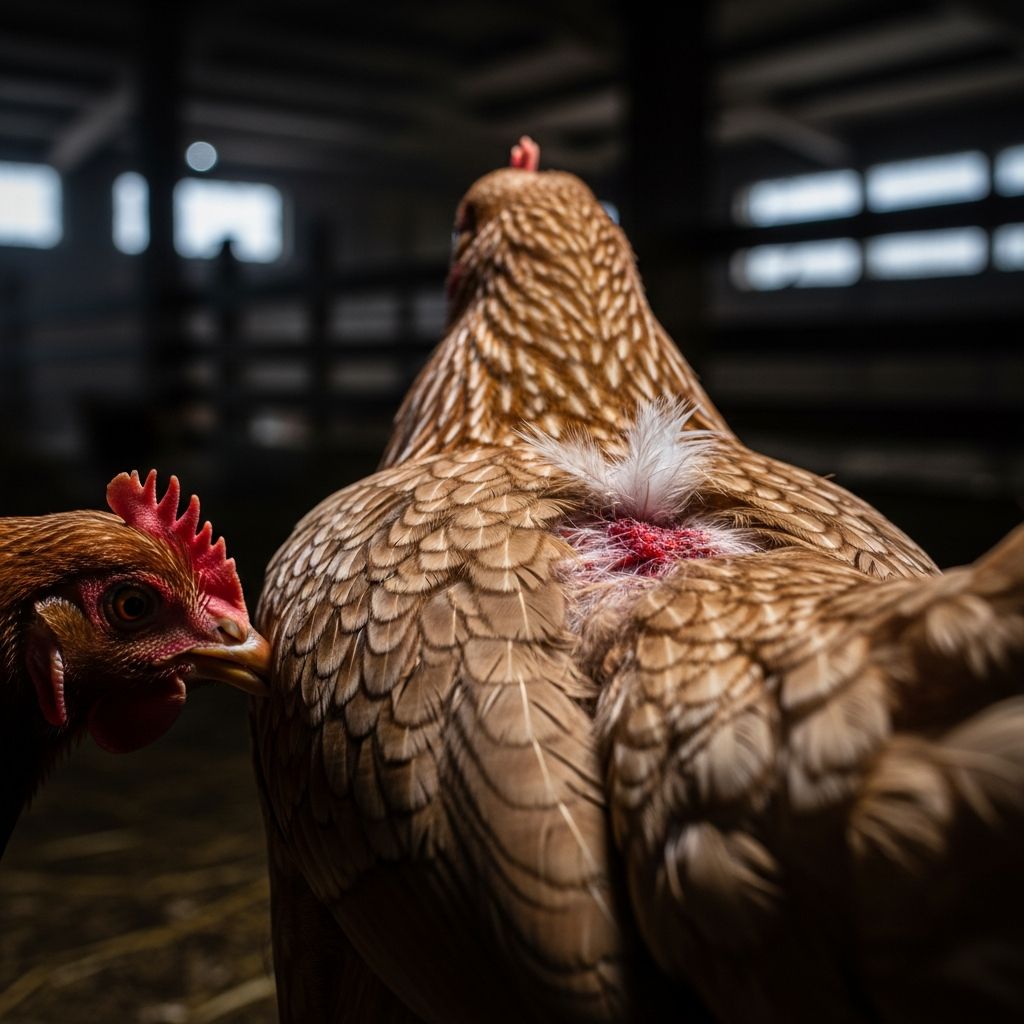
Cannibalism in poultry represents one of the most challenging behavioral problems facing flock managers today. This destructive behavior, characterized by birds pecking and injuring or consuming the flesh of their flock mates, can result in significant economic losses, reduced animal welfare, and compromised flock productivity. Unlike many poultry diseases, cannibalism is not caused by a single pathogen but rather emerges from a combination of genetic predispositions and management failures. Understanding the underlying triggers is essential for any poultry keeper seeking to maintain a healthy, productive flock.
The Multifaceted Nature of Cannibalism
Cannibalism in poultry is not a spontaneous behavior but rather a response to one or more stressors within the bird’s environment. Research from extension services indicates that stress, regardless of its source, is typically the primary driver of cannibalistic outbreaks. However, the factors that create this stress are numerous and often interconnected. A flock may experience cannibalism as a result of a single major environmental problem, or more commonly, from the cumulative effect of several minor management deficiencies that combine to overwhelm the birds’ behavioral threshold.
Space and Overcrowding: The Foundation of Peace
One of the most significant contributors to cannibalism is inadequate living space. When birds are overcrowded, they experience heightened stress and increased competition for resources. Overpopulation forces birds into closer physical proximity than they would naturally choose, creating a breeding ground for aggressive interactions. In confined spaces, subordinate birds cannot escape from dominant, aggressive individuals, which leads to escalating pecking and eventual cannibalistic behavior.
Research from Penn State Extension emphasizes that sufficient space is foundational to preventing cannibalism. Proper stocking density varies by species, breed, and age, but the principle remains constant: birds must have enough room to move, feed, drink, and rest comfortably without constant competition or conflict. Adding perches and vertical elements to the coop can increase usable space and provide escape routes for subordinate birds, reducing stress and aggressive encounters.
Nutritional Imbalances and Feed-Related Stress
The quality and availability of feed plays a critical role in preventing cannibalistic behavior. Nutritional deficiencies and inadequate feeding practices create multiple pathways to cannibalism. When birds lack access to sufficient quantities of feed, they experience hunger-driven stress and increased aggression over scarce resources. Beyond quantity, the nutritional composition of the diet is equally important.
Diets that are excessively high in energy but low in fiber can cause birds to become hyperactive and more aggressive. Conversely, feed lacking adequate protein, particularly the amino acid methionine, has been directly linked to feather pecking and cannibalistic behavior. Birds may resort to consuming the flesh and blood of their flockmates as a misguided attempt to satisfy nutritional cravings created by dietary deficiencies. Additionally, deficiencies in salt and sulfur have been documented to increase blood appetite in birds, exacerbating pecking behavior.
The physical form of feed matters as well. Research suggests that mash diets, where birds sift through various ground particles, may reduce cannibalism compared to pelleted feeds. The act of foraging through mash provides mental stimulation and extends feeding time, which can help reduce the frustration and boredom that lead to pecking behavior.
Environmental Temperature and Thermal Stress
Temperature control is a critical yet often overlooked aspect of cannibalism prevention. Excessive heat creates physiological stress that can trigger aggressive behavior. Young poultry should initially be brooded at 95°F (approximately 35°C) during their first week of life. As birds age, the temperature should be gradually reduced by approximately 5°F per week until reaching 70°F or ambient outdoor temperature. Failure to follow these guidelines, or allowing temperatures to spike above appropriate levels, can induce extreme cannibalistic responses.
Temperature management must be consistent and carefully monitored. Fluctuating temperatures increase stress and unpredictability, which can contribute to behavioral problems. Providing adequate ventilation while maintaining appropriate heat zones is essential, particularly in commercial operations.
Light Management and Behavioral Control
Lighting conditions profoundly influence poultry behavior and aggression levels. Excessive light, whether from natural sources or artificial illumination, has been demonstrated to increase aggression and pecking behavior in flocks. The constant visibility of other birds and lack of natural rest periods creates stimulation that can manifest as aggressive behavior.
Darkening facilities, particularly through the use of red-spectrum lighting, has proven effective in reducing aggression and providing some behavioral control during cannibalism outbreaks. Red light reduces the visibility of blood and injuries, making target birds less attractive to aggressors. In prevention programs, carefully managed lighting schedules that include adequate darkness for rest can significantly reduce the incidence of cannibalism.
Environmental Enrichment and Behavioral Outlets
A barren environment that restricts normal behaviors is a significant risk factor for cannibalism. Poultry have innate drives to forage, nest, perch, and dust bathe. When these behaviors cannot be expressed in the home environment, frustration builds and translates into aggressive pecking of flockmates.
Environmental enrichment involves providing objects and opportunities that allow birds to express natural behaviors. Effective enrichment includes:
- Perches that allow birds to roost and escape from aggressive individuals
- Foraging materials such as straw, grass clippings, and green leafy vegetables
- Small grains distributed in deep litter for natural pecking behavior
- Nesting boxes for laying hens to satisfy nesting instincts
- Toys and novel objects that redirect pecking away from flockmates
- Access to outdoor runs or ranges where birds can peck at ground, insects, and vegetation
Research indicates that providing foraging opportunities is particularly effective in reducing cannibalism because it occupies the birds’ attention, reduces boredom, and allows them to exercise natural behaviors in a constructive manner.
Health Status and Disease Prevention
Birds that are diseased, parasitized, or in poor body condition are more susceptible to both initiating and becoming victims of cannibalistic behavior. Internal parasites such as worms create nutritional stress and general malaise, which can trigger aggressive behavior as birds attempt to compensate through increased feed consumption and competition.
Regular deworming and parasite control programs are essential components of cannibalism prevention. Additionally, birds with visible injuries or signs of illness should be promptly removed from the flock to a separate recovery area. This accomplishes two objectives: it removes potential aggressors that may be stressed or suffering, and it protects vulnerable birds from becoming targets of aggressive flockmates.
Breed Selection and Genetic Factors
The first line of defense against cannibalism is selecting breeding stock that is not genetically predisposed to aggressive behavior. Some commercial hybrids have been specifically bred for lower aggression traits, making them more suitable for intensive management systems. Conversely, certain heritage breeds or lines may carry genetic factors that increase cannibalistic tendencies.
For backyard and small-scale operations, selecting breeds known for calmer temperaments can significantly reduce cannibalism risk. When expanding a flock through new birds, careful selection for calm disposition can prevent outbreaks before they begin.
Managing Acute Cannibalism Outbreaks
Despite preventive efforts, cannibalism can occur even in well-managed flocks. Once an outbreak is identified, rapid intervention is essential. The first step is to identify and address the underlying cause or causes. This requires systematic evaluation of space, nutrition, temperature, lighting, and health status to determine what environmental factor or combination of factors has triggered the behavior.
Once the cause is identified, corrective measures should be implemented immediately. Temporarily darkening facilities by reducing light intensity can calm aggressive birds and reduce the visibility of injuries. Any severely injured or overly aggressive birds should be humanely removed from the flock to prevent further escalation. Anti-peck ointments or sprays applied to damaged birds provide a deterrent to aggressors by creating an unpleasant taste or appearance that discourages further pecking.
Lowering temperature slightly, if feasible, can reduce physiological stress and aggression. In some cases, temporarily separating the most aggressive individuals allows the remainder of the flock to stabilize, after which gradual reintegration may be possible.
Frequently Asked Questions
What is the primary cause of cannibalism in poultry?
Stress is the primary driver of cannibalism, regardless of its source. This stress typically arises from one or more management failures, including overcrowding, inadequate nutrition, improper temperature, excessive light, poor health status, or lack of environmental enrichment.
Can beak trimming prevent cannibalism?
Beak trimming, when performed by trained personnel at the appropriate age, can reduce the damage caused by cannibalism, but it does not address the underlying causes of the behavior. Modern welfare-focused approaches prioritize environmental management and enrichment to prevent the need for beak treatment.
How much space do poultry require to prevent cannibalism?
Space requirements vary by species, breed, and age, but the general principle is to provide sufficient room for birds to move freely, feed without competition, drink water, and rest without crowding. Extension services provide specific guidelines for each production type.
Is cannibalism more common in certain types of poultry?
Cannibalism can occur in any poultry species, though the triggers and manifestations may differ. Commercial laying hens and broiler chickens in intensive systems are historically at higher risk due to the management practices and genetic selections used in these production models.
Can cannibalism be completely eliminated?
While complete elimination may not always be possible, incidence can be significantly reduced or even eliminated through comprehensive management that addresses space, nutrition, temperature, light, health, and environmental enrichment.
Best Practices for a Cannibalism-Free Flock
Preventing cannibalism requires a holistic management approach that addresses all potential risk factors. Begin by selecting genetically calm breeding stock and providing adequate space based on recommended stocking densities. Feed a balanced diet appropriate for the birds’ age and production stage, ensuring adequate protein, methionine, vitamins, and minerals. Implement careful temperature management, following breed-specific guidelines, and provide consistent lighting schedules that include adequate darkness.
Enrich the environment with perches, foraging materials, nesting boxes, and toys that allow birds to express natural behaviors. Maintain rigorous health and parasite control programs, and monitor flock condition daily. Identify and remove sick, injured, or aggressive birds promptly. By implementing these practices systematically, poultry keepers can create an environment in which cannibalism is far less likely to develop, ensuring both better animal welfare and improved flock productivity.
References
- Poultry Cannibalism: Prevention and Treatment — Penn State Extension. 2023. https://extension.psu.edu/poultry-cannibalism-prevention-and-treatment/
- Cannibalism by Poultry — Nebraska Extension Publications. https://extensionpubs.unl.edu/publication/g1670/na/pdf/view
- Cannibalism by Poultry — The Poultry Site. https://www.thepoultrysite.com/articles/cannibalism-by-poultry
- Cannibalism and Feather Pecking in Poultry: Causes & Prevention — BivaTec. 2024. https://www.bivatec.com/blog/how-to-prevent-cannibalism-and-feather-pecking-in-poultry-causes-solutions
- Poultry Cannibalism: Causes, Prevention & Treatment — Dalton Supplies. https://www.daltonsupplies.com/blogs/news/poultry-cannibalism
Similar Articles








Read full bio of Sneha Tete


