

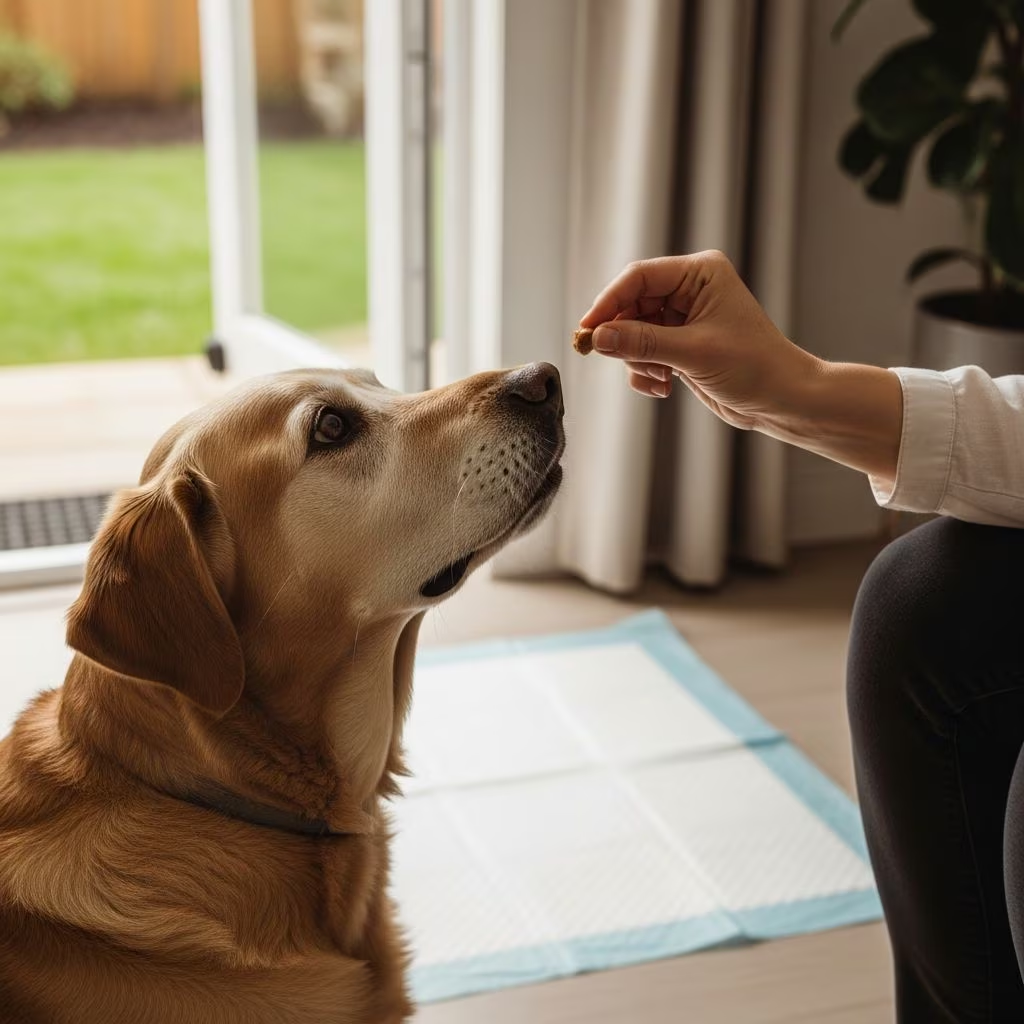
Housebreaking an adult or senior dog requires a structured approach that accounts for their established habits and physical needs. Unlike puppies, older dogs often have longer attention spans but may resist change or face medical hurdles. With consistent routines, positive reinforcement, and veterinary input, most can master elimination habits in a few weeks to months.
Understanding Challenges with Adult Canines
Adult dogs adopted from shelters or new environments might lack prior training or revert due to stress. Seniors could struggle with bladder control from age-related issues like incontinence or arthritis. Recognizing these factors prevents frustration and guides tailored plans.
- Behavioral resistance: Previously learned indoor habits take time to unlearn.
- Physical limitations: Reduced mobility or frequent urges demand more breaks.
- Environmental stress: New homes trigger anxiety, leading to accidents.
Patience is key; punishment worsens fear and hides signals, making training harder.
Initial Health Assessment: Rule Out Medical Causes
Before training begins, schedule a veterinary exam. Conditions like urinary tract infections, diabetes, or kidney disease mimic poor training. Bloodwork and urinalysis identify issues treatable with medication, improving success rates.
| Common Medical Issues | Symptoms | Solutions |
|---|---|---|
| Urinary Tract Infection | Frequent small accidents, straining | Antibiotics, diet changes |
| Diabetes | Increased thirst, accidents | Insulin therapy, monitoring |
| Arthritis | Hesitation to go out, whining | Pain meds, ramps |
| Cognitive Dysfunction | Forgetting habits, confusion | Medications, routines |
Post-exam, confirm no issues or manage them alongside training for optimal results.
Building a Consistent Daily Schedule
Routines predict needs, reducing accidents. Feed at set times, removing bowls after 15 minutes to regulate digestion. Take dogs out on leash at predictable intervals: upon waking, post-meals, mid-day, evenings, and bedtime.
Sample schedule for a typical day:
- 6 AM: Wake, immediate potty walk (10 mins).
- 7 AM: Breakfast, potty 20 mins later.
- 10 AM: Mid-morning break.
- 12 PM: Lunch if fed twice, potty after.
- 3 PM: Afternoon walk (20-30 mins for exercise).
- 6 PM: Dinner, potty soon after.
- 9 PM: Evening outing.
- 11 PM: Bedtime potty, crate overnight if needed.
Adjust for small breeds or seniors needing hourly breaks initially. Gradually extend as control improves.
Selecting and Introducing Crate Training
Crate training leverages dogs’ aversion to soiling their den. Choose a size allowing standing, turning, and lying down—dividers for larger crates prevent corner use.
Make it positive:
- Add bedding, water bowl, chew toys, and puzzle feeders exclusive to crate time.
- Start with short sessions, praising entries.
- Use for unsupervised periods or nights.
Never as punishment. Rotate toys to build association with comfort. After success, it becomes a voluntary retreat space.
Positive Reinforcement Techniques
Reward desired behavior immediately with high-value treats like cheese or meat, plus verbal praise. Ignore accidents; clean with enzymatic cleaners to erase scents.
Leash walks to potty spots encourage focus over yard freedom. Praise lavishly outdoors: “Good potty!” Pair with treats. Consistency from all household members reinforces learning.
Recognizing and Responding to Potty Signals
Watch for cues: sniffing, circling, whining, pacing, or door-scratching. Interrupt pre-accident politely (e.g., “Outside!”) and rush out. Reward signaling to build communication.
- Sniffing/circling: Imminent need—go now.
- Restlessness: Take preventive break.
- Barking/scratching: Learned alert—praise and comply.
Supervise closely indoors; tether to you if distracting.
Handling Stubborn or Relapsing Dogs
Older dogs unlearn old patterns slowly. If regression occurs, shrink freedom (back to crate/ small room) without scolding. Increase outings temporarily.
For pee pads (apartments, mobility issues): Place consistently, reward use, transition outdoors later if possible.
Expected Timeline and Progress Milestones
Training spans 2-8 weeks, varying by dog. Track with a journal:
| Week | Milestones |
|---|---|
| 1 | Fewer accidents, recognizes routine |
| 2-3 | Holds 2-4 hours, signals needs |
| 4+ | Reliable overnight, expanded freedom |
Seniors may extend to months; celebrate small wins.
Frequently Asked Questions (FAQs)
How long to potty train an older dog?
Typically 2-8 weeks with consistency; seniors longer due to control issues.
Can you crate train senior dogs?
Yes, if comfortable; use for short absences, enrich with toys.
What if my dog has accidents at night?
Limit water evenings, last potty late, crate overnight.
Is punishment effective?
No; causes fear. Use rewards only.
Best treats for rewards?
High-value like boiled chicken; adjust calories.
Advanced Tips for Long-Term Success
Bell training: Teach door ringing for requests. Enrichment walks combine potty with exercise. Multi-dog homes: Individual schedules prevent confusion.
Monitor weight, as treats add calories—balance meals. Annual vet checks maintain habits.
References
- Dog Training: How to Potty Train an Adult Dog — Purina US. 2023. https://www.purina.com/articles/dog/behavior/training/how-to-potty-train-adult-dog
- How To Potty Train an Older Dog — PetMD (Tiffany Tupler, DVM). 2024-02-15. https://www.petmd.com/dog/general-health/how-to-potty-train-older-dog
- How to Housetrain an Adult Dog — American Kennel Club (AKC). 2023-05-10. https://www.akc.org/expert-advice/training/how-to-housetrain-an-adult-dog/
- Housetraining an Adult Dog — Dog Spring Training. 2022. https://www.dogspringtraining.com/tips/housetraining-adult-dog/



