Potty Training Older Dogs: Effective Strategies
Discover proven methods to housebreak senior dogs with patience, routine, and positive reinforcement for a cleaner, happier home.
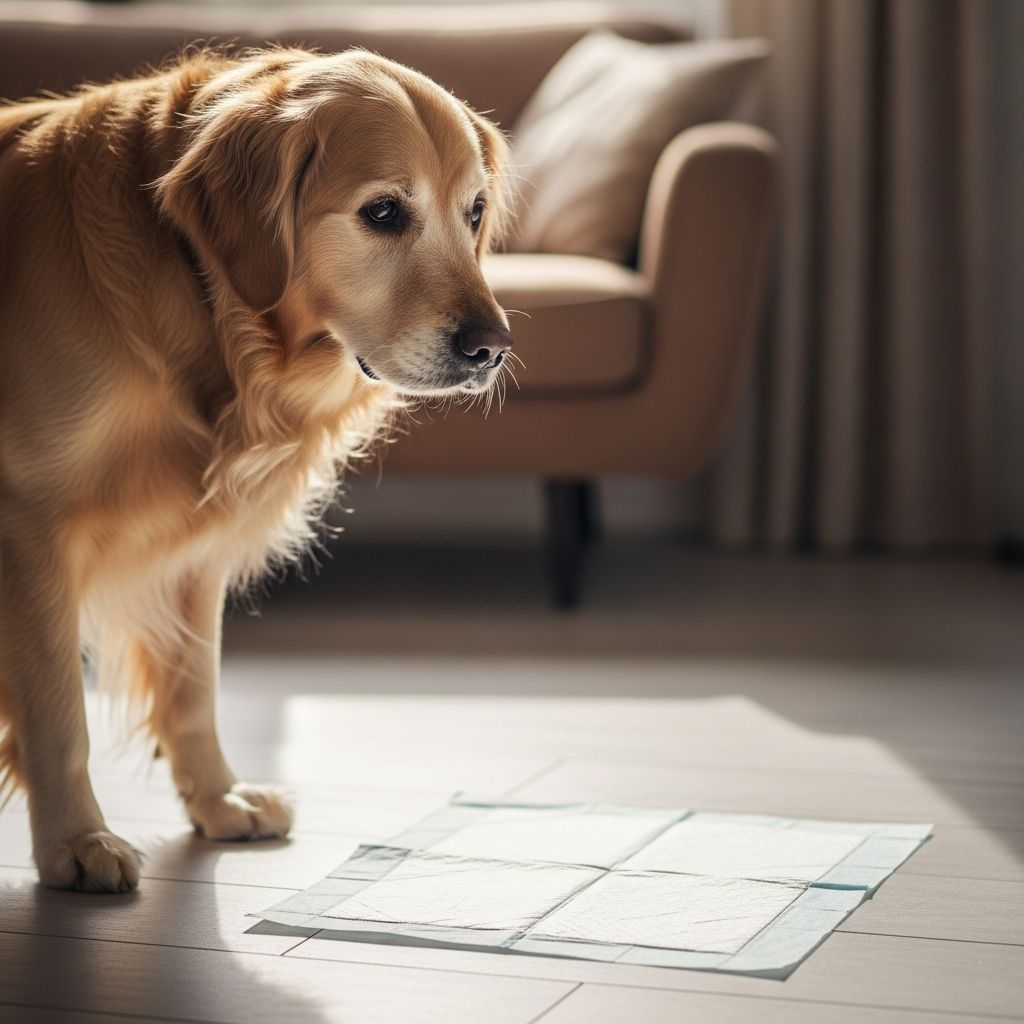
Housebreaking an adult or senior dog requires a structured approach that accounts for their age, past habits, and potential health concerns. Success comes from consistency, positive reinforcement, and ruling out medical problems first, leading to fewer accidents and a stronger bond.
Understanding Challenges with Adult Dogs
Older dogs often enter new homes with established habits from previous environments, making retraining essential. Unlike puppies, they may have incontinence, mobility limitations, or confusion from changes, but with tailored methods, most can learn reliable habits within weeks.
Factors like inconsistent prior training or stress from relocation contribute to indoor accidents. Recognizing these helps set realistic expectations—progress may be gradual, but persistence pays off.
Initial Veterinary Assessment
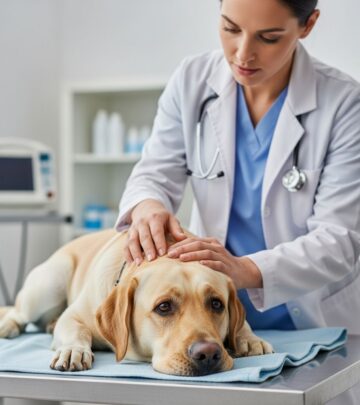
Before starting any program, schedule a full veterinary exam to exclude underlying conditions. Issues such as urinary tract infections, diabetes, or arthritis can mimic poor training and must be addressed medically first.
During the visit, discuss the dog’s diet, medications, and elimination patterns. Vets may recommend tests or treatments to improve bladder control, ensuring training efforts target behavior rather than symptoms.
Selecting and Preparing a Crate
A properly sized crate becomes a safe den where dogs naturally avoid soiling. Choose one allowing comfortable standing and turning, but not excess space—about 1.5 times the dog’s length for most breeds.
Wire crates with dividers work well for adjustability, while plastic ones offer privacy. Line the bottom with absorbent bedding and include essentials:
- A secure water bowl to prevent spills.
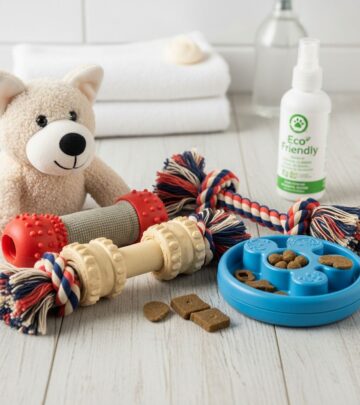
- Rotating chew toys for mental stimulation.
- Interactive puzzles filled with kibble.
Introduce the crate gradually with high-value treats reserved exclusively for it, building positive associations over days.
Building a Daily Routine
Consistency is the foundation of success. Feed meals at fixed times—morning and evening—and remove uneaten food after 15 minutes to regulate digestion.
A sample schedule for an older dog might include:
- Morning: Immediate leashed walk upon waking.
- Post-breakfast: 10-minute neighborhood stroll.
- Midday: Walker or family member handles a supervised outing.
- Afternoon: 20-30 minute exercise walk.
- Evening: Short potty trip after dinner and before bed.
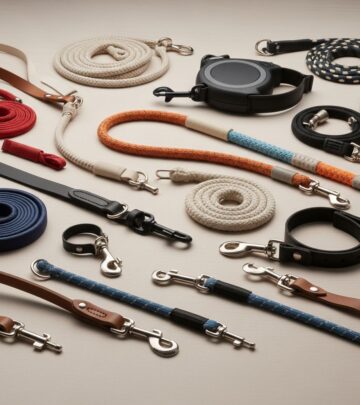
Leash walks prevent unsupervised yard accidents and provide enrichment. All household members must follow this exactly for seven days weekly.
Implementing Positive Reinforcement
Reward desired behavior instantly with premium treats like small cheese pieces or meat bits—something irresistible given only for outdoor elimination.
Use a consistent cue like “go potty” in a calm tone as the dog positions to go. Praise lavishly right after, within 2 seconds, to link the action with the reward. Avoid free-feeding; controlled portions enhance predictability.
Supervision and Confinement Techniques
Never leave an untrained older dog unsupervised indoors. Tether them to you with a leash or restrict to a single room to catch pre-accident signals like sniffing, circling, or restlessness.
If leaving home, crate the dog after a potty walk. Start with short absences, gradually increasing duration. For nights, crate if accidents occur, transitioning to an open-door setup once reliable.
Adapting for Senior-Specific Needs
Mobility challenges in older dogs call for accessible solutions. For apartments or harsh weather, introduce indoor grass patches or pee pads in a consistent spot.
| Challenge | Adaptation |
|---|---|
| Arthritis or stiffness | Short, frequent walks; non-slip paths. |
| Vision/hearing loss | Verbal cues; gentle guiding to spot. |
| Incontinence | More breaks; vet-prescribed aids. |
| Cognitive decline | Simplified routine; scent markers. |
Guide arthritic dogs with harnesses, and use verbal commands more for sensory-impaired ones. Patience prevents frustration.
Cleaning Up Accidents Properly
Accidents happen—interrupt calmly without scolding, as punishment fosters fear and hiding. Clean with enzymatic cleaners to eliminate odors, preventing re-marking.
Blot excess, apply cleaner, and let air dry. Avoid ammonia-based products mimicking urine scent.
Monitoring Progress and Adjusting
Track successes in a journal: note times, locations, and triggers. After 7-10 accident-free days, expand freedom gradually—first one room, then more.
If regression occurs, revert to stricter confinement without discouragement. Most dogs improve in 2-4 weeks with adherence.
Indoor Options for Limited Mobility
Pee pads or synthetic turf suit small seniors or urban dwellers. Train similarly: lead to the spot, cue, reward. Place near doors initially, fading as habits form.
Rotate pads to maintain cleanliness, and choose odor-locking varieties. These bridge gaps when outdoor access is tough.
Frequently Asked Questions
How long does potty training take for older dogs?
Typically 2-6 weeks, depending on prior habits and health. Consistency speeds results.
What if my dog regresses after progress?
Increase supervision, tighten schedule, and reinforce rewards. Rule out illness.
Can very senior dogs (10+ years) be trained?
Yes, with adaptations for health. Focus on comfort and short sessions.
Should I use punishment for accidents?
No—it erodes trust. Positive methods work better long-term.
What treats work best for rewards?
High-value like boiled chicken or cheese, tiny pieces only for potty success.
Long-Term Maintenance
Once trained, maintain with morning/evening walks and post-meal checks. Crates remain voluntary retreats. Annual vet visits catch emerging issues early.
Enrich life with playdates or puzzle toys to reduce stress-related accidents. Celebrate milestones to keep motivation high.
References
- How To Potty Train an Older Dog — PetMD. 2023-05-15. https://www.petmd.com/dog/general-health/how-to-potty-train-older-dog
- Training Senior Dogs on Indoor Grass Potty Systems — DoggieLawn. 2024-02-10. https://doggielawn.com/blogs/blog/training-senior-dogs-on-indoor-grass-potty-systems-a-step-by-step-guide
- How to Potty Train an Adult Dog — Purina. 2023-11-20. https://www.purina.com/articles/dog/behavior/training/how-to-potty-train-adult-dog
- How to Housetrain an Adult Dog — AKC. 2024-01-08. https://www.akc.org/expert-advice/training/how-to-housetrain-an-adult-dog/
- Housetraining an Adult Dog — Dog Spring Training. 2022-09-12. https://www.dogspringtraining.com/tips/housetraining-adult-dog/
Similar Articles



Read full bio of medha deb