

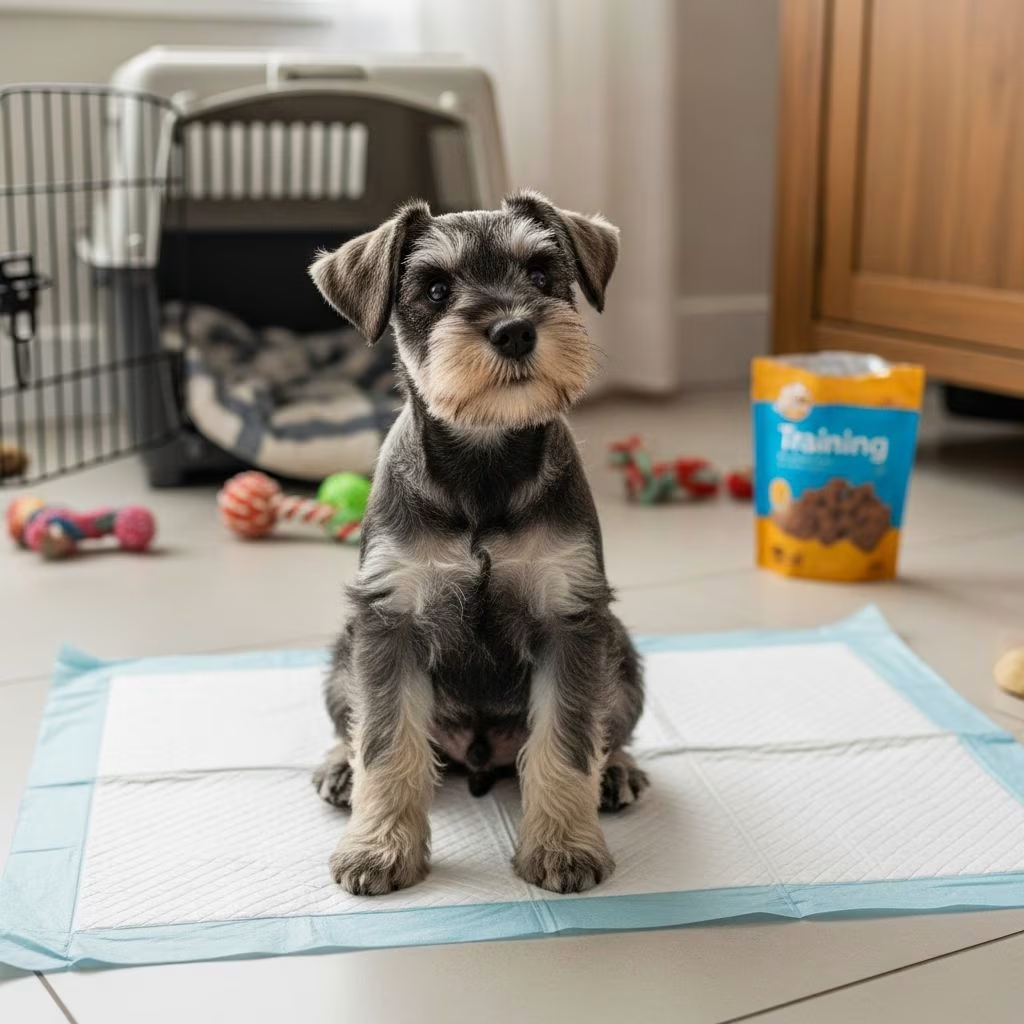
Miniature Schnauzers are intelligent, energetic dogs that respond well to structured training, making potty training achievable with the right approach. Their natural cleanliness and desire to please owners facilitate quicker success when using consistent routines and rewards.
Understanding the Unique Traits of Miniature Schnauzers
These compact breeds, known for their wiry coats and alert expressions, possess sharp minds that allow them to learn commands rapidly. Their eagerness to bond with family members means they thrive on praise, which is essential for reinforcing proper elimination habits. Unlike some stubborn breeds, Miniature Schnauzers rarely soil their sleeping areas instinctively, aiding crate-based methods.
Owners often notice puppies holding their needs longer than expected due to this trait, but young ones under 12 weeks still require frequent supervision to prevent mishaps. Factors like diet quality and exercise levels influence bladder control, so high-quality food supports predictable schedules.
Building a Solid Foundation with Daily Routines
Consistency forms the backbone of successful housebreaking. Establish fixed times for meals, naps, play, and elimination to help your Schnauzer predict and anticipate potty opportunities. Feed puppies three to four times daily at set intervals, removing uneaten food after 15 minutes to regulate digestion.
- Morning wake-up: Immediate outdoor trip followed by breakfast.
- Post-meal waits: 10-20 minutes after eating or drinking for a potty break.
- Every 2-3 hours during the day, plus after naps and vigorous play.
- Evening wind-down: Final outing before bedtime.
This structure minimizes accidents by aligning with the puppy’s natural cycles. Track progress in a journal to adjust as the dog matures, typically seeing full reliability by 6 months.
Harnessing Crate Training for Rapid Results
Crate training leverages a dog’s instinct to keep their den clean, teaching bladder control effectively. Select a crate sized for the adult Miniature Schnauzer—about 24 inches long—allowing standing, turning, and lying down comfortably.
Introduce the crate positively: Place treats inside, praise entry, and gradually extend time with the door closed. For nighttime, position it in your bedroom to reduce whining and provide midnight breaks if needed, always carrying the puppy outside silently.
| Age | Max Crate Time | Potty Breaks Frequency |
|---|---|---|
| 8-12 weeks | 2-3 hours | Every 1-2 hours |
| 3-6 months | 4-6 hours | Every 3-4 hours |
| 6+ months | 6-8 hours | 3-4 times daily |
Use soft bedding and toys to make it inviting. Never use the crate as punishment; it’s a safe haven that speeds housebreaking to weeks rather than months.
Positive Reinforcement: The Power of Rewards
Reward-based training cements good habits instantly. Offer small, high-value treats and enthusiastic verbal praise the moment elimination finishes in the right spot. Pair with a cue like “go potty” during the act to build association.
Avoid punishment for accidents, as it breeds fear and confusion. Instead, interrupt gently with the cue and rush outside. Consistency in rewards motivates these people-pleasing dogs, with many mastering outdoor use in 2-4 weeks.
Choosing and Maintaining Designated Potty Spots
Select a consistent outdoor area, ideally grassy and private, leading your Schnauzer there on a leash each time. For apartment dwellers, indoor alternatives like synthetic turf pads or enclosed litter systems provide reliable options, especially in bad weather.
Clean designated areas regularly to encourage repeated use. If using pads, transition gradually outdoors by moving them closer to the door over time. Enzymatic cleaners are vital for indoor accidents, neutralizing scents that trigger repeats.
Overcoming Common Challenges and Setbacks
Accidents happen, especially during teething or growth spurts. Stay calm, clean thoroughly, and increase supervision—tether the leash to you indoors. Regression might signal medical issues like UTIs, so consult a vet if patterns persist.
Signs of needing to go include sniffing, circling, or whining. Preempt by scooping up and heading out. For stubborn cases, shorten crate intervals or add belly bands to protect furnishings temporarily.
Indoor Solutions for Urban Living
In limited spaces, products mimicking grass with drainage simplify training. These allow frequent access without leashing for every break, ideal for high-rises or rainy climates. Train by placing rewards nearby post-use, fostering independence.
Advanced Techniques for Lifelong Habits
Once basics stick, introduce bells on the door for self-requested outings—touch their paw to ring, then reward outside success. Incorporate mental games like scent trails during walks to tire them mentally, reducing indoor urges.
Adult rescues may need retraining; apply the same patience, combining crates with leashed supervision. Most adapt within a month.
Frequently Asked Questions (FAQs)
How long does potty training take for a Miniature Schnauzer?
Typically 4-6 months for full reliability, though basics emerge in 2-4 weeks with diligence.
What if my puppy has frequent accidents?
Check diet, increase breaks, and rule out health issues with a vet visit.
Can I use puppy pads long-term?
Yes for indoor needs, but phase to outdoors for healthier habits.
Is crate training cruel?
No, when sized properly and used briefly; it mimics natural dens.
What treats work best for rewards?
Small, soft bits like chicken or commercial training treats, given sparingly.
Long-Term Maintenance for a Well-Trained Companion
After success, maintain with morning/evening routines and post-meal checks. Praise sustains habits, preventing backsliding during life changes like moves. Your Schnauzer’s intelligence ensures enduring cleanliness with minimal effort.
Integrate training into bonding: Short sessions build trust, turning necessity into joyful interaction. Celebrate milestones like accident-free weeks with extra play, reinforcing your partnership.
References
- Mastering Potty Training for Your Miniature Schnauzer — Porch Potty. 2023. https://porchpotty.com/blogs/news/mastering-potty-training-for-your-miniature-schnauzer
- How to Potty Train Your Miniature Schnauzer Puppy — iPet Guides (YouTube Transcript). 2023. https://www.youtube.com/watch?v=JjemjPGeGEY
- Housebreaking Guide for Miniature Schnauzers: Tips and Strategies for Success — DogBizness. 2024. https://www.dogbizness.com.au/post/housebreaking-guide-for-miniature-schnauzers-tips-and-strategies-for-success



