

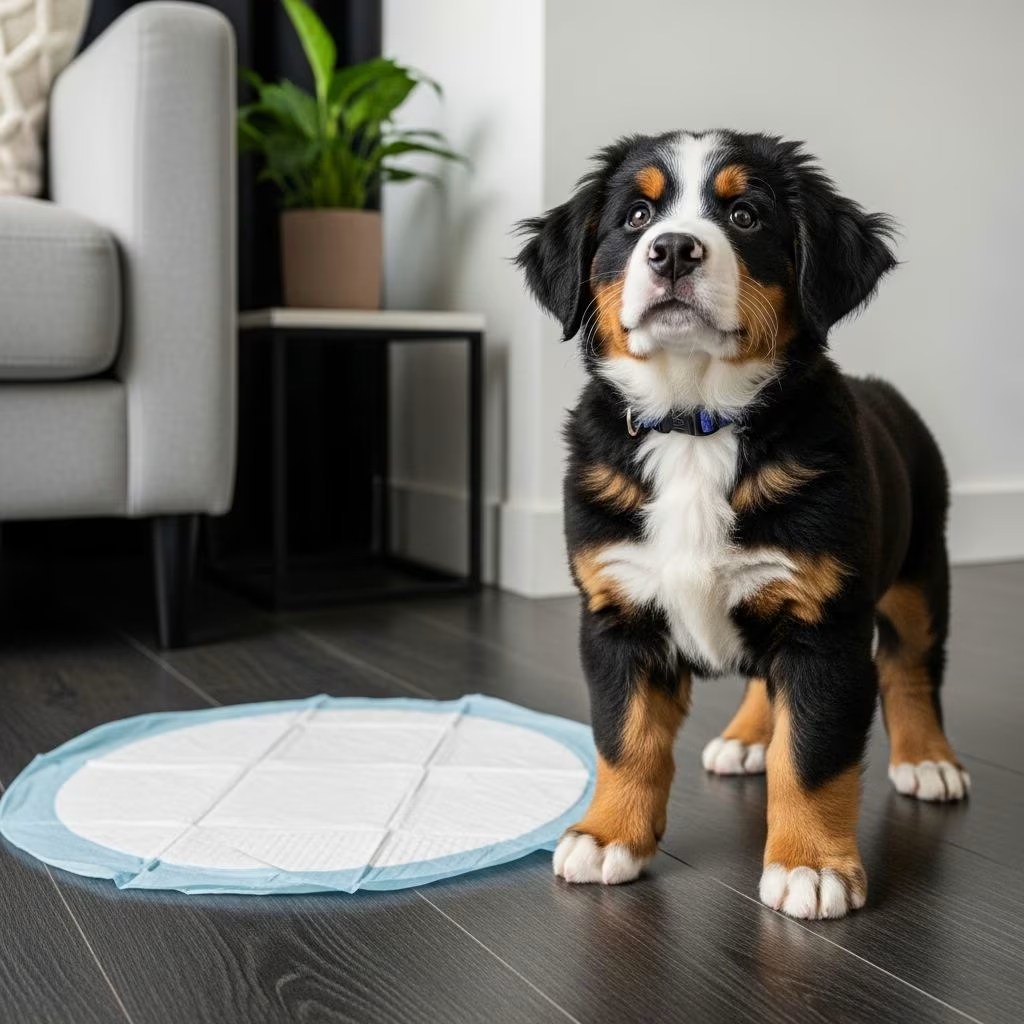
Bernese Mountain Dogs are gentle giants known for their loyalty and impressive size, but their potty training requires a structured approach due to their rapid growth and strong bladders developing over time. Success hinges on starting young, maintaining routines, and using positive methods to build good habits quickly.
Understanding the Unique Needs of Bernese Mountain Dogs
These large breeds grow fast, reaching up to 100 pounds as adults, which impacts their bladder control. Puppies under six months lack full bladder strength, necessitating frequent outings. Their intelligent yet sometimes stubborn nature means consistency prevents confusion and accidents. Factors like age, environment, and owner commitment influence training duration, often spanning a few months with diligent effort.
Essential Preparation Before Starting Training
Gather supplies: a sturdy crate sized for adult growth (about 48 inches long), enzyme cleaner for accidents, high-value treats, and optional potty bells. Designate a consistent outdoor spot with minimal distractions to help your dog associate it with elimination. Supervise constantly indoors to catch signs like sniffing or circling, intervening promptly.
- Crate essentials: Minimal bedding initially to discourage soiling, plus chew toys for comfort.
- Cleaning tools: Enzyme-based sprays break down odors, preventing re-marking.
- Rewards: Small, soft treats delivered instantly for positive association.
Building a Solid Daily Routine
A predictable schedule aligns with natural elimination times. Take your Bernese out first thing in the morning, after meals, naps, play, and every 2 hours for young puppies. For 8-week-olds, limit alone time to 2 hours to avoid accidents, aiming for 14 daily outings including walks. Pick up water 2 hours before bed and set alarms for one nighttime break initially.
| Age | Outings per Day | Max Alone Time | Notes |
|---|---|---|---|
| 8-12 weeks | 12-14 | 2 hours | Frequent due to small bladder. |
| 3-6 months | 8-10 | 4 hours | Bladder strengthening; extend gradually. |
| 6+ months | 4-6 | 6-8 hours | Full control emerging. |
Stick to the same spot outdoors, using a boring, low-distraction area first week to focus attention on the task.
The Power of Crate Training in Housebreaking
Crates leverage dogs’ instinct not to soil sleeping areas. Size appropriately to allow standing and turning, but not excess space. Introduce gradually with positive experiences: meals inside, short stays increasing to hours. Use for naps and nights; puppies hold longer asleep. Avoid pads as they confuse indoor/outdoor rules.
- Feed in crate to build positivity.
- Practice short confinements post-potty success.
- Never use for punishment.
Positive Reinforcement: Rewarding Success
Praise lavishly and treat immediately upon completion outside, saying a cue like “go potty” during the act. This links the behavior to rewards, encouraging repetition without delay, as short-term memory requires instant feedback. Ignore accidents calmly; rub nose in mess or scolding confuses and fears.
Handling Setbacks and Common Challenges
Accidents happen from inconsistency or overlong absences. Clean thoroughly, interrupt gently if caught, then rush outside. For stubborn pups, shorten intervals or add supervision tethers. Adults follow puppy methods but may need medical checks for issues. In apartments, use balcony pads temporarily, transitioning outdoors.
- Regression causes: Stress, diet changes, illness.
- Solution: Revert to basics, increase outings.
Innovative Tools: Potty Bells and More
Hang bells by the door; teach nudging with paw or nose before outings. Guide initially, reward rings followed by potty success. For bad weather, covered areas work; avoid indoor options long-term.
Age-Specific Training Strategies
Puppies (8-12 Weeks)
Begin immediately upon home arrival. Outside every 30-60 minutes, post-events. Socialize concurrently for well-rounded development.
Adolescents (3-6 Months)
Extend holds; test 3-4 hours. Reinforce rules amid teething distractions.
Adults
Establish routine swiftly with rewards. Rule out health via vet.
Nighttime Training Tips
Minimize water evenings, last outing at bedtime. Crate nearby; one mid-night break for young pups, phasing out by 12 weeks. Praise quiet successes.
Apartment and Small Space Solutions
Leash indoors for control. Balcony spots or pads bridge to walks; frequent elevator trips build reliability. Vertical living demands more supervision.
Timeline Expectations and Milestones
Expect reliability in 4-6 months with consistency. Milestones: No nighttime accidents by 12 weeks, daytime holds by 6 months. Track progress; adjust as needed.
Frequently Asked Questions
What age is best to start potty training a Bernese Mountain Dog?
8-12 weeks; early habits stick best.
How long until fully trained?
Months vary by consistency; most succeed in 2-4.
Can I use puppy pads?
Avoid; confuses indoor rules.
What if accidents persist?
Check health, tighten routine.
Best crate size?
48-inch for adults; divider for puppies.
Advanced Tips for Long-Term Success
Integrate with obedience for leadership. Exercise aids control; avoid over-exertion young pups. Monitor growth; larger size means bigger messes, so prevention key.
References
- 7 Secrets to Quickly Potty Training a Bernese Mountain Dog — iHeartDogs. 2023. https://iheartdogs.com/7-secrets-to-quickly-potty-training-a-bernese-mountain-dog/
- Bernese Mountain Dog Potty Training Tips — YouTube (Video Transcript). Accessed 2026. https://www.youtube.com/watch?v=AEJlfov46fE
- How to Train a Bernese Mountain Dog Puppy: Milestone Timeline — American Kennel Club (AKC). 2024-01-15. https://www.akc.org/expert-advice/advice/train-bernese-mountain-dog-puppy-milestone-timeline/
- How To Potty Train Your BERNESE MOUNTAIN DOG — YouTube (Video Transcript). Accessed 2026. https://www.youtube.com/watch?v=ggw6k4xSYKI
- Crate & Potty – The greatest BFF’s — Bernerlandia. 2021-11. https://bernerlandia.com/2021/11/crate-potty-the-greatest-bffs.html
- Potty Training a Bernese Mountain Dog Puppy Guide — The Bernese. Accessed 2026. https://thebernese.org/?p=2049



