
Potty Training Adult Dogs
Master effective strategies to housetrain your adult dog quickly and confidently, turning accidents into successes.
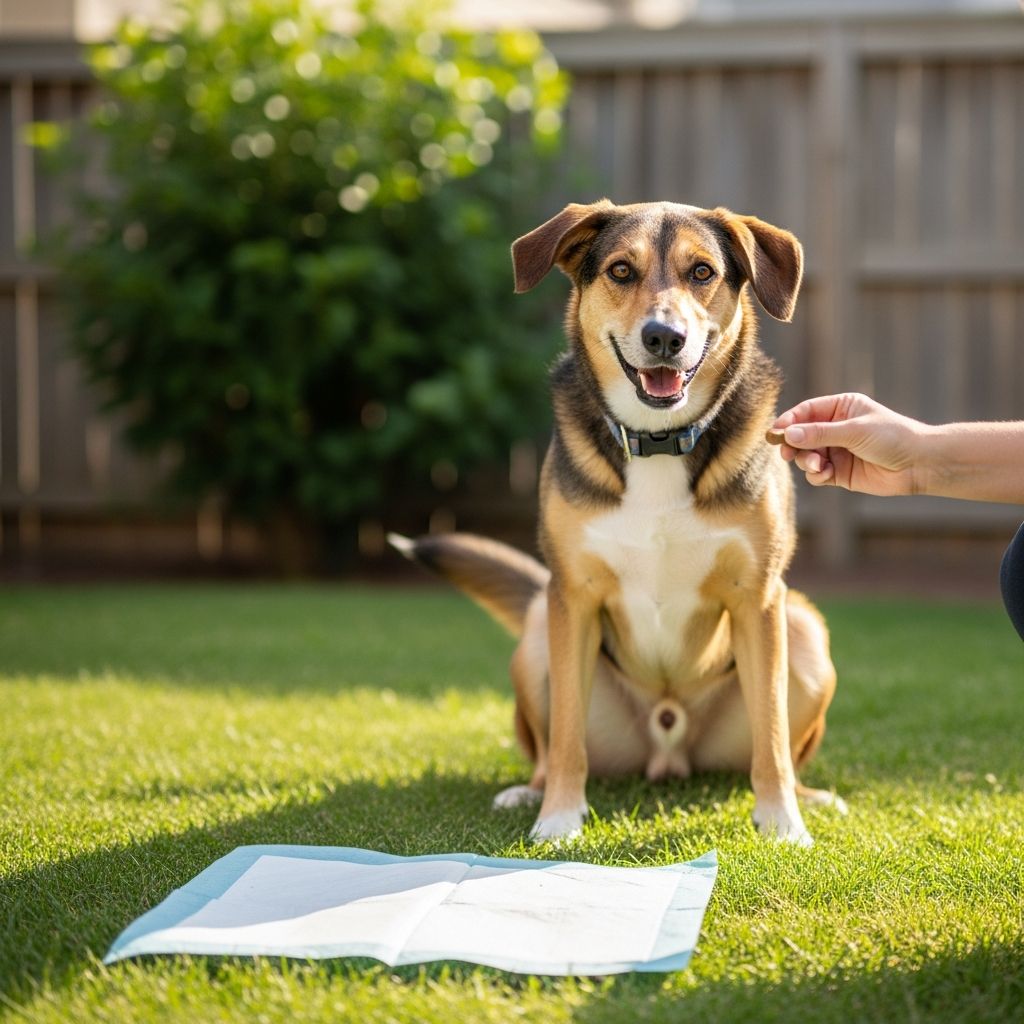
Potty training an adult dog requires patience, consistency, and the right techniques tailored to their needs. Unlike puppies, adults often have established habits, making retraining essential for rescues or dogs with setbacks. Success comes from building predictable routines and positive reinforcement.
Understanding Why Adult Dogs Need Retraining
Adult dogs may forget house manners due to stress, medical issues, or changes like moving homes. Rescue dogs might lack prior training, while seniors could face incontinence. Start by ruling out health problems with a vet visit, as sudden accidents signal urinary infections or other conditions.
Stress from new environments triggers regressions. Small dogs, especially, may mark indoors during transitions. Recognizing these causes prevents punishment, which worsens fear-based hiding.
Building a Solid Daily Routine
A consistent schedule regulates elimination. Feed meals at set times twice daily, picking up bowls after 15 minutes to predict potty needs.
- First thing in the morning upon waking.
- 10-20 minutes after eating or drinking.
- After naps or play sessions.
- Evening before bed.
- Every 1-2 hours during initial training.
Leash your dog for every outing to the same spot. Stay until they go, praising immediately. If no success in 10-15 minutes, crate them briefly and retry. This prevents indoor freedom without elimination.
The Power of Positive Reinforcement
Rewards must follow elimination instantly—within seconds—for association. Use high-value treats like meat or cheese, reserved only for this. Verbal praise like “Good potty!” builds excitement.
Introduce cues: Say “Go potty” as they squat. Over time, the word prompts action, speeding up outdoor relief. Avoid play until after business; otherwise, they learn to delay.
Crate Training for Adult Dogs
Crates leverage dogs’ instinct to avoid soiling their den. Use for unsupervised times, sizing it to allow standing and turning only.
Introduce gradually with treats and toys. Combine with frequent outs: crate post-meal, then potty break. Gradually extend freedom after successes, starting at 10 minutes.
| Freedom Level | Criteria | Duration |
|---|---|---|
| Crated | Unable to supervise | All times initially |
| Tethered | Recent elimination | 10-15 minutes |
| Room access | Consistent outdoors | 30+ minutes |
| Full house | No accidents 2 weeks | Gradual |
This table outlines progression, reducing accidents through supervision.
Cleaning Up Accidents Properly
Enzymatic cleaners like Nature’s Miracle break down urine proteins, eliminating scents that attract repeats. Avoid ammonia-based products mimicking urine.
If caught mid-act, interrupt calmly with a noise, then rush outside. Never punish—fear leads to sneaky elimination. Track incidents in a journal to spot patterns, like post-shower pees.
Handling Special Challenges
Marking and Submissive Urination
Males lift legs indoors under stress. Belly bands absorb until trained, buying time. Females may need diapers short-term. Neuter if not done, reducing marking.
Apartment or Bad Weather Solutions
For limited access, use puppy pads transitioning outdoors, or sod litter boxes on patios. Practice both leashed walks and yard relief for versatility.
Sudden Regressions
New stressors like guests or moves undo progress. Revert to basics: more frequent outs and confinement. Small dogs need retraining per major change.
Tools and Supplies Checklist
- Enzymatic cleaner.
- High-value treats.
- Proper-sized crate.
- Leash for potty walks.
- Belly band or diapers if needed.
- Journal for tracking.
Switch to scheduled meals if free-feeding, aiding prediction.
Common Mistakes to Avoid
- Letting dog out unsupervised—they wander without eliminating.
- Punishing accidents—creates shame.
- Inconsistent timing—confuses signals.
- Low-value rewards—insufficient motivation.
Monitoring Progress and Adjusting
Expect 2-4 weeks for reliability. Journal reveals improvements, like fewer nights outs. If stalled, tighten supervision or consult pros.
FAQs
Can I hire someone for potty training?
Professionals speed results, but consistency from owners cements habits. Ideal for stubborn cases.
What if my dog hates outdoors?
Reward entry post-potty or use another dog as model. High rewards overcome aversion.
How often for fully trained adults?
Reduce to 3-4 times daily: morning, evening, post-meals.
Is crate training cruel for adults?
No, when used briefly with comfort items. It’s a safe den.
Sudden accidents in trained dog?
Vet check first; then restart routine.
Long-Term Maintenance
Once reliable, maintain with morning/evening walks. Praise sustains habits. Adapt for age: seniors need more breaks. Rescue histories vary—assume novice status.
Patience yields a harmonious home. Consistent effort transforms challenges into triumphs.
References
- Housetraining an Adult Dog (Potty Training for the “Stubborn” Dog) — Dog Spring Training. 2023. https://www.dogspringtraining.com/tips/housetraining-adult-dog/
- How to Housetrain an Adult Dog — American Kennel Club (AKC). 2024-01-15. https://www.akc.org/expert-advice/training/how-to-housetrain-an-adult-dog/
- 9 Tips To Housetrain Your Puppy Or Adult Dog — Fear Free Happy Homes. 2023-05-10. https://www.fearfreehappyhomes.com/9-tips-to-housetrain-your-puppy-or-adult-dog/
- Housetraining for Adult Dogs — Wisconsin Humane Society. 2024. https://www.wihumane.org/housetraining-adult-dogs
- Re-Housetraining Your Adult Dog — PAWS. 2023-11-20. https://www.paws.org/resources/re-housetraining-your-adult-dog/
Similar Articles








Read full bio of medha deb




