

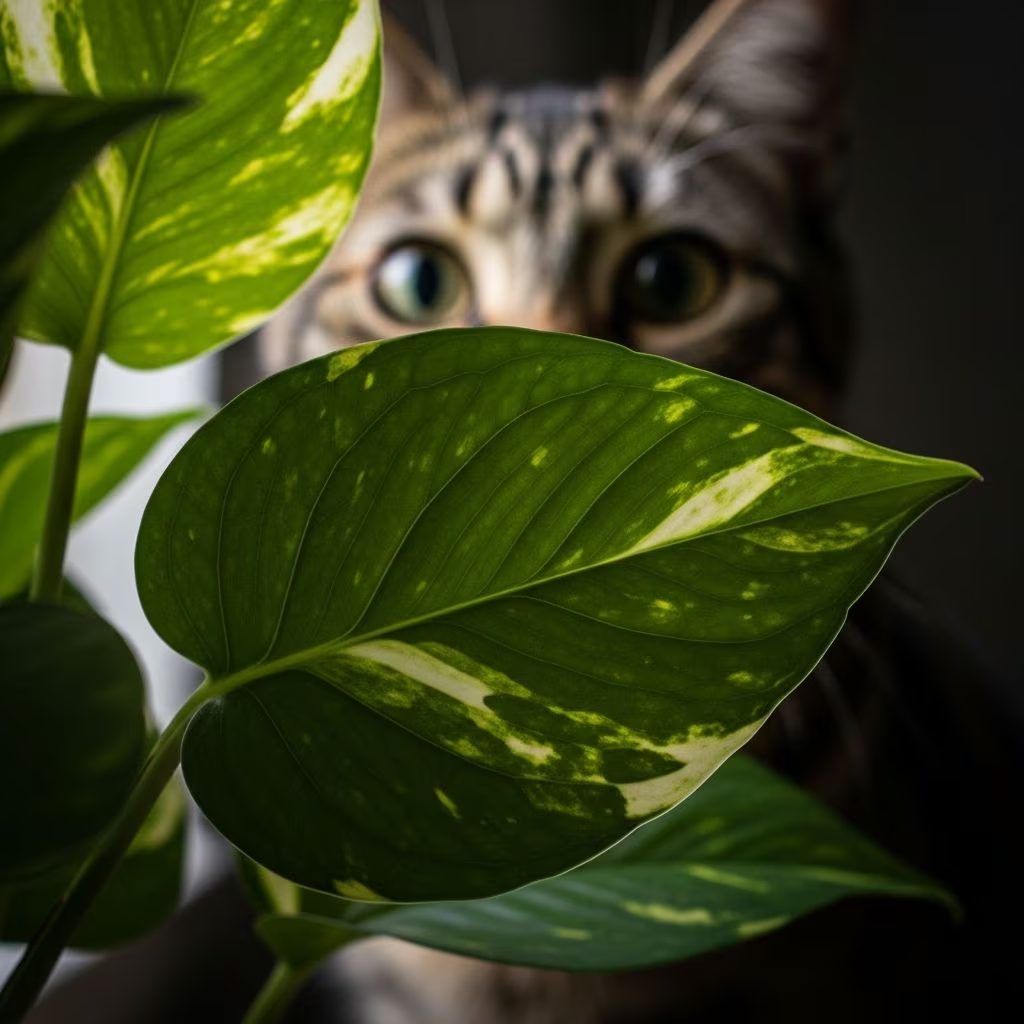
Many cat owners adorn their homes with lush, trailing pothos plants for their beauty and low-maintenance appeal. However, these popular houseplants harbor a hidden threat due to insoluble calcium oxalate crystals that make them toxic to cats. Ingestion leads to immediate discomfort and can escalate to serious health issues if untreated.
The Hidden Dangers in Your Favorite Houseplant
Pothos, scientifically known as Epipremnum aureum, belongs to the Araceae family and goes by names like Devil’s Ivy, Golden Pothos, or Taro Vine. All varieties, including Marble Queen, Neon Pothos, and Pearl Jade, contain needle-like raphides—sharp calcium oxalate crystals—that penetrate soft tissues upon chewing. These crystals release upon damage to leaves or stems, causing mechanical irritation rather than chemical poisoning.ASPCA confirms this toxicity principle.
Cats are particularly vulnerable because of their curious nature and tendency to nibble on greenery. Even small amounts can trigger a cascade of painful reactions, making pothos a top concern among toxic houseplants for pet households.
Recognizing the Signs of Pothos Poisoning
Symptoms manifest rapidly, often within minutes of ingestion, due to the crystals’ direct tissue penetration. Key indicators include:
- Excessive drooling from intense oral pain
- Pawing at the mouth or face
- Vomiting, sometimes with plant fragments
- Difficulty swallowing or gagging
- Swollen tongue, lips, or throat
- Lethargy, loss of appetite, or hiding behavior
In severe cases, complications like dehydration, irregular heartbeat, or airway swelling may occur. While fatalities are rare, vulnerable cats—such as kittens, seniors, or those with pre-existing kidney conditions—face higher risks of renal damage or cardiopulmonary distress.Lively Root details potential kidney buildup.
| Symptom | Onset Time | Severity |
|---|---|---|
| Oral irritation and drooling | Immediate (minutes) | Mild to moderate |
| Vomiting | Minutes to hours | Moderate |
| Difficulty swallowing | Immediate | Moderate |
| Potential kidney issues | 12-48 hours | Severe (rare) |
This table summarizes common symptoms based on veterinary observations, highlighting the urgency for prompt action.
Why Cats Are Attracted to Pothos and How It Affects Them
Felines chew plants for digestive aid, curiosity, or boredom. Pothos’ dangling vines mimic prey, enticing playful cats. Once bitten, crystals embed in the mouth’s mucous membranes, causing burning and inflammation. Swallowing exacerbates gastrointestinal upset, potentially leading to ulcers or obstruction.
Unlike dogs, cats groom extensively, ingesting more plant residue from paws or fur. This repeated exposure amplifies risks. Veterinary sources note that while most recover fully, the pain is acute, often described as glass shards in the mouth.
Immediate Steps If Your Cat Eats Pothos
Act swiftly upon suspicion:
- Remove any plant remnants from your cat’s mouth gently using gloves.
- Rinse the mouth with cool water or milk to dilute crystals—avoid forcing if resistant.
- Prevent further vomiting by withholding food/water briefly.
- Contact your veterinarian or pet poison hotline immediately (e.g., ASPCA at 888-426-4435).
Do not induce vomiting without professional guidance, as it could worsen esophageal damage. Professional care often involves oral rinsing, anti-inflammatories like Benadryl, IV fluids for hydration, and monitoring for complications.Burlington Vets outlines treatment protocols.
Understanding the Science Behind Pothos Toxicity
Calcium oxalate exists in insoluble raphide bundles. When masticated, these bundles explode, propelling needles into tissues. This biomechanical defense evolved to deter herbivores. In cats, it triggers histamine release, swelling, and pain signals via nerve endings.
Research from veterinary pharmacologists confirms symptoms like salivation, vomiting, and depression stem directly from this mechanism. While not systemically absorbed like alkaloids, large ingestions can burden kidneys by crystal accumulation, mimicking stone formation.American College of Veterinary Pharmacists lists effects.
Safe Alternatives: Pet-Friendly Plants for Cat Lovers
Swap pothos for these non-toxic options:
- Spider Plant (Chlorophytum comosum): Air-purifying, grass-like leaves cats adore.
- Catnip (Nepeta cataria): Stimulates playful behavior safely.
- Parlor Palm: Elegant, sturdy fronds resist chewing.
- Boston Fern: Lush and humidity-loving, harmless if nibbled.
- Calathea: Colorful, non-toxic foliage.
Grow cat grass (wheatgrass or oat grass) in pots for a dedicated nibble zone, reducing interest in other plants.
Prevention Strategies for a Cat-Safe Home
Proactive measures minimize risks:
Hang High: Suspend plants from ceilings or high shelves beyond leap range.
Barriers: Use pet gates, netting, or hanging baskets with reinforced hooks.
Repellents: Spray leaves with citrus, neem oil, or bitter apple—reapply weekly.
Distractions: Provide toys, scratching posts, and vertical spaces to curb boredom.
Training: Use positive reinforcement to discourage plant interaction; clicker training works well.
Regularly inspect for fallen leaves, as even debris poses danger. Opt for artificial pothos if aesthetics demand trailing vines.
Debunking Myths About Pothos and Cats
Myth: “Small bites won’t hurt.” Reality: Even tiny amounts cause pain; severity varies by cat sensitivity.
Myth: “Cooking neutralizes toxins.” Reality: Heat doesn’t dissolve insoluble crystals.
Myth: “All plants are equally risky.” Reality: Pothos is moderately toxic; lilies are far deadlier.
Armed with facts, owners can make informed choices.
FAQs: Pothos and Cat Safety
Are all pothos varieties toxic to cats?
Yes, every type—including Golden, Neon, and Marble Queen—contains calcium oxalate crystals harmful to felines.
Can pothos cause long-term damage?
Rarely, but repeated or large exposures risk kidney stones or failure, especially in predisposed cats.
How quickly do symptoms appear?
Typically immediate, within minutes, prompting urgent vet care.
Is pothos toxic to other pets?
Yes, dogs experience similar oral irritation, vomiting, and rare severe effects.
What if my cat seems fine after chewing?
Monitor closely; delayed symptoms like lethargy can emerge. Consult a vet preemptively.
Creating a Greener, Safer Environment
Balancing beauty and safety means selecting wisely. Consult ASPCA’s plant list for ongoing guidance. Educate household members on risks, especially with children who might mishandle plants. By prioritizing prevention, your home remains a haven for both plants and pets.
References
- Is Golden Pothos Toxic to Cats or Dogs? A complete Guide — Lively Root. Accessed 2026. https://www.livelyroot.com/blogs/plant-care/golden-pothos-toxicity
- Golden Pothos Poisoning In Cats — Brant Animal Clinic / Burlington Vets. 2022-04-15. https://burlingtonvets.ca/2022/04/15/golden-pothos-poisoning-in-cats/
- Top 10 Houseplants Poisonous to Cats — Chipman Road Animal Clinic. Accessed 2026. https://www.chipmanroadanimalclinic.com/top-10-houseplants-poisonous-to-cats
- Golden Pothos – Toxic and Non-toxic Plants — ASPCA. Accessed 2026. https://www.aspca.org/pet-care/aspca-poison-control/toxic-and-non-toxic-plants/golden-pothos
- Pothos — American College of Veterinary Pharmacists. Accessed 2026. https://vetmeds.org/pet-poison-control-list/pothos/



