

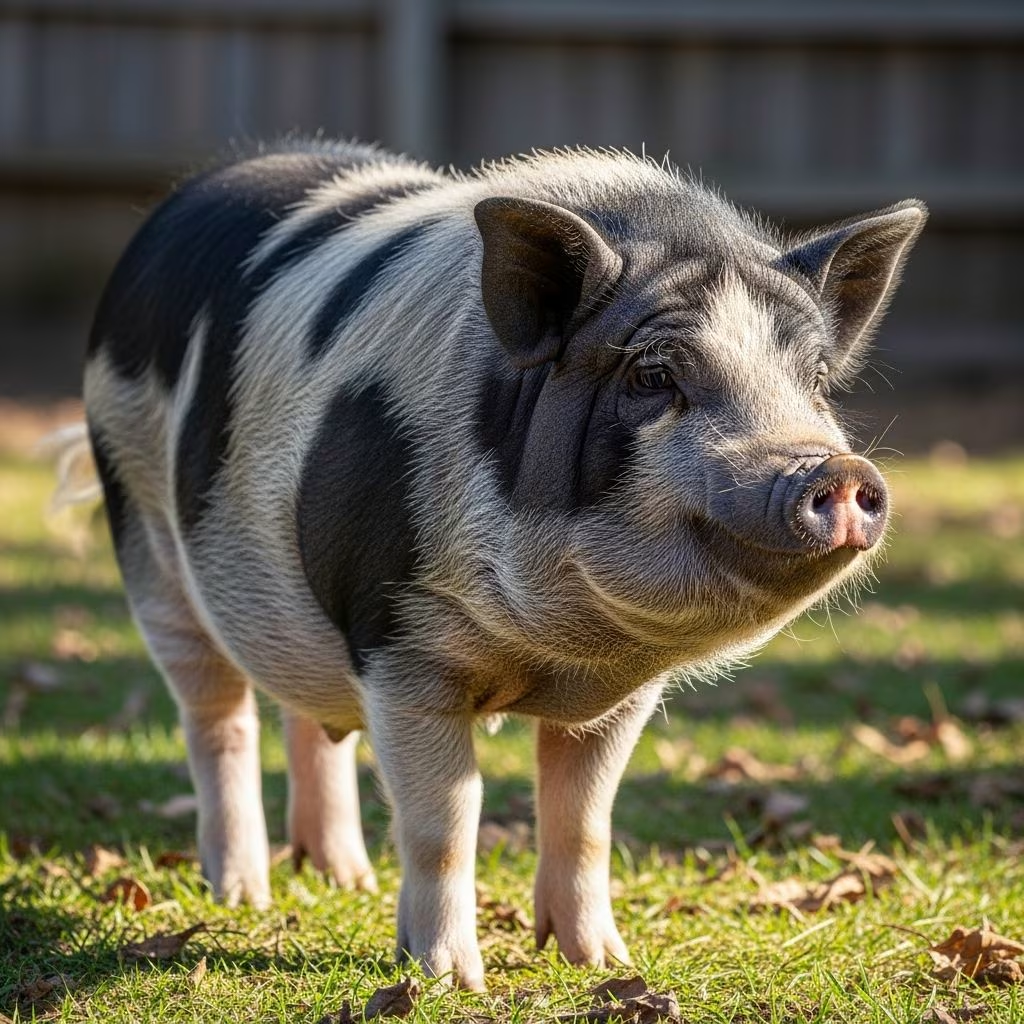
Pet Potbellied Pigs: Behavior and Socialization
Potbellied pigs are intelligent creatures who possess complex thoughts and emotions, distinctive social hierarchies, and intricate herd dynamics. To thrive and remain content, they require the companionship of other beings, particularly other pigs, though they can develop meaningful bonds with humans as well. Understanding their behavioral patterns and socialization needs is crucial for anyone considering a potbellied pig as a pet.
Understanding Pig Intelligence and Emotional Needs
Potbellied pigs rank among the most intelligent domesticated animals, comparable to dogs and even young children in their cognitive abilities. This intelligence comes with significant implications for their care. They require mental stimulation, social interaction, and purposeful engagement to maintain their psychological well-being. Without proper enrichment and companionship, pigs can develop behavioral problems, become depressed, or experience declining health.
Their emotional complexity means that pigs form strong attachments, remember past experiences, and respond to how they are treated. A pig that has experienced neglect or mistreatment may require considerable time and patience to trust humans again. Conversely, pigs that receive consistent, positive interaction become affectionate and loyal companions.
How Do Pigs Interact With Each Other?
Pigs are inherently social animals with deeply ingrained pack instincts. Because they are prey animals in their natural state, pigs need each other to feel safe and secure. Beyond survival, they require each other as companions with whom to play, eat, sleep, and navigate their social structures. This need for companionship is not optional but fundamental to their well-being.
The Importance of Pig Companionship
Pigs should ideally live with other pigs because they provide enrichment, mental stimulation, physical activity, and companionship that other animal species simply cannot replicate. A solitary pig without piggy friends may become bored, depressed, or exhibit undesirable behaviors. Additionally, two pigs can entertain each other and engage in natural pig behaviors like rooting, playing, and establishing social bonds. If you have just one pig, you will need to provide substantially more physical and mental stimulation to keep your pig happy and healthy.
Understanding Herd Dynamics
Pigs establish social hierarchies and dominance structures within their groups. These dynamics are natural and healthy, allowing pigs to understand their position within the social order. However, these same dominance instincts can manifest in their interactions with humans if proper boundaries are not established. Understanding these dynamics is essential for successful pig ownership.
Introducing Two Pigs to Each Other
If you currently have one pig and are considering adopting a second one, it is important to understand that introductions require careful planning and patience. Pig introductions are notoriously challenging and can appear quite dramatic, especially when the pigs have not previously lived with other pigs. The process demands understanding and commitment as the animals adjust to this significant change in their lives.
The Introduction Process
To make the introduction as safe as possible, begin by placing the pigs in side-by-side enclosures for several weeks. This allows them to become accustomed to each other’s presence, scent, and sounds without direct physical contact. During this period, they can observe each other and gradually grow comfortable with the idea of sharing space.
When it is finally time to allow them to meet and greet, select a neutral area for the introduction—a space where neither pig has established territorial claims. This neutral ground reduces the intensity of the dominance-related confrontations that typically occur.
Managing Dominance Displays
Regardless of how many weeks the pigs have spent in neighboring enclosures, they will engage in fighting for dominance when they finally meet. It is crucial to understand that this fighting typically does not result in serious injuries unless tusks are involved. Most encounters involve only superficial wounds that may bleed slightly. In most cases, after several minutes, one pig will concede and walk away in an act of submission, establishing the social hierarchy.
Before permanently housing the pigs together, conduct several meet-and-greet sessions to gradually allow them to become familiar with one another. This staged approach significantly reduces stress and helps establish a more stable relationship before they share permanent living quarters.
Are Pet Pigs Affectionate With People?
Potbellied pigs can be wonderful animal companions for people, as they are affectionate, curious, and trainable creatures. Many pigs demonstrate remarkable affection, climbing into their caregiver’s lap to request belly rubs and engaging in interactive play. Numerous potbellied pigs have successfully learned clicker training and natural horsemanship techniques, showcasing their trainability and eagerness to engage with humans.
However, individual personality and experience significantly influence a pig’s affection toward people. Some potbellied pigs have experienced negative interactions with humans or have suffered neglect. These pigs generally do come around and learn to trust humans, but the timeline can be considerably longer. Patience, consistency, and compassion are essential when working with pigs that have had difficult experiences.
Building Trust With Your Pig
If a pig is pressured into interacting with people before they feel ready, they will retreat emotionally and may develop anxiety or fear around human contact. The caregiver must be understanding, nurturing, and patient while allowing the pig to gather courage and develop trust at their own pace.
Effective trust-building involves spending quality time near your pig without demanding interaction. Sitting or lying on the ground makes you less threatening and more approachable. Many pigs will gradually approach you when they feel they have control over the interaction. Offering treats can facilitate this process—place treats a few feet away from you and slowly move them closer as the pig becomes comfortable. This floor time creates a foundation of trust that allows the pig to feel confident approaching you freely.
Once your pig is comfortable being near you, you can begin gentle physical contact. Pigs do not appreciate being reached over their head as you would pet a dog. Instead, approach slowly with an open palm reaching under the pig’s chin—a gesture that pigs generally find more acceptable and comforting.
Handling and Holding Your Pig
Proper holding technique is crucial for your pig’s comfort and safety. Never grab a pig around the middle with both hands as you might hold a puppy. Instead, use both arms to support the pig’s entire body weight, tucking their legs beneath them as if cradling a newborn baby. This approach provides the security and comfort your pig needs.
Your pig may startle during handling, so hold them securely while using a gentle voice, rocking, swaying, and scratching the chin to comfort them. When the pig settles, you can allow them to relax in your lap. If the pig struggles excessively and resists comfort, release them and try again at a later time. Forcing contact only undermines trust and creates negative associations with handling.
The more holding and bonding time you provide, the faster your pig will learn to trust and bond with you. Holding them on your chest or lap while watching television, or including them during nap time, helps them become comfortable falling asleep on you, grow familiar with your scent, heartbeat, and breathing patterns.
Understanding Pig Communication
Pigs are highly vocal animals with a complex communication system. They grunt, squeal, snort, and use various other vocalizations to express their emotions and needs. Communicating with your pig through talking, grunting, and responding to their sounds creates a shared language. Your pig will often mimic your grunts, and over time, both of you will quickly learn what each other’s sounds, tones, and words mean.
Pigs genuinely love to communicate, and praise is a crucial component of successful socialization and training. Positive reinforcement through verbal praise, treats, and physical affection encourages desired behaviors and strengthens your bond with your pig.
How Do Pigs Show Dominance?
Behavioral issues in pet pigs often stem from dominance displays, where pigs “challenge” people or other animals. These challenges may manifest as nipping, lunging, head swiping, or forcefully nudging for attention. These behaviors are typically dominance games that pigs would naturally play with each other in a herd setting.
Managing Dominance Behaviors
The most effective approach to addressing dominance behavior is to use a stick to set clear boundaries and defend your personal space—your “bubble.” When a pig attempts to come through your bubble, they encounter an obstacle, the stick you hold in your hand. If they stop and respect your boundary, reward them immediately with a pet and scratch from the stick.
Rather than disciplining the pig through stomping your feet, saying “No!” emphatically, or clapping your hands every time they become pushy, establish your boundaries proactively with your stick. Use it casually and unemotionally to demonstrate that you have a personal space. This approach conveys that your boundary is not personal punishment but simply a neutral statement of where your body begins and ends.
Introducing Pigs to Other Pets
When introducing your pig to other household pets, proceed slowly and carefully observe body language throughout the interaction. A dog should be leashed or positioned behind a baby gate during initial introductions to ensure safety for both animals.
Pigs are social animals that thrive around other animals and genuinely benefit from animal companionship. Pets play an important role in a pig’s overall well-being and happiness. However, before ever leaving your pig unsupervised with other pets, ensure that you trust the interaction and are confident that all animals will remain safe together.
Enrichment and Mental Stimulation
Beyond social interaction, potbellied pigs require ongoing mental and physical stimulation through enrichment activities. Provide a variety of toys and activities designed to challenge their intelligent minds. Puzzle feeders and rooting boxes are excellent additions to their environment that encourage natural rooting behaviors and provide mental engagement.
Basic training using positive reinforcement techniques is beneficial for both pig and owner. Teaching simple commands and tricks provides mental stimulation, strengthens your bond, and can help ensure your pig’s safety in various situations.
Special Considerations for Pigs With Previous Trauma
Some potbellied pigs arrive in homes with a history of mistreatment or neglect. These pigs may initially exhibit fear, anxiety, or defensive behaviors. With patience, consistency, and compassionate care, most pigs overcome their traumatic experiences and develop trust in their new caregivers. However, the timeline for recovery varies considerably depending on the extent and nature of their previous experiences.
Working with traumatized pigs requires an understanding that their behaviors are responses to their experiences, not character flaws. Allowing these pigs to progress at their own pace and celebrate small victories in trust-building creates the foundation for a fulfilling relationship.
Frequently Asked Questions
Q: Can a single potbellied pig live a happy life without other pig companions?
A: While a single pig can survive alone, they thrive much better with other pig companions. A pig without piggy friends can become bored, depressed, or exhibit behavioral problems. If you must have a single pig, you will need to provide significantly more enrichment, mental stimulation, and personal interaction to support their well-being.
Q: How long does it typically take for a pig to trust a new person?
A: The timeline varies considerably based on the individual pig’s personality and previous experiences. Some pigs are naturally social and trusting from the start, while others may require weeks or even months to develop trust. Patience, consistent positive interaction, and respect for the pig’s boundaries are essential.
Q: What should I do if my pig displays dominance behaviors toward me?
A: Use a stick to establish and maintain clear personal boundaries. When your pig attempts to push into your space, the stick creates a barrier. Reward boundary-respecting behavior with praise and petting. This approach is much more effective than punishment-based discipline.
Q: Is it safe to hold a potbellied pig?
A: Yes, with proper technique. Support your pig’s entire body weight with both arms, cradling them like a newborn baby with legs tucked underneath. Never grab around the middle. Ensure your pig is comfortable before holding, and never force contact if the pig resists.
Q: How should I introduce my new pig to my existing pets?
A: Introduce slowly and carefully, keeping larger animals like dogs leashed or behind a baby gate initially. Observe body language closely and never leave them unsupervised until you are confident they will interact safely together.
References
- Pet Potbellied Pigs: Behavior and Socialization — Best Friends Animal Society. https://bestfriends.org/pet-care-resources/pet-potbellied-pigs-behavior-and-socialization
- Socializing Mini Pigs — American Mini Pig Association. https://americanminipigassociation.com/owners/helpful-owner-articles/socializing-mini-pigs/
- Enrichment and Socialization — Yorba Linda Pet Care Center. https://yorbalindapetcarecenter.com/keeping-your-pet-pot-bellied-pig-healthy/
- Keeping Your Potbelly Pig Happy with Enrichment — Lollypop Farm. https://www.lollypop.org/blog/keeping-your-potbelly-pig-happy-with-enrichment/
- 10 Things To Know About Having a Potbellied Pig — PetMD. https://www.petmd.com/exotic/things-to-know-about-having-a-potbellied-pig



