

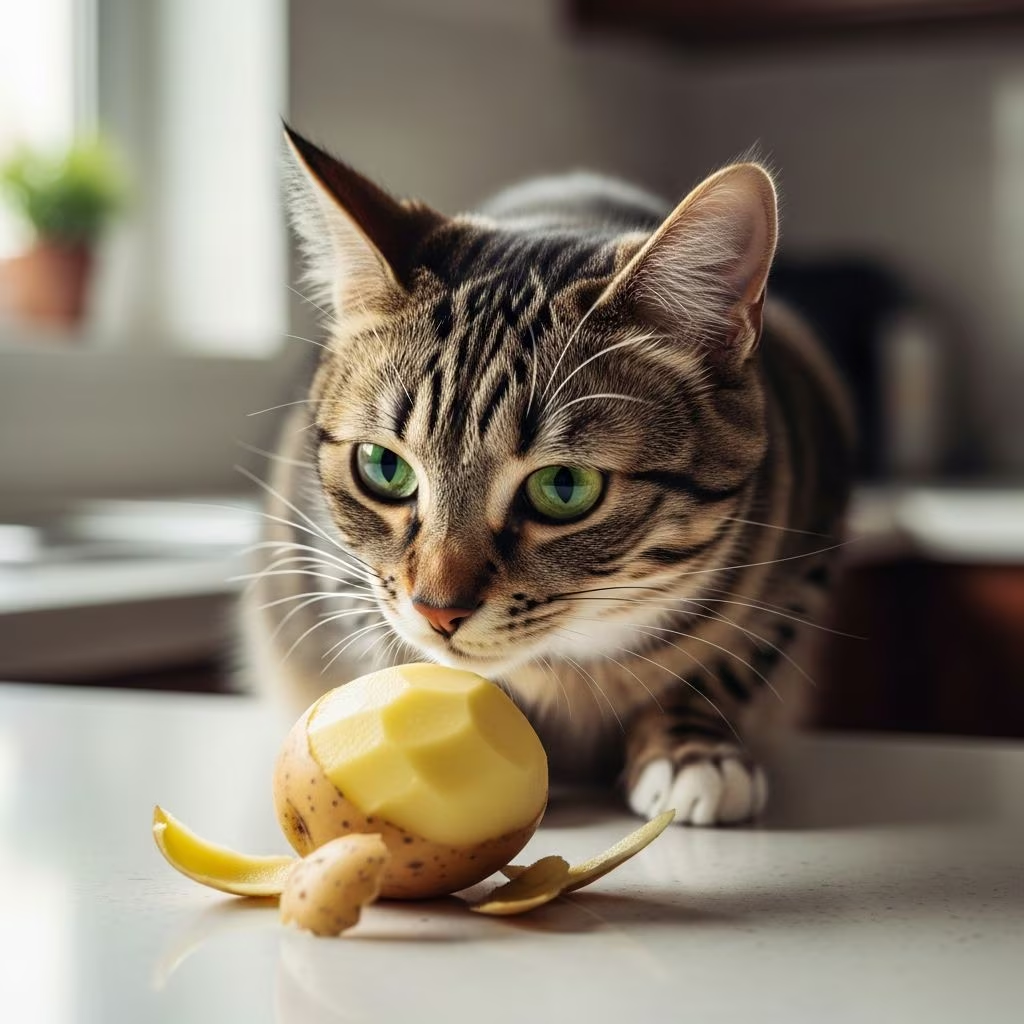
Cats can consume small amounts of plain, cooked potatoes occasionally, but they offer little nutritional value and pose risks if improperly prepared. As obligate carnivores, felines thrive on meat-based diets rather than starchy vegetables like potatoes.
Understanding Feline Dietary Needs
Cats evolved as hunters, relying on high-protein, moderate-fat foods with minimal carbohydrates. Their digestive systems efficiently process animal tissues but struggle with plant starches, leading to potential issues like obesity or digestive upset from carb-heavy foods.
- Obligate carnivores require over 50% protein in dry matter for muscle maintenance and energy.
- Fats up to 20% support skin health and energy reserves.
- Carbohydrates should stay below 3% to avoid metabolic strain.
Potatoes, rich in starch for humans, provide empty calories for cats—energy without essential amino acids like taurine, vital for heart and eye function.
The Dangers of Raw Potatoes and Plant Parts
Raw potatoes contain solanine, a glycoalkaloid toxin concentrated in skins, green areas, and sprouts. This compound disrupts cell membranes, causing gastrointestinal distress, lethargy, and in severe cases, neurological symptoms in cats.
| Potato Part | Safety for Cats | Risks |
|---|---|---|
| Raw Flesh | Unsafe | Solanine poisoning: vomiting, diarrhea, weakness |
| Skins/Peels | Unsafe | High solanine; poor digestibility |
| Green Spots/Sprouts | Toxic | Concentrated toxin; contact vet immediately |
| Leaves/Stems | Toxic | Solanine; drooling, slow heart rate |
| Cooked Flesh (Plain) | Small Amounts OK | Monitor for upset; limit to ½-inch cube |
If ingestion occurs, watch for symptoms like vomiting or lethargy and consult a veterinarian promptly. Prevention involves securing countertops and trash bins.
Safe Preparation Methods for Occasional Treats
For minimal risk, prepare potatoes by washing thoroughly, peeling completely, boiling or baking until soft without oils, salts, or seasonings, then offering tiny portions.
- Wash to remove surface contaminants.
- Peel to eliminate solanine-rich skin.
- Cook plainly: boil, bake, or roast fat-free.
- Cool and cube into pea-sized pieces.
- Limit to once or twice weekly, max 10% of daily calories.
Monitor for 48 hours post-feeding; discontinue if diarrhea or refusal occurs. Most cats show disinterest anyway due to weak carb metabolism.
Mashed, Baked, and Fried Varieties: What to Avoid
Plain mashed potatoes (no dairy, butter, or salt) are tolerable in specks but risk lactose intolerance or sodium overload.
- Baked: Inner flesh safe if peeled; avoid crispy skins.
- Fried/Chips: Oils and salts cause pancreatitis or hypertension.
- Seasoned: Garlic, onions, chives amplify toxicity via hemolytic anemia.
Human portions dwarf cat needs—a fingertip-sized bit suffices as a rare diversion.
Sweet Potatoes: A Better Alternative?
Sweet potatoes lack solanine, making them non-toxic raw or cooked. They offer beta-carotene and fiber beneficial for humans, but for cats, they’re still carb-dominant with scant protein.
Cooked plain and mashed finely, small amounts aid mild digestion without solanine worry. However, excess prompts bloating or weight gain. Commercial foods may include them balanced, but toppers add unnecessary carbs.
Potato vs. Sweet Potato for Cats
| Aspect | Regular Potato | Sweet Potato |
|---|---|---|
| Toxin | Solanine (raw/skin) | None |
| Carb Content | High starch | High starch/sugars |
| Prep Needed | Cooked, peeled | Cooked plain |
| Benefits | Minimal (potassium) | Vitamin A precursor |
| Risks | Digestion upset, toxicity | GI issues if overfed |
Nutritional Breakdown and Why Cats Don’t Need Them
Potatoes supply potassium, B vitamins, and magnesium—trace elements cats source better from meat. Fiber in skins aids human bowels but ferments poorly in short feline guts, risking gas.
Over-reliance on veggies displaces vital nutrients, fostering deficiencies. Balanced commercial foods meet AAFCO standards without potatoes as staples.
Health Risks of Frequent Potato Feeding
Beyond toxicity, carbs convert to fat stores, heightening diabetes, arthritis, and hepatic lipidosis risks in overweight cats. Digestive woes include chronic diarrhea from starch overload.
- Obesity: Carbs spike insulin, promoting fat accumulation.
- Diabetes: Poor glucose handling mimics type 2 patterns.
- GI Distress: Bloating, constipation from indigestible fiber.
Senior or diabetic cats face amplified dangers; stick to vet-approved diets.
Healthier Treat Alternatives for Your Cat
Opt for meat-centric options mimicking natural prey:
- Freeze-dried chicken or fish (95% protein).
- Cooked plain meats: turkey, beef (no bones/seeds).
- Commercial treats under 10 calories each.
- Veggie slivers: pumpkin, carrots (cooked, minimal).
These satisfy curiosity while bolstering nutrition. Puzzle feeders enhance engagement without calories.
Common Signs of Potato-Related Issues
Post-potato vigilance prevents escalation:
- Vomiting or regurgitation.
- Diarrhea persisting >24 hours.
- Lethargy or appetite loss.
- Abdominal tenderness.
- Tremors (solanine overdose).
Dehydration worsens outcomes; offer water and seek vet care for multiples.
FAQs
Are potatoes toxic to cats?
Raw potatoes and skins are due to solanine; plain cooked flesh is not, in moderation.
Can kittens eat potatoes?
No—growing bodies need pure protein; carbs hinder development.
What if my cat ate potato chips?
High salt/fat risks poisoning; monitor and vet if symptomatic.
Do potatoes cause allergies in cats?
Rare; symptoms mimic intolerance—itchiness, upset stomach.
Can potatoes be in cat food?
Yes, as fillers in grain-free formulas, but prioritize meat-first recipes.
Expert Tips for Feline Feeding Success
Consult vets for personalized advice, especially multi-pet homes. Transition foods gradually to avert refusal. Hydration via fountains counters carb dryness.
Maintain 2-3% body weight daily intake, split meals. Weigh monthly to preempt issues.
References
- Can Cats Eat Potatoes? A Guide to Safety — Purina US. 2023-05-15. https://www.purina.com/articles/cat/feeding/can-cats-eat/potatoes
- Can Cats Eat Potatoes? — PetMD. 2024-08-20. https://www.petmd.com/cat/nutrition/can-cats-eat-potatoes
- Can cats eat potatoes? Here’s what you need to know! — Untamed. 2024-03-10. https://untamed.com/blogs/nutrition/can-cats-eat-potatoes
- Can Cats Eat Potatoes? Human Food for Cats — Kinship. 2023-11-05. https://www.kinship.com/cat-nutrition/can-cats-eat-potatoes
- Is potato toxic to my cat? — Ziggy Family. 2024-01-12. https://ziggyfamily.com/en/blogs/cats/is-potato-toxic-to-my-cat



