

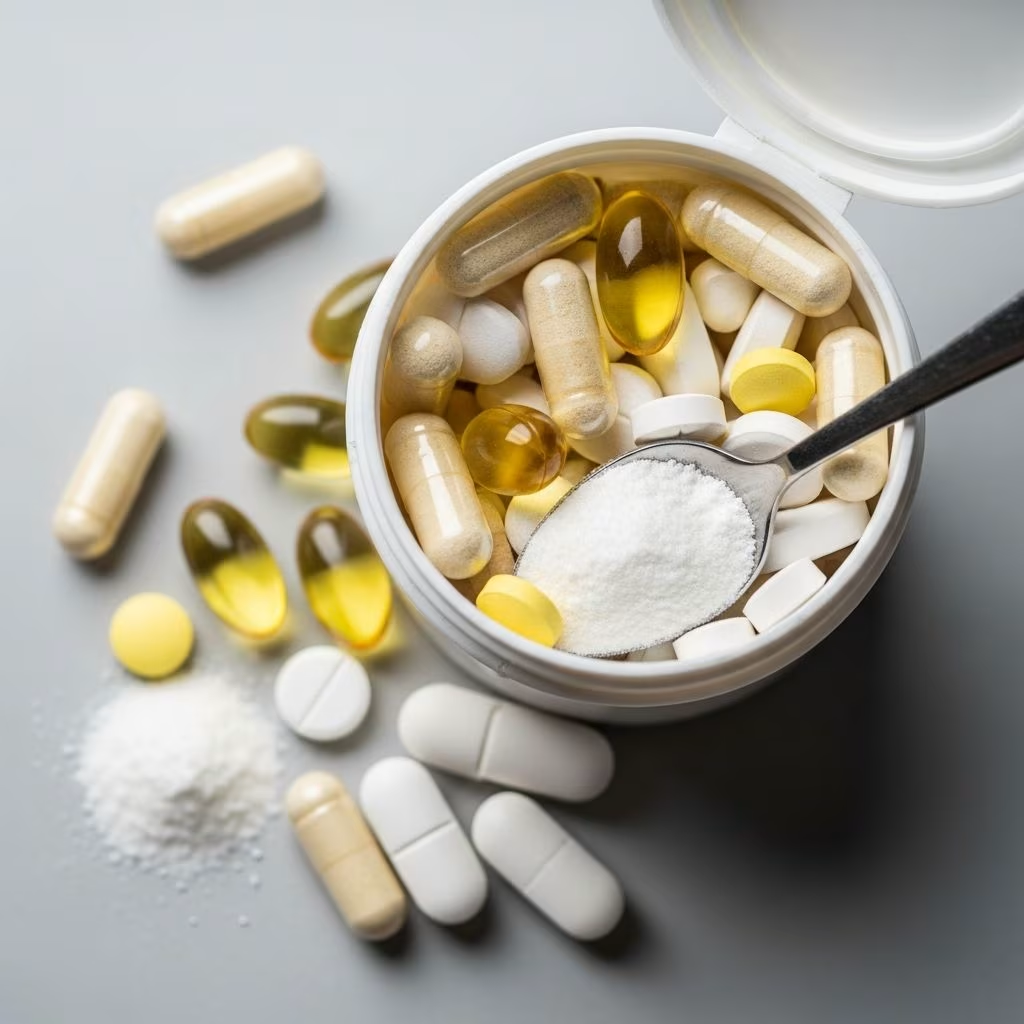
Oral potassium supplements play a vital role in maintaining electrolyte balance, supporting heart function, and preventing deficiencies that can lead to serious health issues. These supplements, available in forms like potassium chloride and citrate, help replenish low levels when diet alone falls short.
Why Potassium Matters for Your Body
Potassium is an essential mineral that regulates fluid balance, nerve signals, and muscle contractions, including the heartbeat. Low levels, known as hypokalemia, contribute to high blood pressure, muscle weakness, fatigue, irregular heart rhythms, type 2 diabetes risks, chronic kidney disease, kidney stones, and premenstrual syndrome.
Diets rich in potassium from foods like bananas, spinach, and potatoes reduce heart disease risk by 13% and stroke risk by up to 20%, though supplement benefits require further study.
Common Forms of Oral Potassium Supplements
Potassium supplements come in various types to suit different needs:
- Potassium Chloride: Primary choice for treating hypokalemia; available as tablets, capsules, or liquids.
- Potassium Citrate: Used for kidney stone prevention and renal tubular acidosis.
- Potassium Bicarbonate or Gluconate: Gentler on the stomach, often for mild supplementation.
Extended-release formulations minimize gastrointestinal irritation by releasing the mineral slowly.
Key Benefits of Potassium Supplementation
When prescribed for deficiency, potassium supplements restore balance and alleviate symptoms. Here’s a breakdown:
| Benefit | Description | Supporting Evidence |
|---|---|---|
| Manages Hypokalemia | Replenishes low potassium to prevent muscle weakness and heart issues. | |
| Supports Heart Health | May lower blood pressure and reduce cardiovascular risks. | |
| Prevents Kidney Stones | Potassium citrate alkalinizes urine, reducing stone formation. | |
| Aids Muscle Function | Prevents cramps, fatigue, and weakness from electrolyte imbalance. |
Supplements add about 87 mg daily on average for users, but food sources remain ideal.
Safe Dosage Recommendations
Adults can safely take up to 100 mEq (3900 mg) daily by mouth, but always follow medical advice. Doses vary:
- Hypokalemia treatment: 40-100 mEq/day, split doses.
- Prevention: 20-40 mEq/day.
- Children: Diet-appropriate amounts; supplements only under supervision.
Take with food and water to reduce stomach upset. High-dose tablets (>99 mg) carry warnings for potential small-bowel lesions.
Potential Side Effects and How to Manage Them
Most people tolerate potassium well, but side effects include:
- Nausea, vomiting, diarrhea, gas, stomach upset.
- Tingling lips (early overdose sign).
- Osmotic diarrhea from excess.
Rarely, high doses cause muscle weakness. Chronic high intake (e.g., 15,600 mg for days) elevates blood levels without symptoms in healthy people, but risks exceed kidney capacity.
Manage by starting low, taking with meals, and stopping if tingling occurs.
Risks of Hyperkalemia: Too Much Potassium
Hyperkalemia (high blood potassium) disrupts heart rhythms, causes weakness, and risks renal failure. Symptoms: palpitations, chest pain, shortness of breath, nausea.
Overdose is rare orally (needs ~8g single dose), but monitor if at risk.
Who Should Avoid or Use Caution
Not for everyone. Avoid if:
- Chronic kidney disease, diabetes, heart failure.
- GI motility disorders (buildup risk).
- Adrenal issues, dehydration, uncontrolled diabetes, peptic ulcers.
Pregnant/breastfeeding: Safe at dietary levels. Children: Dietary amounts only.
Drug Interactions to Watch For
Potassium raises risks with:
| Medication Type | Risk |
|---|---|
| ACE Inhibitors | Hyperkalemia from reduced excretion. |
| Potassium-Sparing Diuretics (e.g., spironolactone) | Excess retention. |
| NSAIDs | Kidney strain. |
Consult doctors before combining.
Best Food Sources Before Supplements
Prioritize diet: avocados, sweet potatoes, yogurt, salmon, beans. Aim for 4700 mg/day. Supplements bridge gaps, not replace foods.
When to See a Doctor
Seek care for deficiency symptoms or hyperkalemia signs. Routine blood tests guide use. Never self-medicate high-risk conditions.
Frequently Asked Questions (FAQs)
Is daily potassium supplementation safe?
Likely safe up to 3900 mg for most, but consult a professional, especially with meds.
Can potassium supplements lower blood pressure?
Food sources show benefits; supplements’ effects unclear but promising.
What if I overdose on supplements?
Rare orally; watch for tingling, stop intake, seek help for severe symptoms.
Are supplements safe during pregnancy?
Yes, at dietary levels; higher doses need doctor approval.
How do I choose the right supplement?
Based on need (chloride for hypokalemia, citrate for stones); get personalized advice.
References
- Is it safe to take potassium supplements daily? — Krampade. 2023. https://krampade.com/is-it-safe-to-take-potassium-supplements-daily/
- Potassium: Uses, Side Effects, and More — WebMD. 2024. https://www.webmd.com/vitamins/ai/ingredientmono-851/potassium
- Potassium Supplements: Benefits and Types — GoodRx. 2024. https://www.goodrx.com/well-being/supplements-herbs/potassium-supplement-tablets
- Potassium chloride: Uses, benefits, side effects and more — Medical News Today. 2023. https://www.medicalnewstoday.com/articles/potassium-chloride
- Potassium – Health Professional Fact Sheet — NIH Office of Dietary Supplements. 2024-07-15. https://ods.od.nih.gov/factsheets/Potassium-HealthProfessional/
- Potassium citrate (oral route) – Side effects & dosage — Mayo Clinic. 2024. https://www.mayoclinic.org/drugs-supplements/potassium-citrate-oral-route/description/drg-20074773



