

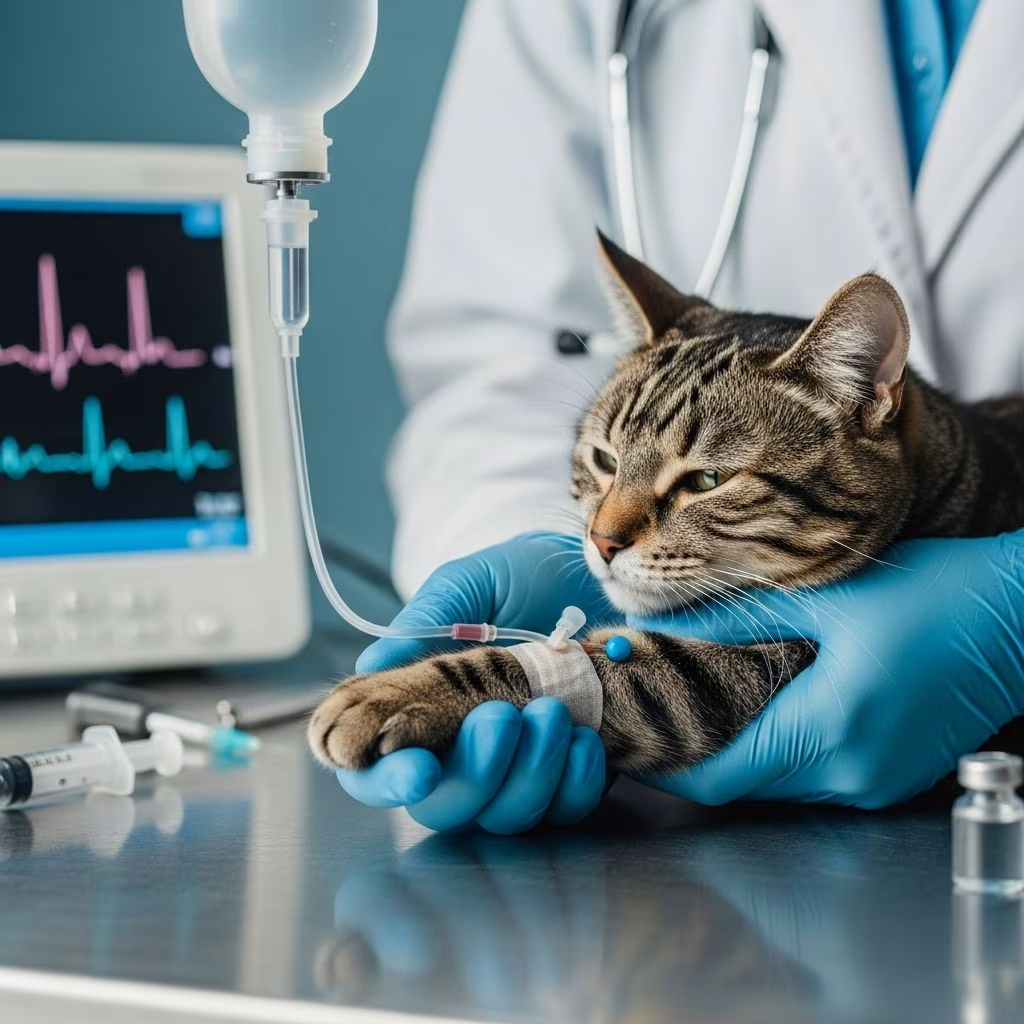
Potassium is a critical mineral that maintains proper function across your cat’s nervous system, muscles, and heart. When potassium levels deviate significantly from normal ranges, serious health complications can develop rapidly. This guide explores how potassium imbalances occur in cats, the warning signs to watch for, and what treatment options are available to restore your pet’s health.
The Role of Potassium in Feline Physiology
Potassium functions as an essential electrolyte that facilitates electrical signaling throughout your cat’s body. The majority of potassium—approximately 95% of the body’s total supply—resides within cells rather than in the bloodstream. Skeletal muscle tissue alone stores between 60 and 75% of intracellular potassium, making muscle function particularly sensitive to potassium imbalances.
The movement of potassium between cellular compartments and the bloodstream is tightly controlled by the kidneys and a cellular pump mechanism called the sodium-potassium ATPase. This pump maintains the electrical gradient necessary for nerve transmission, muscle contraction, and cardiac rhythm regulation. When potassium concentrations deviate from their narrow normal range, the resting electrical potential of cells becomes disrupted, leading to widespread physiological dysfunction.
Excessively High Potassium: Hyperkalemia in Cats
What Causes Elevated Potassium Levels
Hyperkalemia—defined as abnormally elevated blood potassium—typically results from the kidneys’ inability to excrete potassium at a normal rate. Unlike potassium deficiency, which may develop through various mechanisms, excess potassium primarily accumulates when the urinary excretion pathway becomes compromised.
The most frequent cause of hyperkalemia in cats is urinary tract obstruction, a condition in which blockage prevents normal urine flow and creates a backup of electrolytes into the bloodstream. Rupture of the urinary bladder represents another serious mechanism, as it allows urine containing potassium to leak into the abdominal cavity rather than being excreted. In some cases, severe kidney dysfunction that reduces the kidneys’ filtering capacity can also trigger dangerous potassium accumulation. Additionally, cats with certain endocrine disorders affecting the adrenal glands may develop hyperkalemia.
The timeline for potassium elevation can be surprisingly rapid. In cats with urethral obstruction, dangerous hyperkalemia may develop within 48 hours of the blockage’s onset, making urgent veterinary intervention essential.
Clinical Presentation and Danger Signs
When hyperkalemia becomes severe, it produces dramatic and life-threatening symptoms. Affected cats typically display generalized muscle weakness that progresses to depression and lethargy. The most alarming manifestation is the development of cardiac arrhythmias—irregular heartbeats that can degenerate into fatal rhythms if not corrected promptly.
Cats experiencing severe hyperkalemia require immediate emergency veterinary care. If your cat shows signs of inability to urinate, straining in the litter box without producing urine, or sudden onset of profound weakness combined with behavioral changes, contact your veterinarian without delay. These symptoms suggest a medical emergency that demands rapid diagnosis and treatment.
Abnormally Low Potassium: Hypokalemia in Cats
Understanding the Causes of Potassium Deficiency
Hypokalemia develops through multiple pathways, making it more complex than hyperkalemia. Cats can lose potassium through the gastrointestinal tract, lose it excessively through urine, fail to consume adequate amounts, or experience a shift of potassium into cells that disrupts blood concentrations.
Gastrointestinal losses represent a significant mechanism, particularly when vomiting removes stomach contents and their potassium content. Cats with ongoing digestive disturbances may gradually deplete their potassium stores.
Urinary losses constitute another major cause. Cats with chronic kidney disease are particularly vulnerable to excessive urinary potassium wasting. Additionally, cats recovering from urinary tract obstruction may experience postobstructive diuresis—a period of excessive urine production that follows relief of the blockage and can result in substantial potassium loss. Certain medications, including loop and thiazide diuretics, increase urinary potassium losses by altering kidney tubule function.
Renal tubular dysfunction such as distal renal tubular acidosis can impair the kidney’s normal potassium conservation mechanisms, leading to inappropriate losses. Cats fed diets containing urinary acidifiers with marginal potassium content have developed hypokalemic nephropathy—a kidney disease accompanied by potassium depletion.
Metabolic alkalosis contributes to hypokalemia by promoting the shift of potassium into cells in exchange for hydrogen ions. This mechanism explains why severe vomiting (which produces alkalosis) compounds potassium losses.
Inadequate potassium intake alone rarely causes hypokalemia in otherwise healthy cats, but chronically ill animals with prolonged anorexia, muscle wasting, and ongoing urinary losses may develop clinically significant deficiency.
Genetic Hypokalemia in Burmese Cats
A hereditary muscle disorder affecting Burmese cats involves an autosomal recessive genetic mutation that causes hypokalemic myopathy. Affected cats experience recurrent episodes of limb weakness and neck ventroflexion accompanied by elevated muscle enzymes and low serum potassium. All cat breeds can develop feline hypokalemic polymyopathy—a muscular condition characterized by generalized weakness related to low potassium—though Burmese cats inherit a specific genetic form.
Symptoms of Potassium Deficiency
The severity of symptoms correlates directly with the degree of potassium depletion. Mild hypokalemia (blood potassium levels between 3.0 and 3.5 mmol/L) often produces no noticeable signs, although total body potassium stores may be significantly reduced.
As potassium levels drop below 2.5 to 3.0 mEq/L, muscle weakness becomes apparent. Cats typically display rear limb weakness and, characteristically in felines, weakness of neck muscles causing ventroflexion—a downward bending of the head and neck. Severely affected cats may become recumbent and unable to rise.
Cardiac complications can develop because hypokalemia increases the automaticity of heart cells and delays the electrical recovery phase of the heartbeat. Cats may develop ventricular arrhythmias that cause irregular heart function and potentially life-threatening rhythm disturbances.
Additional symptoms include increased urination and drinking (polyuria and polydipsia) with diminished ability to concentrate urine, reflecting kidney dysfunction accompanying the potassium imbalance.
Prolonged, severe hypokalemia can result in myopathy—muscle damage and disease—that becomes extremely difficult to treat even after potassium levels are restored. This underscores the importance of recognizing and correcting hypokalemia promptly.
Diagnostic Approaches
Veterinarians confirm potassium imbalances through blood tests measuring serum or plasma potassium concentration. However, interpreting these results requires understanding that blood potassium levels may not fully reflect total body potassium stores. In hypokalemia, a low blood potassium level usually indicates whole body depletion, unless the cat has concurrent high blood glucose that has shifted potassium into cells.
Hyperkalemia presents a different interpretive challenge. Many cats with elevated blood potassium actually have whole body potassium depletion but simultaneously have acidemia (high blood acid), which pushes potassium out of cells into the bloodstream.
Cats suspected of hyperkalemia due to urinary obstruction require imaging to confirm blockage. Additionally, cardiac monitoring through electrocardiography may reveal rhythm abnormalities characteristic of potassium imbalance.
Treatment Strategies for Hyperkalemia
Management of hyperkalemia focuses on correcting the underlying defect in potassium excretion. For cats with urinary obstruction, urgent relief of the blockage through catheterization or, in resistant cases, surgical intervention, allows normal potassium excretion to resume.
Cats with ruptured bladders require emergency surgical repair to prevent continued urine leakage and potassium accumulation into body tissues. For cats with kidney failure or adrenal dysfunction, specific treatments targeting the underlying disease help restore potassium balance.
In life-threatening situations with severe cardiac arrhythmias, emergency medications may be administered intravenously to temporarily shift potassium into cells and stabilize the heart until the underlying cause can be addressed.
Management Approaches for Hypokalemia
Oral Supplementation
Potassium gluconate is the preferred oral supplement for cats with hypokalemia. For cats with hypokalemic nephropathy, initial dosing typically ranges from 5 to 8 mEq daily divided into two or three doses. Once potassium levels normalize and symptoms resolve, maintenance doses can often be reduced to 2 to 4 mEq daily.
Oral supplementation works best when the underlying cause of potassium loss is corrected simultaneously. Treating vomiting, adjusting medications that promote urinary potassium loss, changing to diets with adequate potassium content, and managing chronic kidney disease all contribute to restoration of normal potassium balance.
Intravenous Therapy
Severely affected cats may require intravenous potassium supplementation in a hospital setting. Careful administration of potassium-containing fluids must be monitored continuously to avoid overcorrection, which itself is dangerous. Fluids without glucose are preferred when possible, as glucose and insulin promote cellular uptake of potassium and could paradoxically worsen blood potassium levels if administered too rapidly.
Treatment of Underlying Conditions
For cats with chronic kidney disease experiencing hypokalemia, management includes dietary adjustments to ensure adequate potassium, treatment of other kidney-related complications, and monitoring of potassium levels throughout the disease course.
Cats recovering from urinary obstruction relief require monitoring during the postobstructive diuresis phase, as substantial potassium losses during this period may necessitate supplementation.
Cats receiving diuretic medications need their potassium levels monitored regularly, with supplementation provided if levels decline. In some cases, switching to alternative medications with less potassium-wasting effects may be appropriate.
Severity Classification and When to Seek Care
Understanding the severity spectrum of potassium imbalances helps pet owners recognize urgency levels:
- Mild hypokalemia (3.0 to 3.5 mmol/L): Often asymptomatic but may warrant monitoring and dietary attention
- Moderate hypokalemia (2.5 to 3.0 mmol/L): Requires prompt veterinary evaluation and supplementation
- Severe hypokalemia (<2.5 mmol/L): Medical emergency demanding immediate veterinary intervention
- Any hyperkalemia: Requires urgent veterinary assessment, particularly if caused by urinary obstruction
Prevention Considerations
While some causes of potassium imbalance cannot be prevented, cat owners can take steps to reduce risk. Ensuring cats have diets adequate in potassium content supports long-term electrolyte balance. For cats with chronic kidney disease, regular veterinary monitoring allows early detection of hypokalemia before severe symptoms develop.
Prompt recognition and treatment of vomiting, diarrhea, and urinary issues prevents the cascade of potassium losses that can develop from these conditions. Regular veterinary check-ups become increasingly important for cats with metabolic disorders or those receiving medications that affect potassium balance.
Frequently Asked Questions
Can diet alone cause potassium imbalance in cats?
Diet alone is unlikely to cause hypokalemia in healthy cats, but cats fed acidifying diets with marginal potassium content may develop deficiency over time, particularly if they have concurrent kidney disease or other conditions promoting urinary potassium loss.
How quickly can hyperkalemia develop in cats with urinary blockage?
Dangerous hyperkalemia can develop within 48 hours of urethral obstruction in cats, making this a true emergency requiring immediate veterinary attention.
Is potassium supplementation safe for long-term use?
When prescribed and monitored by a veterinarian, potassium supplementation is safe for long-term use in cats with chronic hypokalemia. Regular blood testing ensures supplementation maintains appropriate levels without causing overcorrection.
Can indoor cats develop urinary obstruction that causes hyperkalemia?
Yes, urinary obstruction can affect both indoor and outdoor cats, though certain male cats may be at higher risk. Any cat showing signs of difficulty urinating requires emergency evaluation regardless of lifestyle.
What makes Burmese cats different regarding potassium metabolism?
Burmese cats can inherit an autosomal recessive genetic mutation causing hypokalemic myopathy, a muscle disorder linked to low potassium that affects multiple family members within breeding lines.
Long-Term Prognosis and Follow-Up Care
Cats with corrected potassium imbalances typically recover well, particularly when the underlying cause is identified and treated. However, cats developing hypokalemic myopathy from prolonged deficiency may experience persistent muscle weakness even after potassium normalization.
Long-term management depends on the underlying condition. Cats with chronic kidney disease require ongoing monitoring and supplementation. Cats recovering from urinary obstruction need careful observation during the postobstructive period. Cats with inherited potassium disorders may require lifetime management but can maintain good quality of life with appropriate care.
Regular veterinary check-ups, periodic blood potassium level assessment, and prompt attention to any symptoms suggestive of electrolyte imbalance help ensure your cat maintains optimal health and prevents serious complications.
References
- Disorders of Potassium Metabolism in Cats — Merck Veterinary Manual. https://www.merckvetmanual.com/cat-owners/metabolic-disorders-of-cats/disorders-of-potassium-metabolism-in-cats
- Disorders of Potassium (Proceedings) — DVM360. https://www.dvm360.com/view/disorders-potassium-proceedings
- Evaluation and Management of the Hypokalemic Patient — Today’s Veterinary Practice. https://todaysveterinarypractice.com/internal-medicine/evaluation-and-management-of-the-hypokalemic-patient/
- Overview of Disorders of Potassium Metabolism in Animals — Merck Veterinary Manual. https://www.merckvetmanual.com/metabolic-disorders/disorders-of-potassium-metabolism/overview-of-disorders-of-potassium-metabolism-in-animals
- Clinical Disorders of Potassium Homeostasis: Hyperkalemia and Hypokalemia — PubMed/NCBI. https://pubmed.ncbi.nlm.nih.gov/9597714/



