

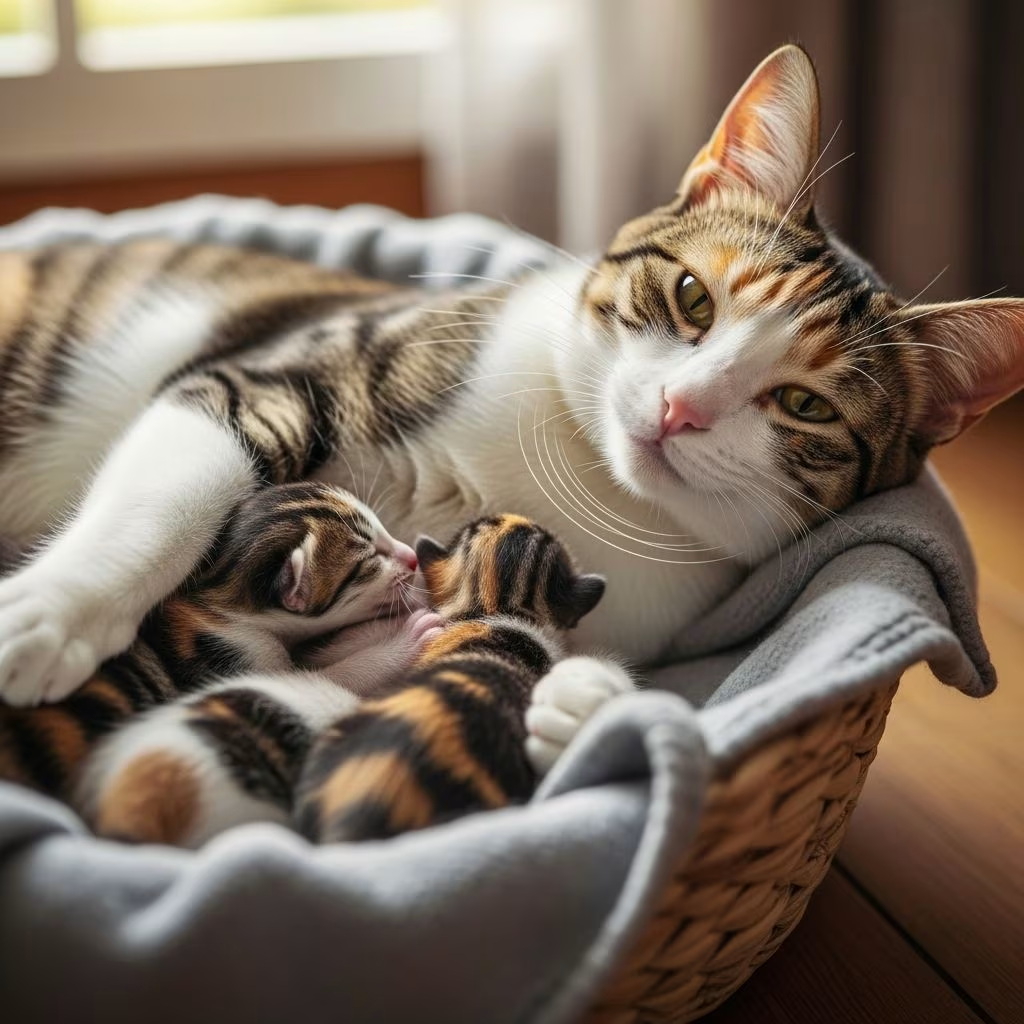
When a mother cat gives birth to her litter, she enters a transformative period filled with dramatic physiological and behavioral changes. One of the most commonly observed and puzzling behaviors new cat parents witness during this time is the intense purring that follows delivery. While many assume purring always indicates happiness and contentment, the reality of postpartum feline behavior is considerably more nuanced. Understanding what drives this vocalization can help cat owners provide appropriate care and recognize when their feline companion needs professional intervention.
The Physiology Behind Feline Purring
Before examining postpartum purring specifically, it’s essential to understand how cats produce this distinctive sound. Purring originates in a cat’s brain, where a specialized neural oscillator sends repetitive signals to the larynx muscles. These muscles contract and release at a rapid frequency, typically between 25 and 150 vibrations per second. This rapid muscular activity causes the vocal cords to separate during both inhalation and exhalation, generating the characteristic rumbling vibration that cat owners recognize and cherish.
The biological mechanism behind purring is remarkably consistent across feline species. Even non-domestic cats, including cheetahs, produce similar vocalizations through comparable physiological processes. However, the triggers for purring vary significantly based on the cat’s emotional state, physical condition, and life circumstances. In the postpartum period, multiple factors converge to stimulate this behavior in mother cats.
Multifaceted Reasons for Postpartum Purring
Self-Soothing and Pain Management
Giving birth represents one of the most physically demanding experiences in a female cat’s life. The process involves intense muscular contractions, potential tissue trauma, and significant hormonal shifts. During labor and immediately following delivery, cats experience varying degrees of discomfort and stress. Purring serves as a natural self-soothing mechanism during this challenging period.
The act of purring triggers the release of endorphins, the body’s natural pain-relieving chemicals. When a mother cat purrs after giving birth, she is essentially initiating her own pain management system. This biological response helps her cope with postpartum discomfort while simultaneously preparing her body for the demands of nursing. The self-soothing aspect of purring represents an evolved survival mechanism that enables female cats to recover from birth while remaining attentive to their vulnerable newborns.
Contentment and Maternal Bonding
Beyond the physiological pain-management functions, postpartum purring frequently signals genuine contentment and satisfaction with her new kittens. A mother cat that has successfully delivered a healthy litter experiences a profound sense of accomplishment and emotional fulfillment. Her purring during this period communicates her emotional state to her offspring and reinforces the maternal bond.
Kittens begin purring themselves at just two days of age, humming to communicate with their mother that they are safe and content. When a mother cat hears her kittens’ purring responses, it reinforces her own purring behavior through a positive feedback loop. This reciprocal vocalization pattern strengthens the critical emotional connection between mother and offspring during the vulnerable early weeks of life.
Communication with Newborn Kittens
Mother cats employ purring as a primary communication tool with their newborn litter. The vibrations produced by purring travel through the cat’s body and create vibrations in surrounding surfaces, including the nest where kittens rest. These vibrations serve multiple communicative functions:
- Signaling the mother’s presence and proximity to her kittens
- Providing reassurance and comfort to vulnerable newborns
- Establishing a consistent auditory landmark that helps kittens navigate toward warmth and food sources
- Creating a soothing acoustic environment that facilitates kitten development and bonding
The intensified purring observed in postpartum mother cats represents an amplified version of this communication strategy. By purring more loudly and frequently than usual, the mother cat ensures her kittens receive maximum benefit from this critical vocal signal.
Stimulation of Milk Production
One of the most fascinating aspects of maternal cat purring involves its role in lactation. Milk production in postpartum cats is controlled by a cascade of hormones triggered by multiple sensory inputs. Research indicates that the vibrations and sound frequencies produced by purring actually stimulate hormonal responses that enhance milk production. This represents a remarkable example of how behavioral and physiological systems interact to support maternal function.
When a mother cat purrs while nursing her kittens, she is not only providing comfort and bonding; she is also actively facilitating the lactation process through the mechanical and acoustic properties of her purr. This biological mechanism explains why kittens often respond to their mother’s purring by nursing more effectively and consuming adequate nutrition.
Distinguishing Normal Postpartum Purring from Concerning Behaviors
While postpartum purring is typically benign and beneficial, certain patterns warrant closer observation and potential veterinary evaluation. Understanding the distinction between normal maternal behavior and signs of distress is crucial for responsible cat ownership.
Normal Postpartum Purring Characteristics
Mother cats exhibiting healthy postpartum purring typically display these characteristics:
- Rhythmic, consistent purring that increases during nursing sessions
- Alert responsiveness to kitten vocalizations and movements
- Continued grooming of herself and her kittens
- Regular consumption of food and water
- Appropriate body temperature maintenance between 101.0 and 102.5 degrees Fahrenheit
- Normal milk production with consistent color and odor
These indicators suggest that the mother cat is recovering well from birth and bonding appropriately with her litter.
Warning Signs Requiring Veterinary Attention
Certain postpartum behaviors and physical symptoms indicate potential health complications that demand professional evaluation:
| Warning Sign | Potential Concern | Recommended Action |
|---|---|---|
| Excessive crying or vocalization | Pain, distress, or maternal anxiety | Contact veterinarian immediately |
| Excessive or bloody discharge | Uterine rupture or infection | Seek emergency veterinary care |
| Refusal to eat or drink | Illness, infection, or depression | Schedule veterinary appointment |
| Temperature above 102.5°F | Infection or fever | Consult veterinarian promptly |
| Decreased or altered milk production | Mastitis or systemic illness | Seek veterinary evaluation |
| Neglect of kittens or poor grooming | Maternal exhaustion or illness | Contact veterinarian |
| Extreme lethargy or unresponsiveness | Serious postpartum complication | Seek emergency care |
Excessive and loud purring, when accompanied by other behavioral changes or physical symptoms, can sometimes indicate underlying health issues. The key distinction lies in whether the purring occurs in isolation or alongside other concerning signs.
The Role of Hormonal Fluctuations
The postpartum period triggers dramatic hormonal changes in female cats, comparable to the postpartum hormonal shifts experienced by human mothers. These hormonal fluctuations can significantly influence behavioral patterns, including the frequency and intensity of purring. A mother cat experiencing normal hormonal adjustment may exhibit increased purring without any underlying health concern.
These hormonal changes serve essential biological functions, facilitating milk production, stimulating maternal instincts, and promoting bonding behaviors. Understanding that increased purring often reflects these normal hormonal processes can help cat owners avoid unnecessary anxiety about their pet’s postpartum behavior. However, hormonal changes should never be used as an excuse to ignore other warning signs of complications.
Individual Variation in Maternal Purring
Just as human mothers display different postpartum behaviors and emotional responses, individual cats exhibit remarkable variation in their purring patterns after giving birth. Some mother cats purr intensely and frequently throughout the postpartum recovery period, while others purr more sparingly. Neither pattern indicates abnormal behavior; rather, both reflect normal individual differences in feline personality and temperament.
Factors influencing individual purring frequency include the cat’s age, prior birthing experience, litter size, kitten health status, and the cat’s baseline personality. First-time mothers may purr differently than experienced mothers. Cats with large litters may demonstrate different purring patterns than cats with single kittens. Recognizing these individual variations prevents misinterpretation of normal behavioral diversity as cause for concern.
Nursing and Sustained Purring Behavior
As the postpartum period extends into the nursing phase, purring continues to play a vital role in maternal function. Mother cats frequently purr during nursing sessions, a behavior that serves multiple simultaneous functions. The purring provides comfort to nursing kittens, stimulates milk flow through hormonal mechanisms, and reinforces the bond between mother and offspring.
The intensity of nursing-related purring often reaches its peak during the first few weeks postpartum, when kittens feed most frequently. As kittens mature and gradually transition toward solid food, the frequency and intensity of maternal purring often decreases correspondingly. This natural decline in purring frequency reflects the changing nutritional and emotional needs of developing kittens.
Frequently Asked Questions
Is excessive purring after birth always normal?
Moderate to frequent purring is typically normal postpartum behavior. However, excessive purring accompanied by other symptoms—such as lethargy, refusal to eat, or behavioral changes—warrants veterinary evaluation to rule out complications like infection or hormonal imbalances.
Can postpartum purring indicate pain or illness?
While purring primarily serves self-soothing and bonding functions, cats may also purr when experiencing discomfort or illness. The context matters significantly; isolated purring is usually benign, but purring combined with crying, restlessness, or refusal to care for kittens may signal problems requiring professional assessment.
Should I be concerned if my cat stops purring after birth?
Some mother cats purr minimally or not at all during the postpartum period, and this variation falls within normal behavioral range. As long as the mother cat demonstrates other signs of health and appropriate maternal behavior, minimal purring does not constitute cause for concern.
How long should postpartum purring continue?
Postpartum purring typically remains most intense during the first few weeks following birth and nursing initiation. As kittens develop and gradually reduce nursing frequency, maternal purring frequency generally decreases. Most cats return to baseline purring patterns within 4-6 weeks postpartum, though individual variation exists.
When should I contact a veterinarian about postpartum purring?
Contact your veterinarian if postpartum purring occurs alongside fever, refusal to eat or drink, excessive discharge, behavioral changes, signs of pain, or neglect of kittens. Trust your instincts; when in doubt, professional veterinary guidance provides valuable reassurance and appropriate intervention when needed.
Supporting Your Postpartum Cat
Beyond understanding the meaning behind postpartum purring, cat owners can implement practical strategies to support their recovering mother cat. Providing a quiet, comfortable nesting area minimizes stress and allows the mother to focus on recovery and kitten care. Ensuring access to fresh water and high-quality nutrition supports milk production and maternal health. Regular but unobtrusive monitoring of the mother cat’s behavior, appetite, grooming habits, and milk production enables early detection of potential problems.
Minimizing unnecessary handling of the mother cat and her kittens during the immediate postpartum period respects the mother’s need for recovery while allowing her to bond with her offspring. Veterinary check-ups at appropriate intervals provide professional assessment of maternal and kitten health, offering peace of mind and early intervention capabilities if complications develop.
Conclusion
Postpartum purring in mother cats represents a complex behavioral and physiological phenomenon serving multiple interconnected functions. From pain management and self-soothing to kitten communication and milk production stimulation, the purring of a recovering mother cat reflects her body’s remarkable adaptation to the demands of reproduction and nurturing. While normal postpartum purring requires no intervention, attentiveness to warning signs ensures that complications receive prompt professional attention. By understanding the multifaceted reasons behind maternal purring and recognizing the distinction between normal behavior and concerning symptoms, cat owners can provide informed, compassionate care during this critical period in their cat’s life.
References
- Why Do Cats Purr After Giving Birth? Should I Worry? — Hepper. 2024. https://articles.hepper.com/why-do-cats-purr-after-giving-birth/
- Why is my cat purring so much after her kittens were born? — Dial A Vet. 2024. https://www.dialavet.com/vet-answers/cat-purring-after-kittens-51654
- The Purrplexities of Purring — 4 Pets’ Sake Pet Care. 2024. https://4petssakepetcare.com/blog/the-purrplexities-of-purring/
- Why Is My Kitten Purring So Much? — Lemonade Pet. 2024. https://www.lemonade.com/pet/explained/why-is-my-kitten-purring-so-much/



