

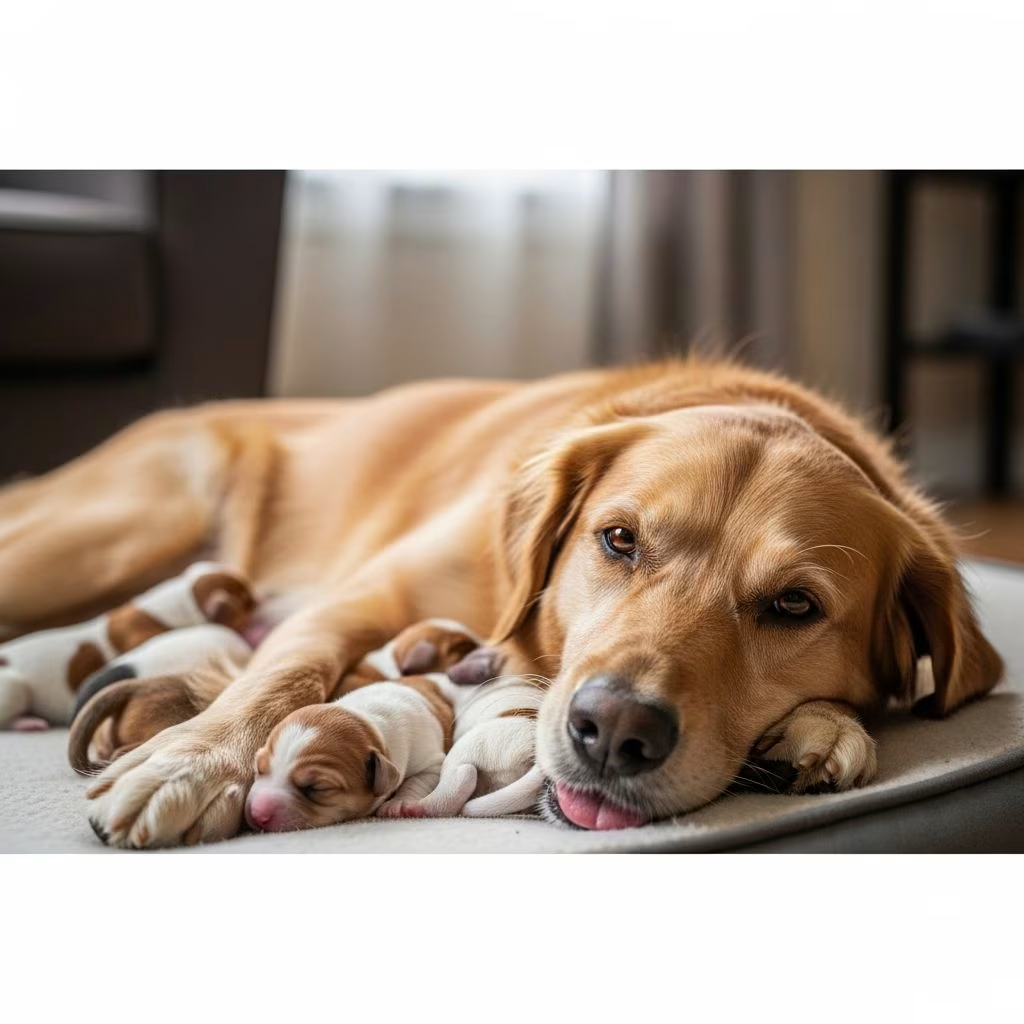
Heavy breathing or panting is common in dogs immediately after giving birth, often due to the physical exertion of labor and hormonal shifts. While mild panting typically resolves as the mother recovers, persistent or intense episodes can indicate complications like low calcium levels or infections, requiring prompt veterinary attention.
Understanding Normal Breathing Patterns Post-Whelping
During whelping, dogs undergo significant stress, leading to elevated respiration rates. Panting helps regulate body temperature and dissipate heat built up from contractions. In the hours following delivery, this is a standard recovery mechanism, alongside fatigue and nesting behaviors.
- Temporary exhaustion: Labor can last several hours, causing muscle fatigue and rapid breathing that eases within 24 hours.
- Hormonal fluctuations: Prolactin surge for milk production and oxytocin release post-birth contribute to panting.
- Temperature regulation: Nursing generates body heat, prompting open-mouth breathing to cool down.
Monitor for gradual improvement; energy levels should rise, and panting diminish as the dam bonds with her litter.
When Panting Signals a Problem: Key Red Flags
Not all postpartum panting is benign. Accompanying symptoms like restlessness, tremors, or disorientation point to underlying issues. Distinguishing normal from abnormal early prevents escalation.
| Symptom | Normal Duration | Concerning Signs |
|---|---|---|
| Panting | 24-48 hours post-birth | Persistent beyond 48 hours, with whining or pacing |
| Discharge | 2-3 weeks, darkening | Foul odor, green tint, or swelling |
| Appetite | Recovers in 24 hours | Refusal to eat for over a day |
| Milk Production | Steady after 12 hours | Swollen, hot teats or puppies crying from hunger |
Owners should track these daily, noting any deviations from expected patterns.
Milk Fever (Eclampsia): The Primary Panting Culprit
**Milk fever**, or lactational hypocalcemia, arises when calcium demand for milk outpaces supply, dropping blood levels critically. Most common in small breeds 1-4 weeks postpartum, it manifests as intense panting alongside severe symptoms.
Root Causes of Calcium Imbalance
- High milk output in large litters overwhelms dietary intake.
- Prior over-supplementation atrophies parathyroid glands, impairing regulation.
- Nutritional deficits, especially in unbalanced puppy food transitions.
- Rapid milk letdown in predisposed dams.
Recognizing Eclampsia Progression
Initial signs mimic recovery: panting and restlessness. Advanced stages include muscle rigidity, convulsions, and collapse. Puppies from C-sections heighten risk due to sudden high demand.
Emergency action: Separate pups temporarily, administer calcium under vet guidance, and hospitalize for IV therapy. Prevention involves balanced diets without excess supplements pre-whelping.
Mastitis: Infection Leading to Painful Panting
Mastitis inflames mammary glands from bacterial entry during nursing. Affected teats appear swollen, red, and hot, causing discomfort-induced panting and reluctance to let pups nurse.
- Early detection: Monitor for firmness, milk discoloration (yellow/pus-like), or fever.
- Treatment: Antibiotics, warm compresses, and hand-milking; separate pups if severe.
- Prevention: Clean whelping area, ensure good hygiene, and limit litter access to clean teats.
Untreated mastitis spreads systemically, worsening respiration and maternal instincts.
Metritis and Uterine Complications
Uterine infections (metritis) from retained placentas or trauma cause foul discharge and systemic illness, including panting from pain and fever. Risk peaks in dystocia cases.
Normal lochia (discharge) is reddish-brown, odorless, tapering over weeks. Abnormal: profuse, smelly, or green-black persisting beyond 48 hours signals intervention—possibly surgery for retained tissue.
Nutrition and Hydration: Fueling Recovery
Postpartum dams require 2-3 times maintenance calories, prioritizing protein and calcium-balanced puppy food. Dehydration exacerbates panting; provide constant fresh water.
- Feed small, frequent meals to combat nausea from placentophagy.
- Supplement cautiously; vet-approved only to avoid eclampsia.
- Weight loss over 10% signals inadequate intake—adjust gradually.
Setting Up the Ideal Whelping Environment
A quiet, warm (75-80°F) space with absorbent bedding reduces stress. Low light and minimal disturbances promote rest, curbing anxiety-related panting.
Daily checks: Weigh pups, assess dam’s temp (99-102.5°F normal), and observe interactions.
Long-Term Monitoring and Coat Changes
New moms often shed heavily (“blowing coat”) from stress hormones, resolving post-weaning. Persistent baldness warrants thyroid checks.
Schedule vet visit 24-48 hours post-whelping for baseline exam, then weekly until pups are weaned.
Frequently Asked Questions (FAQs)
Is panting normal 3 days after birth?
Mild panting during nursing is typical, but if paired with lethargy or tremors, consult a vet for eclampsia screening.
How do I prevent milk fever in my dog?
Use AAFCO-approved puppy food without extra calcium pre-birth; small breeds need closest watch.
What if discharge smells bad after whelping?
This suggests metritis—seek immediate care to avoid sepsis.
Should I separate mom if she’s panting heavily?
Only briefly for eclampsia suspicion; otherwise, keep family together to reduce stress.
When does appetite return post-birth?
Within 24 hours; force-feeding risks aspiration—offer palatable, warmed food.
Proactive Steps for New Dog Owners
Prepare with a whelping kit: thermometer, scales, towels, and emergency vet contacts. Track vitals in a log: respiration, temp, discharge, milk flow. Early intervention saves lives—panting is your cue to act.
For litters over 6 pups or toy breeds, daily calcium blood tests may be advised in high-risk cases.
References
- Monitoring the New Mother after Puppy Birth — Pet Health Network. 2023. https://www.pethealthnetwork.com/dog-health/dog-diseases-conditions-a-z/monitoring-new-mother-after-puppy-birth
- Care after giving birth in dogs — JOII Pet Care. 2024. https://www.joiipetcare.com/blogs/advice/care-after-giving-birth-in-dogs
- Milk Fever In Dogs (causes, symptoms, treatment and prevention) — PVE. 2023. https://pve.net.au/blog/whelping-and-milk-fever-in-dogs/
- Eclampsia Milk Fever – dogs — Lort Smith Melbourne Animal Hospital. 2024. https://lortsmith.com/need-help-now/dog/seizures-paralysis-collapse/eclampsia-milk-fever-in-dogs/
- Milk Fever In Dogs – Symptoms And Treatment — Animal Emergency Service. 2023. https://animalemergencyservice.com.au/blog/milk-fever-in-dogs/
- The normal whelping process — Cornell University College of Veterinary Medicine. 2024. https://www.vet.cornell.edu/departments-centers-and-institutes/riney-canine-health-center/canine-health-topics/normal-whelping-process



