

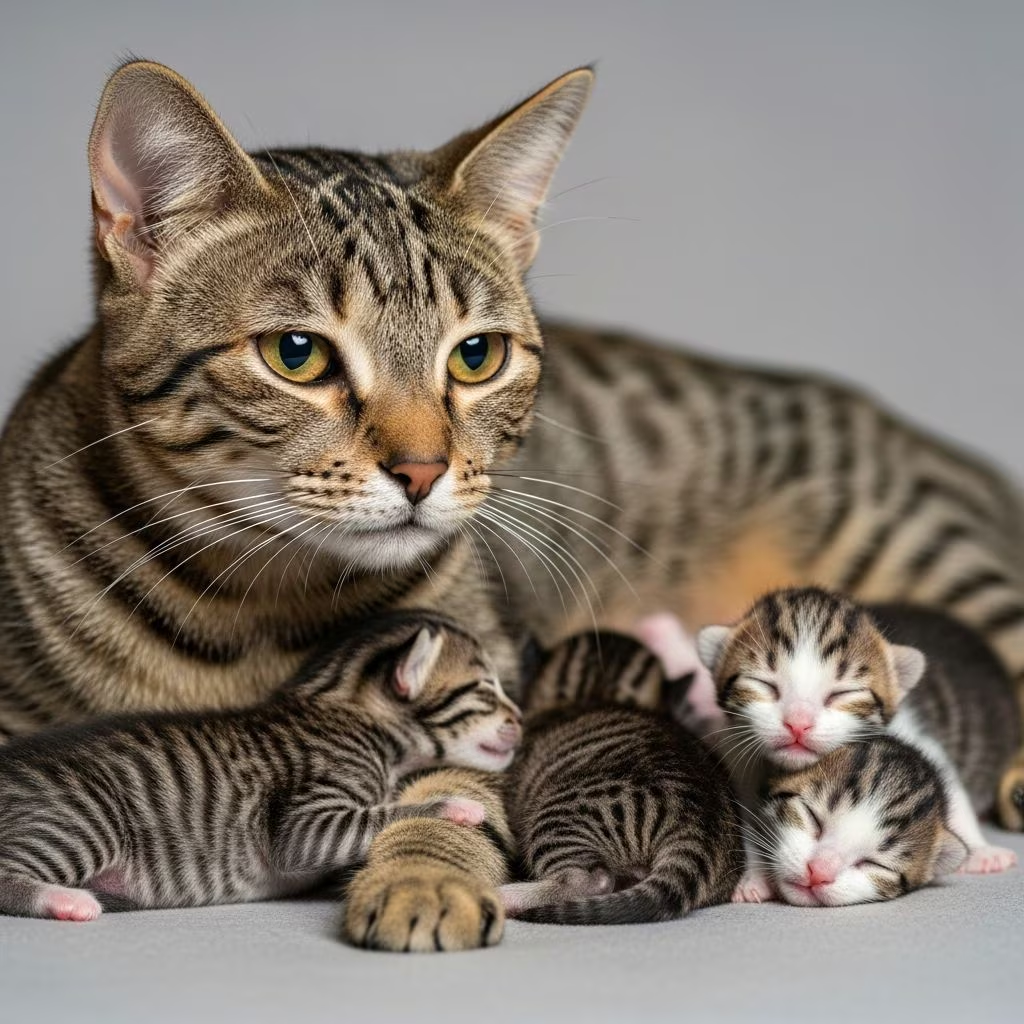
New mother cats, known as queens, face unique challenges after delivering their litter. While many recover smoothly, certain conditions can arise that threaten both the queen and her kittens. Early detection of these issues is vital for successful outcomes. This guide explores prevalent postpartum complications, their warning signs, management strategies, and preventive measures to support feline families.
Understanding the Post-Birth Recovery Process
After labor, a queen typically cleans her kittens, stimulates nursing, and rests while producing colostrum-rich milk for immunity. Normal signs include mild vaginal discharge (clear to reddish for 1-3 weeks), increased appetite, and bonding behaviors. However, deviations like foul odors, lethargy, or neglect signal trouble. Monitoring involves daily checks of appetite, discharge, mammary glands, and kitten vitality.
Retained Placental Material: A Hidden Danger
One frequent issue occurs when placental tissues fail to expel fully after the last kitten. This retained material decomposes inside the uterus, fostering bacterial growth. Affected queens display abdominal discomfort, restlessness, reduced nursing, and scant food intake. A brownish, foul discharge often appears from the vulva.
Diagnosis requires veterinary ultrasound or x-rays to confirm remnants. Treatment entails antibiotics to combat infection, pain relief, and sometimes manual removal or surgery. Prompt action prevents septicemia. Owners should count placentas during birth—typically one per kitten plus fluids—to spot discrepancies early.
Uterine Infections: Metritis and Endometritis Explained
Metritis involves severe uterine inflammation, often bacterial, striking within days post-delivery. Symptoms escalate quickly: high fever, total kitten rejection, anorexia, vomiting, polydipsia, and dark, malodorous vaginal discharge resembling red wine or tar. Endometritis is milder but similar.
Queens appear profoundly ill, with systemic toxemia. Veterinary intervention is urgent, involving IV fluids for hydration, broad-spectrum antibiotics, anti-inflammatories, and monitoring. In extreme cases, ovariohysterectomy (spaying) resolves the infection but ends breeding potential. Support kittens with formula feeding during recovery.
Mastitis: When Nursing Turns Painful
Mastitis inflames mammary glands during lactation, often from milk stasis or bacterial entry via cracked nipples. One or more glands swell, harden, heat up, and cause pain, prompting nursing refusal. Milk may ooze abnormally colored pus; the queen develops fever and lethargy.
Non-infectious cases respond to warm compresses and gentle expression. Infectious mastitis demands antibiotics, fluids, and sometimes abscess drainage. Kittens avoid infected teats, risking malnutrition. Table below compares mastitis types:
| Type | Symptoms | Treatment |
|---|---|---|
| Non-infectious (Galactostasis) | Firm, hot gland; no pus | Heat, massage, milking |
| Infectious | Swollen, painful; foul discharge, fever | Antibiotics, supportive care |
Prevention includes hygiene and monitoring gland health.
Eclampsia: The Calcium Crisis in Nursing Queens
Also termed hypocalcemia or milk fever, eclampsia hits 1-5 weeks postpartum, especially with large litters demanding heavy milk output. Blood calcium plummets, causing neuromuscular chaos. Initial signs: panting, restlessness, stiff gait, whining. Progression brings tremors, seizures, hyperthermia over 105°F, dilated pupils, and rigidity.
Intravenous calcium gluconate reverses symptoms dramatically but requires ECG monitoring to avoid cardiac arrest. Hospitalization stabilizes levels; kittens must be separated temporarily, fed kitten milk replacer. Oral supplements follow discharge, with weaning advised for older kittens. Recurrence risks future litters, prompting spay discussions.
Uterine Prolapse: A Rare but Critical Emergency
Strenuous labor can evert the uterus through the vulva, exposing pink tissue. This demands immediate veterinary replacement under sedation or surgery if necrotic. Associated bleeding or discharge heightens sepsis risk. Post-repair, antibiotics and rest are essential; breeding cessation recommended.
Kitten Rejection and Maternal Neglect
Queens ignoring offspring may stem from illness, pain, or stress. Weak, cold, or malformed kittens trigger abandonment. Intervene by warming rejects, stimulating urination/defecation, and bottle-feeding. Persistent neglect signals maternal health issues needing vet evaluation.
Dehydration and Nutritional Deficits
Lactating queens require tripled calories and constant water. Anorexia from illness leads to dehydration, impairing milk production and recovery. Symptoms: sunken eyes, tacky gums, weakness. Force-feed kitten food slurries, offer electrolytes, and seek fluids therapy.
Prevention Strategies for Postpartum Success
- Pre-birth vet checkups confirm health and litter size.
- Provide quiet, warm nesting with food/water nearby.
- Track placentals, labor duration (>20 min hard strain without kitten flags C-section).
- Daily assessments: temp (100.5-102.5°F normal), discharge, nursing.
- Calcium-rich diet; supplements only vet-approved.
- Hygiene: clean box, isolate from infections.
When to Contact a Veterinarian Urgently
Rush to ER for: foul discharge, prolapse, seizures, fever >103°F, prolonged labor, pale gums, collapse, or kitten distress. Time saves lives—most resolve with care.
FAQs on Cat Postpartum Care
How long is normal vaginal discharge after birth?
Clear to bloody discharge lasts up to 3 weeks, tapering off. Foul or persistent beyond signals infection.
Can I treat mastitis at home?
Warm compresses help mild cases; infections need antibiotics—never delay vet care.
What causes eclampsia in cats?
Rapid calcium drain from high milk demand in large litters.
Should I separate kittens during mom’s illness?
Yes, for eclampsia or mastitis; hand-feed until stable.
How to support a queen’s nutrition postpartum?
High-protein kitten food, free-feed, fresh water always.
Long-Term Care and Breeding Decisions
Post-recovery, monitor for 6-8 weeks until weaning. Spay non-breeders to avoid repeats. For breeders, genetic screening prevents hereditary issues. Healthy queens rebound fully with attentive care.
References
- 6 Complications to Look Out For After Your Cat Gives Birth — FirstVet. 2023. https://firstvet.com/us/articles/6-complications-to-look-out-for-after-your-cat-gives-birth
- Cats after birth advice — Agria. 2023. https://www.agria.ie/guides-and-advice/cats-after-birth-advice/
- Postpartum Low Blood Calcium in Cats — PetMD. 2024. https://www.petmd.com/cat/conditions/reproductive/c_ct_eclampsia
- Cat Pregnancy Complications: Key Issues — Medica Animal. 2023. https://medicanimal.com/blogs/pet-advice/cat-pregnancy-complications-key-issues-in-pregnancy-birth-and-nursing
- 5 Common Labor Complications in Cats — WagWalking. 2024. https://wagwalking.com/wellness/5-common-labor-complications-in-cats
- Feline breeding and pregnancy management — PMC (NCBI). 2022-04-28. https://pmc.ncbi.nlm.nih.gov/articles/PMC9099157/



