

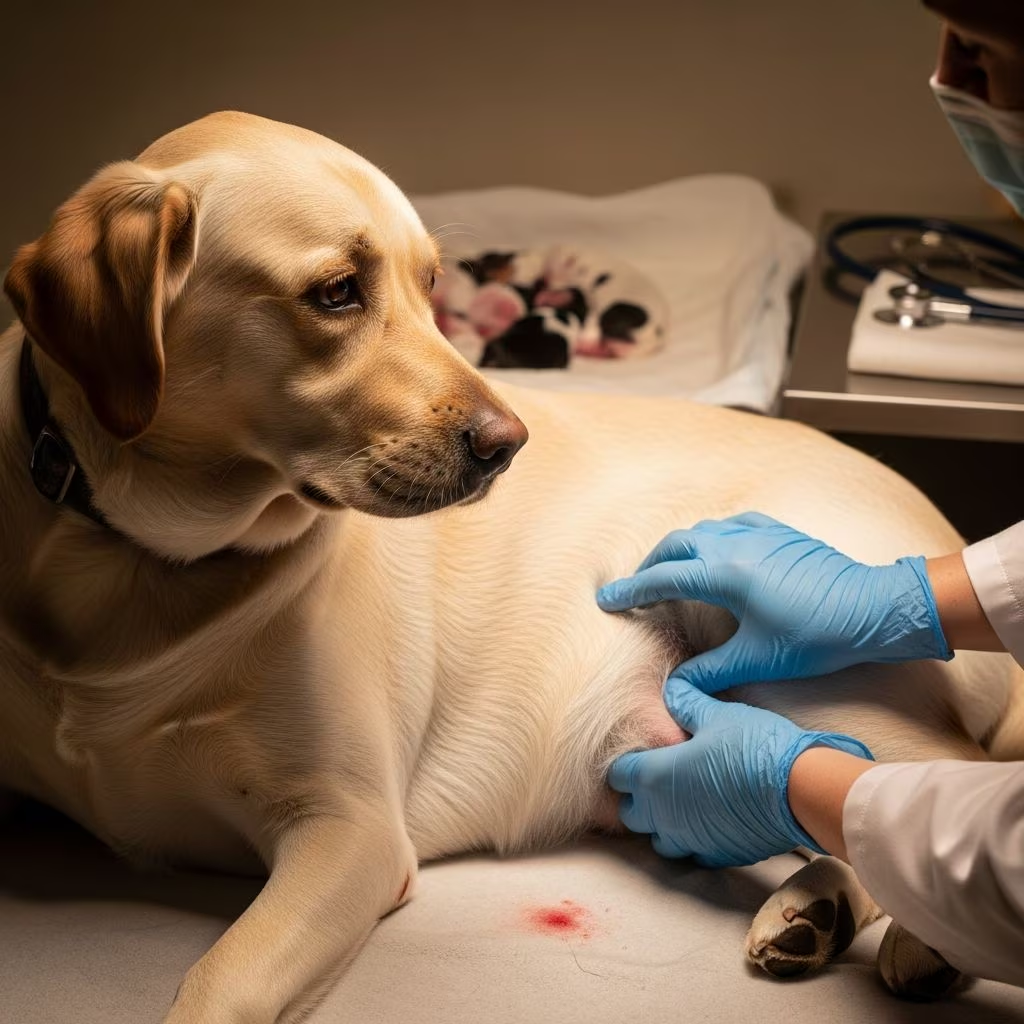
After giving birth, many dog owners notice vaginal discharge or bleeding from their pet, which is often a normal part of recovery. This phenomenon, known as lochia, typically lasts a few weeks as the uterus heals. However, excessive or prolonged bleeding can signal serious issues like hemorrhage, infection, or retained tissues, demanding prompt veterinary attention to protect the dam and her litter.
Understanding Normal Post-Birth Discharge
The postpartum period involves significant physiological changes in a female dog’s reproductive tract. Following whelping, the uterus expels remnants of placental sites, mucus, and blood through vaginal discharge. This lochia starts bright red in the first days, transitioning to a watery, pinkish, or brownish fluid that gradually decreases over 2-3 weeks.
Factors influencing this process include litter size, delivery method (natural vs. cesarean), and the dog’s overall health. In uncomplicated births, discharge should not have a foul odor, and the mother remains active, eating well, and nursing her puppies without distress. Monitoring color, volume, and consistency helps distinguish routine recovery from pathology.
- Week 1: Heavy, red-tinged flow from placental detachment.
- Weeks 2-3: Lighter, serosanguinous discharge as uterine involution progresses.
- After 3 weeks: Minimal to none; persistence warrants concern.
When Bleeding Indicates a Problem
Not all postpartum bleeding resolves naturally. Prolonged discharge beyond 3-4 weeks, sudden heavy flows, or bright red blood after initial tapering suggest complications such as subinvolution of placental sites (SIPS), metritis, or peripartum hemorrhage. SIPS occurs when uterine placental scars fail to heal properly, leading to ongoing seepage that can last 6-12 weeks or more.
Severe cases, like those post-cesarean, may involve hypovolemic shock from significant blood loss. One documented instance detailed a dog requiring transfusion after uterine hemorrhage, with hematocrit dropping below critical levels despite fluid boluses. Symptoms accompanying abnormal bleeding include lethargy, pale gums, fever, foul-smelling discharge, or neglect of puppies.
| Normal Bleeding | Abnormal Bleeding |
|---|---|
| Decreases over 2-3 weeks Watery/pinkish, no odor Mother alert and nursing | Heavy/prolonged >3 weeks Bright red or pus-like Lethargy, fever, weakness |
Common Causes of Excessive Postpartum Bleeding
Subinvolution of Placental Sites (SIPS)
SIPS represents incomplete regeneration of endometrial tissue at former placental attachment points. While the precise etiology remains unclear, hormonal imbalances or genetic predispositions in breeds like Labrador Retrievers are implicated. Bleeding from SIPS is usually mild but can predispose to secondary infections if untreated. Diagnosis often relies on prolonged history and ultrasound, with histopathology confirming in severe cases.
Uterine Infections and Metritis
Metritis, an inflammation of the uterus, frequently arises from bacterial ascension post-whelping, especially with retained placentas or dystocia. Common pathogens include Escherichia coli. Discharge turns purulent with a foul odor, and systemic signs like fever and anorexia appear. Pyometra, a more advanced pus-filled uterine infection, can develop if metritis persists, posing life-threatening risks.
Peripartum Hemorrhage
This critical condition involves acute, profuse bleeding from uterine rupture, trauma during delivery, or coagulopathies. Incidence in dystocia cases reaches about 6.7%, often necessitating transfusions and intensive care. Pregnancy-induced hypercoagulability typically protects against such events, but overrides can occur with surgical interventions like C-sections.
Retained Placental Tissue
Failure to expel all placentas leads to persistent bleeding and contraction issues. Prostaglandins or oxytocin may aid expulsion if addressed early.
Immediate Home Monitoring Strategies
Owners play a crucial role in early detection. Track discharge daily, noting changes in volume or appearance. Ensure a clean whelping area with frequent bedding changes to prevent infections. Provide ample fresh water and a balanced diet rich in protein to support uterine involution and lactation.
- Check gums for pink color and quick capillary refill (under 2 seconds).
- Monitor body temperature: Normal 100-102.5°F; fever above 103°F signals trouble.
- Weigh puppies daily to confirm nursing; supplement if needed.
- Use dog diapers for hygiene during heavy flow phases.
Avoid over-cleaning the vulva, as natural licking aids healing. Isolate from other dogs to reduce stress and infection risk.
Veterinary Diagnostic Approaches
Consult a vet if bleeding persists beyond 3 weeks, exceeds a cup daily, or accompanies illness. Initial exams include physical assessment, vaginal cytology, and bloodwork for anemia (hematocrit <20-25%), white cell counts, and coagulation profiles.
Ultrasound detects retained tissues, fluid accumulations, or SIPS. Radiographs rule out foreign bodies. In hemorrhage cases, blood pressure monitoring and lactate levels guide urgency.
Treatment Options for Postpartum Complications
Management varies by severity. Mild SIPS often resolves without intervention, but monitoring prevents escalation.
Medical Therapies
- Oxytocin: 5-20 IU IM/SC q4-6h <24h postpartum to enhance contractions (uterus must be healthy).
- Prostaglandins: PGF2α (0.1 mg/kg SC q12-24h) for evacuation in metritis or retention.
- Antibiotics: Broad-spectrum like ampicillin or enrofloxacin for infections, paired with supportive care.
Fluids and Transfusion Protocols
Hemorrhagic shock demands aggressive resuscitation. Crystalloids (lactated Ringer’s 10-20 mL/kg boluses) restore volume, followed by maintenance rates. Vasopressors maintain pressure if needed. Transfusions of packed red blood cells (7-10 mL/kg) are lifesaving when hematocrit falls critically, as in one C-section case where a dog stabilized post-250mL infusion.
Surgical Interventions
Uncontrolled hemorrhage or pyometra mandates ovariohysterectomy (spay). This removes the septic uterus, though it’s riskier in compromised patients requiring IV stabilization first.
Preventive Measures for Future Litters
Breeding only healthy females at ideal age (2-5 years) minimizes risks. Pre-whelping exams screen for issues. For C-sections, institutional protocols now include 24-hour hospitalization and serial hematocrits. Spaying post-weaning eliminates recurrence risks.
FAQs on Dog Postpartum Bleeding
How long is normal bleeding after whelping?
Typically 2-3 weeks, tapering from red to clear. Contact vet if longer.
Is bright red blood normal weeks after birth?
No; it suggests SIPS or hemorrhage. Seek immediate evaluation.
What if discharge smells bad?
Indicates infection like metritis; antibiotics and vet care needed.
Can I give oxytocin at home?
No; only under vet guidance to avoid uterine rupture.
Will SIPS affect future pregnancies?
Prognosis excellent if resolved; monitor closely.
Long-Term Recovery and Prognosis
Most dogs recover fully with timely intervention. Puppies thrive if nursing continues or supplementation provided. Follow-up ensures complete healing, with weaning at 4-8 weeks allowing maternal rest. Early detection via vigilant observation remains key to positive outcomes.
References
- Management of a severe peripartum hemorrhage following cesarean section in a dog — Pang D, et al. Canadian Veterinary Journal. 2020-06-01. https://pmc.ncbi.nlm.nih.gov/articles/PMC7236631/
- Periparturient Problems in Bitches and Queens — Merck Veterinary Manual. Recent update. https://www.merckvetmanual.com/management-and-nutrition/management-of-reproduction-dogs-and-cats/periparturient-problems-in-bitches-and-queens
- Subinvolution of Placental Sites in Dogs — Vetster. Recent update. https://vetster.com/en/conditions/dog/subinvolution-of-placental-sites
- Pyometra — Cornell University College of Veterinary Medicine. Recent update. https://www.vet.cornell.edu/departments-centers-and-institutes/riney-canine-health-center/canine-health-topics/pyometra
- Postpartum disorders in bitches, queens and neonates (Proceedings) — dvm360. Recent update. https://www.dvm360.com/view/postpartum-disorders-bitches-queens-and-neonates-proceedings



