

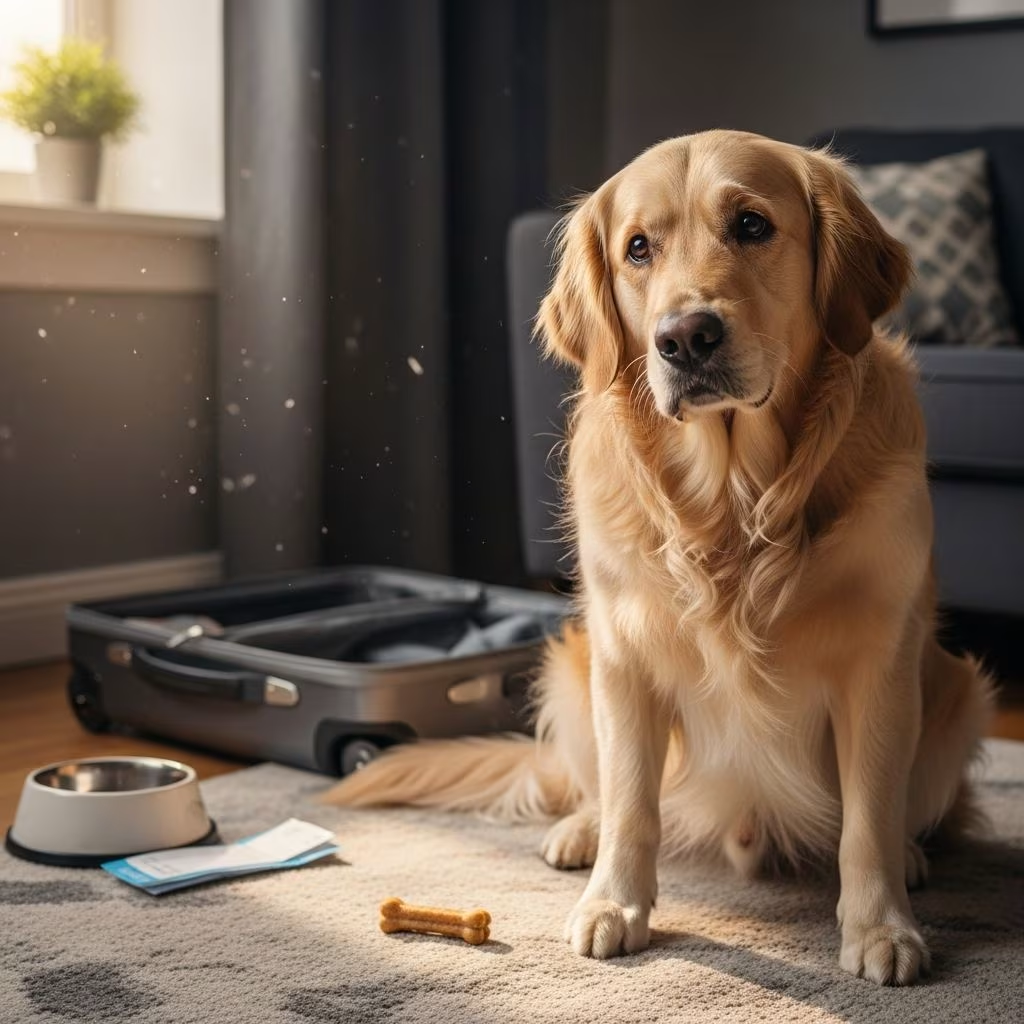
When you return from vacation, your excitement to reunite with your furry companion is often met with unexpected behavioral shifts. Your dog may seem withdrawn, overly clingy, destructive, or anxious—responses that can puzzle and concern pet owners. These reactions are entirely normal and rooted in the significant disruption to your dog’s daily life. Understanding what triggers these changes and implementing effective strategies can help your canine friend readjust smoothly and restore the comfortable routine you both cherish.
Why Dogs Struggle With Vacation-Related Changes
Dogs are creatures of habit who thrive within structured environments. Their sense of security depends heavily on predictability in daily activities, feeding schedules, exercise routines, and social interactions. When you leave for vacation, this carefully balanced ecosystem crumbles, leaving your dog in a state of uncertainty and emotional turbulence. The absence of their primary caregiver—you—creates a void that disrupts not only their schedule but also their emotional stability.
The stress compounds when multiple factors converge: unfamiliar caretakers, changes in feeding times, altered exercise patterns, and environmental modifications. Dogs don’t understand temporal concepts like “Mom will be back next week.” From their perspective, your absence feels indefinite, which triggers anxiety responses similar to separation anxiety. Additionally, when you return, the sudden reestablishment of your presence and the resumption of familiar routines can initially feel overwhelming rather than comforting, causing continued behavioral disruption.
Recognizing Signs of Post-Vacation Stress in Your Dog
Identifying stress indicators is the first step toward effective intervention. Dogs communicate distress through multiple behavioral and physical channels that attentive owners can recognize.
Behavioral Indicators
- Excessive vocalization: Increased barking, whining, or howling signals anxiety or demand for reassurance
- Destructive tendencies: Chewing furniture, shoes, or household items reflects emotional turmoil and excess nervous energy
- Anxious pacing: Repetitive walking or inability to settle indicates restlessness and unease
- Housebreaking regression: Accidents indoors despite previous training suggest stress-induced loss of bladder control
- Disobedience: Refusal to follow previously learned commands may reflect your dog’s emotional preoccupation or need for attention
- Social withdrawal: Unusual aloofness or hiding indicates your dog is processing overwhelming emotions
- Clinginess: Reluctance to leave your side or constant need for physical contact reveals dependency anxiety
Physical and Health-Related Signs
- Appetite changes: Loss of interest in food or overeating can signal stress or illness
- Sleep disruption: Restlessness at night, excessive daytime sleeping, or insomnia patterns indicate emotional disturbance
- Excessive grooming: Compulsive licking or scratching may reflect anxiety manifesting as self-soothing behavior
- Physical stress symptoms: Panting, drooling, trembling, or shaking can accompany anxiety episodes
- Energy fluctuations: Unusual lethargy or hyperactivity suggests your dog is struggling with emotional regulation
Documenting these observations helps you track patterns and communicate effectively with veterinary professionals if symptoms persist beyond two weeks.
The Emotional Complexity of Your Dog’s Experience
Dogs experience a spectrum of emotions far more complex than many people realize. They feel joy, fear, frustration, and even resentment. When you leave for vacation, your dog may experience what resembles a grudge—a lasting sense of betrayal that colors their reaction when you return. This isn’t intentional stubbornness; it’s an emotional response to what your dog perceives as abandonment without explanation or forewarning.
Upon your return, your dog faces conflicting impulses: excitement at your presence mingled with uncertainty about whether you’ll disappear again, and possibly residual hurt about the separation. This emotional complexity explains why some dogs respond to reunions with exuberant zoomies and wild excitement, while others display cool indifference or anxious avoidance. Each response represents your individual dog’s personality and coping mechanism.
Creating a Strategic Readjustment Plan
Phase One: Managing Your Return
The moment you arrive home significantly influences how quickly your dog readjusts. Resist the urge to immediately shower your dog with intense affection or excitement. While counterintuitive, calm, measured interactions help your dog feel more secure than chaotic energy. Greet your dog with quiet praise, gentle petting, and perhaps a familiar toy or blanket. Allow them to approach you and set the pace for physical contact. This measured approach prevents overwhelming an already emotionally taxed animal.
Spend the first few hours in low-key activities. Avoid taking your dog on exciting outings, hosting gatherings, or introducing new experiences. Your dog needs environmental stability and consistent presence, not novelty. Simply being nearby while you settle back into home life provides reassurance more effectively than elaborate entertainment.
Phase Two: Reestablishing Routine
Routines are the foundation of canine emotional security. Reestablish your regular schedule with precision and consistency. Return to your standard feeding times, morning walks, midday exercise, evening play sessions, and bedtime routines. Dogs find comfort in predictability; knowing that breakfast occurs at 7 AM, walks happen at 8 AM, and dinner arrives at 6 PM helps them reconstruct their sense of order.
If your pre-vacation routine included activities like dog park visits, training sessions, or play dates, gradually reintroduce these after the first few days. Start with familiar, lower-intensity versions before returning to full intensity. This graduated approach prevents sensory overload while signaling that normalcy is returning.
Phase Three: Progressive Exercise Expansion
Physical activity burns excess nervous energy and promotes emotional regulation in dogs. However, immediately returning to full-intensity exercise can overwhelm a stressed dog. Begin with short, familiar walks around your neighborhood—routes your dog knows well. These walks should be calm and unhurried, focused on allowing your dog to decompress rather than achieve high activity levels.
Over five to seven days, gradually extend walk duration and introduce slightly more challenging terrain. Monitor your dog’s energy levels and enthusiasm. If your dog seems exhausted or overstressed, reduce intensity and allow more recovery time. The goal is helping your dog return to their normal activity level at a comfortable pace, not forcing rapid normalization.
Mental enrichment activities—puzzle toys, scent games, training sessions, and interactive play—complement physical exercise. These activities redirect anxious energy toward productive channels and rebuild your dog’s confidence in their cognitive abilities.
Behavioral Management and Positive Reinforcement Strategies
How you respond to your dog’s post-vacation behaviors profoundly influences how quickly they readjust. Consistency in your approach builds security and prevents accidentally reinforcing unwanted behaviors.
Managing Common Behavioral Issues
| Behavior | Underlying Cause | Response Strategy |
|---|---|---|
| Excessive barking/whining | Attention-seeking, anxiety, uncertainty | Ignore vocalizations; reward quiet behavior with treats and praise |
| Destructive chewing | Nervous energy, boredom, anxiety | Provide appropriate chew toys; redirect when necessary; ensure adequate exercise |
| Housebreaking accidents | Stress-induced bladder control loss | Increase potty breaks; reward outdoor elimination; never punish accidents |
| Refusal to obey commands | Emotional preoccupation, attention-seeking | Return to basic training; use high-value rewards; keep sessions short and positive |
| Clinginess/separation anxiety | Fear of another abandonment | Practice brief separations; reward calm alone time; maintain consistent schedule |
A critical principle: never inadvertently reward unwanted behaviors through attention. When your dog acts out for your attention, providing it—even negative attention like scolding—reinforces the behavior. Instead, reward calm, appropriate actions with treats, praise, and affection. Over time, your dog learns that composure and compliance generate the positive engagement they crave.
Health Monitoring During the Transition Period
Stress weakens immune function and can mask or exacerbate underlying health issues. Close observation of your dog’s physical condition during readjustment is essential.
- Monitor eating patterns daily; consistent refusal of food warrants veterinary attention
- Track bathroom habits for changes in frequency, consistency, or difficulty
- Observe energy levels for unusual lethargy that persists beyond three days
- Examine skin, ears, and paws for stress-related irritations or injuries
- Note any signs of illness like vomiting, diarrhea, or respiratory symptoms
- Schedule a post-vacation veterinary check-up if symptoms persist or concern you
Regular grooming during this period serves dual purposes: it provides comforting tactile interaction and allows you to identify any physical issues early.
Special Considerations for Different Situations
Extended Vacations
Longer absences intensify post-vacation stress. Dogs left for two weeks or longer may require three to four weeks for complete readjustment. Patience becomes even more critical; expecting rapid normalization sets unrealistic expectations.
Frequent Travel
Dogs whose owners travel frequently may develop chronic separation anxiety. Consistency and reassurance become paramount. Consider whether having a permanent pet sitter maintain your dog’s routine during absences might reduce anxiety-related behaviors.
Dogs with Pre-Existing Anxiety
Dogs with baseline anxiety disorders may experience amplified post-vacation stress. Consult your veterinarian about whether temporary anti-anxiety medication during readjustment might be beneficial. Combine pharmaceutical support with behavioral strategies for optimal results.
Frequently Asked Questions
How long does it typically take for a dog to readjust after vacation?
Most dogs begin showing improvement within three to five days of consistent routine restoration. However, complete behavioral normalization often requires two to three weeks. Individual variation depends on vacation length, your dog’s temperament, and the quality of care they received during your absence.
Should I feel guilty about leaving my dog during vacation?
Guilt often motivates overcompensation through excessive attention upon return, which can actually prolong readjustment. Instead, focus on arranging quality care during your absence and implementing thoughtful readjustment strategies upon return. Your dog benefits more from your measured, confident approach than from guilt-driven compensation.
When should I contact my veterinarian about post-vacation behavior changes?
Contact your vet if behavioral changes persist beyond three weeks, if physical symptoms emerge (appetite loss, vomiting, diarrhea), or if your dog shows signs of severe anxiety like self-injury or complete refusal to eat. Persistent behavioral issues may indicate underlying health problems requiring professional evaluation.
Can I prevent behavioral changes by changing how I prepare for vacation?
Partial prevention is possible through careful preparation. Arrange for a pet sitter to maintain your dog’s exact routine rather than boarding facility care, if feasible. Practice brief separations before vacation to acclimate your dog to your absence. However, some behavioral adjustment is inevitable; prevention merely reduces severity.
Is it better to take my dog on vacation or leave them home?
This depends on individual circumstances. Dogs that travel well may experience less stress accompanying you. However, travel itself creates stress for many dogs. If you leave your dog home, investing in excellent care—ideally from someone familiar to your dog—minimizes anxiety better than unfamiliar kennel environments.
Moving Forward With Confidence
Post-vacation behavioral changes, while concerning, represent a normal and temporary adjustment phase. Your dog isn’t being difficult or spiteful; they’re processing significant disruption to their emotional landscape. By understanding the roots of their behavior, maintaining consistent routines, and responding with patience and positive reinforcement, you help your dog navigate this transition successfully.
Remember that each dog is unique. Some readjust within days; others require weeks. What matters most is your commitment to supporting their emotional needs during this vulnerable period. The bond you build through patient, thoughtful readjustment actually strengthens your relationship and teaches your dog that despite temporary separations, you remain a reliable, comforting presence in their life.
References
- Help Your Dog Readjust After Holiday Travel: 5 Proven Steps for a Smooth Transition — OLK9 Iowa. Accessed January 2026. https://olk9iowa.com/help-your-dog-readjust-after-holiday-travel/
- Why is your Dog Acting Strange After Coming Back From Vacation — Veterinary Secrets. Accessed January 2026. https://veterinarysecrets.com/why-is-your-dog-acting-strange-after-coming-back-from-vacation/
- Just got back from vacation, my dogs are acting different around me — Dial A Vet. Accessed January 2026. https://www.dialavet.com/vet-answers/dogs-acting-different-after-vacation-304348
- Understanding Your Dog’s Behavior When You Travel — K9 Resorts. Accessed January 2026. https://www.k9resorts.com/about-us/articles/tips/your-dogs-behavior-changes-when-you-travel/



