

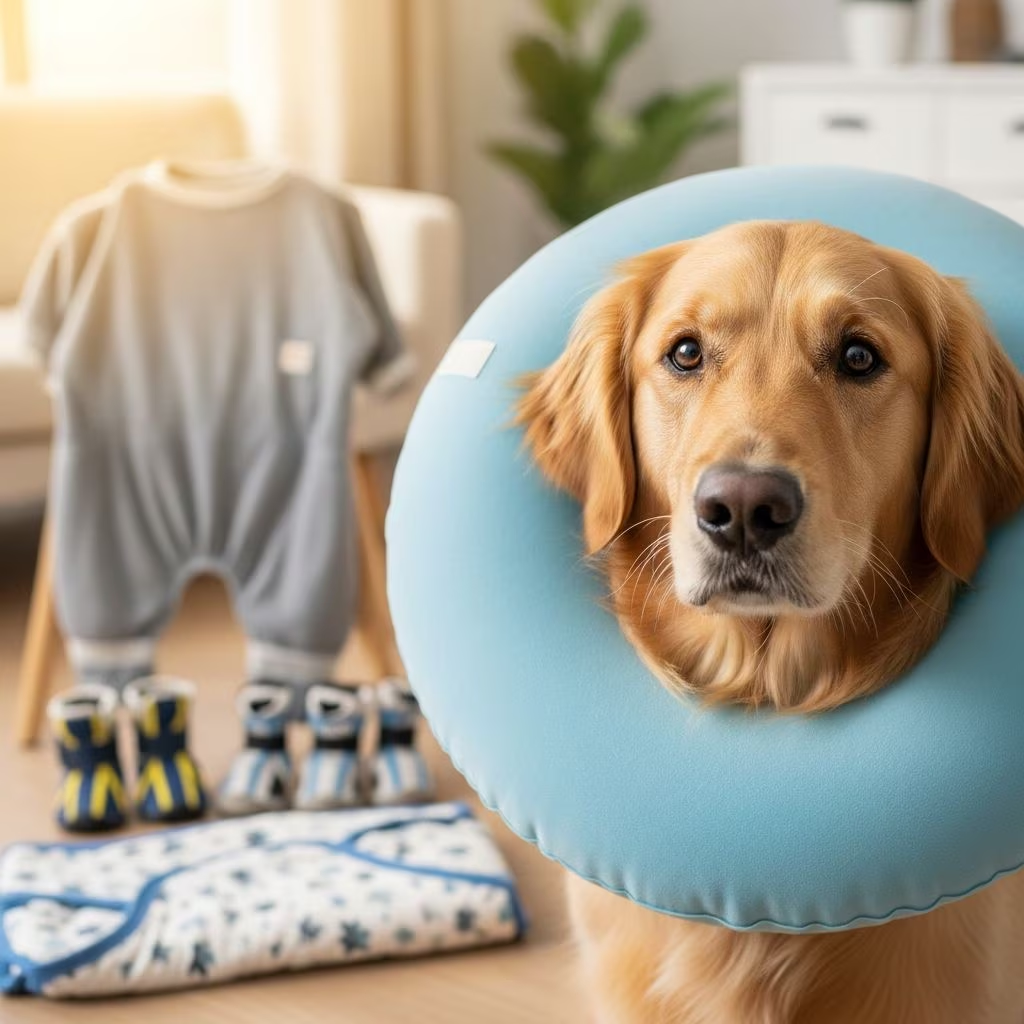
When your veterinarian recommends that your beloved dog or cat wear a plastic cone after surgery, the reaction is often one of frustration and sympathy. The device—commonly called the cone of shame, the E-collar, the dreaded doughnut, or by its formal name, the Elizabethan collar—has become synonymous with post-operative pet care. Named after the decorative ruffs worn during Queen Elizabeth I’s reign, this simple plastic device remains one of the most prescribed protective measures in veterinary medicine, despite being universally disliked by pets and their owners alike.
Understanding why veterinarians continue to recommend this seemingly archaic device requires exploring the science of wound healing, the documented risks of self-trauma in recovering pets, and the emerging research on both the benefits and drawbacks of protective collars. This examination reveals that while the cone remains a practical necessity in most post-operative scenarios, the experience has prompted veterinary professionals to reconsider how we approach pet recovery and what alternatives might better serve our animals’ overall well-being.
The Fundamental Challenge of Post-Operative Pet Care
The primary function of the Elizabethan collar is straightforward: it prevents dogs and cats from reaching incisions, sutures, or injured areas with their mouths or paws. This seemingly simple barrier addresses one of the most persistent problems veterinarians encounter during the recovery period following surgery.
Pets instinctively lick or bite at areas causing them discomfort, pain, or itching. This self-directed behavior, while a natural response to irritation, can rapidly compromise surgical outcomes. A surgical site that remains undisturbed typically heals cleanly and completely within the prescribed timeframe. However, even brief licking sessions can introduce bacteria, reopen incisions, and create conditions for serious infections to develop.
The consequences of failed post-operative protection extend far beyond aesthetic concerns. Wound complications can necessitate additional surgical interventions, extended recovery periods, courses of antibiotics, and increased veterinary expenses. In severe cases, pets have been documented ingesting their own tissue while worrying at surgical sites, leading to life-threatening internal injuries that may result in death or permanent organ damage.
What Research Reveals About Pet Welfare During Recovery
Recent scientific investigation has examined what pet owners experience when their animals wear protective collars, providing valuable data about the actual impact of these devices on animal quality of life.
A comprehensive survey conducted among pet owners whose animals had worn Elizabethan collars revealed significant findings about the welfare implications of this common practice. The study documented that a substantial majority of pet owners—approximately 77.4 percent—reported perceiving a decline in their companion animal’s quality of life while wearing the protective collar. This decline was particularly pronounced in specific domains:
- Nutritional intake and eating behavior
- Environmental navigation and spatial awareness
- Physical health and comfort
- Normal behavioral expression
- Psychological and emotional well-being
The research identified particular circumstances under which perceived quality of life declined most sharply. When collars interfered with drinking, prevented normal play behavior, or caused physical irritation to the pet’s skin or whiskers, owners reported notably more concerning changes in their pets’ demeanor and functioning.
These findings underscore an important tension in veterinary medicine: the device that protects against one serious risk (surgical site complications) simultaneously creates other challenges for animal welfare and well-being. This recognition has prompted veterinary professionals to engage in more nuanced discussions about how to balance these competing concerns.
Duration of Protection: From Days to Months
The necessity of protective collar use varies considerably depending on the reason for prescription. In most post-operative scenarios, the collar serves its protective function for a relatively brief period—typically between five and fourteen days, depending on the type of surgery and the healing timeline.
However, for pets with chronic skin conditions, such as severe allergies, persistent hot spots, or other dermatological issues, protective devices may be required for extended periods spanning weeks or months. This extended duration significantly amplifies the welfare concerns identified in research, as animals must navigate their environment and manage their psychological well-being under restriction for much longer timeframes.
The distinction between short-term and long-term use carries important implications for how veterinarians and pet owners should approach the decision to use such devices. Short-term discomfort may be more easily justified by the prevention of serious surgical complications, while longer-term use demands more careful consideration of alternatives and harm-reduction strategies.
The Medical Necessity Argument
Veterinarians continue to recommend Elizabethan collars because extensive clinical experience has demonstrated their effectiveness in preventing self-trauma. The evidence supporting their use includes:
- Prevention of licking-induced wound infections and dehiscence (separation of surgical incision edges)
- Reduction in complications requiring revision surgery
- Faster overall healing timelines when compliance is maintained
- Prevention of hairless or discolored scars resulting from wound trauma
- Avoidance of additional antibiotic therapy and associated costs
Clinical anecdotes from veterinary professionals document cases in which owners removed protective collars, believing their pets were suffering unnecessarily, only to return to the veterinary clinic with infected wounds, dehisced incisions, or other serious complications requiring expensive re-intervention. These real-world experiences reinforce the conviction among veterinary practitioners that while the cone is unpleasant, the consequences of omitting it are often far more problematic for the animal.
Addressing Owner Concerns and Compliance
One of the most challenging aspects of post-operative care involves managing the emotional response of pet owners who observe their animals wearing protective collars. Many owners report feeling guilty about the apparent distress their pets experience and may be tempted to remove the collar to provide relief.
However, inconsistent collar use—removing it when owners are home and replacing it when they leave—may actually increase the pet’s distress rather than alleviate it. Animals may interpret this pattern as punishment or unpredictability, potentially causing anxiety and leading to destructive behavior directed at the collar itself.
Veterinary professionals recommend consistent, full-time collar use as the approach most likely to help pets acclimate quickly. Research and clinical experience suggest that animals adapt more rapidly to the collar when it remains in place continuously, as they adjust their movement patterns and learn to navigate their environment within its constraints. Animals are capable of eating, drinking, urinating, defecating, and sleeping while wearing properly fitted collars, though these activities may require minor adjustments on the part of both pet and owner.
Alternative Protective Devices and Modern Innovations
Recognizing both the medical necessity of wound protection and the documented welfare concerns associated with traditional cones, veterinary medicine has increasingly explored alternative approaches.
Modern protective devices include inflatable collars designed to provide cushioning while restricting neck mobility, fabric-based barrier garments that allow greater visibility and environmental awareness, and specialized medical-grade bandaging systems that protect incisions without restricting the pet’s ability to see or move normally. Some facilities have developed recovery suits or wraps that cover the surgical site directly rather than restricting mouth and paw access through a cone mechanism.
The effectiveness of these alternatives varies depending on the location of the surgical site, the size and temperament of the pet, and the nature of the procedure performed. While some alternatives may prove equally effective for certain applications, the traditional Elizabethan collar remains superior in many post-operative situations due to its versatility and comprehensive protection.
Making Informed Decisions About Post-Operative Care
Pet owners can engage more effectively with veterinary recommendations regarding protective collars by understanding several key principles:
- Surgical site protection directly impacts healing outcomes and long-term appearance of the incision
- The duration of collar use is typically much shorter than perceived by distressed owners
- Consistent use leads to faster adaptation and reduced overall distress
- Alternative devices should be discussed proactively with your veterinary team before discharge
- Questioning your veterinarian’s recommendations is appropriate and encouraged
Open communication between pet owners and veterinary professionals yields the best outcomes. If an owner has concerns about a recommended protective collar, discussing these concerns with the veterinarian can lead to exploration of alternatives, adjusted fitting, or strategies to maximize the pet’s comfort while maintaining necessary protection.
The Future of Pet Recovery Management
Recent research highlighting the welfare implications of traditional protective collars has prompted the veterinary profession to pursue multiple parallel strategies. These include developing improved alternative devices, refining surgical techniques to minimize post-operative pain and itching, and educating pet owners more thoroughly about the rationale and appropriate use of protective equipment.
The goal of this evolving approach is not to abandon wound protection—the evidence supporting its necessity is too compelling—but rather to implement protection in ways that minimize unnecessary welfare compromises and maximize animal comfort during the recovery period.
Key Takeaways for Pet Owners
When your veterinarian recommends a protective collar following your pet’s surgery or treatment of an injury, several principles should guide your approach:
First, the recommendation serves a genuine medical purpose based on decades of clinical experience and scientific evidence. The protective collar significantly reduces the risk of serious post-operative complications that could result in additional surgery, prolonged recovery, permanent scarring, or life-threatening infections.
Second, the discomfort associated with wearing a protective collar is typically temporary and manageable, while the consequences of inadequate wound protection are often serious and expensive. The device represents, as many veterinarians describe it, affordable insurance against avoidable complications.
Third, consistent use of the collar throughout the prescribed period leads to faster adaptation by the pet and superior healing outcomes. Intermittent removal extends the period of discomfort and increases the likelihood of complications.
Finally, modern alternatives exist that may be appropriate for your specific situation, and your veterinary team should be willing to discuss these options. However, the traditional Elizabethan collar remains the gold standard for comprehensive post-operative protection in most clinical scenarios.
While no one disputes that the cone of shame is unpleasant—for pets and their owners alike—the medical evidence continues to support its role in protecting our companion animals during their most vulnerable moments of recovery.
References
- The Cone of Shame: A Necessary Evil — PetVet1. https://www.petvet1.com/the-cone-of-shame-a-necessary-evil/
- “The Cone of Shame”: Welfare Implications of Elizabethan Collar Use on Dogs and Cats as Reported by their Owners — National Center for Biotechnology Information. https://pmc.ncbi.nlm.nih.gov/articles/PMC7070745/
- Is the Cone of Shame Really Necessary? — Animal Medical Center New York. https://www.amcny.org/blog/2023/05/03/is-the-cone-of-shame-really-necessary/
- The Cone of Shame: Why E-Collars Get a Bad Rap (But Are So Important) — Las Vegas Veterinary Specialty. https://lvvetspecialtyer.com/blog/cone-shame-e-collars-get-bad-rap-important/
- The Cone Of Shame: Why Does My Dog Need To Wear It? — Grand Haven Animal Hospital. https://www.grandhavenanimalhospital.com/post/the-most-responsible-animal-shelters



