

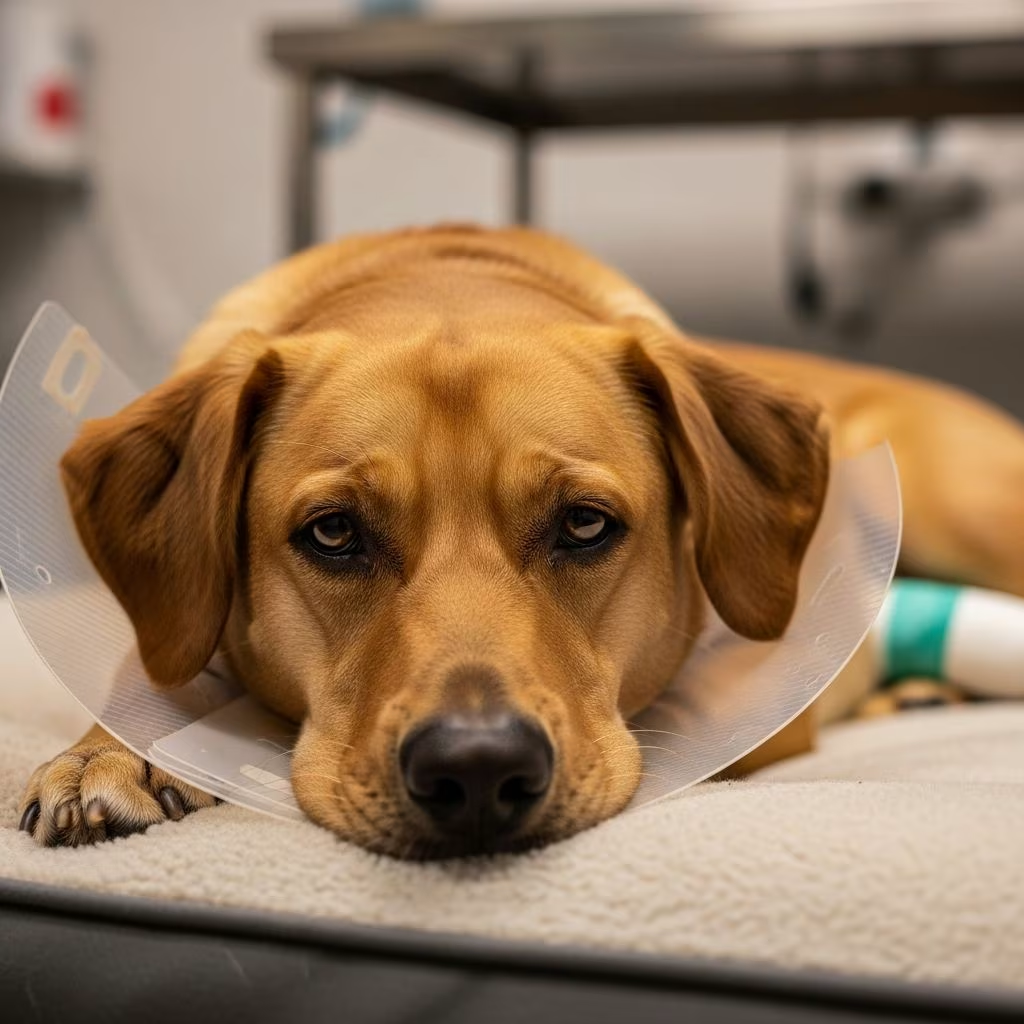
When your dog returns home from surgery, the recovery period requires careful attention and monitoring. One of the most common concerns pet owners face is noticing their dog vomiting or appearing nauseous during the healing phase. While some gastrointestinal upset is expected following anesthesia and surgical procedures, understanding what constitutes normal recovery versus warning signs is essential for your dog’s wellbeing.
Recognizing Vomiting Versus Regurgitation in Post-Operative Dogs
A critical first step in managing your dog’s post-surgery recovery is accurately identifying whether your pet is experiencing true vomiting or regurgitation. These two conditions, while both involving the expulsion of stomach contents or food, have different underlying causes and require different management approaches.
True vomiting involves active muscular contractions of the abdominal and esophageal muscles. When your dog vomits, you will observe clear signs of physical effort, including retching, heaving, or gagging motions before the actual expulsion occurs. The body is actively working to force contents upward.
Regurgitation, by contrast, is a passive process that occurs without abdominal effort or retching movements. Your dog may simply open their mouth and allow food or fluid to fall out naturally. This distinction is important because the underlying causes and appropriate responses differ significantly between the two conditions.
Primary Causes of Post-Operative Vomiting
Anesthetic Effects on the Digestive System
The medications and gases used during general anesthesia directly affect your dog’s digestive function. Anesthetic agents can slow down normal gut motility and cause temporary stomach sensitivity. Most dogs experiencing anesthesia-related nausea will show improvement within 24 to 48 hours as the medications metabolize out of their system. This type of vomiting is generally considered part of normal recovery and typically resolves without intervention beyond careful feeding management.
Rapid Water Consumption
Many dogs, eager to quench their thirst after being fasted before surgery, will drink large quantities of water immediately upon returning home. This sudden, excessive water intake can overwhelm the sensitive post-operative stomach and trigger vomiting or regurgitation. Managing water access during the initial recovery period is one of the simplest preventive measures available to pet owners.
Medication-Related Digestive Upset
Antibiotics and pain medications prescribed following surgery can irritate the stomach lining and cause nausea leading to vomiting. Post-operative pain management is crucial for healing, but the medications themselves may create gastrointestinal side effects. In some cases, identifying which specific medication is causing the problem allows your veterinarian to adjust the treatment plan accordingly.
Reduced Appetite and Altered Feeding
Dogs often eat less during their hospital stay and the initial days at home due to stress, pain, or lingering anesthetic effects. When food intake suddenly increases, or when dogs eat too quickly, the compromised digestive system may respond with vomiting. The adjustment from minimal food to normal portions requires gradual reintroduction over several days.
Understanding Regurgitation After Surgery
Acid Reflux and Esophageal Irritation
The most frequent cause of regurgitation following surgery is acid reflux that occurs during anesthesia. When dogs are under general anesthesia, their protective airway reflexes are suppressed, allowing stomach acid to enter the esophagus. This acid exposure causes esophagitis, commonly referred to as heartburn in humans. While uncomfortable, this condition typically resolves naturally within 2 to 3 days as the esophageal tissue heals.
During the recovery period with esophagitis, your dog may regurgitate shortly after eating or drinking, drool excessively, or show reluctance to swallow. These signs should improve as inflammation decreases. However, if regurgitation continues beyond 3 days, contact your veterinarian for evaluation and possible medication to reduce stomach acid production.
When to Seek Immediate Veterinary Care
Not all vomiting after surgery is benign. Certain situations warrant immediate professional evaluation and intervention.
- Abdominal Surgery Complications: If your dog has undergone surgery involving the stomach, intestines, or other abdominal organs, vomiting can indicate a serious complication such as peritonitis (abdominal cavity infection). This condition requires emergency treatment and should be reported to your veterinarian immediately. Do not delay seeking care if vomiting occurs following abdominal surgery.
- Prolonged Vomiting: Vomiting lasting longer than 24 hours suggests an issue beyond normal anesthetic recovery and warrants a veterinary recheck examination. Some sources recommend contacting your veterinarian after 36 hours of persistent vomiting.
- Multiple Episodes: If your dog vomits more than once, particularly if episodes continue throughout the day, contact your veterinary clinic or emergency facility.
- Additional Concerning Signs: Vomiting accompanied by lethargy lasting more than 24 hours, continued diarrhea, or signs of pain indicates a need for professional assessment.
- Dehydration Indicators: If your dog appears increasingly depressed, has dry mouth, or shows signs of dehydration, seek immediate veterinary attention.
Management Strategies for Post-Operative Digestive Upset
Controlling Water Intake
Rather than leaving water available constantly, provide small, frequent portions throughout the day. Limiting the amount offered at each opportunity prevents your dog from gulping excessively and triggering vomiting. Some veterinarians recommend offering water only in measured amounts every few hours during the first 24 to 48 hours post-operation.
Introducing Food Gradually
Feed your dog approximately one-quarter of their normal meal portion when first returning home from surgery. Wait about an hour to observe whether the food stays down before offering additional meals. If vomiting occurs on the day of surgery after eating, withhold food and try again the following morning with a smaller portion.
Once your dog demonstrates they can tolerate small meals without vomiting, gradually increase portion sizes over the next several days. This gradual reintroduction allows the digestive system to readjust without overwhelming the post-operative stomach.
Selecting Appropriate Foods
Bland diet options are ideal during recovery. Lean cooked chicken or hamburger over rice or mashed potatoes provides easily digestible nutrition without irritating the sensitive post-surgical digestive tract. These foods are less likely to trigger nausea compared to regular commercial dog food. Continue bland feeding for several days or until your veterinarian advises resuming normal diet.
Medication Administration Techniques
Give medications with a small amount of food when possible to minimize stomach irritation, unless your veterinarian has specifically directed otherwise. If a particular medication consistently causes vomiting, inform your veterinarian. They may recommend taking medications two hours apart to identify which drug is problematic, or they may suggest alternative medications with fewer gastrointestinal side effects.
Stomach Acid Reduction
Over-the-counter famotidine (Pepcid AC) at normal adult dosage, administered twice daily, can help reduce stomach acid and decrease nausea severity. However, only use this or similar medications under veterinary guidance, as your veterinarian may have specific recommendations based on your dog’s particular situation.
Common Post-Operative Digestive Concerns Beyond Vomiting
Constipation and Bowel Movement Delays
Pain medications commonly slow digestive tract function, and the pre-surgical fasting period means less material moving through the intestines. Most dogs should have a bowel movement within 48 hours of returning home. If this does not occur, or if your dog shows straining or discomfort, discuss options with your veterinarian. Stool softeners such as Metamucil or canned pumpkin can help restore normal bowel movements.
Changes in Appetite
Reduced appetite and inappetence are normal effects of anesthesia and surgery. Offering smaller, more frequent meals of appealing food can encourage eating without overwhelming the digestive system. Gradually increasing meal frequency and size as your dog’s appetite improves supports proper healing.
Recovery Timeline and Expectations
Understanding the typical post-operative recovery timeline helps you recognize what is normal versus what requires veterinary attention. Most anesthesia-related nausea resolves within 24 to 48 hours as the medications clear your dog’s system. Acid reflux-related regurgitation typically improves within 2 to 3 days. During this window, focus on managing water and food carefully while monitoring for warning signs.
By the third day post-operation, most dogs should be eating nearly normal portions and showing improved energy levels. If vomiting or regurgitation persists beyond these timeframes, or if your dog is showing other signs of complications, schedule a recheck examination with your veterinary clinic.
Frequently Asked Questions About Post-Surgical Vomiting
Is vomiting after surgery considered normal?
Some nausea and mild vomiting related to anesthetic recovery within the first 24 to 48 hours is common and expected. However, vomiting itself is not truly a normal condition for dogs at any time. If your dog vomits after surgery, it indicates something requires attention, whether that is simply managing water intake or identifying a medication side effect. Persistent vomiting beyond 24 to 36 hours, or vomiting accompanied by other signs of illness, is not normal and warrants veterinary evaluation.
Should I call my veterinarian if my dog vomits once after surgery?
A single episode of vomiting on the day of surgery may simply represent anesthetic recovery and may not require immediate action. However, if your dog vomits more than once, or if vomiting continues into the next day, contact your veterinary clinic for guidance. Your veterinarian can assess whether home management is appropriate or whether your dog should be seen for examination.
What should I feed my dog during recovery if vomiting occurs?
Bland, easily digestible foods are ideal. Lean cooked chicken or ground beef combined with white rice or mashed potatoes provide nutrition without irritating the post-operative stomach. Avoid rich, fatty, or heavily seasoned foods that could trigger additional vomiting. Once your dog tolerates bland food without issues, gradually transition back to normal diet over several days.
Can I give my dog regular pain medication if it causes vomiting?
Do not discontinue pain medication without veterinary guidance, as pain management is crucial for recovery. Instead, inform your veterinarian about the vomiting. They may recommend administering medication with food, spacing medications further apart to identify the problematic drug, or switching to an alternative medication with fewer gastrointestinal side effects.
How much water should my dog have after surgery?
Rather than free access to water, offer measured, frequent small amounts during the first 24 to 48 hours. This prevents excessive consumption that can trigger vomiting. Once your dog has demonstrated they can drink small amounts without vomiting, you can gradually increase access over the following days.
The Path Forward: Supporting Your Dog’s Recovery
Post-operative vomiting and digestive upset, while concerning to pet owners, are often manageable with careful attention to feeding, hydration, and medication administration. Most cases resolve naturally as anesthesia effects wear off and the digestive system readjusts. By understanding the common causes of post-surgical nausea, recognizing the difference between vomiting and regurgitation, and knowing which situations require emergency care, you can support your dog’s recovery while avoiding unnecessary complications.
Maintain close communication with your veterinarian throughout the recovery period, report any concerning signs promptly, and follow post-operative care instructions carefully. Your dog’s successful recovery depends on your vigilant monitoring and responsive management during these critical first days after surgery.
References
- Post Surgery FAQs — Creekside Veterinary Hospital & Referral Center. Accessed February 2026. https://creeksidevetia.com/post-surgery-faq/
- Frequently Asked Questions After My Dog’s Surgery — VCV Referral Center. https://www.vcvrec.com/documents/After_My_Dogs_Surgery_FAQs.pdf
- Dog Surgery Aftercare FAQs — PetMD. Accessed February 2026. https://www.petmd.com/dog/dog-surgery-aftercare-faqs
- After Surgery FAQs — The Fix’Em Clinic. Accessed February 2026. https://www.fixemclinic.org/after-surgery-faqs
- Post-Operative Instructions in Dogs — VCA Animal Hospitals. Accessed February 2026. https://vcahospitals.com/know-your-pet/post-operative-instructions-in-dogs
- Caring for Your Pet After Surgery — Grace Animal Hospital. Accessed February 2026. https://gracevet.com/special-instructions/
- What to expect after your pet has had anesthesia — Animal Humane Society. Accessed February 2026. https://www.animalhumanesociety.org/resource/what-expect-after-your-pet-has-had-anesthesia



