
Post-Surgery Recovery Guide for Dogs
Essential steps to ensure your dog's smooth healing after surgery, from rest to wound monitoring.
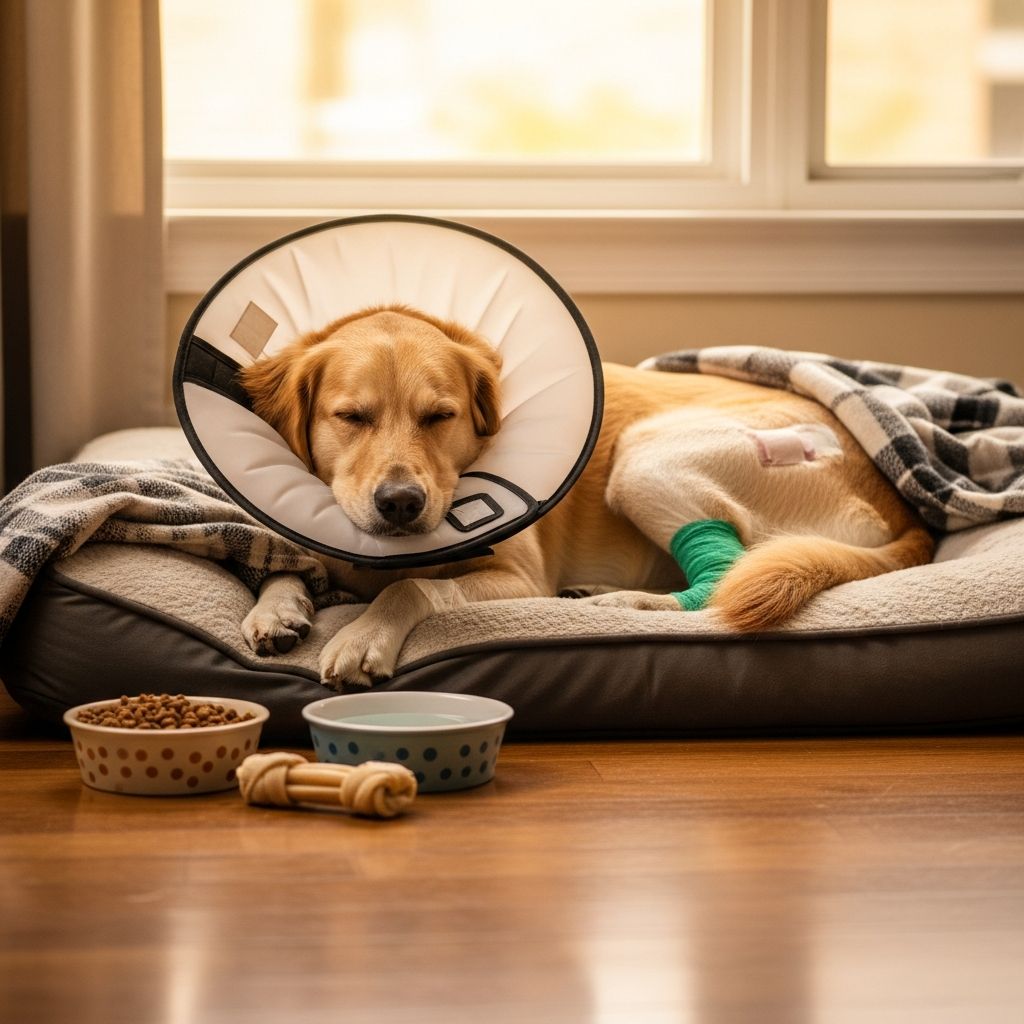
Your dog’s surgery is complete, but the healing journey starts now. Proper aftercare is crucial to prevent infections, promote tissue repair, and restore normal function quickly. This guide outlines key strategies based on veterinary best practices to help your pet recover comfortably.
Understanding the Initial Recovery Phase
The first 24-48 hours post-surgery are critical as anesthesia effects linger. Dogs often appear groggy, disoriented, or nauseous due to medications administered during the procedure. Provide a calm environment to minimize stress and support natural healing processes.
- Observe for lethargy, shivering, or unsteady gait, which are normal but should improve within a day.
- Avoid loud noises, other pets, or children to prevent startling your dog.
- Offer small amounts of water initially to check for vomiting risks before resuming food.
Maintain a comfortable temperature around 68-75°F in a draft-free space with soft bedding for rest. This setup aids in stabilizing body temperature and reducing discomfort.
Creating a Safe Recovery Space
Designate a quiet, confined area like a crate or small room to limit movement. This prevents jumping, running, or accidents that could reopen incisions.
| Recovery Space Essentials | Why It Matters |
|---|---|
| Clean bedding or crate pad | Supports comfort without pressure on wounds |
| Food and water bowls within reach | Allows easy access without excessive movement |
| Interactive low-energy toys (e.g., stuffed Kongs) | Keeps high-energy dogs mentally stimulated |
| Easy-clean flooring | Manages accidents during early recovery |
Supervise closely and block access to stairs, furniture, or high surfaces. For larger breeds, use baby gates to create boundaries.
Activity Management Strategies
Strict rest is non-negotiable for 10-14 days, depending on surgery type. Excessive movement stresses sutures, risks seromas (fluid buildup), or hardware failure in orthopedic cases.
- Confine to crate or small room when unsupervised.
- Use short leash walks only for bathroom breaks; return indoors immediately.
- Pause all exercise, play, or training sessions.
For energetic dogs, frozen treats in puzzle toys distract without physical exertion. Gradually increase activity only as vet-approved.
Medication Administration Best Practices
Vets prescribe pain relievers, antibiotics, or anti-inflammatories. Follow dosages precisely to avoid side effects like gastrointestinal upset.
- Give with food to prevent nausea.
- Track schedules using apps or charts.
- Never skip doses; complete full courses for antibiotics.
If vomiting occurs post-medication, contact your vet promptly for alternatives.
Wound Care and Incision Monitoring
Daily checks are essential. Normal signs include mild redness or bruising fading within days. Clean gently with vet-recommended saline if advised.
- Prevent licking/chewing with e-collars or alternatives like inflatable collars.
- Keep dry; no baths or swimming for 10-14 days.
Examine twice daily for issues. Use this checklist:
| Normal Findings | Warning Signs (Call Vet) |
|---|---|
| Slight swelling, clear discharge | Excessive redness, pus, foul odor |
| Mild bruising | Opening of incision, heavy bleeding |
| Glue intact | Hot to touch, increased pain |
Nutrition and Hydration During Recovery
Resume feeding small, frequent meals of their regular diet unless instructed otherwise. Fasting pre-surgery slows digestion, so ease back gradually.
- Monitor for refusal of food beyond 24 hours or diarrhea.
- Ensure constant fresh water access.
- Avoid treats or human food to prevent upset stomach.
For picky eaters wearing e-collars, elevate bowls or hand-feed temporarily.
Bathroom Habits and Toileting Tips
Expect irregular bowel movements initially due to anesthesia. Straining or no poop for 2-3 days is common; contact vet if persistent.
- Leash walks for potty breaks only.
- Clean accidents promptly to avoid infections.
- Watch for urinary issues like straining or blood.
Probiotics may help gut recovery if approved by your vet.
Preventing Common Complications
Proactive monitoring averts most issues. Key risks include infections, dehiscence (wound opening), or seromas.
- Enforce collar use; check fit hourly initially.
- Limit interactions with other animals.
- Track temperature if thermometer provided (normal: 100-102.5°F).
Behavioral changes like whining, pacing, or hiding signal pain—inform your vet.
When to Contact Your Veterinarian
Err on caution; call immediately for:
- Non-stop vomiting or diarrhea.
- Lethargy beyond 48 hours.
- Incision abnormalities listed above.
- Refusal to eat/drink for 24+ hours.
- Swollen abdomen or breathing distress.
Follow-up appointments are vital for suture removal and progress checks.
Long-Term Rehabilitation and Follow-Up
Beyond initial rest, some surgeries require physical therapy. Discuss hydrotherapy or controlled walks with your vet.
- Attend all scheduled rechecks.
- Transition slowly to normal activity.
- Monitor for subtle lameness or stiffness.
Patience yields full recovery; most dogs resume routines within 4-6 weeks.
Frequently Asked Questions (FAQs)
How long should my dog wear the cone after surgery?
Typically 10-14 days or until the incision heals fully. Remove only under supervision for meals if needed.
Is it okay if my dog sleeps a lot post-op?
Yes, rest is essential. Excessive sleepiness beyond 2 days warrants a vet call.
What if my dog removes stitches?
Rush to the vet for repair; do not attempt home fixes.
Can I give over-the-counter pain meds?
No—human drugs like ibuprofen are toxic to dogs. Use only prescribed medications.
How do I keep my active dog calm?
Crate confinement, mental puzzles, and short leashed outings work best.
This comprehensive approach ensures your dog’s optimal recovery. Consult your vet for personalized advice tailored to the procedure.
References
- 9 Ways to Soothe Your Dog After Surgery — GoodRx. 2023. https://www.goodrx.com/pet-health/dog/soothe-dog-pain-after-surgery
- Caring for Your Cat or Dog After Surgery — MedVet. 2024. https://www.medvet.com/post-surgery-care-for-pet/
- How To Care For Your Dog After Surgery — PDSA. 2023. https://www.pdsa.org.uk/pet-help-and-advice/pet-health-hub/other-veterinary-advice/how-to-care-for-your-dog-after-surgery
- Post-Op Care for Dogs: A Guide to Recovery After Surgery — Hamilton Road Animal Hospital. 2025-09-22. https://www.hamiltonrdanimalhospital.com/blog/1371040-post-op-care-for-dogs-a-guide-to-recovery-after-surgery
- After Surgery Instructions — ASPCA Spay/Neuter Alliance. 2024. https://www.aspca.org/aspca-spay-neuter-alliance/after-surgery-instructions
Similar Articles








Read full bio of medha deb




