

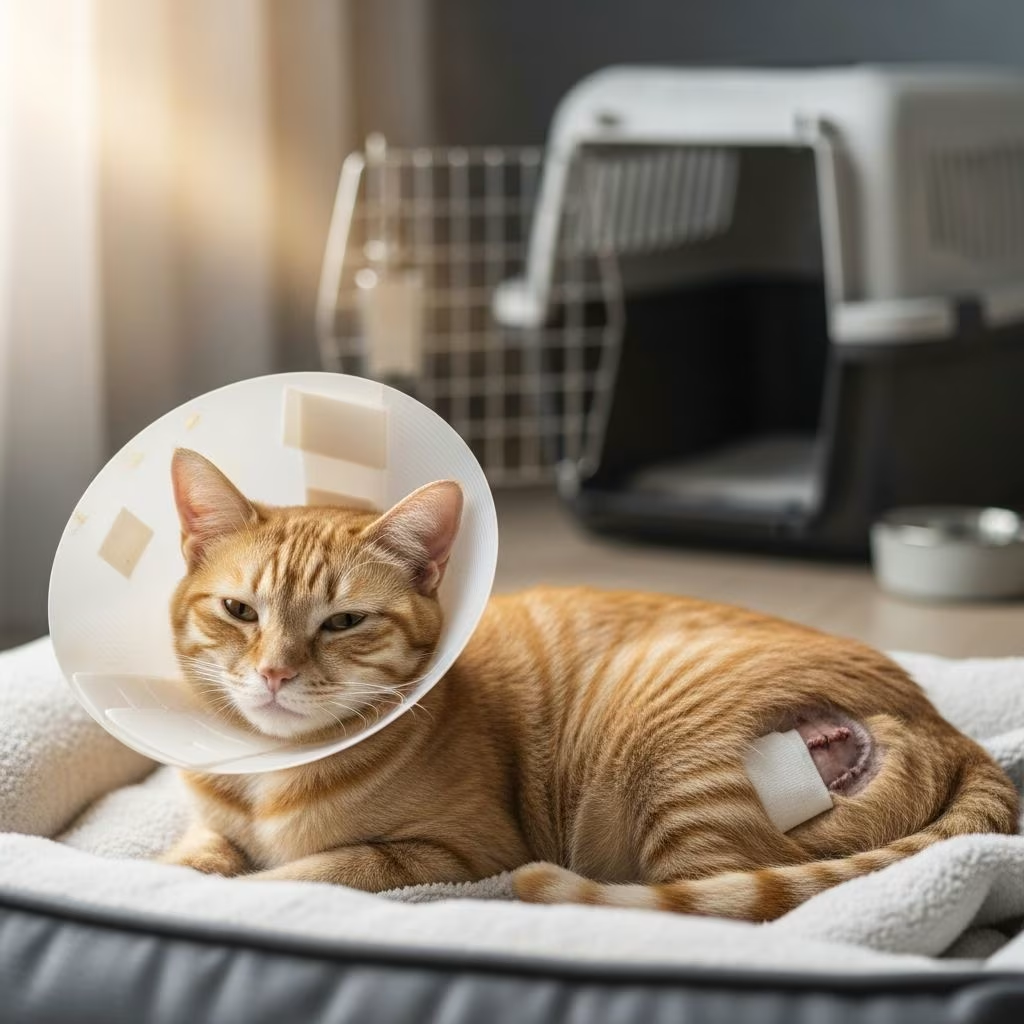
Post-Surgery Cat Care: A Complete Recovery Guide
Having your cat undergo surgery can be stressful for both you and your feline companion. However, proper post-operative care is crucial to ensure a smooth and complete recovery. The days and weeks following surgery are critical for your cat’s healing process, and understanding what to expect will help you provide the best possible care during this vulnerable time. This comprehensive guide covers everything you need to know about caring for your cat after surgery, from the moment they arrive home to their complete recovery.
Creating the Ideal Recovery Environment
When your cat arrives home after surgery, the environment you provide plays a significant role in their recovery success. Your cat should remain indoors in a quiet, comfortable space away from other pets and children. Designate a specific recovery area, ideally a bedroom or bathroom, where your cat can rest without disturbances. Keep the room at a comfortable temperature between 68°F and 75°F (20°C to 24°C). This temperature range helps maintain your cat’s body temperature, which is especially important since cats cannot regulate their body temperature effectively while recovering from anesthesia.
Set up a soft, clean bed in this recovery space, and ensure there is minimal noise and no drafts. Cats are sensitive to their surroundings during recovery, and a calm environment reduces stress, which can actually promote faster healing. Consider using a heating pad on low setting to keep your cat warm, but ensure your cat can move away from it if they become too warm.
Activity Restriction and Movement Limitations
One of the most important aspects of post-surgery care is restricting your cat’s activity. For most procedures, your cat’s activity should be restricted for 7–10 days after surgery. During this critical period, it is essential to avoid running, jumping, and other strenuous activities that could cause strain on the surgical wound or incision site.
To help restrict your cat’s movement and prevent jumping:
- Remove or block access to cat trees and high furniture
- Keep your cat indoors at all times during the recovery period
- Avoid playing with toys that encourage running or jumping
- Limit interactions with other cats that might encourage active play
- Consider using a large, comfortable crate or pen if your cat is particularly active
- Use baby gates to restrict access to certain areas of your home if needed
How soon your cat can resume normal activities depends on the type of operation they underwent. In most cases, your cat’s activity will need to be restricted for at least one to two weeks or until the sutures are removed. During this time, it is essential to limit your cat’s activity to prevent the incision from opening. About 80% of your cat’s recovery will occur approximately 8 to 12 weeks after surgery, though some orthopedic surgeries may require 6 months or longer for complete healing.
Managing Food and Water Intake
Nutrition plays a vital role in your cat’s surgical recovery. Before you return home, discuss the appropriate diet with your veterinarian. Unless your vet has recommended a special diet, feed your cat their normal food little and often. Small, frequent meals are easier for your cat to digest during recovery than one large meal.
If your cat doesn’t want to eat, try warming their food for a few seconds in the microwave (always mix well afterward), or offer plain cooked chicken breast or white fish. It is very important that your cat continues to eat after surgery, as proper nutrition supports the healing process. For cats with poor appetite, your veterinarian may recommend high-calorie prescription diets specifically formulated for recovery, such as Hill’s Prescription Diet Urgent Care a/d or Purina Pro Plan Veterinary Diets Critical Nutrition CN.
Always provide fresh, clean water at all times during recovery. Consider using a water fountain to help encourage drinking, as some cats prefer running water. Monitor the volume of water your cat drinks, as proper hydration is essential. If you notice your cat is vomiting or having diarrhea, they can become dehydrated more quickly, so contact your veterinarian if these symptoms occur.
Litter Box Management
Your cat will need to use the litter box during recovery, so providing the right setup is important. Provide a litter tray that is easy to get in and out of, ideally with at least one low side. This reduces strain on the surgical wound as your cat enters and exits the box. Use a litter that won’t get stuck to the wound—paper-based or wood-based pellet litters tend to work better than traditional clay litter.
If your cat is having difficulty using the litter box or going outside the box after surgery, discuss this with your veterinarian. Constipation is common after surgery due to pain medication and reduced activity. Your veterinarian may recommend dietary changes, such as increasing fiber content or offering moist and semi-moist diets, supplements like probiotics, or prescription medications to help stimulate bowel movements.
Medication Administration and Pain Management
Make sure you give your cat all their prescribed medication on time. Your veterinarian will explain the dosage and frequency of your cat’s pain management medications before you leave the surgical facility. It can be helpful to use a medication chart to keep track and set alarms to remind you when the next dose is due. Follow these instructions as closely as possible to prevent unnecessary pain during recovery and to eliminate the risk of side effects.
Pain management is critical to your cat’s recovery. Your veterinarian may prescribe NSAIDs (non-steroidal anti-inflammatory drugs) like meloxicam or carprofen, or other pain medications such as Gabapentin. Some cats benefit from anti-anxiety medications like Trazodone to help them remain calm during recovery. Never adjust medication dosages or stop giving medications without consulting your veterinarian first.
Wound Care and Suture Management
Protecting your cat’s surgical wound is essential to prevent infection and complications. If your cat has stitches or an incision site on the outside of the body, purchase a protective device to stop them from licking their wound. Options include:
- Plastic Elizabethan collars (e-collars or cone collars)
- Inflatable recovery collars
- Protective fabric body suits
- Cardboard protective cones
Licking the surgical area can significantly increase the risk of infection and inflammation, which can loosen the sutures. The physical motion of grooming can also displace and remove sutures altogether. It is very common during the first 10–14 days of recovery that skin sutures and staples may become loose or even break with normal daily movement, so preventing your cat from licking the area is crucial.
Stitches placed on the inside of your pet’s incision will dissolve as the incision heals. If your cat has bandages or stitches on the outside of the surgical incision site, your veterinarian will remove them after approximately 2 weeks from the procedure. Your vet will let you know what kind of stitches were used and what follow-up care they will require.
Avoid baths and getting the surgical site wet during recovery, as moisture can introduce bacteria into the wound and lead to infection. Keep the area clean and dry, and monitor it regularly for any signs of redness, swelling, discharge, or opening of the incision.
Monitoring for Complications
While most surgeries go smoothly and cats recover without complications, it’s important to monitor your cat closely during the recovery period. Check your cat often and keep an eye out for any bleeding, inflammation, possible infection, and lack of appetite. Contact your veterinarian immediately if your cat experiences any of the following warning signs:
- Excessive bleeding from the surgical site
- Swelling, redness, or discharge from the incision
- The incision opening or separating
- Vomiting or difficulty breathing
- Refusal to eat for more than 24 hours
- Lethargy or lack of response
- Signs of pain such as excessive vocalization or restlessness
- Loss of bowel or bladder control
- Fever or signs of infection
Before the surgery, know how to reach your veterinary clinic if problems arise during recovery. If your cat is vomiting while still unconscious or drowsy from anesthesia, turn their head to one side to avoid choking. You can gently tip your cat’s recovery area to no more than a 30-degree angle if necessary, being careful not to jostle them too much.
Behavioral Changes During Recovery
Be aware that your cat’s behavior may be slightly altered in the first 24 hours after surgery. Your cat will likely be drowsy from anesthesia for the first 24 hours, so offer a warm, quiet space where they can rest undisturbed. This grogginess is completely normal and should resolve within 24 hours as the anesthesia wears off. Some cats may seem disoriented or confused, which typically resolves with time.
Cats usually need 24 hours to recover from anesthesia. Depending on recovery speed and the type of surgery, some cats may need additional time. For example, after spay surgeries, females may require up to 48 hours to recover completely. Ensure your cat is fully conscious, clear-eyed, and alert before allowing normal activity.
Sutures Removal and Follow-Up Appointments
Go to all your cat’s check-up appointments, even if they seem to be completely recovered. These appointments are essential for your veterinarian to assess the healing progress and determine if the surgical site is healing properly. During these visits, your veterinarian will examine the incision, assess your cat’s overall recovery, and remove any external stitches if needed.
Contact your veterinarian if you have any concerns about your cat following surgery. If any of the advice differs from what your vet team has told you, follow their advice, which is specific to your cat and the surgery they’ve had. Your veterinarian’s instructions should always take precedence over general guidance.
Timeline for Normal Activity Resumption
Understanding the recovery timeline helps you set appropriate expectations for your cat’s return to normal activity. Most cats can be expected to show initial improvement within the first 24–48 hours, though they may still be groggy and uncomfortable. Over the next 1–2 weeks, you should see gradual improvement as pain decreases and your cat becomes more active. However, full recovery takes much longer than the initial visible improvement suggests.
For the first 1–2 weeks after surgery, maintain strict activity restriction. After this period, you can gradually increase your cat’s activity level, but continue to monitor the surgical site for any signs of complications. For most procedures, your cat should be mostly recovered within 2–4 weeks, though some surgeries require longer healing times. Orthopedic surgeries in particular may require 6 months or more for complete healing.
Frequently Asked Questions
Q: How long should I keep my cat indoors after surgery?
A: Your cat should remain indoors for the entire recovery period, which is typically 7–10 days for most procedures. Some surgeries may require longer restriction. Your veterinarian will provide specific guidelines based on the type of surgery your cat had.
Q: Can my cat eat normally after surgery?
A: Unless your vet recommends a special diet, you can feed your cat their normal food, but in small, frequent amounts. If your cat doesn’t want to eat, try warming the food or offering plain cooked chicken or fish. If your cat refuses to eat for more than 24 hours, contact your veterinarian.
Q: Do I need to use a cone on my cat after surgery?
A: If your cat has external stitches, using a protective cone, inflatable collar, or body suit is strongly recommended to prevent them from licking the surgical site, which could cause infection or remove the stitches.
Q: When can my cat resume jumping and running?
A: Most cats need activity restriction for 7–10 days, though this varies by surgery type. Avoid allowing your cat to jump, run, or engage in strenuous activity during this period, as it could disrupt the incision healing.
Q: What should I watch for during recovery?
A: Monitor your cat for bleeding, swelling, discharge, opening of the incision, vomiting, difficulty breathing, loss of appetite, or signs of infection. Contact your veterinarian immediately if you notice any of these warning signs.
References
- Caring For Your Cat After Surgery | Pet Health Advice — PDSA. https://www.pdsa.org.uk
- Post-Operative Instructions in Cats — VCA Animal Hospitals. https://vcahospitals.com/know-your-pet/post-operative-instructions-in-cats
- Post-Surgery Care — Alley Cat Allies. https://www.alleycat.org/community-cat-care/post-surgery-care/
- Cat Surgery Aftercare FAQs — PetMD. https://www.petmd.com/cat/cat-surgery-aftercare-faqs
- How To Help Your Cat Recover From Surgery — Northeast Veterinary Hospital. https://www.northeast-vet.com
- Tips for Cats Recovering From Surgery — Windsor Veterinary Clinic. https://www.nevccc.com
- Spay/Neuter Post-Surgical Care and Recovery Instructions — Animal Humane Society. https://www.animalhumanesociety.org



