

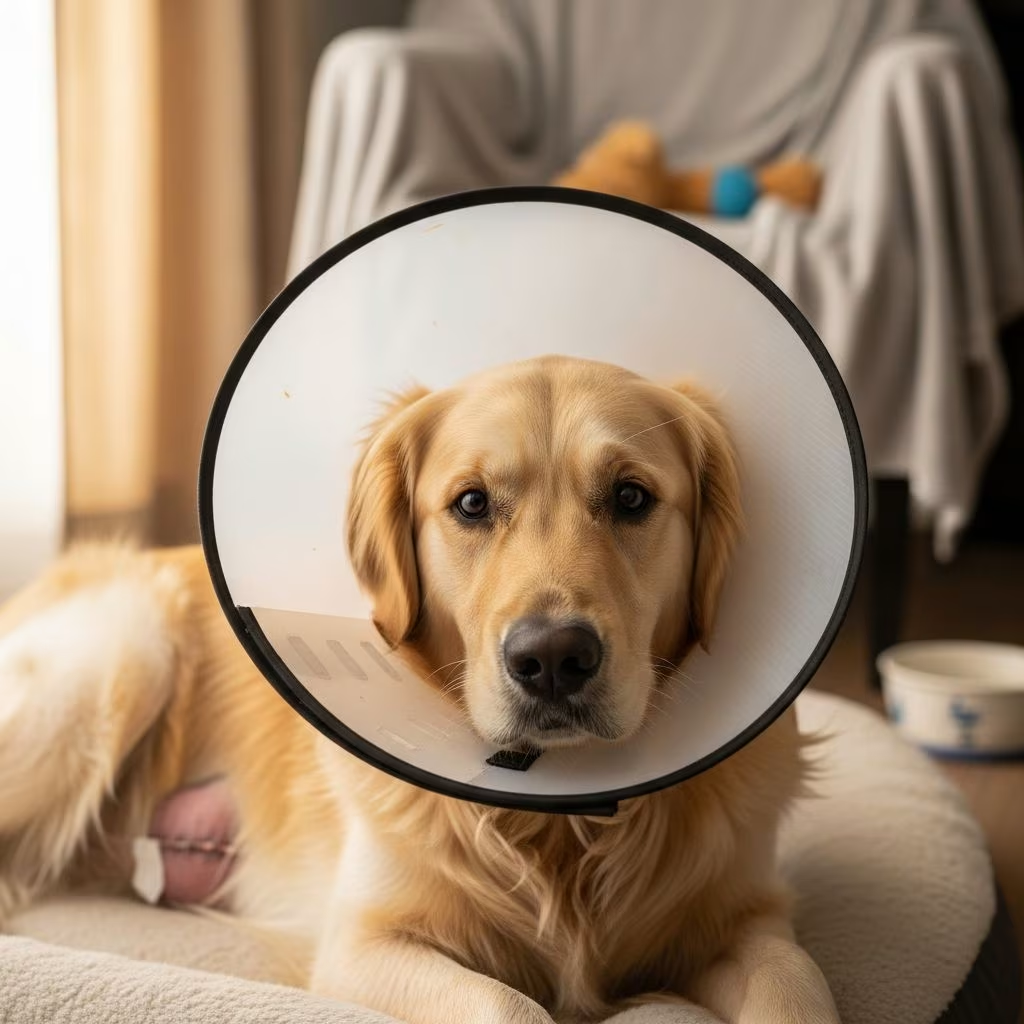
Spaying a female dog is a common procedure that offers numerous health benefits, but proper aftercare is crucial for a swift and safe recovery. Most dogs heal fully within 10 to 14 days when owners follow veterinary guidelines closely, minimizing risks like infection or suture failure. This guide provides detailed steps to support your pet through each phase.
Understanding the Spay Procedure and Initial Effects
The spay surgery involves removing the ovaries and uterus, performed under general anesthesia. Immediately after, dogs often appear groggy, with reduced appetite and mild swelling at the incision site, which is normal and typically resolves in 24-48 hours. Prepare a quiet recovery space beforehand: a crate or small room with soft bedding, fresh water, and easy access for bathroom needs helps reduce stress and prevents injury.
Day-by-Day Healing Timeline
Recovery progresses predictably if activity is controlled. Use this timeline to track progress and adjust care accordingly.
| Recovery Phase | Expected Symptoms | Recommended Actions |
|---|---|---|
| Day 1 | Grogginess, low appetite, minor bruising | Rest only, small bland meals, e-collar on |
| Days 2-3 | Increasing energy, incision drying | Short leash walks, twice-daily checks |
| Days 4-7 | Sutures tightening, less swelling | Strict confinement, monitor discharge |
| Days 8-14 | Healing advances, possible stitch removal | Vet recheck, gradual activity increase |
| After Day 14 | Full external healing | Normal routines if vet approves |
This structured approach, drawn from veterinary protocols, ensures internal tissues mend without setbacks.
Essential Activity Restrictions
Preventing overexertion is the top priority, as jumping or running can rupture sutures or cause internal bleeding, even if your dog acts energetic early on. Confine to a crate, pen, or gated area for 10-14 days minimum. Leash-only potty breaks—no stairs, play, or unsupervised roaming. For high-energy breeds, consider vet-recommended calming aids.
- Block access to furniture or high spots.
- Supervise interactions with other pets or children.
- Avoid baths, swimming, or wet environments until cleared.
Incision Site Monitoring and Protection
Examine the 2-4 inch abdominal incision daily for optimal healing. It should appear clean, dry, and slightly pink initially, fading over time. Use an e-collar (cone) or recovery suit to deter licking, which introduces bacteria and delays closure.
Normal signs: Mild redness, bruising, serous fluid.
Warning signs needing immediate vet call:
- Excessive swelling or heat.
- Pus, foul odor, or heavy bleeding.
- Incision opening or dog straining.
Cleaning gently with vet-approved saline prevents complications.
Nutrition and Medication Management
Offer small, frequent meals of bland food (boiled chicken/rice) for the first 24-48 hours to combat nausea. Gradually return to regular diet by day 3. Administer pain meds and antibiotics exactly as prescribed—never skip doses, even if your dog seems fine. Fresh water is always available to prevent dehydration.
| Feeding Tip | Purpose |
|---|---|
| Small portions hourly Day 1 | Avoids vomiting |
| Bland diet Days 1-3 | Eases digestion |
| Normal food post-Day 3 | Restores nutrition |
Behavioral Changes and Emotional Support
Hormonal shifts post-spay can cause temporary clinginess, irritability, or reduced interest in play, peaking in days 1-5 and stabilizing over weeks. Provide enrichment like puzzle toys or scent games in a calm setting. Separate from unneutered males for 4-6 weeks to avoid stress. Positive reinforcement helps reinforce calm behaviors during this adjustment.
Potential Complications and When to Seek Help
While rare, watch for fever, lethargy beyond 48 hours, refusal to eat/drink, or abdominal bloating—these signal issues like infection or hernia. Contact your vet promptly; early intervention prevents escalation. Puppies may heal faster but require equal vigilance.
Long-Term Benefits and Follow-Up
Beyond recovery, spaying reduces risks of mammary tumors and pyometra. Schedule a 10-14 day recheck for stitch removal and clearance. Full internal healing takes up to 6 weeks, so ease into exercise.
Frequently Asked Questions
How long until my dog acts normal after spaying?
Grogginess fades in 24 hours, but full behavior normalization takes 10-14 days with restrictions.
Can my dog sleep in my bed during recovery?
No—jumping on/off beds risks injury. Use a floor-level crate instead.
What if my dog removes the cone?
Try alternatives like a t-shirt or recovery suit; consult vet for options.
Is swelling normal, and how much?
Mild swelling peaks Day 2-3 and subsides; excessive requires a vet visit.
When can my dog play with other dogs?
Not until vet clearance at 14+ days to prevent rough play.
Creating a Recovery Kit
Stock these essentials for seamless care:
- E-collar or body suit.
- Clean towels and saline solution.
- Crates/pen for confinement.
- Bland food ingredients.
- Thermometer for fever checks.
- Pet-safe pain relief (vet-prescribed).
With diligent care, your dog will thrive post-spay, enjoying a healthier life ahead.
References
- Dog Spay/Neuter Post-Op Care Tips | Smooth Recovery Guide — Bliss Animal Hospital. 2023. https://blissanimalhospital.com/blog/post-op-care-for-dogs-after-spay-or-neuter-surgery/
- How to Care for Your Dog After Spay or Neuter Surgery — Sustainable Vet. 2024. https://www.sustainablevet.org/blog/dog-post-spay-neuter-recovery-care
- Aftercare for Spayed/Neutered Dogs and Cats – The Post-Surgery Recovery Guide — Spay Neuter Vets. 2023. https://www.spayneutervets.com/blog/post-surgery-recovery-guide
- 6 Must-Have Items for Your Dog’s Spay or Neuter Recovery — PetMD. 2024. https://www.petmd.com/dog/care/create-your-home-kit-neuter-and-spay-recovery-dogs
- Spay/neuter post-surgical care and recovery instructions — Animal Humane Society. 2022. https://www.animalhumanesociety.org/resource/spayneuter-post-surgical-care-and-recovery-instructions



