

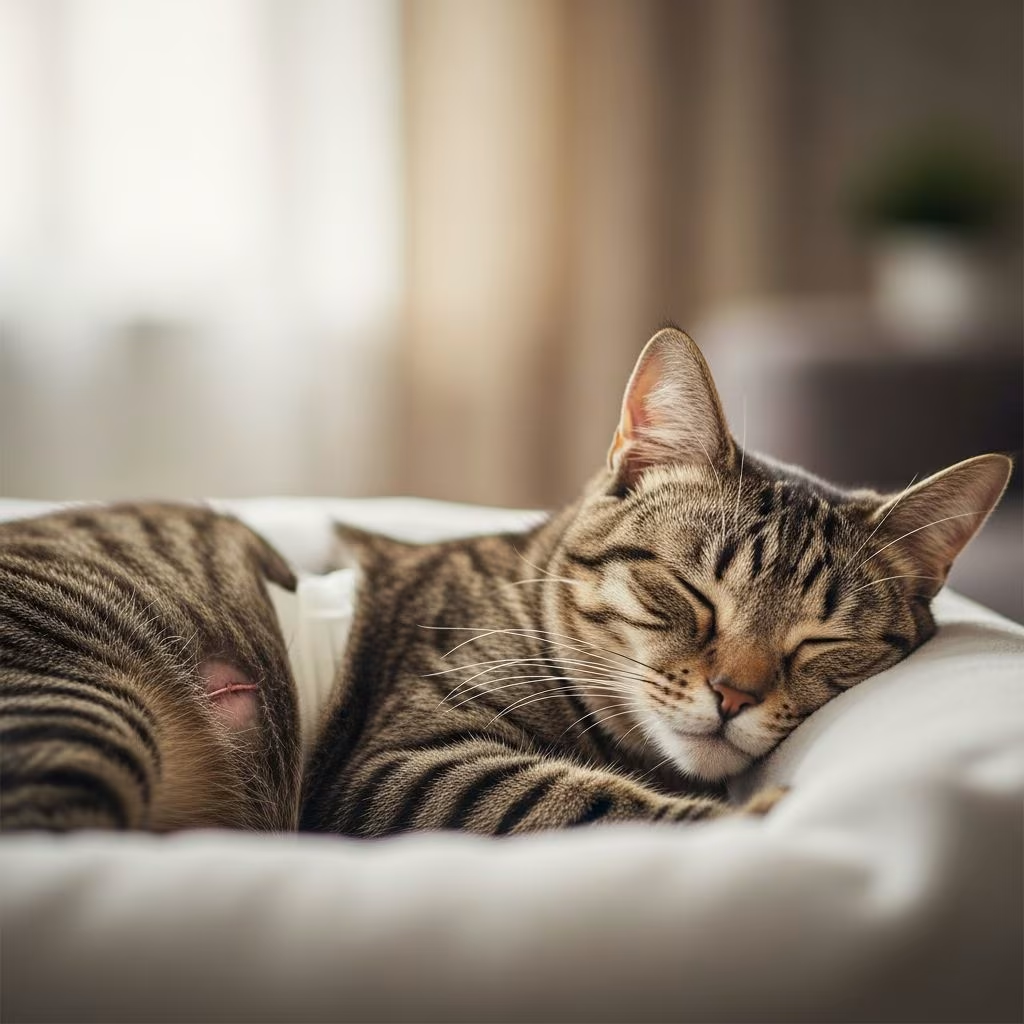
Spaying your female cat is a vital procedure that prevents unwanted litters, reduces cancer risks, and improves behavior. Proper aftercare ensures quick healing and minimizes complications. This guide outlines the recovery process over two weeks, drawing from veterinary best practices.
Understanding the Spay Procedure and Initial Effects
The spay surgery, or ovariohysterectomy, removes the ovaries and uterus under general anesthesia. Cats typically go home the same day, groggy from sedation. Expect disorientation, reduced appetite, and sleepiness in the first day as anesthesia wears off. Pain medications like meloxicam or Onsior are often prescribed to manage discomfort and speed recovery.
Provide a stress-free environment immediately post-surgery. Keep your cat in a warm, quiet room away from other pets and children to avoid jumps or rough play. Fresh water should always be available, but limit initial intake to prevent nausea.
Recovery Timeline: What Happens Day by Day
Healing progresses in stages. Here’s a structured overview:
| Timeframe | Expected Behaviors | Care Focus |
|---|---|---|
| First 24 Hours | Groggy, low appetite, resting | Monitor closely, no unattended time, small water offers |
| Days 2-4 | Energy returns, normal eating | Check incision daily, restrict activity, indoor only |
| Days 5-7 | Increased activity attempts | Prevent jumping/climbing, use confinement if needed |
| Days 8-14 | Near-normal behavior | Follow-up vet visit, gradual routine return |
Female cats often need 10-14 days for full activity resumption, longer than males. Young kittens recover faster but require supervision to curb playfulness.
Creating the Ideal Recovery Space
Designate a small, comfortable area like a bathroom or crate with soft bedding. Maintain the familiar litter box with the same litter to ease stress and encourage use. Cover the space to retain warmth, as body temperature drops post-anesthesia.
- Warmth: Use blankets or heating pads on low (never direct heat).
- Isolation: Separate from other animals; swap bedding for scent familiarization.
- Accessibility: Place food, water, and litter nearby to minimize movement.
Pheromone diffusers like Feliway can calm nerves during this adjustment. Avoid baths or wetting the incision entirely.
Medication Management and Pain Control
Administer all prescribed drugs exactly as directed—typically oral pain relievers or anti-inflammatories. Never use human medications, as they can be toxic. If your cat seems pained (hiding, aggression, or incision interference), contact your vet promptly.
For energetic cats, vets may suggest mild sedatives to enforce rest. Consistent dosing supports faster tissue repair and reduces infection risk.
Incision Monitoring: Spotting Trouble Early
Inspect the 1-2 inch abdominal incision daily for optimal healing. It should be dry, with edges closing and minor scabbing by day 3-4.
- Normal signs: Light redness fading, small bruise, no odor.
- Warning signs: Swelling, pus/discharge, excessive redness, foul smell, or opening—seek vet care immediately.
Prevent licking or chewing with an E-collar (cone) or recovery suit, especially days 2-7 when curiosity peaks. Keep the area clean and dry; gently wipe with saline if needed, but no soaps.
Activity Restrictions and Confinement Strategies
Limit strenuous actions—no running, jumping, or play—for 7-14 days to protect internal sutures. Cats are agile, so confinement is key:
- Small room or large kennel for containment.
- Block stairs, furniture access.
- No toys, lasers, or interactive games.
Leashed potty breaks if outdoors, but keep indoors fully until healed. Gradually increase freedom after vet approval at 2 weeks.
Nutrition and Hydration During Healing
Start with quarter-portions of usual food to avoid vomiting, then normalize. Maintain consistent diet—no sudden changes causing diarrhea. High-quality, protein-rich food aids tissue repair.
Ensure constant fresh water. Monitor urination/defecation; constipation from pain meds warrants vet advice. Weight monitoring prevents post-spay gain from metabolic shifts.
Special Considerations for Kittens, Seniors, and Feral Cats
Kittens bounce back quicker but need extra watching against overactivity. Seniors may heal slower, requiring extended rest and check-ins.
For feral or trap-neuter-release cats, hold 12-48 hours in a warm trap until alert, then release to familiar sites only. Provide food/water post-release; monitor from afar.
When to Contact Your Veterinarian
Call immediately for:
- No eating/drinking after 24-48 hours.
- Vomiting, diarrhea, or lethargy beyond day 2.
- Incision issues, fever, or swelling.
- Difficulty breathing or pale gums.
Schedule a 10-14 day recheck to confirm healing. Early intervention prevents dehiscence or infections.
Long-Term Benefits and Lifestyle Adjustments
Post-recovery, spayed cats enjoy lower mammary cancer risk, no heat cycles, and calmer demeanors. Monitor weight with portion control and play to counter reduced energy needs.
Annual check-ups ensure ongoing health. Spaying supports population control and your cat’s longevity.
Frequently Asked Questions (FAQs)
How long does full recovery take after spaying a cat?
Typically 10-14 days for females, with restrictions lifted after vet confirmation.
Should my cat wear a cone after spaying?
Yes, if licking the incision; alternatives like suits work too.
Can my cat go outside during recovery?
No, keep indoors 7-14 days minimum to avoid risks.
What if my cat won’t eat after surgery?
Offer small amounts; if persistent beyond 48 hours, consult vet.
Will spaying change my cat’s personality?
It often reduces roaming and yowling, but core traits remain.
References
- Cat Spay Recovery Timeline — Main Street Veterinary Center. 2023. https://mainstreetvetcenter.com/blog/cat-spay-recovery-timeline/
- Aftercare for Spayed/Neutered Dogs and Cats — Spay Neuter Vets. 2024. https://www.spayneutervets.com/blog/post-surgery-recovery-guide
- Spayed Cat Aftercare — PetMD. 2024-02-15. https://www.petmd.com/cat/general-health/spayed-cat-aftercare
- Cat Spay & Neuter Recovery Guide — Bliss Animal Hospital. 2023. https://blissanimalhospital.com/blog/what-to-expect-after-cat-spay-or-neuter-surgery/
- Spay/Neuter Post-Surgery Care — Feral Cat Focus. 2023. https://feralcatfocus.org/spayneuter-post-surgery-care/
- Post-Surgery Care — Alley Cat Allies. 2024. https://www.alleycat.org/community-cat-care/post-surgery-care/



