

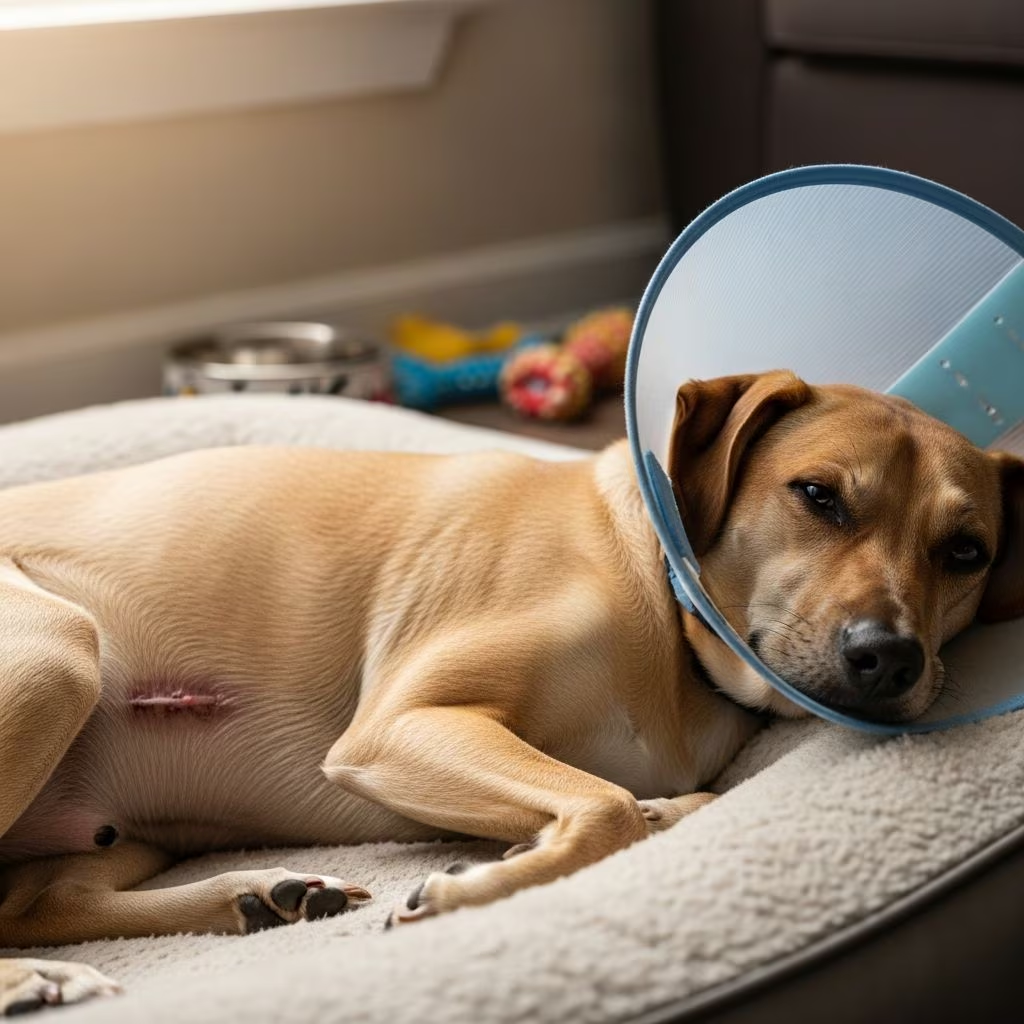
Spaying a female dog is a routine procedure that offers lifelong health benefits, including reduced risks of certain cancers and infections. However, the postoperative period demands close attention to ensure proper healing. Most dogs recover fully within 10 to 14 days, but vigilance is essential to spot any deviations early. This article outlines expected recovery phases, normal versus concerning symptoms, practical home care strategies, and when to seek professional help.
Understanding the Spay Procedure and Initial Healing
The spay surgery, or ovariohysterectomy, involves removing the ovaries and uterus through a small abdominal incision. Anesthesia effects linger initially, leading to grogginess in the first 24 hours. External sutures or tissue glue close the skin, while internal stitches dissolve over weeks. Full internal recovery may extend to six weeks, even if outward signs improve sooner.
During the immediate post-op phase, prioritize a calm environment. Limit movement to prevent strain on the incision. Provide a quiet, warm space away from other pets or children to minimize stress.
Day-by-Day Breakdown of Expected Recovery
Tracking progress daily helps owners gauge healing accurately. Here’s a structured timeline based on veterinary guidelines:
| Timeframe | Typical Symptoms | Care Actions |
|---|---|---|
| Day 1 | Grogginess, low appetite, minor swelling or bruising | Rest only, small soft meals, monitor breathing |
| Days 2-3 | Appetite returns, slight energy increase | Leash walks max, e-collar if licking |
| Days 4-7 | Normal eating, reduced lethargy | Check incision twice daily, continue restrictions |
| Days 8-14 | Incision closing, energy normalizes | Vet recheck, gradual activity if approved |
| After 14 Days | Full external healing | Resume routines post-vet clearance |
This timeline assumes a healthy adult dog; puppies or seniors may heal slower. Adjustments depend on breed size and health history.
Normal Healing Indicators to Reassure You
Not all changes signal trouble. Recognize these benign signs:
- Mild redness or puffiness around the incision, fading over days.
- Small serous (clear) discharge in the first 48 hours.
- Temporary stiffness after lying down, easing with gentle movement.
- Gradual appetite and playfulness return by day 4.
- Scab formation or slight bruising that resolves naturally.
These reflect the body’s inflammatory response aiding repair. Consistency in monitoring builds confidence in the process.
Critical Warning Signs Demanding Immediate Action
While most recoveries proceed smoothly, complications like infections or hernias occur in a small percentage. Act fast on these alerts:
- Excessive swelling, heat, or pus from the site, suggesting infection.
- Bloody or foul-smelling discharge beyond minor spotting.
- Non-stop licking or chewing despite e-collar, risking bacterial entry.
- Persistent vomiting, diarrhea, or refusal to eat past 48 hours.
- Lethargy or pale gums indicating pain or anemia.
- Visible bulge or opening at incision, possible dehiscence or hernia.
Fever (over 102.5°F rectally) or rapid breathing also warrants urgent care. Delaying can escalate minor issues into emergencies.
Effective Home Care Strategies for Success
Proactive measures significantly boost outcomes. Key practices include:
- Activity confinement: No stairs, jumping, or roughhousing for 10-14 days. Crate rest aids compliance.
- Incision protection: Use an Elizabethan collar or recovery suit religiously. Clean gently with vet-approved saline if soiled.
- Pain management: Administer prescribed meds on schedule; never skip doses.
- Nutrition and hydration: Offer bland, small meals initially; ensure fresh water access.
- Hygiene: Delay baths until day 14; spot-clean elsewhere.
Schedule a 10-14 day vet follow-up for suture checks, even if all seems well.
Factors Influencing Recovery Speed and Quality
Healing varies by individual traits. Larger breeds or obese dogs face longer timelines due to tissue volume. Puppies under six months often bounce back quicker but need stricter supervision. Pre-existing conditions like diabetes prolong recovery.
Owner compliance is pivotal. Studies show restricted activity cuts complication rates by over 50%. Environmental factors, such as clean bedding and temperature control, further support immunity.
Long-Term Benefits and Follow-Up Essentials
Beyond recovery, spaying slashes mammary tumor risks by 99% if done before first heat, per veterinary data. It also eliminates pyometra, a fatal uterine infection. Post-recovery, monitor for urinary changes or weight gain, manageable with diet tweaks.
Annual check-ups track overall wellness. Discuss hormone-sparing alternatives if concerned about orthopedic risks in large breeds.
Frequently Asked Questions
When can my dog resume walks after spaying?
Short leash walks are okay by days 2-3 for elimination, but no off-leash play until vet approval at 14 days.
Is it normal for the incision to ooze a bit?
Minor clear fluid is common early on; call vet for blood, pus, or odor.
How do I stop my dog from licking the site?
E-collars, onesies, or bitter sprays work best; constant supervision prevents damage.
What if my dog seems in pain after a few days?
Expect some discomfort; if whining persists or worsens, contact your vet for med adjustments.
Can puppies be spayed safely, and how does recovery differ?
Yes, from 8 weeks; they heal faster externally but require equal rest to protect growth.
Armed with this knowledge, dog owners can navigate post-spay care confidently, fostering quicker, safer recoveries.
References
- From Surgery to Snuggles: How Long is Dog Spay Recovery — Lakeville Vet. 2023-05-15. https://lakevillavet.com/?p=1916
- Female Dog Spay Recovery Guide — Aspen Animal Wellness. 2024-02-10. https://aspenanimalwellness.com/female-dog-spay-recovery-guide/
- Spay Recovery Timeline for Dogs — Dwight Vet. 2023-11-20. https://www.dwightvet.com/spay-recovery-timeline-for-dogs/
- Essential Guide to Pet Recovery After Spaying or Neutering — Watsons Friends. 2024-01-08. https://www.watsonsfriends.com/what-to-expect-after-spaying-or-neutering/
- Dog Spay/Neuter Post-Op Care Tips — Bliss Animal Hospital. 2023-09-12. https://blissanimalhospital.com/blog/post-op-care-for-dogs-after-spay-or-neuter-surgery/
- Female Dog Spay Recovery: Healing Time & Vet Care Tips — Farmington Vet Hospital. 2024-03-05. https://www.farmingtonvethospital.com/female-dog-spay-recovery-guide/
- Dog Spay Surgery — PetMD. 2025-01-15. https://www.petmd.com/dog/procedure/dog-spay-surgery



