

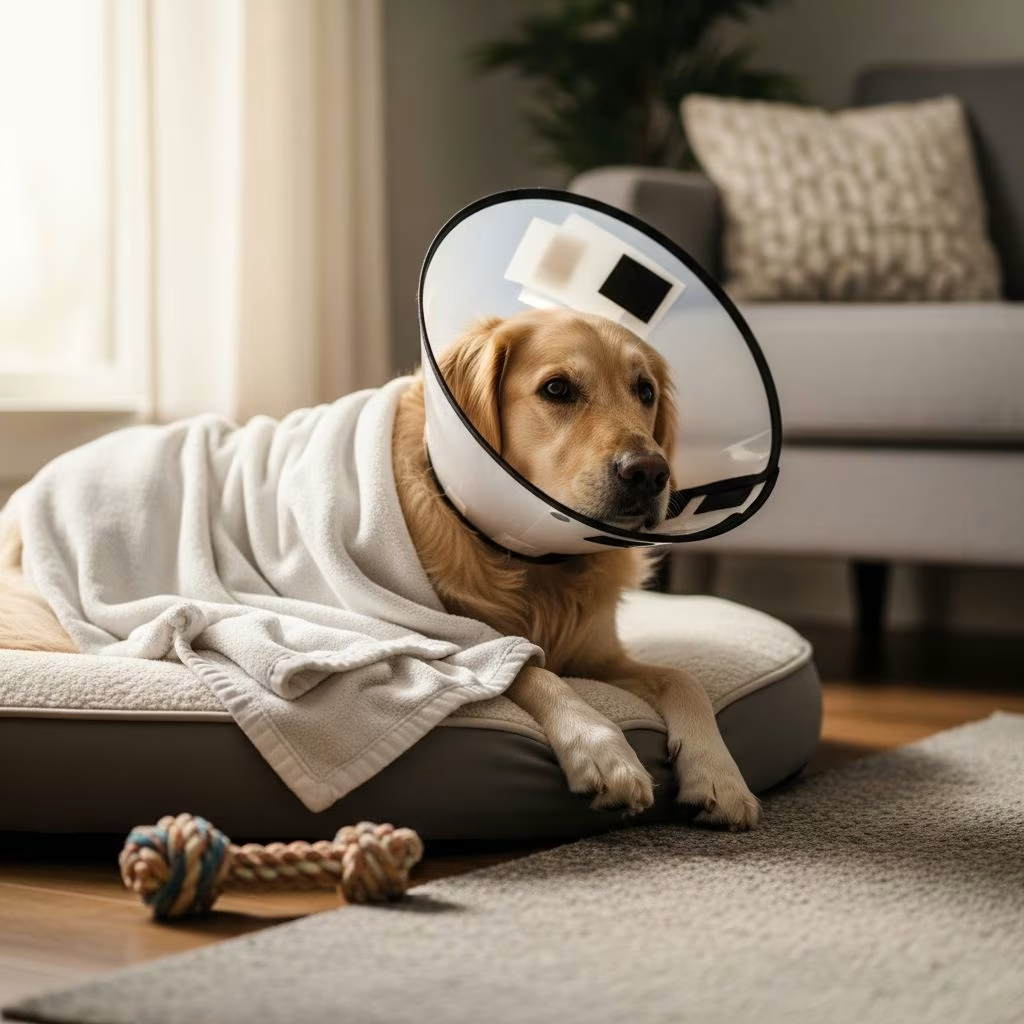
Post-Operative Instructions for Dogs After Surgery
Proper post-operative care is critical for ensuring your dog recovers smoothly and completely after surgery. The days and weeks following a surgical procedure require careful attention, strict activity limitations, and close monitoring to prevent complications and promote healing. Understanding and following post-operative instructions can significantly impact your dog’s recovery timeline and overall surgical outcome. This comprehensive guide covers everything you need to know about caring for your dog during the post-operative period.
Creating a Comfortable Recovery Environment
When your dog arrives home after surgery, the first priority is establishing a safe and comfortable recovery space. Your dog’s immediate environment plays a crucial role in the healing process and can help minimize stress during this vulnerable period.
Temperature and Bedding: Provide your dog with a soft, clean bed in a quiet, draft-free room maintained at a comfortable temperature between 68°F–75°F (20°C–24°C). A warm environment helps support circulation and comfort during recovery. Avoid placing the bed near windows, air conditioning vents, or areas with temperature fluctuations.
Indoor Confinement: Your dog must remain indoors overnight following surgery. When going outside, restrict your dog to short leash walks exclusively for urination and defecation. This controlled environment prevents your dog from engaging in strenuous activities that could compromise the surgical site and delay healing.
Reducing Stress: Keep the recovery area quiet and minimize household commotion. If you have other pets, consider temporarily separating them from your recovering dog to prevent rough play or excitement that could stress the surgical incision.
Activity Restrictions and Exercise Guidelines
Activity restriction is one of the most important aspects of post-operative care. For most surgical procedures, your dog’s activity should be strictly limited for 7–10 days following surgery, though some procedures may require longer restriction periods of up to 14 days.
What to Avoid:
- Running or jumping of any kind
- Stair climbing or jumping on furniture
- Playing with other pets or roughhousing
- Vigorous exercise or aerobic activity
- Off-leash outdoor activities
- Swimming or bathing
Appropriate Activity: During the recovery period, your dog may only engage in very short, slow leash walks for bathroom purposes. These walks should be brief and performed on a short leash to maintain complete control. If your dog must navigate stairs to reach the yard, carry your dog up and down whenever possible to avoid putting strain on the incision.
Confinement Strategies: When you cannot directly supervise your dog, confine them to a cage or small room that is warm and safe. This strict confinement prevents your dog from engaging in activities that could compromise healing. Excessive physical activity often leads to serious complications, including incision opening, bleeding, and infection, which can result in additional medical expenses and extended recovery times.
Feeding and Hydration After Surgery
Proper nutrition and fluid intake support the healing process, but care must be taken during the immediate post-operative period when your dog may experience nausea from anesthesia.
First Feeding: You may offer your dog approximately half of their regular dinner portion a few hours after arriving home from surgery. If your dog consumes this meal and still appears hungry, you can offer the remaining portion approximately one hour later. Dividing meals into smaller portions helps reduce the risk of nausea and vomiting, which some dogs experience after general anesthesia.
Water Access: Unless otherwise instructed by your veterinarian, your dog’s access to water should not be restricted. Proper hydration supports healing and recovery. However, avoid allowing your dog to drink excessively immediately after surgery, as this could increase the likelihood of nausea.
Gradual Return to Normal Feeding: Within 24 hours of surgery, you can return to your dog’s regular feeding schedule and portions. Monitor your dog for any signs of gastrointestinal upset and report concerns to your veterinarian if vomiting or diarrhea persists.
Managing the Surgical Wound and Incision Site
Proper incision care is essential for preventing infection and promoting timely healing. The surgical site requires careful attention throughout the recovery period.
Keeping the Wound Dry: Moisture introduces bacteria and can lead to infection. Avoid bathing or swimming your dog during the entire recovery period. Even brief exposure to water can compromise the incision. Your veterinarian will provide guidance on when it is safe to resume bathing, typically after sutures are removed and the incision is fully closed.
Preventing Licking and Chewing: Dogs instinctively attempt to clean surgical sites by licking, which can disrupt healing and introduce bacteria. If your veterinarian has provided an Elizabethan collar (commonly called a cone or E-collar) or recovery suit (similar to a child’s onesie), use it consistently to prevent access to the incision. If your dog begins licking or chewing at the incision and you have not received protective equipment, contact your veterinary hospital immediately to request an E-collar or alternative protective device.
Monitoring for Complications: Inspect the surgical site daily for any signs of complications. Contact your veterinary hospital immediately if you observe:
- Continuous or excessive blood draining from the incision
- Intermittent blood seepage continuing for more than 24 hours
- Excessive swelling or redness of the skin surrounding the incision
- Unpleasant odor or discharge from the wound
- Separation of the incision edges
- Signs of infection such as heat, warmth, or pus
Medication Administration After Surgery
Your dog may be discharged with oral medications to manage pain, inflammation, and prevent infection. Proper medication administration is crucial for optimal recovery and pain management.
Reading Instructions Carefully: Read all medication labels thoroughly and ensure you understand the dosage, frequency, and administration instructions. Follow all directions exactly as prescribed by your veterinarian. Medications are typically tailored to your dog’s specific needs, weight, and surgical procedure.
Common Post-Operative Medications: Most dogs receive pain medication and nonsteroidal anti-inflammatory drugs (NSAIDs) to manage discomfort and reduce inflammation. Some dogs may also receive antibiotics to prevent infection. If antibiotics are prescribed, it is essential to complete the entire prescription course, even if your dog appears to be healing well.
Administering Medications: If you experience difficulty administering medications to your dog, contact your veterinary hospital for advice. Veterinary staff can provide techniques for giving pills, crushing medications if appropriate, or hiding medications in food. Never adjust medication doses or schedules without consulting your veterinarian.
Pain Management: The goal of post-operative pain management is to keep your dog as comfortable as possible during healing. Pain relief is a critical component of the recovery process and supports tissue healing. In addition to oral medications, your veterinarian may recommend physical medicine modalities such as cold therapy, therapeutic laser, acupuncture, or massage to reduce pain and inflammation.
Timeline for Resuming Normal Activities
The duration of activity restriction depends on the type of surgery your dog underwent and the size of the surgical incision.
Minor Procedures: For minor surgical procedures involving small incisions, continue restricting exercise for a few days after sutures are removed. Your veterinarian will provide specific timelines based on the procedure.
Major Surgery: Dogs undergoing major surgery or those with large incisions require extended recovery periods. In these cases, your dog may need to remain housebound for several weeks. Your veterinarian will give you detailed instructions on activity restrictions specific to your dog’s procedure.
Gradual Return to Activity: As your dog’s healing progresses, you can gradually increase activity levels under your veterinarian’s guidance. Your veterinarian will assess the incision at suture removal appointments and determine when normal activities can be safely resumed.
Monitoring Your Dog’s Recovery Progress
Your dog should show gradual improvement each day during the recovery period. Daily monitoring helps catch potential complications early and ensures proper healing.
Signs of Proper Healing:
- Gradually decreasing pain and swelling
- Increasing appetite and interest in normal activities
- Improved mobility and comfort
- Dry, clean incision without discharge
- Normal bowel and bladder function
When to Contact Your Veterinarian: If your dog’s condition changes or suddenly worsens at any point during recovery, contact your veterinary clinic immediately. Early intervention can prevent serious complications and ensure optimal outcomes.
Frequently Asked Questions About Post-Operative Care
Q: How long should I restrict my dog’s activity after surgery?
A: For most procedures, activity should be restricted for 7–10 days after surgery. However, some procedures may require 14 days or longer. Your veterinarian will provide specific instructions based on your dog’s surgery.
Q: Can I give my dog a bath during recovery?
A: No, avoid bathing your dog during the entire recovery period. Moisture can introduce bacteria into the wound and lead to infection. Your veterinarian will indicate when bathing is safe, typically after sutures are removed and the incision is fully closed.
Q: What should I do if my dog won’t eat after surgery?
A: It is common for dogs to have reduced appetite immediately after surgery due to anesthesia. Offer small portions of food and monitor for vomiting. If your dog refuses food for more than 24 hours or shows other signs of distress, contact your veterinarian.
Q: My dog keeps licking at the incision. What should I do?
A: Use an Elizabethan collar (cone) or recovery suit to prevent licking. If you do not have one of these items, contact your veterinary hospital immediately to obtain one, as licking can delay healing and introduce bacteria.
Q: Is it normal for the incision to have some blood drainage?
A: Minimal oozing may occur, but continuous or excessive bleeding is not normal. Contact your veterinarian immediately if you see continuous blood draining or blood seepage that persists for more than 24 hours.
Q: When can my dog go back outside normally?
A: Your dog must remain on a short leash for very short walks during the entire recovery period. Off-leash outdoor activities should not resume until your veterinarian has cleared your dog for normal activities after suture removal and incision healing assessment.
Q: What if I forget to give my dog a scheduled medication dose?
A: If you miss a dose, give it as soon as you remember unless it is nearly time for the next dose. Do not double-dose. If you are unsure about what to do, contact your veterinary hospital for guidance.
Q: How can I keep my dog calm during recovery?
A: Keep your dog in a quiet environment with minimal stimulation. Use confinement when you cannot supervise. Avoid inviting friends over or creating exciting situations. Your veterinarian may recommend calming supplements or medications if your dog is particularly anxious.
Post-Operative Care Checklist
Use this checklist to ensure you are providing comprehensive post-operative care:
- Maintain comfortable room temperature (68°F–75°F or 20°C–24°C)
- Keep your dog indoors except for short leash bathroom walks
- Restrict all jumping, running, stair climbing, and rough play
- Offer small food portions 2–3 hours after arriving home
- Provide unlimited access to water unless instructed otherwise
- Use Elizabethan collar or recovery suit to prevent incision access
- Inspect the incision daily for signs of complications
- Keep the incision clean and dry—avoid bathing
- Administer all medications exactly as prescribed
- Monitor for signs of infection, bleeding, or swelling
- Attend all scheduled follow-up appointments
- Contact your veterinarian immediately if complications arise
Conclusion
Following post-operative instructions diligently is essential for your dog’s successful recovery and return to normal, pain-free life. The immediate post-operative period requires patience, careful monitoring, and strict adherence to activity restrictions and care guidelines. By providing appropriate home care, managing pain effectively, preventing wound complications, and administering medications as prescribed, you significantly enhance your dog’s recovery outcomes. Your veterinarian is your partner in this process—do not hesitate to contact them with questions or concerns at any point during your dog’s recovery. With proper post-operative care, your dog will return to their happy, healthy self as quickly as possible.
References
- Post-Operative Instructions in Dogs — VCA Animal Hospitals. 2025. https://vcahospitals.com/know-your-pet/post-operative-instructions-in-dogs
- Surgical Discharge Instructions for Dogs — VCA Animal Hospitals. 2025. https://vcahospitals.com/know-your-pet/surgical-discharge-instructions-for-dogs
- Care of Surgical Incisions in Dogs — VCA Animal Hospitals. 2025. https://vcahospitals.com/know-your-pet/care-of-surgical-incisions-in-dogs
- Surgical Pain in Dogs — VCA Animal Hospitals. 2025. https://vcahospitals.com/know-your-pet/surgical-pain-in-dogs
- Penrose Drain Discharge Instructions for Dogs — VCA Animal Hospitals. 2025. https://vcahospitals.com/know-your-pet/penrose-drain-discharge-instructions-for-dogs



