
Post-Operative Care Guidelines for Dogs
Essential recovery strategies to ensure your dog heals safely after surgical procedures
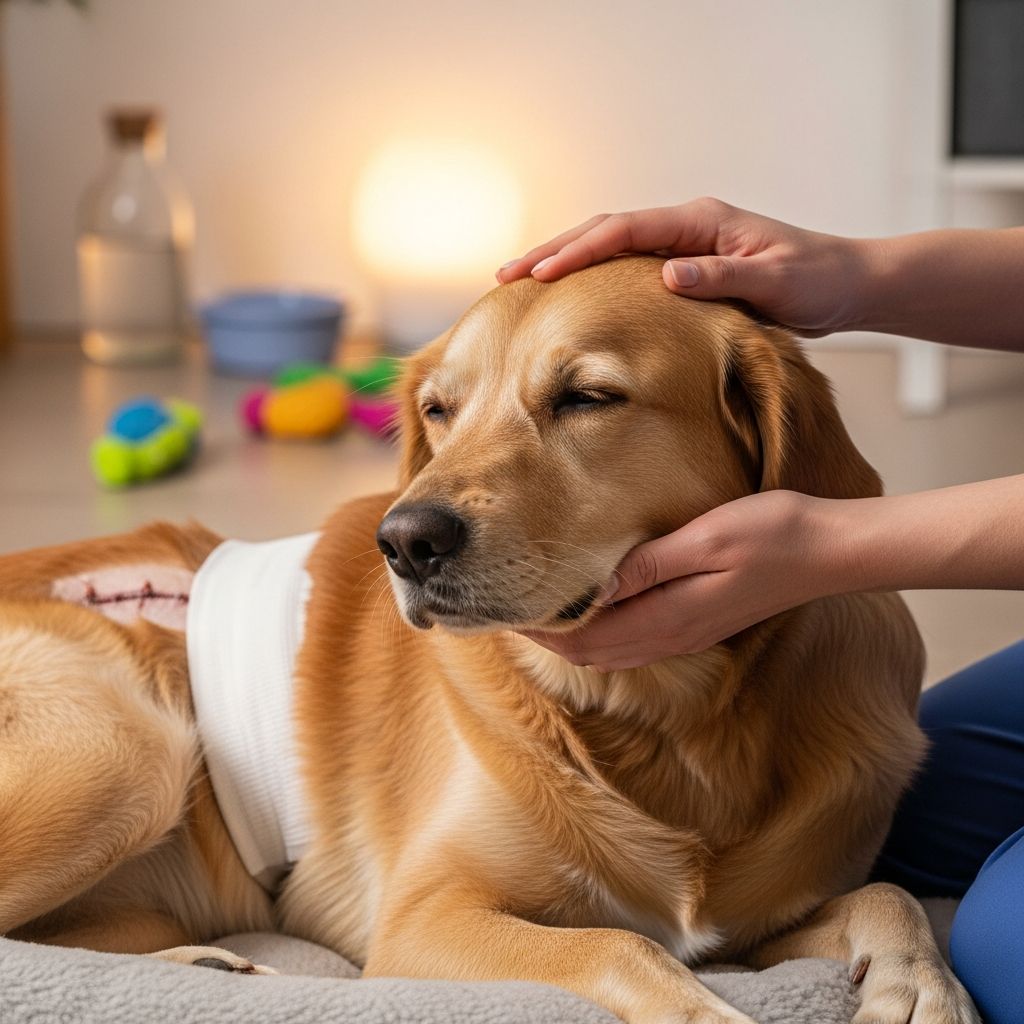
When your dog undergoes surgical procedures, the responsibility for successful recovery extends well beyond the operating room. The weeks following surgery represent a critical period during which proper care directly influences healing outcomes and reduces the risk of complications. Understanding the fundamentals of post-operative management empowers pet owners to provide the supportive care their dogs need during this vulnerable time.
Creating an Optimal Recovery Environment
The physical environment surrounding your recovering dog significantly impacts the healing process. Establishing a dedicated recovery space addresses multiple aspects of post-surgical care simultaneously, creating conditions that promote tissue repair while minimizing stress.
Your dog’s recovery area should prioritize comfort and safety. Select a quiet room with minimal foot traffic and noise, as excessive stimulation can elevate stress hormones that interfere with healing. The space should maintain a consistent, comfortable temperature between 68°F and 75°F (20°C to 24°C), protecting your dog from temperature extremes that stress the body. Provide a soft, supportive bed that promotes circulation and reduces pressure on the surgical site. Orthopedic or memory foam beds prove particularly beneficial, as they distribute weight evenly and support joint health.
Accessibility within the recovery space matters considerably. Arrange the room so your dog can easily reach water bowls and elimination areas without navigating stairs or obstacles. Avoid placing bedding on elevated furniture that requires jumping, as landing impacts can compromise healing incisions. Keep the space well-lit during day hours to prevent disorientation while reducing stimulation that might encourage excessive activity.
Consider implementing temporary barriers or crate confinement to prevent unintended exploration and injury. Many veterinarians recommend crate rest, particularly following orthopedic procedures or abdominal surgeries, as it naturally restricts movement and prevents self-injury. If using a crate, ensure it provides adequate space for your dog to stand, turn around, and lie down comfortably while remaining confined enough to discourage excessive movement.
Managing Physical Activity During Recovery
Activity restriction represents one of the most critical yet challenging aspects of post-operative care. Excessive movement during the healing phase can reopen incisions, damage surgical repairs, or trigger internal complications that substantially prolong recovery.
For most surgical procedures, activity should remain restricted for 7 to 14 days following surgery, though your veterinarian will provide specific timelines based on the type of procedure. During this initial period, your dog should remain indoors except for supervised outdoor bathroom breaks on a leash. These brief excursions should serve elimination purposes only, with immediate return to the recovery space afterward.
High-energy dogs present particular management challenges during restricted activity periods. Interactive toys provide mental stimulation without encouraging physical exertion. Frozen Kongs filled with peanut butter or canned dog food, puzzle feeders, or long-lasting chews occupy attention and satisfy natural behavioral drives while keeping your dog stationary. Rotating toys every few days maintains interest and prevents boredom-related destructive behaviors.
Understanding the specific risks of unrestricted movement helps reinforce the importance of activity limitation. Excessive activity generates tension on incision sites, potentially causing them to open or develop seromas—fluid pockets between skin and underlying tissue. Orthopedic procedures present additional complications; overactivity can damage surgical hardware including plates, wires, pins, or screws, and impede bone healing processes.
| Recovery Phase | Activity Level | Timeline | Typical Restrictions |
|---|---|---|---|
| Immediate Post-Op | Minimal | Days 1-3 | Leash-only bathroom breaks, confinement to recovery area |
| Early Recovery | Restricted | Days 4-7 | Short leash walks, no jumping or climbing stairs |
| Mid Recovery | Limited | Days 8-14 | Gradual activity increase under veterinary guidance |
| Late Recovery | Progressive | Weeks 2-6 | Supervised light exercise pending vet clearance |
Medication Administration and Pain Management
Proper medication management directly correlates with pain control, infection prevention, and overall recovery success. Your veterinarian will prescribe specific medications tailored to your dog’s surgical procedure and individual needs.
Pain medications require strict adherence to prescribed dosages and schedules. Missing doses or altering medication timing can compromise comfort and impede healing. Establish a medication calendar or smartphone reminders to maintain consistency. Common post-operative medications include analgesics for pain relief and antibiotics for infection prevention. Some dogs may also receive anti-inflammatory medications to reduce swelling and discomfort.
Administration techniques vary depending on medication form. Tablets can be hidden within treats or soft foods if your dog accepts this method, though some medications require administration on an empty stomach. Always verify administration requirements with your veterinarian. If your dog refuses oral medications, discuss alternative formulations such as injections or topical applications.
Monitor your dog’s response to medications and report any adverse reactions to your veterinarian. Changes in appetite, vomiting, diarrhea, or behavioral changes warrant professional evaluation. Never discontinue prescribed medications without veterinary consultation, even if your dog appears fully recovered.
Wound Care and Incision Monitoring
The surgical incision requires careful monitoring throughout the recovery period. Regular inspection identifies potential complications before they develop into serious problems.
Gently inspect the incision site daily, noting its appearance and any changes. Normal healing progresses through predictable stages. Initial redness and mild swelling gradually diminish over 7 to 10 days as tissues repair. Mild tenderness is expected, but excessive swelling, discharge, or opening of the incision indicates infection or improper healing and requires immediate veterinary attention.
Signs requiring urgent veterinary care include:
- Excessive bleeding or bloody discharge
- Purulent or foul-smelling discharge from the incision
- Significant swelling that increases rather than decreases
- Separation of incision edges
- Heat radiating from the incision site
- Behavioral signs of pain such as excessive licking or self-trauma
Preventing licking and scratching protects the incision from contamination and self-inflicted damage. As healing progresses, regenerating skin becomes increasingly itchy, tempting your dog to lick or scratch the area. Elizabethan collars (e-collars) provide the most reliable protection, though some dogs also tolerate protective clothing designed for surgical sites. E-collars may feel uncomfortable, but they effectively prevent access to the incision and should remain in place whenever your dog is unsupervised.
Moisture compromises wound healing and increases infection risk. Avoid baths and swimming during the initial recovery period, as water can introduce bacteria into the incision and delay healing. Brief outdoor exposure for necessary bathroom breaks is acceptable if your dog avoids puddles or wet grass.
Nutritional Support and Hydration
Proper nutrition accelerates tissue repair and supports immune function during recovery. Some dogs experience reduced appetite immediately after surgery due to anesthesia effects and general discomfort.
Offer small, easily digestible meals rather than full-sized portions. High-quality proteins support tissue repair, while appropriate caloric intake provides energy for healing processes. If your dog refuses food for more than 24 hours, contact your veterinarian, as prolonged appetite loss may indicate complications.
Maintain constant access to fresh, clean water. Hydration supports circulation, aids medication distribution, and prevents constipation—a common post-operative complication exacerbated by reduced activity and pain medications. Some dogs drink less when confined to recovery spaces; monitor consumption and encourage drinking by offering water multiple times daily.
Understanding Recovery Milestones
Recovery progresses through predictable phases, with expected improvements at specific timepoints. Understanding typical milestones helps you recognize appropriate progress and identify potential complications.
First 24 Hours: Your dog will display grogginess, mild disorientation, and decreased appetite as anesthesia effects wear off. Some vocalization or restlessness is normal. Pain medications should minimize obvious discomfort, though subtle signs such as reluctance to move or frequent position changes indicate ongoing pain that may require medication adjustment.
Days 2-3: Improved alertness typically emerges as anesthesia completely clears your dog’s system. Mild swelling around the incision site is normal and expected. Your dog may become increasingly restless as recovery progresses, requiring vigilant activity restriction to prevent overexertion.
Days 7-10: Non-absorbable sutures or staples may be removed during follow-up veterinary appointments. Visible swelling usually diminishes substantially by this point, though the incision may still feel tender. Many dogs display noticeably improved energy levels and may attempt increased activity; maintain restrictions until your veterinarian provides clearance.
2-6 Weeks: Complete tissue healing occurs during this phase, though the timeline varies depending on surgery type and individual healing capacity. Deeper tissues continue strengthening even when the incision appears fully healed externally. Your veterinarian will provide specific guidance regarding activity progression and return to normal routines.
Post-Operative Rehabilitation and Progressive Exercise
As recovery advances, progressive rehabilitation helps your dog rebuild strength and restore normal function. Your veterinarian may recommend specific rehabilitation interventions based on the surgical procedure and your dog’s recovery progress.
Passive range-of-motion exercises maintain joint mobility without requiring active effort from your dog. These gentle movements, performed by handlers under veterinary guidance, prevent muscle atrophy and stiffness that develop during extended confinement. Never begin rehabilitation exercises without explicit veterinary approval, as premature or improper techniques can compromise healing.
Controlled leash walks gradually reintroduce structured movement. These short, slow-paced excursions improve circulation, rebuild cardiovascular conditioning, and promote psychological well-being. Beginning with brief 5-10 minute walks and gradually increasing duration allows tissues to adapt to progressive loading without overwhelming healing structures.
Advanced modalities such as hydrotherapy and laser therapy may be recommended by your veterinarian. Hydrotherapy provides exercise support in water that reduces joint stress while improving range of motion and muscle strength. Laser therapy promotes healing and reduces inflammation. Professional facilities staffed by trained technicians ensure these interventions are performed safely and effectively.
Importance of Follow-Up Veterinary Care
Post-operative follow-up appointments represent essential components of recovery management rather than optional checkups. These appointments allow your veterinarian to assess healing progress and address emerging concerns before they develop into serious complications.
Initial follow-up appointments typically occur 7-10 days after surgery for suture or staple removal. Your veterinarian will examine the incision, assess pain levels, and evaluate whether activity restrictions should continue or be modified. Additional follow-up appointments may be scheduled depending on the surgery type and individual healing trajectory.
During appointments, your veterinarian evaluates:
- Incision healing progress and appearance
- Appropriate pain control and medication effectiveness
- Infection signs or other complications
- Overall recovery trajectory
- Appropriate timing for activity progression
- Medication adjustments if necessary
Communicating openly with your veterinarian about your observations ensures timely identification and management of any concerns. Report behavioral changes, appetite alterations, discharge from the incision, or any other abnormalities you notice between appointments.
Common Post-Operative Complications and When to Seek Care
Understanding warning signs enables rapid response to developing complications. While most dogs recover smoothly with appropriate care, recognizing complications early dramatically improves outcomes.
Seek immediate veterinary care if your dog exhibits:
- Excessive bleeding or inability to stop bleeding from the incision
- Difficulty breathing or respiratory distress
- Severe vomiting or inability to retain food or water
- Sudden weakness or collapse
- Signs of shock such as pale gums or rapid heart rate
- Uncontrolled pain despite medication
- Inability to urinate or defecate for extended periods
Contact your veterinarian within 24 hours for concerning but non-emergency symptoms such as mild discharge from the incision, moderate swelling, or decreased appetite persisting beyond 24 hours.
Frequently Asked Questions About Post-Operative Dog Care
- How long does dog surgery recovery typically require?
- Most dogs require 7-14 days of strict activity restriction, with complete healing occurring over 2-6 weeks depending on surgery type. Your veterinarian will provide specific recovery timelines based on your dog’s procedure.
- Can my dog go outside during recovery?
- Yes, but only for supervised leash-walk bathroom breaks returning immediately to the recovery area. Avoid off-leash outdoor time, swimming, and exposure to muddy or wet areas that compromise incision integrity.
- What should I do if my dog refuses to eat after surgery?
- Brief appetite loss is normal immediately after surgery. However, if your dog refuses food for more than 24 hours, contact your veterinarian as this may indicate complications.
- Is crate confinement necessary for all post-operative dogs?
- Crate confinement is particularly recommended for orthopedic and abdominal surgeries but may not be necessary for all procedures. Your veterinarian will provide specific confinement recommendations based on your dog’s surgery.
- When can my dog resume normal activities?
- This depends on surgery type and individual healing progression. Most dogs require at least 1-2 weeks of restricted activity. Follow your veterinarian’s specific guidance before allowing unrestricted play or exercise.
- What pain medications will my dog need after surgery?
- Your veterinarian will prescribe appropriate pain management tailored to your dog’s procedure. Strictly follow dosing schedules as pain management improves healing and reduces stress hormones that slow recovery.
Supporting Your Dog’s Emotional Recovery
Physical recovery represents only one aspect of post-operative care. Dogs experience stress and anxiety during recovery periods, and emotional support accelerates overall healing. Maintain calm, reassuring interactions with your dog during recovery. While activity is restricted, gentle petting and quiet companionship provide comfort without encouraging excessive movement.
Mental stimulation through appropriate activities prevents boredom and anxiety. Interactive toys, puzzle feeders, and training sessions using sit-stay commands engage your dog’s mind while maintaining physical restrictions. These activities reduce destructive behaviors sometimes triggered by recovery confinement.
Consistency in routines provides security during the recovery period. Maintain regular meal times, medication schedules, and bathroom break routines. Predictable patterns reduce anxiety and help your dog understand what to expect throughout recovery.
Conclusion
Post-operative care requires commitment, attention to detail, and close collaboration with your veterinarian, but the investment directly impacts your dog’s recovery quality and long-term outcomes. Creating appropriate recovery environments, managing activity levels, administering medications consistently, monitoring incisions carefully, and attending follow-up appointments collectively provide comprehensive care supporting optimal healing. Each dog’s recovery timeline differs based on individual factors and surgery type, making personalized veterinary guidance essential. By implementing these evidence-based care strategies and maintaining open communication with your veterinary team, you enable your dog to heal comfortably and completely, returning to full health and normal activities as quickly as possible.
References
- How to Care for Your Dog After Surgery — Anclote Animal Hospital. https://www.ancloteanimalhospital.com/how-to-care-for-your-dog-after-surgery/
- Comfort a Dog After Surgery: Vet-Approved Tips — Dublin Veterinary Clinic. https://www.dublinvetclinic.com/comfort-dog-after-surgery-vet-tips/
- Caring for Your Pet After Surgery: A Guide to a Smooth Recovery — Pet Nest Animal Hospital. https://petnestanimalhospital.com/2025/02/25/caring-for-your-pet-after-surgery-a-guide-to-a-smooth-recovery/
- Caring for Your Cat or Dog After Surgery — MedVet. https://www.medvet.com/post-surgery-care-for-pet/
- What to Expect After Your Pet’s Surgery: Recovery Tips — Caring Hands Animal Hospital Billings. https://www.caringhandsbillings.com/paw-print/surgery-recovery-tips/
- Post-Operative Instructions in Dogs — VCA Animal Hospitals. https://vcahospitals.com/know-your-pet/post-operative-instructions-in-dogs
Similar Articles








Read full bio of Sneha Tete




