Post-Grooming Feelings In Dogs: Expert Tips For Comfort
Discover how dogs experience relief, comfort, and joy after grooming, along with tips to enhance their well-being and avoid common pitfalls.
Post-Grooming Feelings in Dogs
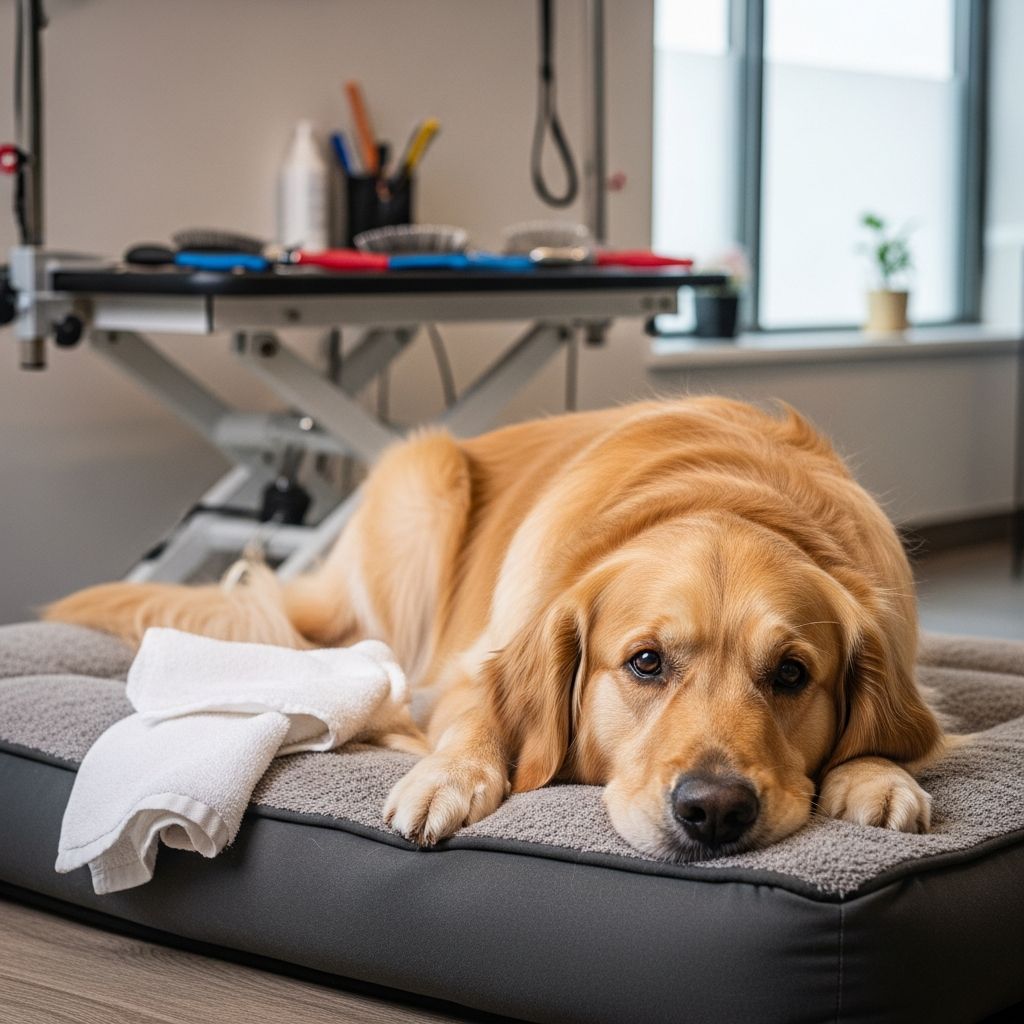
Dogs often feel lighter, cleaner, and more comfortable immediately after grooming, experiencing relief from matted fur, overgrown nails, and built-up dirt that can cause discomfort. This process not only refreshes their appearance but also promotes physical ease and emotional calm, as regular maintenance prevents pain from skin issues and improves overall mobility.
The Physical Relief Dogs Experience After Grooming
One of the most noticeable post-grooming sensations for dogs is the immediate alleviation of physical burdens. Matted hair, common in breeds like Poodles or Shih Tzus, can trap moisture and debris, leading to skin irritation, infections, or even severe constriction around limbs that impairs circulation. Removing these mats allows dogs to move freely without the tugging pain, often resulting in a visible increase in activity levels as they prance or roll with newfound ease.
Nail trimming plays a crucial role too. Overgrown nails force unnatural gait changes, stressing joints and causing discomfort during walks. Post-trim, dogs typically walk with a springier step, paws no longer curling painfully into pads, which enhances their confidence in navigating environments. Bathing removes allergens and parasites, soothing itchy skin and preventing hot spots or fungal growths that make dogs scratch incessantly.
- Lightened coat: Shedding dead hair reduces weight on the body, improving thermoregulation.
- Clean paws: Dirt-free pads prevent cracks and infections from rough surfaces.
- Ear clearance: Trimmed fur around ears promotes airflow, reducing moisture that breeds bacteria.
Emotional and Behavioral Shifts Following a Groom
Beyond physical changes, grooming influences a dog’s mood profoundly. The routine touch and gentle handling mimic pack grooming, fostering trust and releasing endorphins that lower stress hormones. Many dogs emerge relaxed, seeking affection or lounging contentedly, as the removal of irritants eliminates constant distractions.
For anxious pets, consistent grooming builds positive associations, turning potential fear into anticipation of treats and praise. Behavioral improvements include better social interactions, as a fresh scent and neat appearance boost self-assurance around other dogs or people. However, initial adjustment periods might show mild restlessness if the dog feels unusually light or exposed without its full coat.
| Pre-Grooming State | Post-Grooming Feeling | Behavioral Change |
|---|---|---|
| Matted, itchy fur | Relief and coolness | Increased playfulness |
| Overgrown nails | Balanced gait | More enthusiastic walks |
| Dirty, odorous coat | Fresh and light | Relaxed lounging |
Factors Influencing How Dogs React to Grooming
Not all dogs respond identically; breed, age, and prior experiences shape their reactions. Long-haired breeds benefit most from dematting, gaining dramatic relief, while short-haired ones appreciate nail and ear care. Puppies may feel invigorated and exploratory, whereas seniors often show gratitude through calmer demeanor, as grooming eases arthritis-aggravated pains.
Temperature matters too—post-bath chill can unsettle dogs if not dried properly, potentially leading to shivering or hiding. Professional versus at-home grooming also varies: pros use tools for thoroughness, but familiar home settings reduce anxiety for sensitive dogs.
Potential Negative Sensations and How to Mitigate Them
While benefits dominate, some dogs experience temporary unease. Skin dryness from over-shampooing or hot dryers can itch, mimicking pre-groom discomfort. Over-trimming nails risks quick exposure, causing sharp pain and limping. Stress from noisy salons might leave dogs lethargic or clingy initially.
To counter these:
- Use lukewarm water and pet-safe, moisturizing shampoos.
- Employ low-heat dryers and monitor for overheating.
- Introduce grooming gradually with positive reinforcement.
- Schedule sessions during calm times, avoiding hunger or fatigue.
Rarely, severe reactions like infections signal improper techniques, such as retained shampoo causing furunculosis. Veterinary check-ups post-grooming ensure safety.
Long-Term Health Impacts of Routine Grooming
Consistent grooming yields cumulative benefits, fortifying skin barriers against parasites and distributing natural oils for luster and protection. It aids early detection of lumps, rashes, or parasites, preventing escalation to chronic issues like urine scalding from soiled fur. Mentally, it establishes routines that curb anxiety, promoting balanced behavior.
Homeowners note cleaner living spaces from reduced shedding, indirectly benefiting dogs via less allergen exposure. Over time, groomed dogs exhibit vitality—shinier coats, alert postures, and joyful interactions—reflecting holistic well-being.
Tips for Enhancing Your Dog’s Post-Grooming Comfort
Maximize positive feelings by following grooming with low-key activities like short walks or cuddle sessions, allowing adjustment. Offer a soft blanket for drying and coat restoration. Monitor for 24-48 hours: increased scratching warrants a skin check; excessive energy might need redirection to prevent overexertion on fresh nails.
Breed-specific care shines here—fluffy breeds need brushing to prevent re-matting, while athletes prioritize paw inspections. Integrate dental wipes during sessions for comprehensive hygiene, reducing systemic disease risks.
Common Myths About Dogs’ Grooming Experiences
Myth: Dogs hate grooming universally. Reality: Most acclimate and enjoy the attention when done right.
Myth: Short-haired dogs skip grooming. Reality: They still need nail, ear, and bath care to avoid overlooked issues.
Myth: Frequent baths strip oils harmfully. Reality: Proper products maintain balance; over-matting from neglect harms more.
FAQs
Why does my dog seem hyper after grooming?
Relief from irritants like mats or dirt energizes them; provide calm play to channel it.
Is it normal for dogs to sleep more post-groom?
Yes, relaxation from stress reduction and clean comfort induces rest.
How soon after grooming can I bathe my dog again?
Wait 1-2 weeks unless soiled, to preserve skin oils.
What if my dog limps after nail trim?
Check for quick hits; consult a vet if persists.
Does grooming reduce shedding permanently?
It manages it effectively through oil distribution and dead hair removal.
References
- Grooming-Related Concerns Among Companion Animals — NIH/PMC. 2022-03-01. https://pmc.ncbi.nlm.nih.gov/articles/PMC8907591/
- How Dog Grooming Can Improve Your Pet’s Health and Happiness — Birmingham Animal Hospital. 2023-01-15. https://birminghamanimalhospital.com/dog-grooming-improves-health-and-happiness/
- Surprising Health Benefits of Regular Pet Grooming — Anclote Animal Hospital. 2024-05-10. https://www.ancloteanimalhospital.com/health-benefits-of-regular-pet-grooming/
- How Dog Grooming Affects Your Dog’s Health and Well-Being — Dawg Team Products. 2023-08-20. https://dawgteamproducts.com/how-dog-grooming-affects-your-dogs-health/
- The Dangers of Grooming Your Dog or Cat — Animal Medical Center New York. 2023-03-22. https://www.amcny.org/blog/2023/03/22/the-dangers-of-grooming-your-dog-or-cat/
Similar Articles



Read full bio of Sneha Tete