

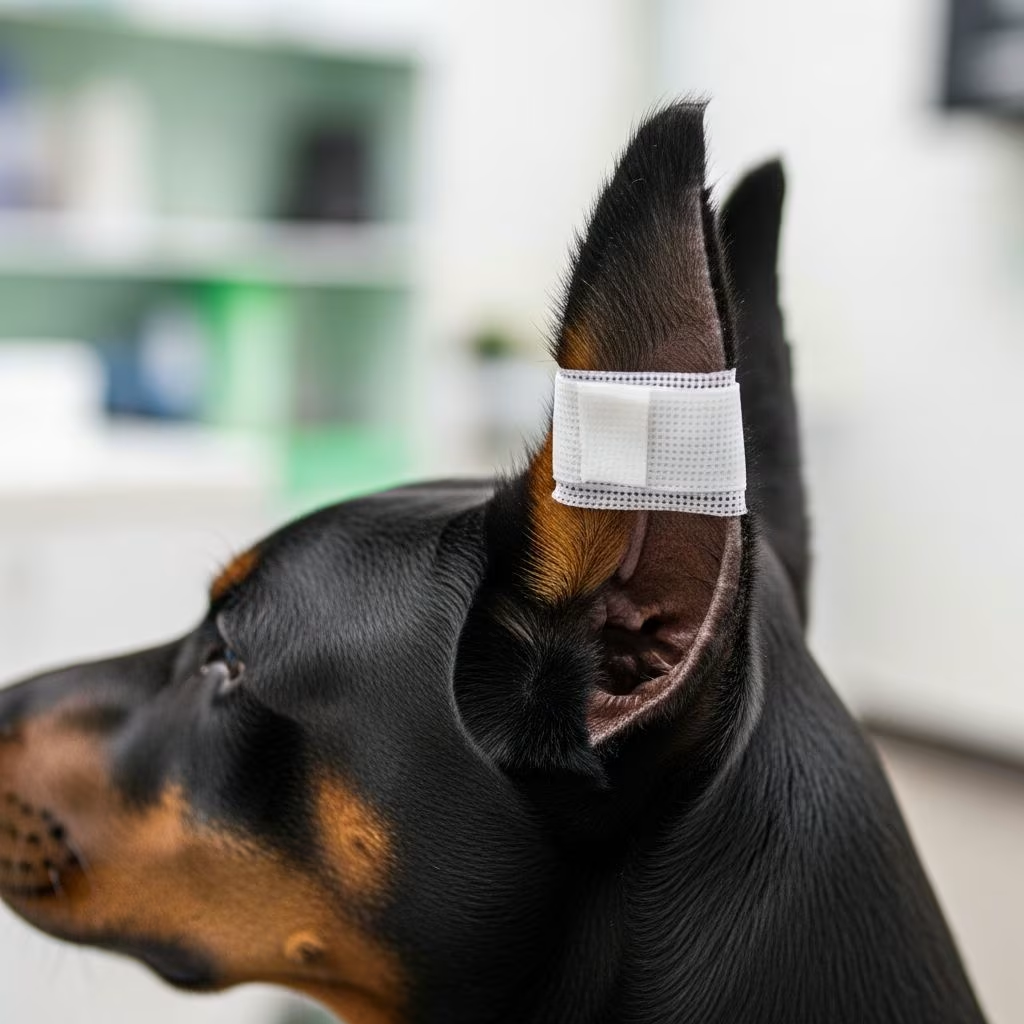
Ear cropping surgery modifies a dog’s ear shape for aesthetic or breed-standard reasons, but success hinges on diligent aftercare. Owners must manage cleaning, bandaging, posting, and monitoring to prevent infections and achieve upright ears.
Why Aftercare Matters in Ear Cropping Recovery
The period following ear cropping demands vigilance because the procedure involves precise incisions on delicate ear tissue. Without proper care, risks like infection, excessive scarring, or drooping ears increase significantly. Veterinary guidelines emphasize consistent routines to support tissue regeneration and cartilage development, particularly in young puppies where ears are posted to train their stance.
Healing varies by breed—such as Boxers, Dobermans, or Pit Bulls—with firmer cartilage healing faster. Commitment from owners is crucial, as aftercare can span 3-6 months, involving daily cleaning and weekly posting adjustments.
Immediate Post-Operative Phase: Days 1-3
In the first 48 hours, your dog will likely feel drowsy from anesthesia and experience peak discomfort. Create a serene environment to minimize movement, which could strain sutures.
- Administer prescribed pain relievers strictly on schedule to control swelling and unease.
- Fit an Elizabethan collar (cone) at all times except under direct supervision to deter rubbing or pawing.
- Monitor for red flags: profuse bleeding, violent shaking, lethargy beyond normal, or pus-like discharge—contact your vet immediately if observed.
Keep the dog in a warm, draft-free area. Limit activity to short, leashed potty breaks. Hydration is vital; offer fresh water constantly, as it aids circulation and flushes anesthetics.
Bandage Management and Initial Cleaning Protocols
Bandages protect incisions but require meticulous handling to avoid moisture buildup, a primary infection source. Change them as directed, typically every 24-48 hours initially.
| Step | Action | Frequency |
|---|---|---|
| 1. Hand Prep | Wash hands with soap; don gloves if advised | Every session |
| 2. Remove Old Bandage | Gently unwind; note odor, wetness, or looseness | As scheduled |
| 3. Clean Incisions | Use vet-recommended antiseptic like diluted Betadine; pat dry | 2-3 times daily |
| 4. Re-bandage | Apply fresh gauze and tape snugly, not tightly | Post-cleaning |
Avoid petroleum-based ointments before taping, as they reduce adhesion. Gently remove scabs with peroxide if crusting impedes healing, but preserve those securely attached.
Nutrition Strategies to Accelerate Healing
A balanced diet fuels recovery by providing building blocks for skin and cartilage repair. Focus on high-protein formulas (25-30% protein) enriched with omega-3 fatty acids to combat inflammation.
- Incorporate lean meats, fish oils, or vet-approved supplements.
- Maintain consistent feeding; abrupt changes upset digestion.
- Ensure ample water intake to prevent dehydration, which slows healing.
Puppies under 12 weeks benefit from growth-oriented kibble, but consult your vet to tailor portions avoiding obesity, which burdens healing tissues.
Mastering the Ear Posting Technique
Posting begins after suture removal (around day 10-14), shaping ears into an upright “V” formation. This labor-intensive step lasts 6-12 weeks, with changes every 4-5 days to avert irritation.
- Gather supplies: medical tape, foam rollers or backer rods, scissors.
- Clean and fully dry ears; allow playtime to evaporate moisture.
- Wrap base of ear around post, secure with tape in overlapping strips.
- Massage tape firmly for adhesion; trim excess to boost comfort.
- Monitor for slippage; repost promptly.
Frequency depends on breed: shorter crops need less time than long ones like Great Danes. Patience prevents overcorrection, where ears flare outward later.
Typical Recovery Milestones
Track progress against this timeline, adjusting for individual factors like age and health.
| Timeframe | Key Events | Owner Tasks |
|---|---|---|
| Days 1-3 | Anesthesia wear-off, max swelling | Cone, meds, rest |
| Days 4-10 | Tissue knitting, bandage checks | Cleaning, vet recheck |
| Days 10-14 | Suture removal | Transition to posting |
| Weeks 3-8 | Posting routine | Weekly adjustments |
| Months 2-4 | Cartilage firming |
Full upright stance may take 6 months; bi-weekly vet visits ensure alignment.
Spotting and Handling Complications
Proactive monitoring averts minor issues from escalating. Common problems include:
- Infection: Yellow discharge, foul smell, fever—cleanse and seek antibiotics.
- Hematoma: Fluid-filled swelling; requires drainage.
- Posting Failures: Slipping tape or allergies—switch materials per vet advice.
- Scarring: Keloids from rubbing; massage with approved creams.
Never ignore persistent whining or appetite loss. Early intervention preserves cosmetic results.
Ongoing Maintenance for Cropped Ears
Post-recovery, cropped ears warrant weekly cleanings with vet-formulated solutions to clear debris. Check for mites or yeast, as altered anatomy reduces natural ventilation. Annual exams catch subtle issues early.
Train dogs to tolerate handling, easing future care. Avoid rough play until fully healed to protect new shape.
Frequently Asked Questions
How long does ear posting last?
Typically 6-12 weeks, varying by breed and crop style. Some dogs need up to 6 months for permanence.
Can I bathe my dog during recovery?
No baths until sutures out; use damp cloths for spot cleaning. Keep ears dry always.
What if my dog removes the cone?
Supervise constantly; use alternatives like inflatable collars if needed, but consult vet first.
Is ear cropping painful long-term?
With proper care, no. Pain meds handle acute phase; healed ears feel normal.
Does cropping prevent ear infections?
Not necessarily; vigilant cleaning is still required despite upright position.
Choosing the Right Veterinary Partner
Select surgeons experienced in your breed’s crop style, as technique impacts aftercare ease. Request detailed instructions and follow-up schedules upfront. Reputable clinics offer posting demos and supply kits.
Discuss risks like anesthesia reactions or asymmetry beforehand. Informed owners achieve superior outcomes.
References
- Ear Cropping Recovery and Aftercare: A Complete Guide for Owners — Normandy Blvd Animal Hospital. 2024. https://www.normandyblvdanimalhospital.com/ear-cropping-recovery-and-aftercare-a-complete-guide-for-owners
- After Care – Ear Cropping — Lonestar Veterinary. 2024. https://www.lvs2024.com/after-care-ear-cropping
- How to Clean a Puppy’s Cropped Ears — WagWalking. 2024. https://wagwalking.com/grooming/clean-puppys-cropped-ears
- Ear Cropping: Essential Tips for Puppy Owners — Bully Max. 2024. https://shop.bullymax.com/blogs/news/puppy-ear-cropping
- Ear Cropping Surgery in Keaau, Hawaii: A Definitive Guide for Dog Owners — Big Island Pet Care Center. 2024-03-27. https://bigislandpetcarecenter.org/2024/03/27/ear-cropping-surgery-in-keaau-hawaii-a-definitive-guide-for-dog-owners/



