

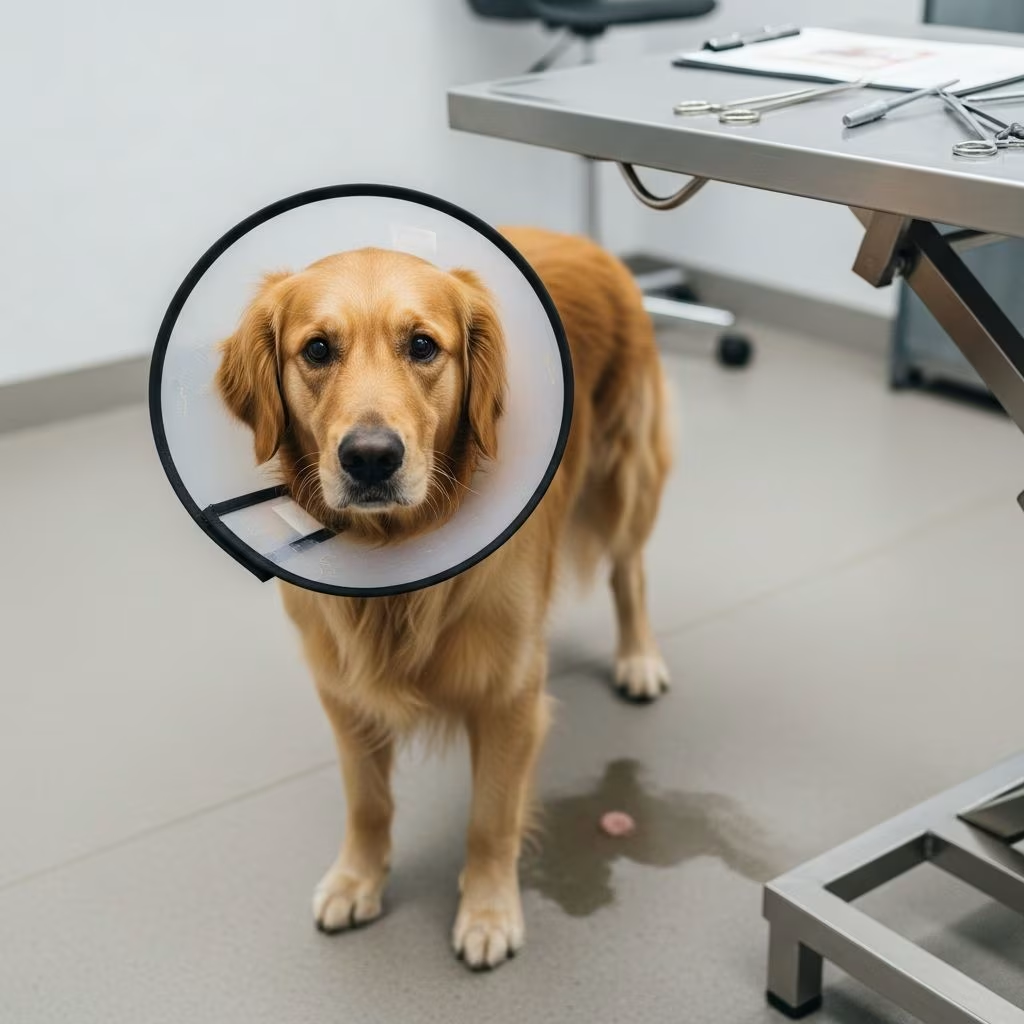
Urinary incontinence following bladder surgery in dogs is a frequent complication that can distress both pets and owners. This condition involves involuntary urine leakage, often noticed as dribbling while resting or sleeping, and may stem from surgical impacts on bladder function, underlying anatomical defects, or weakened sphincter control. Prompt recognition and intervention are crucial for improving outcomes and quality of life.
Recognizing Signs of Incontinence After Surgery
After procedures like cystotomy for stone removal, dogs might exhibit wet bedding, frequent small puddles, or a constant dampness around the vulva or prepuce. These signs typically emerge within days to weeks post-op, distinguishing them from temporary straining due to healing. Owners should monitor for blood-tinged urine, straining, or lethargy, which could signal complications like infections or leaks.
- Dribbling urine during rest or sleep
- Accidents in previously house-trained dogs
- Licking genital area excessively
- Strong urine odor in the home
Primary Causes Linked to Bladder Interventions
Bladder surgeries, such as those addressing stones or tumors, can disrupt normal urinary mechanics. Stones irritate the bladder lining, causing inflammation that persists post-removal and leads to leakage. Surgical trauma may weaken the bladder’s closure mechanism or introduce infections, exacerbating dribbling.
| Cause | Description | Post-Surgery Relevance |
|---|---|---|
| Bladder Stones | Hard formations irritating the bladder wall | Common reason for surgery; residual irritation causes leaks |
| Urinary Tract Infections (UTIs) | Bacterial invasion leading to swelling | Frequent post-op; worsens incontinence |
| Surgical Site Leaks | Improper healing of incision | Rare but serious; causes abdominal distension |
Urethral Sphincter Mechanism Incompetence (USMI)
**USMI** stands out as the leading cause of acquired incontinence in spayed females, often unmasked or worsened by bladder surgery. Estrogen decline post-spay reduces urethral tone, allowing urine to escape effortlessly. Surgery-related stress or medications can compound this by altering hormone balances temporarily. Up to one in five spayed females may develop this within years, with post-op cases showing quicker onset.
Diagnosis involves ruling out infections via urinalysis and confirming low sphincter pressure through imaging or contrast studies. Treatment hinges on medications like phenylpropanolamine to tighten the sphincter or estrogen supplements to mimic natural tone.
Congenital Issues: Ectopic Ureters and Beyond
Ectopic ureters, a birth defect where ureters bypass the bladder, cause persistent leaking from puppyhood but may require bladder surgery for associated stones or infections. Females are predominantly affected, with ureters terminating abnormally into the urethra. Surgical correction repositions them, achieving continence in 47% of cases long-term, per studies with over 50 dogs followed for years.
Pre-op factors like mild incontinence grade, male gender, and ureteral dilation predict better surgical success. Laser ablation via cystoscopy shows lower recurrence than traditional neoureterostomy.
- Intramural type: Runs submucosally in bladder wall (91% of cases)
- Extramural type: Bypasses bladder entirely (9%)
- Bilateral involvement: 49% of affected dogs
Neurological and Structural Contributors
Nerve damage from spinal injuries or degenerative conditions disrupts bladder signals, leading to overflow incontinence. Post-bladder surgery, anesthesia effects or positioning during procedures might temporarily impair nerves, causing increased urination or leaks. Breeds like Dachshunds are prone due to intervertebral disc disease.
Other factors include prostate enlargement in males, tumors compressing the bladder, or cognitive decline in seniors mimicking incontinence. Bladder hypercontractility, where frequent contractions leak small amounts, can arise from surgical irritation.
Diagnostic Approaches for Accurate Identification
Veterinarians start with history and physical exams, followed by urinalysis to detect UTIs or crystals. Bloodwork assesses kidney function, while imaging like ultrasound or contrast cystography visualizes ectopic ureters or stones. For USMI, urethral pressure profilometry confirms sphincter weakness.
- Urine culture for infections
- Abdominal radiographs/ultrasound
- Cystoscopy for ureter visualization
- Neurological exams for spinal issues
Treatment Strategies and Management Options
Therapy tailors to the root cause. For USMI, daily phenylpropanolamine (PPA) restores continence in most, with diethylstilbestrol (DES) as an alternative. Ectopic ureters demand surgical correction, often combined with collagen injections for sphincter support.
Supportive care includes frequent potty breaks, belly bands for females, and waterproof bedding. Weight management combats obesity-aggravated USMI. Chronic cases may need lifelong meds, but 80-90% respond well.
| Treatment Type | Examples | Success Rate |
|---|---|---|
| Medications | PPA, Estrogen therapy | High for USMI |
| Surgery | Ureteral reimplantation, Laser ablation | 47% full resolution for ectopic ureters |
| Supportive | Manual expression, Dietary changes | Adjunctive |
Recovery Timeline and Home Care Essentials
Post-op recovery spans 10-14 days for incision healing, but incontinence may linger weeks. Restrict activity, use e-collars, and monitor for fever or swelling. Express the bladder manually if paralyzed. Hydration aids flushing UTIs, but avoid overfilling.
- Change bedding daily
- Clean genital area gently
- Track urine output/accidents
- Follow-up vet visits at 1-2 weeks
Preventive Measures and Long-Term Prognosis
Delay spaying until after first heat in predisposed breeds to preserve estrogen. Specialized diets prevent stone recurrence. Regular check-ups catch issues early. Prognosis excels for treatable causes; many dogs regain full continence. Breeds like Labradors fare better post-ectopic ureter surgery than Golden Retrievers.
Frequently Asked Questions (FAQs)
Will my dog outgrow post-surgery incontinence?
Depends on cause; puppies with ectopic ureters may improve with surgery, but USMI is lifelong without meds.
Can diet help manage incontinence?
Yes, low-protein diets reduce stone risk and UTI incidence, indirectly aiding continence.
Is incontinence painful for dogs?
Often not, but secondary infections or stones cause discomfort; monitor behavior.
How effective are medications for USMI?
Over 90% of dogs show marked improvement with consistent dosing.
Should I neuter my incontinent dog?
Cautiously; neutering can worsen sphincter tone, but intact status isn’t always protective.
References
- Female Dog Leaking Urine While Resting? Causes and How to Help — ToeGrips. 2023. https://toegrips.com/female-dog-leaking-urine-while-resting/
- Urinary Incontinence in Dogs: Signs, Causes, Treatments — Best Friends Animal Society. 2024. https://bestfriends.org/pet-care-resources/urinary-incontinence-dogs-signs-causes-treatments
- Urinary Incontinence (Urethral Incontinence) in Dogs — VCA Animal Hospitals. 2024. https://vcahospitals.com/know-your-pet/urethral-incontinence-in-dogs
- Prognostic factors for continence after surgical correction of ectopic ureters in dogs — PMC (Peer-reviewed). 2022-11-01. https://pmc.ncbi.nlm.nih.gov/articles/PMC9670608/
- Urinary Incontinence in dogs — PDSA. 2024-06. https://www.pdsa.org.uk/pet-help-and-advice/pet-health-hub/symptoms/urinary-incontinence-in-dogs
- Cystotomy (Opening the Bladder) in Dogs — PetPlace. 2023. https://www.petplace.com/article/dogs/pet-health/cystotomy-opening-the-bladder-in-dogs



