

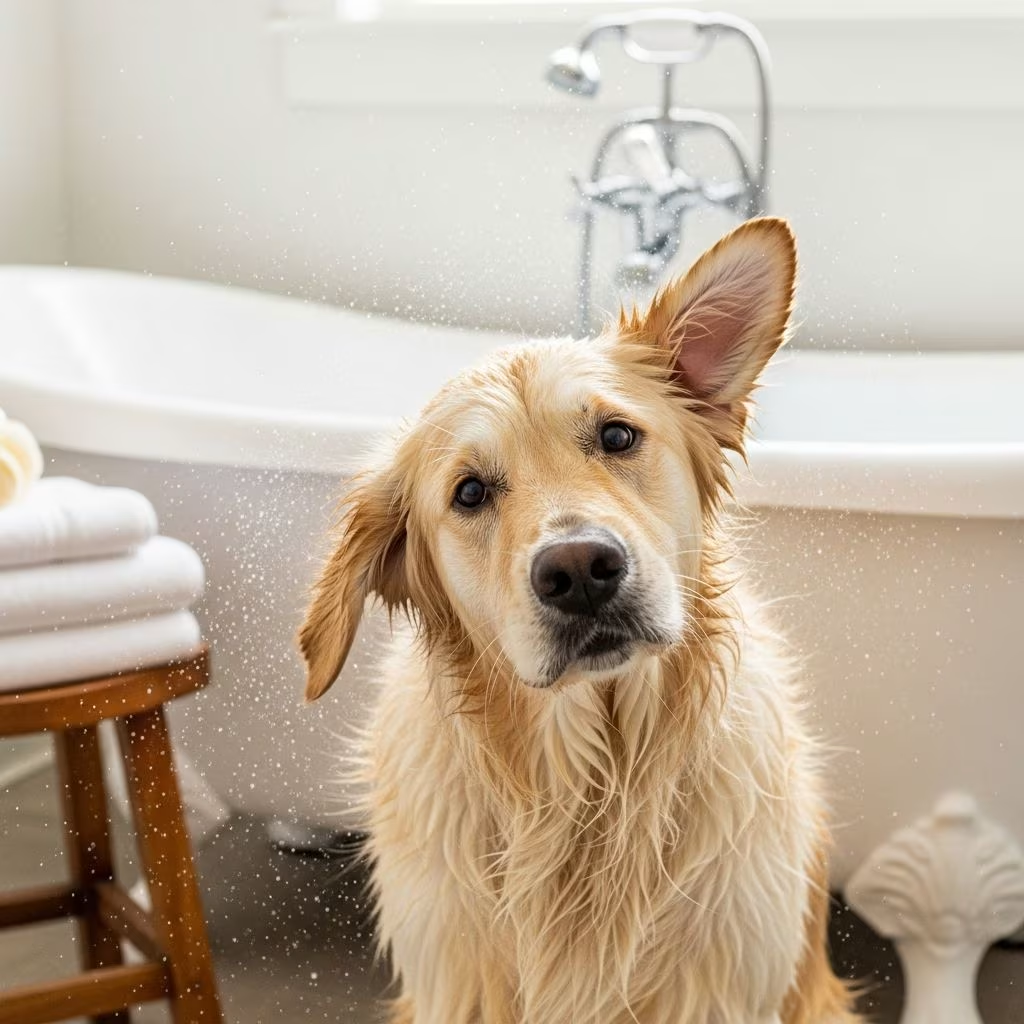
Many dog owners experience a frustrating situation: they give their beloved pet a thorough bath with high-quality shampoo, yet within days—sometimes even hours—the dog starts to smell unpleasant again. This phenomenon puzzles countless pet parents who wonder if they’re doing something wrong or if their dog has an underlying health issue. The truth is that post-bath odor in dogs stems from several distinct causes, some perfectly normal and others requiring veterinary attention.
The Science Behind Natural Oil Restoration
Dogs’ skin produces essential oils known as sebum, which serve critical protective functions for their coat and epidermis. When you bathe your dog, the shampoo removes these accumulated oils along with dirt and debris. Your dog’s body recognizes this loss and immediately begins working to restore the protective oil layer. This natural biological process happens relatively quickly, sometimes within 24 to 48 hours after bathing.
As sebum rebuilds on the skin surface, it doesn’t smell problematic on its own. However, problems arise when this fresh oil combines with bacteria and yeast that naturally inhabit your dog’s skin. These microorganisms produce waste byproducts that create the distinctive odor. The rebuilding of oils happens faster in some dog breeds than others, particularly those with double coats or naturally oily skin types like retrievers and spaniels.
Microbial Activity and Wet Dog Smell
Your dog’s skin hosts numerous beneficial bacteria and yeast species as part of their normal flora. When water from bathing combines with these organisms, volatile organic compounds are released that create that unmistakable wet dog odor. Even after your dog dries, residual moisture in certain areas can continue promoting microbial activity.
If your dog spends time swimming or playing in rain, similar chemical reactions occur. The key to managing this issue involves thorough drying immediately after bathing or water exposure. Many pet owners overlook this crucial step, assuming air drying is sufficient. However, moisture trapped in the coat, especially in dense undercoat areas, provides the perfect breeding ground for bacterial and yeast overgrowth.
Improper Bathing Techniques and Their Impact
How you bathe your dog significantly influences how quickly odor returns. Several common mistakes can contribute to persistent smells:
- Using human shampoo: Human products have different pH levels than canine skin, disrupting the natural balance and potentially causing irritation that leads to odor-producing inflammation
- Incomplete rinsing: Shampoo residue left on the skin creates an environment where bacteria thrive and odor compounds accumulate
- Inadequate drying: Leaving your dog damp, particularly in skin folds and ears, traps moisture that promotes microbial overgrowth
- Wrong water temperature: Water that’s too hot can damage the skin barrier and disrupt beneficial bacteria balance
To improve your bathing technique, always use a shampoo specifically formulated for dogs. Rinse thoroughly until the water runs completely clear. After bathing, use absorbent towels to remove as much moisture as possible, and consider using a pet-safe blow dryer on a low heat setting for complete drying.
Bacterial and Yeast Infections as Hidden Culprits
If your dog smells bad shortly after bathing and the odor persists despite proper bathing techniques, a bacterial or yeast infection may be responsible. These infections thrive in warm, moist environments, particularly in skin folds, ear canals, and between toes.
Yeast infections produce a distinctive sweet or corn chip-like odor, while bacterial infections often create a sour or musty smell. Dogs with these infections may also display other symptoms including excessive scratching, red or inflamed skin, or discharge. A veterinarian must diagnose and treat these infections appropriately, typically with medicated shampoos, topical treatments, or oral medications.
Allergic Reactions and Skin Inflammation
When dogs experience allergic reactions, whether from environmental allergens, food sensitivities, or flea bites, their immune system triggers inflammation in the skin. This inflammatory response stimulates increased sebum production and can activate odor-producing oil secretions that even the best grooming can’t eliminate.
Common allergen sources in dogs include:
- Environmental factors like pollen, dust, and mold spores (causing atopy)
- Food ingredients, particularly low-quality fillers like corn or problematic animal proteins
- Flea allergy dermatitis from flea bites
- Contact allergens in their living environment
If you suspect allergies, observe whether the odor accompanies other symptoms like itching, hair loss, or red skin patches. Consulting with your veterinarian can help identify the allergen source and appropriate treatment.
Ear Infections: A Frequently Overlooked Source
Healthy dog ears produce no odor, but infected ears generate distinctive foul smells ranging from yeasty to resembling morning breath or pungent cheese. Ear infections develop from yeast overgrowth, bacterial infections, allergies, or parasites, and as inflammation progresses, the ear produces discharge that intensifies the odor.
Dogs prone to ear issues include breeds with floppy ears, dogs prone to allergies, and those who frequently swim. Regular ear cleaning during grooming helps prevent infections, but if you notice odor coming from your dog’s ears accompanied by head shaking or ear scratching, veterinary evaluation is necessary.
Anal Gland Dysfunction and Fishy Odors
Anal glands located on either side of your dog’s anus produce a strong-smelling secretion that normally empties during defecation. When these glands become impacted or infected, they produce a distinctly fishy odor that persists even after bathing.
Anal gland problems often stem from soft stools or diarrhea that doesn’t provide sufficient pressure to naturally express the glands. As secretions accumulate, they cause discomfort, leading dogs to scoot their bottoms on the ground or excessively lick the area. Veterinary care can involve manual gland expression and treatment of underlying infections.
Dental Disease and Oral Odors
Periodontal disease and infected teeth produce foul-smelling breath that can make your dog’s entire mouth area smell unpleasant. Unlike other causes, dental problems create odor that originates inside the mouth rather than from skin or glands. Regular dental check-ups and professional cleanings help prevent these issues.
Environmental Factors Contributing to Odor
Your dog’s surroundings significantly influence how quickly they accumulate odors after bathing. Dogs that spend extensive time outdoors may roll in dirt, grass, or animal feces, quickly undoing the effects of a fresh bath. Additionally, if your home contains strong smells from cooking, smoke, or other sources, your dog’s fur absorbs these odors.
Maintaining a clean living space and minimizing your dog’s exposure to odor sources helps extend the freshness after bathing. Regular brushing also removes trapped odor-causing particles and distributes natural oils evenly throughout the coat.
Dietary Influences on Body Odor
Your dog’s diet directly impacts their natural body odor and skin health. Low-quality foods with excessive fillers and artificial ingredients can trigger digestive issues and skin problems that increase odor production. Switching to a high-quality diet with appropriate animal proteins and natural ingredients often reduces overall odor.
Probiotics can also support gut health and strengthen the immune system, helping your dog better resist infections and skin problems that contribute to odor. Discussing dietary changes with your veterinarian ensures you’re providing optimal nutrition for your dog’s specific needs.
Practical Solutions for Managing Post-Bath Odor
Beyond addressing underlying causes, several practical strategies help maintain your dog’s freshness longer:
| Strategy | Implementation | Expected Benefit |
|---|---|---|
| Complete drying | Use towels and low-heat blow dryer immediately after bathing | Prevents moisture-related bacterial growth for several days |
| Quality shampoo | Use dog-specific formulas with natural ingredients | Maintains skin pH balance and reduces irritation |
| Thorough rinsing | Continue rinsing until water runs completely clear | Eliminates soap residue that traps odor-causing bacteria |
| Regular brushing | Brush coat several times weekly between baths | Distributes oils and removes trapped particles |
| Dry shampoo application | Apply between baths to absorb excess oil | Extends time between baths while maintaining freshness |
| Professional grooming | Schedule appointments every 6-8 weeks based on breed | Professional-grade products and techniques for optimal results |
When to Seek Veterinary Care
If your dog’s odor develops suddenly, becomes overwhelming despite proper grooming, or accompanies other symptoms like excessive scratching, skin changes, or behavioral alterations, veterinary evaluation is necessary. These signs often indicate infections, allergies, or systemic health issues requiring professional diagnosis and treatment.
Your veterinarian can differentiate between normal post-bath odor and odor caused by treatable conditions. Early intervention prevents complications and improves your dog’s overall health and comfort.
Breed-Specific Considerations
Different dog breeds have varying susceptibilities to odor issues. Double-coated breeds accumulate more oils and trap more moisture in their fur. Breeds with floppy ears are prone to ear infections. Breeds with skin folds require special attention to prevent fungal growth in creases. Understanding your dog’s breed-specific needs helps you implement targeted prevention strategies.
Long-Term Odor Management Strategy
Maintaining a fresh-smelling dog requires consistent effort combining proper bathing technique, thorough drying, regular brushing, quality diet, and prompt veterinary attention when problems arise. Rather than viewing post-bath odor as an inevitable problem, approach it as manageable through understanding the underlying causes and implementing appropriate solutions tailored to your dog’s individual needs and circumstances.
References
- Why Does My Dog Smell Two Days After a Bath? — Uahpet. 2024. https://www.uahpet.com/blogs/post/why-does-my-dog-smell-two-days-after-a-bath
- How to Prevent Wet Dog Smell After Your Dog’s Bath — Wag! Walking. 2024. https://wagwalking.com/wellness/how-to-prevent-wet-dog-smell-after-your-dogs-bath
- 3 Common Culprits If Your Dog Still Stinks After a Bath — NutriSource Pet Foods. 2024. https://nutrisourcepetfoods.com/blog/pet-parents/3-common-culprits-if-your-dog-still-stinks-after-a-bath/
- Smelly Dog? Here’s Why—and How To Get Rid of Dog Smell for Good — Chewy. 2024. https://www.chewy.com/education/dog/grooming/the-dog-odor-answer
- Smelly Dog: Why Does My Dog Stink? — Best Friends Animal Society. 2024. https://bestfriends.org/pet-care-resources/smelly-dog-why-does-my-dog-stink



