Second Thoughts After Adopting a Dog: What’s Normal
Discover why adoption regret is common and how to work through it.
Second Thoughts After Adopting a Dog: Understanding Post-Adoption Doubt
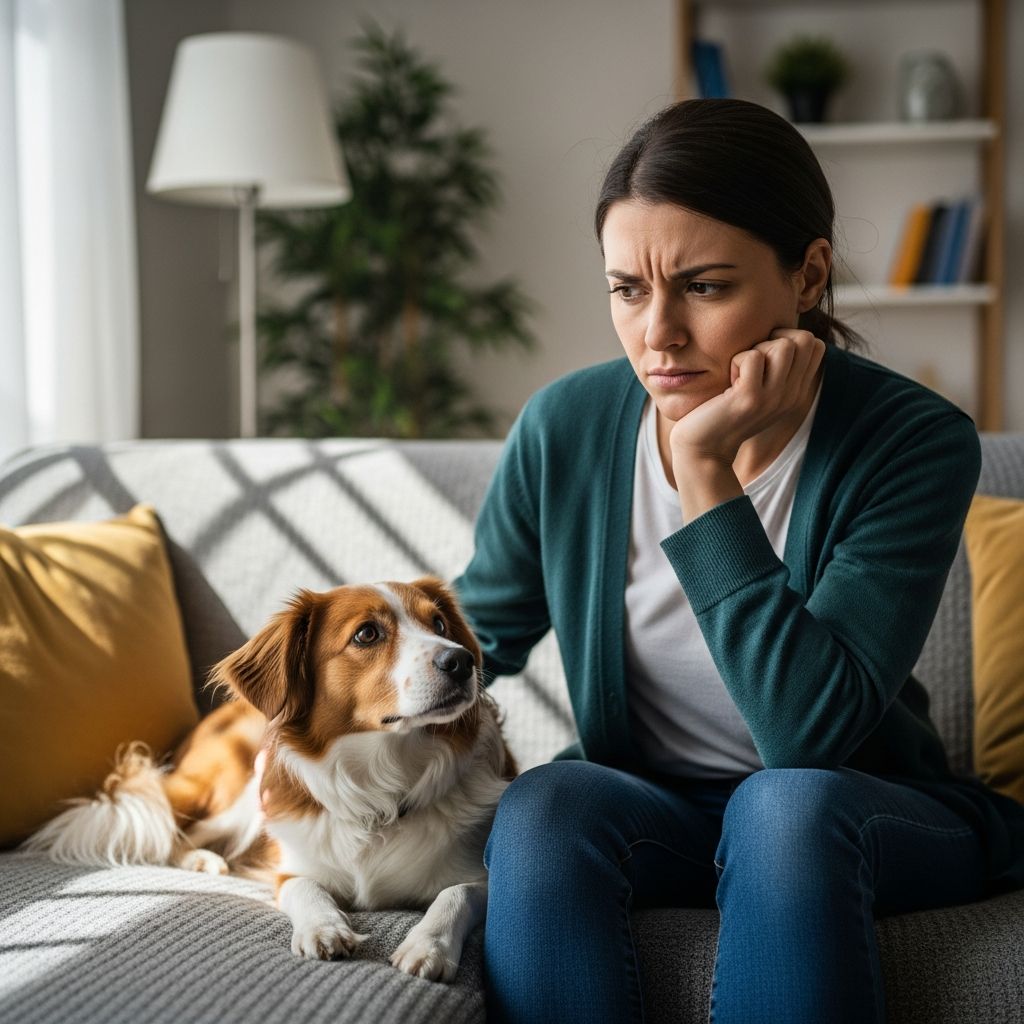
Bringing a new dog into your home is a significant life change. Many new adopters experience a wave of doubt, anxiety, or regret shortly after adoption—sometimes within days or weeks. These feelings, while unsettling, are more common than you might think, and understanding why they occur can help you navigate this challenging transition.
The Reality of Post-Adoption Adjustment Anxiety
Post-adoption remorse is a genuine phenomenon that affects countless dog owners. When you first bring your adopted dog home, you may encounter an unexpected version of the animal you met at the shelter or rescue facility. This discrepancy often triggers confusion and self-doubt about your decision.
The initial shock typically hits hardest during the first 48 to 72 hours. During this critical window, new owners often experience overwhelming emotions—a combination of excitement, fear, uncertainty, and sometimes panic. Your carefully planned routine suddenly feels chaotic, and you may question whether you made a terrible mistake.
The good news: these feelings are almost always temporary and do not indicate a genuine incompatibility between you and your dog. As one veterinary behavioral expert noted, the transition period is something nearly every new dog owner experiences, regardless of experience level or preparation.
Why Your Newly Adopted Dog Seems Like a Stranger
The dog you adopt from a shelter or rescue often behaves differently once at home than they did during your initial meet-and-greet. This transformation is not deception—it reflects the profound stress and uncertainty your new companion experiences in an unfamiliar environment.
The Shelter Environment Effect
Shelter environments are inherently stressful for dogs. They involve loud noises, unfamiliar animals, limited space, and constant transitions. In this context, a dog may display a calm, reserved demeanor that masks their true personality. Once in your home, as your dog decompresses and begins to feel safe, their authentic temperament emerges. This can include behaviors you didn’t witness during adoption visits—some positive and some challenging.
Unknown Backgrounds and Trauma
Rescue animals frequently come from unclear or difficult pasts. You may not fully understand what your dog has experienced before arriving at the shelter. A dog that seemed friendly might have underlying anxiety. A quiet dog might suddenly display separation anxiety or noise sensitivity. One adoptee found that her newly acquired dog reacted with extreme terror to windshield wipers—a sign of her unknown past and lack of early socialization.
Undiagnosed Medical and Behavioral Issues
During your shelter visit, you may not have time to fully assess your dog’s health or behavioral state. Medical issues—such as intestinal parasites, infections, or dietary sensitivities—can emerge once the dog settles at home. These conditions often trigger behavioral changes like excessive whining, aggression, or destructive behavior that seem to appear out of nowhere.
When Regret is Just a Rough Patch
The vast majority of adoption regrets resolve within days or weeks as several factors align in your favor:
- Your dog adjusts to the home environment and begins to relax and show their true, less anxious personality
- You establish routines that create predictability and security for both you and your dog
- Medical issues are identified and treated, often resolving behavioral problems that seemed permanent
- Behavioral training begins and you see measurable progress in problem areas
- Emotional bonding develops as you and your dog spend time together and learn each other’s needs
One rescue volunteer who experienced her own adoption regrets now counsels all new adopters to expect “buyer’s remorse” in the early days and to push through it. Her experience is typical: the worst moment passed, the dog adjusted, and now they have a beloved family member.
Red Flags: When a Bad Fit May Be Real
While temporary regret is normal, certain situations indicate a genuine incompatibility that may warrant reconsidering the adoption:
| Red Flag Situation | What This Means |
|---|---|
| Aggression toward household members or inability to safely manage the dog | Safety concerns that pose risk to your family require immediate professional assessment or rehoming |
| Severe aggression toward other pets that cannot be managed or improved | Multi-pet households may not be suitable for some dogs; separation or rehoming may be necessary |
| Unmanageable separation anxiety despite your available time and resources | Some dogs have needs that exceed what certain lifestyles can provide |
| Medical conditions requiring expensive treatment you cannot afford | Financial inability to provide necessary care is a legitimate reason for rehoming |
| Schedule mismatch where you work full-time and the dog requires constant attention | Lifestyle incompatibility affects both parties’ wellbeing and quality of life |
Important note: Not every dog fits every home, and this reality does not reflect failure on your part or deficiency in the dog. One family with a mellow golden retriever adopted an older dog who seemed perfect during testing, only to discover he harbored aggression toward other dogs. After returning him, he was quickly adopted by a single-pet household where he thrived. The outcome benefited everyone.
Practical Strategies for Working Through Early Regret
Give It Time Before Making Decisions
Resist the urge to make permanent decisions in the first week. Most adjustment issues resolve or become manageable with time and structure. Set a mental milestone—perhaps two to four weeks—before seriously considering return or rehoming options.
Seek Professional Behavioral Support
A certified dog trainer or veterinary behaviorist can often identify the root causes of problematic behaviors and provide solutions you haven’t considered. Many behaviors that seem like dealbreakers are actually manageable with proper guidance.
Establish Predictable Routines
Dogs thrive on routine. Consistent feeding times, regular walks, designated sleeping areas, and set play periods help your dog feel safe and secure. As your dog relaxes, you’ll often see anxiety-driven behaviors diminish.
Address Medical Issues First
Schedule a veterinary checkup early. Many behavioral issues stem from untreated medical problems. Once medical issues are resolved, behavioral concerns often improve dramatically.
Connect with Your Shelter or Rescue
The organization that facilitated the adoption often provides post-adoption support and resources. They can offer guidance specific to your dog’s background and may suggest training resources or behavioral modifications.
Reframe Your Expectations
You may have envisioned an immediate, deep bond with your new dog. This rarely happens overnight. Instead, focus on small moments of connection—a successful walk, a calm afternoon nap together, or your dog accepting a treat from your hand. These small victories build toward genuine attachment.
Does Returning a Dog Make You a Bad Person?
Absolutely not. If you’ve done your due diligence, adopted for the right reasons, and genuinely given the relationship time to develop, returning a dog that isn’t a good fit does not make you irresponsible or uncaring. In fact, recognizing that a match isn’t working and finding a more suitable home often serves the dog’s best interests.
The stigma surrounding adoption returns is undeserved. What matters is that dogs end up in homes where they can flourish and their owners can provide proper care. Sometimes that requires honesty and a willingness to acknowledge that not every pairing works—and that’s okay.
When to Seek Help Before Considering Return
Behavioral Issues
Before returning your dog for behavioral concerns, consult a veterinary behaviorist or certified professional dog trainer. Many behaviors—including aggression, anxiety, destructiveness, and excessive vocalization—respond well to training and environmental management once properly diagnosed.
Medical Mysteries
If your dog exhibits symptoms you don’t understand—digestive issues, excessive scratching, lethargy, or unexplained aggression—your veterinarian can run diagnostics and identify underlying health problems. Treating the medical issue often resolves the behavioral manifestation.
Emotional Overwhelm
If you’re experiencing depression, anxiety, or panic specifically related to the adoption, this merits professional attention for your own wellbeing. A therapist or counselor can help you process the experience and clarify whether your feelings reflect a genuine incompatibility or adjustment stress.
FAQs About Post-Adoption Regret
How long does post-adoption adjustment typically take?
Most dogs require a few days to several weeks to begin adjusting to a new home. Full decompression and personality revelation can take two to three months or longer, depending on the dog’s background and temperament.
Is it normal to cry or feel panicked during the first week?
Yes. One adopter broke into tears at a doctor’s appointment during the second week of adjustment, overwhelmed by the change. Her doctor wisely identified it as a normal transition reaction. Many new adopters report similar emotional responses—panic, regret, and doubt are common and usually temporary.
My new dog acts nothing like they did at the shelter. Did the shelter lie to me?
Almost certainly not. Your dog was stressed in the shelter environment and is now decompressing and showing their true personality. This is normal and expected, though the change can feel jarring.
Should I return my dog if I’m having second thoughts?
Not immediately. Give yourself and your dog time to adjust, seek professional support if needed, and address any underlying medical or behavioral issues. Return should be a last resort, not an immediate response to normal adjustment challenges.
What if my new dog doesn’t bond with me the way I expected?
Bonding develops over weeks and months, not hours or days. Focus on meeting your dog’s basic needs consistently, engaging in positive activities together, and allowing attachment to build naturally. Forced bonding rarely works; patience does.
Moving Forward With Confidence
Post-adoption regret is a signal that you’ve taken a big step, not that you’ve made a terrible mistake. Your doubts reflect the magnitude of the responsibility you’ve assumed, not necessarily a fundamental incompatibility. Most new dog owners who push through the initial rough patch emerge with deep, lasting relationships with their dogs. By acknowledging your feelings as normal, seeking appropriate support, and giving the relationship time to develop, you set the stage for success.
References
- What Was I Thinking? Rescue Regrets are Usually Temporary — Patricia McConnell. Accessed January 2026. https://www.patriciamcconnell.com/theotherendoftheleash/what-was-i-thinking-rescue-regrets-are-usually-temporary/
- I Shouldn’t Have Adopted a Dog: What You Need to Know — Dog Academy. Accessed January 2026. https://dogacademy.org/blog/i-shouldnt-have-adopted-a-dog/
- Feeling Pet Adoption Remorse? Here’s What to Do — Zoetis Petcare. Accessed January 2026. https://www.zoetispetcare.com/blog/article/pet-adoption-remorse
- Coping with Post-Adoption Remorse — Roanoke Valley SPCA. 2024. https://rvspca.org/wp-content/uploads/2024/03/Coping-with-Post-Adoption-Remorse.pdf
Similar Articles






Read full bio of Sneha Tete