

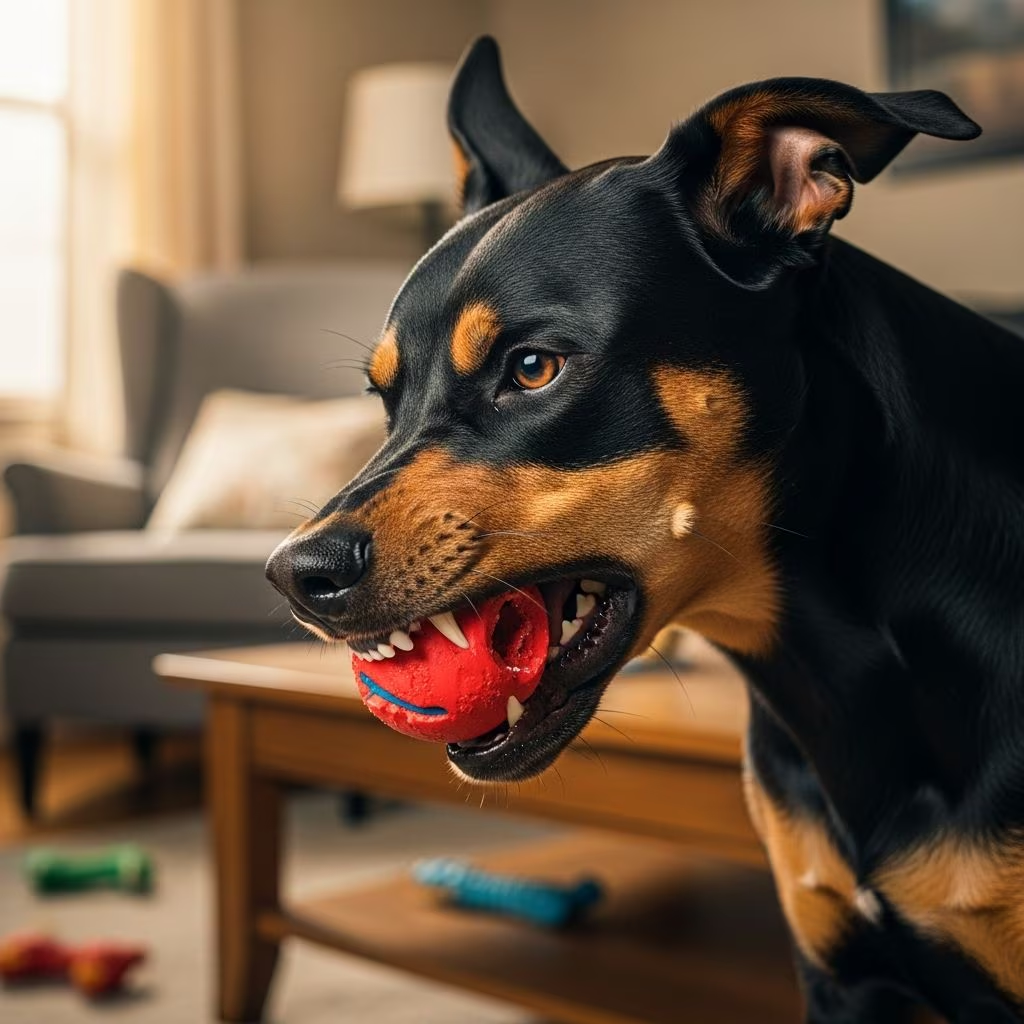
Understanding Possessive Aggression in Dogs
Possessive aggression is a serious behavioral issue that many dog owners encounter but may not fully understand. This type of aggression is directed toward humans or other pets that approach the dog when it is in possession of something highly desirable. It represents one of the most common forms of canine aggression and can escalate quickly if left unaddressed. Dogs exhibiting possessive aggression are essentially guarding resources they perceive as valuable, and this behavior can manifest in various ways depending on the individual dog and situation.
What Triggers Possessive Aggression?
Possessive aggression typically emerges when a dog feels threatened by someone approaching an item it values. Common triggers include:
– Food bowls and treats- Long-lasting chews such as rawhide or bones- Favorite toys or special items- Comfortable resting areas like beds or couches- The presence of a favorite person or family member
Understanding these triggers is essential for dog owners because it allows them to implement preventative measures and avoid situations that might escalate the behavior. Research indicates that not all dogs are equally predisposed to resource guarding. Both genetic and environmental factors play significant roles in determining whether a dog will develop possessive aggression. Unneutered males and dogs living in multi-dog households are statistically more likely to exhibit resource guarding behaviors compared to other dogs.
Risk Factors and Predisposing Conditions
Multiple factors contribute to the development of possessive aggression in dogs. These factors work together to create a dog’s overall threshold for aggressive behavior. Understanding these risk factors can help owners identify dogs that may be prone to possessive aggression and take appropriate steps to prevent or manage the behavior.
Genetic and Breed Predisposition
Certain breeds show higher rates of possessive aggression than others. Research has identified that Cocker Spaniels and Springer Spaniels are more prone to displaying possessive aggression compared to many other breeds. Sex also plays a role, with male dogs being more likely to exhibit resource guarding behaviors than females. These genetic predispositions suggest that some dogs are inherently more prone to possessive behaviors, making early intervention and management particularly important for these breeds.
Behavioral and Emotional Factors
Several behavioral traits have been linked to increased possessive aggression. Dogs that exhibit fearfulness, anxiety, or impulsivity are significantly more likely to display possessive aggression toward their resources. Additionally, dogs experiencing separation anxiety, frustration from lack of exercise, or inadequate socialization show higher rates of resource guarding. Fear-based aggression is particularly noteworthy because fearful dogs often become more defensive when approached while in possession of valued items, viewing the approach as a threat.
Training and Socialization History
The quality and extent of a dog’s training and early socialization experiences strongly influence the likelihood of developing possessive aggression. Dogs that have received inadequate training and socialization are significantly more prone to resource guarding than well-trained and properly socialized dogs. Early socialization during the critical period (approximately 4 to 14 weeks of age) helps establish appropriate behaviors and reduces fear responses that can contribute to possessive aggression.
Recognizing the Signs of Possessive Aggression
Possessive aggression manifests along a spectrum of behaviors, ranging from subtle warning signs to overt aggressive displays. Recognizing these signs early is crucial for preventing escalation and potential injury.
Subtle Warning Signs
The earliest indicators of possessive aggression may be easy to miss if owners aren’t vigilant. These subtle behaviors include stiffening or freezing in place, turning the body to shield an item, walking away with an object, or attempting to consume food or treats rapidly. A dog might also stiffen, hover over an object, or grasping at items. These behaviors indicate that the dog is beginning to feel protective of the resource and should be treated as warning signals.
Obvious Aggressive Behaviors
As possessive aggression escalates, more obvious and threatening behaviors emerge. These include baring teeth, snarling, growling, and barking. A dog may lunge forward or charge without making contact, or engage in mouthing behaviors that attempt to move or control a person without applying significant pressure. Some dogs perform “muzzle punches,” literally striking a person with their nose as a warning. In the most severe cases, actual biting occurs.
| Behavior Level | Examples | Severity |
|---|---|---|
| Mild Warning Signs | Stiffening, body shielding, rapid eating, moving away | Low Risk |
| Moderate Warnings | Growling, snarling, baring teeth, hovering | Medium Risk |
| Severe Aggression | Lunging, charging, muzzle punches, biting | High Risk |
Understanding the Underlying Causes
Possessive aggression rarely develops in a vacuum. Multiple underlying factors often contribute simultaneously to create the behavior. Understanding these root causes is essential for developing effective management and modification strategies.
Medical and Health Factors
Medical conditions can directly or indirectly contribute to possessive aggression. Dogs experiencing acute pain, chronic conditions like arthritis, or mentation-changing neurologic diseases may display increased irritability and resource guarding. Endocrine diseases, thyroid abnormalities, adrenal dysfunction, and even sensory deficits can push a dog closer to its aggression threshold. Additionally, any source of discomfort, from pruritus to chronic pain, can create irritability that makes a dog more prone to defensive behaviors.
Fear and Anxiety
Fear represents one of the most significant underlying motivations for possessive aggression. When dogs feel unable to avoid a threatening situation, they may resort to aggressive displays. A fearful dog guarding a resource perceives approaching individuals or other animals as threats to something valuable, creating an intense defensive response. This combination of fear and possessiveness can result in particularly intense aggression.
Environmental and Situational Factors
Immediate environmental circumstances can have an additive effect on aggressive responses. A painful dog approached by an unfamiliar person in a loud environment is far more likely to escalate to aggression than a healthy dog approached by a familiar person in a quiet setting. Living situation also matters; dogs in multi-dog households face increased competition for resources, potentially intensifying possessive behaviors.
Managing Possessive Aggression: Prevention and Treatment Strategies
Effective management of possessive aggression requires a comprehensive approach combining environmental management, behavioral modification, and addressing underlying issues. Prevention is always preferable to treatment, but with proper strategies, even dogs with established possessive aggression can show significant improvement.
Environmental Management
Environmental management is arguably the most important strategy for success. This includes:
– Removing or securing high-value items that trigger aggressive responses- Feeding dogs in separate spaces to prevent competition- Providing adequate space and resources for multi-dog households- Using baby gates or closed doors to control access to valued areas- Keeping potentially triggering items out of reach during interactions
Behavioral Modification
Behavioral modification techniques help dogs learn new responses to triggering situations. Training should focus on teaching dogs that the approach of people or other animals to their resources predicts positive outcomes rather than threats. This can be accomplished through desensitization and counterconditioning exercises, though these should always be conducted under professional supervision to prevent injury.
Medical Evaluation
A thorough veterinary evaluation is essential for any dog displaying aggressive behavior. Veterinarians can identify underlying medical conditions that may contribute to or cause possessive aggression. Treating pain, managing anxiety through medication when appropriate, and addressing health issues can significantly reduce aggressive behaviors.
Professional Training and Behavioral Support
Dogs with moderate to severe possessive aggression benefit greatly from working with certified professional dog trainers or veterinary behaviorists. These professionals can develop individualized treatment plans, implement behavioral modification techniques safely, and provide guidance to owners on managing the condition.
Special Considerations for Multi-Dog Households
Possessive aggression can be particularly challenging in homes with multiple dogs. Research shows that dogs living in multi-dog households are more likely to display resource guarding behaviors. Managing this situation requires careful planning and often involves feeding dogs separately, providing multiple resources, and monitoring interactions closely. Some households may benefit from physical separation during high-value activities like feeding or treat-giving.
When to Seek Professional Help
While some mild cases of possessive aggression can be managed by owners with proper guidance, many situations require professional intervention. Consider consulting with a veterinary behaviorist or certified professional dog trainer if:
– The aggression is escalating or becoming more intense- Multiple people in the household are being targeted- There have been bites or attempts to bite- The behavior has not improved with environmental management alone- You feel unsafe or uncomfortable around your dog
Frequently Asked Questions
Q: Can possessive aggression be completely cured?
A: Complete resolution of possessive aggression is often difficult to achieve. However, with proper management, behavioral modification, and addressing underlying issues, most dogs show significant improvement. A realistic favorable outcome is that aggressive episodes are minimized to a degree that safety and welfare for all household members is maintained.
Q: Is possessive aggression more common in certain breeds?
A: Yes, certain breeds show higher predisposition to resource guarding. Cocker Spaniels and Springer Spaniels have been identified as breeds more prone to possessive aggression, though the behavior can occur in any breed. Male dogs are also more likely to display possessive aggression than females.
Q: What should I do if my dog shows signs of possessive aggression?
A: First, consult your veterinarian to rule out underlying medical conditions. Then implement environmental management strategies such as feeding your dog separately, securing high-value items, and avoiding confrontation over resources. For persistent or severe cases, work with a certified professional dog trainer or veterinary behaviorist.
Q: Can early socialization prevent possessive aggression?
A: Proper early socialization and training during critical developmental periods (4 to 14 weeks of age) significantly reduce the risk of developing possessive aggression. Dogs with adequate socialization and training are much less likely to display resource guarding behaviors than insufficiently socialized dogs.
Q: Is possessive aggression the same as dominance aggression?
A: No, they are different. Possessive aggression is specifically about guarding valued resources, while dominance aggression involves perceived challenges to a dog’s social status. A dog can display possessive aggression toward family members while being friendly and submissive in other contexts.
Q: How does fear contribute to possessive aggression?
A: Fearful dogs often view approaches to their resources as threats. When a dog feels unable to escape or avoid these perceived threats, fear can trigger aggressive defensive responses. Addressing underlying fear and anxiety is crucial in treating possessive aggression.
References
- Aggression in Dogs: Etiology, Signalment, and Management — Today’s Veterinary Practice. 2024. https://todaysveterinarypractice.com/behavior/aggression-in-dogs-etiology-signalment-and-management/
- Understanding Canine Possessive Aggression and Resource Guarding: Insights from Scientific Research — The Gentle Ways. 2024. https://www.thegentleways.org/the-gentle-ways-blog/understanding-canine-possessive-aggression-and-resource-guarding-insights-from-scientific-research
- Aggression — ASPCA. 2024. https://www.aspca.org/pet-care/dog-care/common-dog-behavior-issues/aggression
- Your Dog Might be Showing Signs of This Common Possessive Aggression — Discover Magazine. 2024. https://www.discovermagazine.com/your-dog-might-be-showing-signs-of-this-common-possessive-aggression-46899
- Possessive Aggression in Dogs — VCA Animal Hospitals. 2024. https://vcahospitals.com/know-your-pet/possessive-aggression-in-dogs
- Possessive Aggression in Dogs — Brampton Veterinarian. 2024. https://bramptonveterinarian.com/possessive-aggression-in-dogs/
- The Truth About Aggression and Dominance in Dogs — University of California, Davis School of Veterinary Medicine. 2024. https://www.vetmed.ucdavis.edu/sites/g/files/dgvnsk491/files/inline-files/The_Truth_About_Aggression__Dominance_dogs.pdf



