

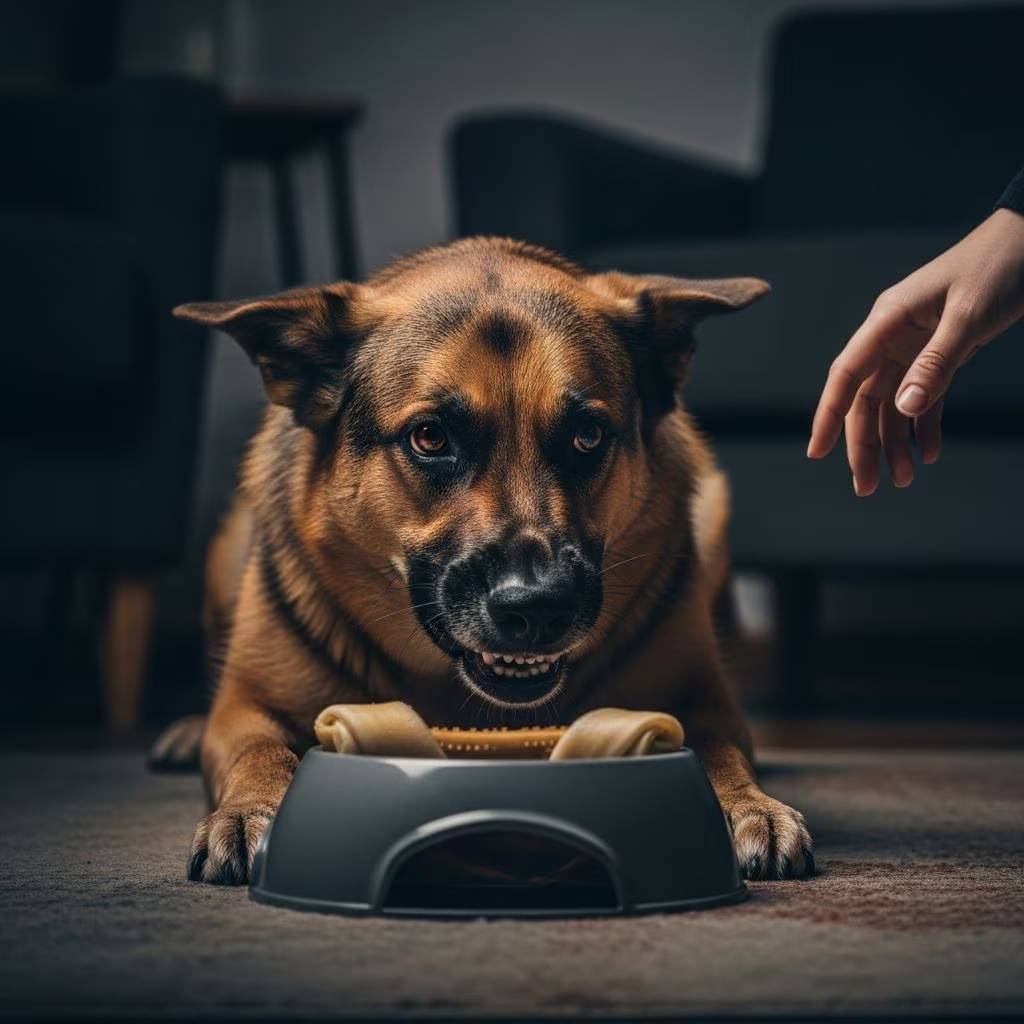
Understanding Possessive Aggression in Dogs
Possessive aggression in dogs is a specific behavioral issue that manifests when a dog displays threatening behaviors in the presence of items or situations it perceives as highly valuable or worth defending. This form of aggression is directed toward humans or other pets that approach the dog when it is in possession of something desirable, such as food, toys, bones, or favorite resting areas. Unlike other forms of canine aggression that may stem from fear or territorial instincts, possessive aggression is fundamentally rooted in resource guarding—the dog’s perceived need to protect valuable items from being taken away.
Understanding possessive aggression is crucial for dog owners because it can escalate over time if left unaddressed, potentially leading to serious injuries and damaging the human-animal bond. The condition is more common than many people realize, affecting dogs of various ages, sizes, and breeds. Research indicates that possessive aggression is associated with several risk factors, including age, sex, breed type, and the dog’s level of training and socialization.
Recognizing the Signs and Symptoms
Identifying possessive aggression early is essential for effective intervention. Dogs may display both obvious and subtle warning signs when guarding valuable resources. Recognizing these behavioral indicators allows owners to intervene safely before the situation escalates.
Obvious Warning Signs
When a dog is actively resource guarding, it typically displays clear aggressive indicators that most people can recognize:
- Baring teeth or snarling
- Growling in a low, threatening tone
- Lunging or charging at the approaching person or animal
- Biting or snapping
- Stiff body posture with raised hackles
Subtle Warning Signs
However, possessive aggression often begins with less obvious behaviors that precede overt aggression. These subtle signals are critical precursors that should not be ignored:
- Stiffening or freezing when someone approaches
- Turning the body to shield the resource
- Walking away with the item to a different location
- Rapidly eating or consuming the item
- Tension in the face and jaw
- Direct staring or whale eye (showing whites of the eyes)
Understanding the distinction between obvious and subtle signs is important because intervening at the subtle stage is much safer and more likely to be successful than waiting until the dog displays overt aggression.
Risk Factors and Contributing Causes
Possessive aggression does not develop randomly. Multiple factors combine to increase a dog’s likelihood of displaying resource guarding behaviors. Research has identified several key risk factors that predispose dogs to possessive aggression.
Genetic and Demographic Factors
Certain characteristics make some dogs more prone to resource guarding than others. Studies have shown that male dogs, particularly unneutered males, are more likely to display possessive aggression than female dogs. Specific breeds, such as Cocker Spaniels and Springer Spaniels, show higher predisposition rates than other breeds. Dogs living in multi-dog households also demonstrate increased likelihood of resource guarding behaviors, possibly due to increased competition for resources.
Behavioral and Emotional Factors
The underlying emotional state of a dog significantly influences its likelihood of displaying possessive aggression. Key behavioral correlates include:
- Fearfulness or anxiety around people or other animals
- Impulsivity or the tendency to act without forethought
- Separation anxiety
- Frustration from inadequate exercise or socialization
- Hyperactive tendencies
Interestingly, both generalized fear and impulsivity are largely genetic traits, though environmental factors can amplify or suppress their expression.
Training and Socialization Deficits
Dogs that have received insufficient training and early socialization are significantly more likely to exhibit possessive aggression. Proper socialization during the critical period (approximately 4 to 14 weeks of age) helps establish appropriate responses to resource-related situations. Dogs that missed these early learning opportunities may develop maladaptive guarding behaviors.
Environmental and Medical Factors
The immediate environment and underlying health conditions can trigger or exacerbate possessive aggression. High stress levels, loud environments, painful conditions, and various medical issues can push a dog closer to its aggression threshold. Any health concern—from acute pain to chronic orthopedic problems, thyroid abnormalities, or neurologic diseases—can contribute to increased irritability and possessive behaviors.
Common Triggers and Situations
Possessive aggression is typically triggered by specific situations where the dog believes its valued resource is being threatened. Understanding these triggers helps owners implement prevention strategies.
The most common triggers for possessive aggression include:
- Approaching the dog while it is eating from its food bowl
- Attempting to take away toys, bones, or chew items
- Reaching toward the dog’s favorite resting place or bed
- Petting or handling the dog while holding food or treats
- Approaching the dog during feeding time
- Other pets approaching the resource-holding dog
- Unfamiliar people or animals approaching during resource possession
It is important to note that the dog’s perception of threat is subjective. An action that seems harmless to humans may be perceived as threatening by the dog, particularly if the dog has experienced negative interactions in the past or lacks adequate socialization.
Management and Treatment Strategies
Managing possessive aggression requires a comprehensive approach that combines environmental management, behavioral modification, and professional intervention. Treatment success depends on consistent implementation and patience.
Environmental Management
Environmental management is arguably the most important strategy for preventing possessive aggression incidents and setting dogs and households up for success. This approach focuses on preventing the problematic situation from occurring rather than relying solely on behavior modification.
Key environmental management strategies include:
- Feeding the dog in a separate, quiet room away from other pets and family members
- Removing high-value items when guests are present
- Providing the dog with secure spaces where it can rest undisturbed
- Establishing predictable routines around feeding and treat times
- Using baby gates or crates to physically separate dogs during meals
- Avoiding situations that trigger resource guarding behavior
- Minimizing stress in the household environment
Behavioral Modification Techniques
Behavioral modification aims to change the dog’s emotional and behavioral response to resource-related situations. These techniques work best when combined with environmental management and should be implemented by experienced trainers or veterinary behaviorists.
Common behavioral modification approaches include:
- Desensitization and Counter-Conditioning: Gradually exposing the dog to the trigger (approach toward the resource) at sub-threshold levels while pairing the approach with positive outcomes, such as high-value treats or food.
- Consent-Based Protocols: Teaching the dog that approaching people means good things happen, rather than associating approaches with resource loss.
- Leave It and Drop It Commands: Training reliable obedience commands that give the dog an alternative behavior to resource guarding.
- Impulse Control Training: Developing the dog’s ability to inhibit immediate responses and make better choices.
Professional and Medical Support
Many cases of possessive aggression benefit from professional intervention. Veterinarians should always be consulted to rule out underlying medical conditions that may be contributing to aggression. In some cases, medical treatment or medication may be necessary to address underlying anxiety, fear, or other conditions.
A qualified veterinary behaviorist or certified professional dog trainer should be involved in developing a comprehensive treatment plan tailored to the individual dog’s situation.
Prevention and Early Intervention
Preventing possessive aggression is significantly easier than treating an established problem. Puppies and young dogs benefit greatly from early intervention and prevention strategies.
Early Socialization
Proper socialization during the critical developmental period establishes appropriate responses to resource-related situations. Puppies should be exposed to various people, animals, and situations in a controlled, positive manner. This early exposure helps prevent fear-based responses that often underlie resource guarding.
Proper Training and Boundaries
Teaching puppies appropriate behavior around resources from an early age prevents the development of possessive aggression. Establishing clear rules about food, toys, and resting areas helps the dog understand what is acceptable behavior. Avoiding rough play or competitive games involving resources is also important.
Consistent Management
Consistency in how resources are managed and handled prevents confusion and mixed messages that can exacerbate possessive behaviors. All family members should follow the same protocols regarding feeding, toy access, and handling.
Prognosis and Long-Term Outlook
The prognosis for complete resolution of possessive aggression varies depending on the severity of the behavior, the dog’s age, and the owner’s commitment to implementing management strategies. Complete elimination of possessive aggression is often challenging, but significant improvement is achievable in most cases.
A realistic favorable outcome involves minimizing aggressive episodes to the degree that welfare for all people and pets in the household is satisfactory. This often means maintaining permanent environmental modifications rather than expecting the dog to reliably overcome the behavior in all situations. Success requires ongoing management, consistent training, and often professional support.
Safety Considerations and When to Seek Help
Safety is paramount when dealing with possessive aggression. Dog bites pose risks for serious injury, particularly to vulnerable family members such as children or elderly individuals. Several situations warrant immediate professional intervention:
- When the dog has bitten someone, particularly if the bite caused injury
- When possessive aggression is escalating in frequency or intensity
- When multiple triggers are present or broadening in scope
- When other pets or family members have been injured or are at risk
- When the owner feels unsafe or unable to manage the situation
Consulting with a veterinarian is essential to rule out medical causes and discuss potential medication options. A certified professional dog trainer or veterinary behaviorist should be involved in developing a safe, effective treatment plan.
Frequently Asked Questions
Q: Is possessive aggression the same as dominance aggression?
A: No. Possessive aggression is specifically related to resource guarding and protecting valued items. Dominance aggression is a separate form of aggression related to social hierarchy and is often overdiagnosed. Possessive aggression is fundamentally different in its motivation and triggers.
Q: Can possessive aggression be completely cured?
A: Complete resolution is often unrealistic, but significant improvement is achievable through consistent management and behavioral modification. Most dogs can learn to tolerate or manage their possessive tendencies with proper intervention and ongoing environmental controls.
Q: At what age does possessive aggression typically appear?
A: Possessive aggression can appear at various ages, though it often becomes noticeable in adolescence or young adulthood. Early signs may be present in puppies, making early intervention important for prevention.
Q: Is neutering or spaying helpful for possessive aggression?
A: While unneutered males show higher rates of possessive aggression, spaying or neutering is not a guaranteed solution. It may help reduce some aggressive behaviors but should be combined with behavioral management and training.
Q: Can I train a dog with possessive aggression myself?
A: While basic environmental management can be implemented by owners, behavioral modification should ideally be guided by a certified professional dog trainer or veterinary behaviorist to ensure safety and effectiveness.
Q: What should I do if my dog resource guards?
A: Immediately implement environmental management strategies to prevent access to the guarded resource. Contact your veterinarian to rule out medical issues, then work with a certified professional to develop a behavior modification plan.
References
- Aggression in Dogs: Etiology, Signalment, and Management — Today’s Veterinary Practice. 2024. https://todaysveterinarypractice.com/behavior/aggression-in-dogs-etiology-signalment-and-management/
- Possessive and Territorial Aggression in Dogs — Wag! https://wagwalking.com/condition/possessive-and-territorial-aggression
- Understanding Canine Possessive Aggression and Resource Guarding: Insights from Scientific Research — The Gentle Ways. https://www.thegentleways.org/the-gentle-ways-blog/understanding-canine-possessive-aggression-and-resource-guarding-insights-from-scientific-research
- Aggression — ASPCA Pet Care Guide — American Society for the Prevention of Cruelty to Animals (ASPCA). https://www.aspca.org/pet-care/dog-care/common-dog-behavior-issues/aggression
- Your Dog Might be Showing Signs of This Common Possessive Aggression — Discover Magazine. https://www.discovermagazine.com/your-dog-might-be-showing-signs-of-this-common-possessive-aggression-46899
- Possessive Aggression in Dogs — VCA Animal Hospitals. https://vcahospitals.com/know-your-pet/possessive-aggression-in-dogs



