

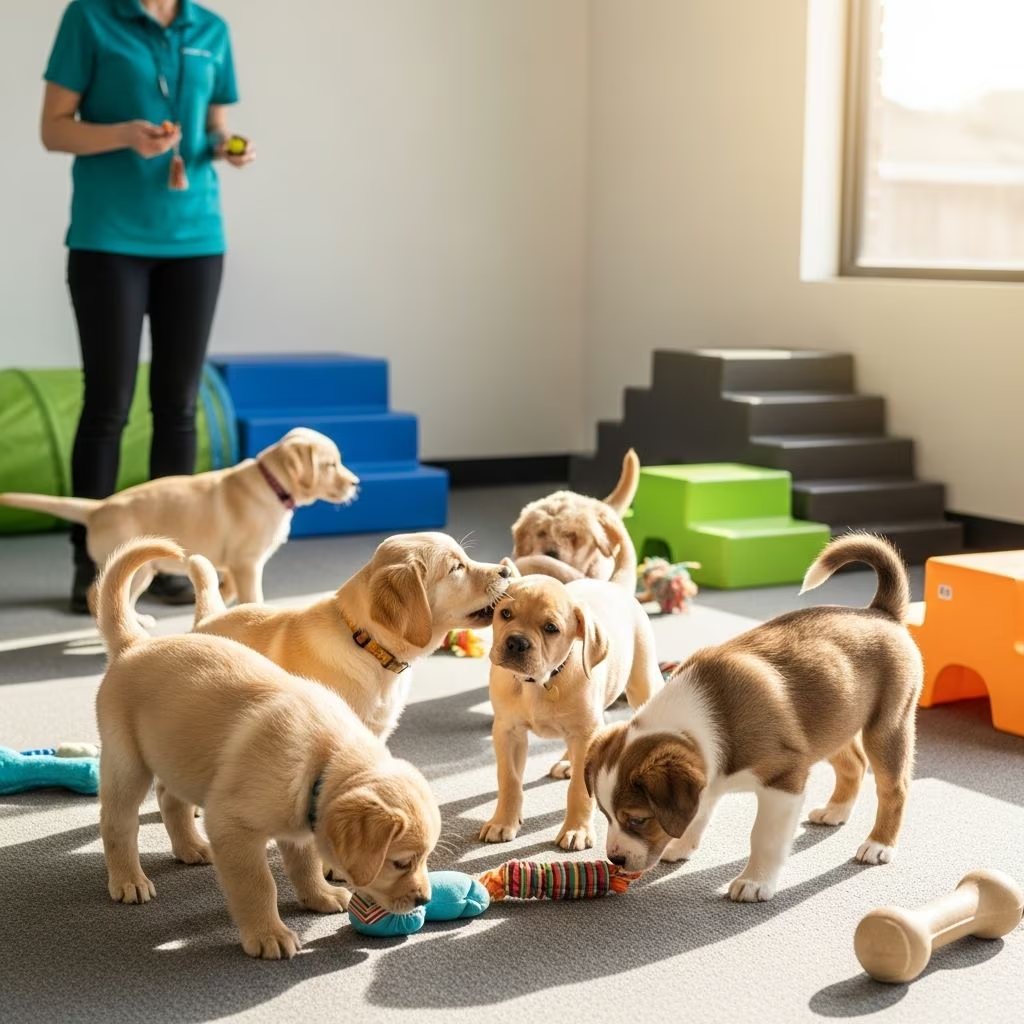
Positively Trained Puppy Socialization: Dos and Don’ts
Puppy socialization is one of the most critical aspects of raising a well-adjusted, confident, and behaviorally sound dog. During the early stages of a puppy’s life, their brain is particularly receptive to new experiences, making this the ideal window to introduce them to various people, environments, sounds, and situations. Proper socialization using positive reinforcement techniques can significantly reduce the likelihood of fear-based behaviors, aggression, and anxiety in adulthood. However, many well-meaning puppy owners inadvertently make mistakes during this crucial period that can have long-lasting negative effects on their dog’s behavior and temperament.
Understanding Puppy Socialization
Puppy socialization goes beyond simply exposing your puppy to new experiences; it involves creating positive associations with these encounters. The goal is to help your puppy become comfortable and confident in various situations, understanding that new experiences are enjoyable rather than threatening. When puppies encounter novel sights, sounds, smells, and textures in a positive context, they develop resilience and adaptability that will serve them throughout their lives.
The Dos of Positive Puppy Socialization
Do Make Experiences Positive and Rewarding
One of the fundamental principles of positive puppy socialization is pairing new experiences with rewards that your puppy loves. Whether it’s treats, toys, or verbal praise, these positive associations are crucial for building confidence. When introducing your puppy to something new, have high-value treats ready to reward calm, curious behavior. This creates a positive feedback loop where your puppy learns that new experiences lead to good things.
Break treats into small, easily digestible pieces to prevent overfeeding and allow for frequent rewards without excessive calories. The timing of rewards is equally important—deliver treats immediately after your puppy exhibits the desired behavior to create a strong association between the experience and the reward.
Do Introduce Varied People and Personalities
Puppies should meet diverse groups of people to become comfortable with human interaction in all its forms. This includes:
– Men, women, children, and elderly individuals- People wearing different items like hats, sunglasses, glasses, and hoods- Individuals using mobility aids such as canes, walkers, or wheelchairs- People with different physical characteristics like beards, long hair, or tattoos
When introducing your puppy to new people, ask them to offer treats rather than reaching directly toward your puppy. Allow your puppy to approach at their own pace, establishing that they have control over the interaction. This builds confidence and prevents the development of fear around approaching strangers or unfamiliar people.
Do Expose Your Puppy to Varied Environments and Surfaces
Different flooring textures and environmental surfaces play an important role in building a confident puppy. Create opportunities for your puppy to experience carpet, hardwood, tile, linoleum, grass, gravel, and other textures. You can use creative methods like placing old cookie sheets, cardboard boxes, or laundry baskets on the floor and encouraging your puppy to explore them with treats.
Take your puppy on short walks in safe, quiet areas before gradually progressing to busier environments. This gradual exposure helps prevent overwhelming your puppy while building positive associations with outdoor exploration.
Do Introduce Sounds Gradually and Appropriately
Sound sensitivity is a common issue in dogs that can be prevented through careful, gradual exposure. Start by exposing your puppy to low-level recordings of common sounds like traffic, thunder, and fireworks, gradually increasing the volume as your dog becomes comfortable. Natural exposure to sounds like vacuum cleaners, washing machines, and doorbells in the home environment also contributes to developing a sound-tolerant adult dog.
Do Teach Your Puppy to Accept Human Touch
Habituating your puppy to human touch is vital, as handling will occur frequently throughout their life. Practice gentle touching of your puppy’s paws, ears, muzzle, and tail, always pairing these interactions with treats or praise. If your puppy shows any hesitation about tools like nail clippers or grooming supplies, desensitize them slowly by placing the tool near their paws followed by a treat, gradually working up to actual contact.
Teach your puppy to feel comfortable with an approaching hand over their head, as this scenario will happen many times during their lifetime. Pair an outstretched hand with treats or praise to build positive associations. Target training, where you teach your puppy to touch a human hand with their nose, can also help create better associations with reaching hands and sudden movements.
Do Supervise Early Dog-to-Dog Interactions
When introducing your puppy to other dogs, choose well-socialized, friendly dogs for initial playdates. Supervise all interactions carefully, watching for signs of fear, stress, or overstimulation. Ensure that other dogs are healthy and vaccinated before allowing close contact. These positive interactions help your puppy develop appropriate canine communication skills.
Do Involve Your Entire Family in Socialization
Having different family members participate in the socialization process ensures that your puppy learns to accept new experiences regardless of who they’re with. You might have family members keep a journal of new experiences the puppy encounters, turning socialization into an engaging family activity.
The Don’ts of Positive Puppy Socialization
Don’t Force Your Puppy Into Uncomfortable Situations
One of the most critical mistakes in puppy socialization is forcing your puppy into situations that cause fear or anxiety. Never physically place your puppy on a surface they’re hesitant about or force them to interact with people or other dogs. Forcing negative experiences can create lasting fear associations and damage your puppy’s confidence. Instead, allow your puppy to approach new experiences at their own pace, using treats and positive encouragement as motivation.
Don’t Show Nervousness or Tension During Introductions
Puppies are highly attuned to their owner’s emotions and body language. If you appear anxious or nervous when introducing your puppy to another dog, for example, your puppy will pick up on this tension and may become fearful themselves. Maintain a calm, positive demeanor during all socialization activities. Your relaxed energy communicates to your puppy that the situation is safe and enjoyable.
Don’t Skip Important Veterinary Care
While socialization is important, protecting your puppy’s health is paramount. Don’t allow your puppy to interact with other dogs or visit places frequented by unknown dogs until they have received appropriate vaccinations. Work with your veterinarian to determine a safe socialization schedule that balances health protection with critical developmental windows.
Don’t Neglect Positive Reinforcement During Training
Avoid using punishment, force, or intimidation when socializing your puppy. Positive reinforcement is far more effective than punishment and doesn’t create the fear and anxiety that can lead to behavioral problems. Rewarding desired behavior is the most effective way to teach your puppy what you want from them.
Don’t Isolate Your Puppy
Some owners mistakenly keep their puppies isolated or limit their exposure to new experiences because they’re worried about illness or accidents. This isolation can lead to fear, anxiety, and behavioral problems that are far worse than the health risks associated with careful, supervised socialization. Find a balance between health precautions and appropriate exposure.
Don’t Forget to Maintain Early Socialization Benefits
Socialization doesn’t end after the critical early period; it should continue throughout your dog’s life. Without continued positive exposure to various experiences, dogs can develop fear or reactivity to situations they haven’t encountered in a while. Regular, ongoing exposure to diverse experiences helps maintain confidence and prevents the development of behavioral issues.
Creating Positive Associations With Everyday Items and Experiences
Grooming and Veterinary Experiences
Make grooming and veterinary visits positive by practicing at home and rewarding calm behavior. Visit your veterinarian’s clinic just for treats before any medical procedures are needed. When introducing tools like nail clippers or brushes, let your puppy explore them first, then pair them with treats and praise. This prevents fear of grooming and veterinary care in adulthood.
Car Rides and Travel
Take your puppy on short car rides in safe environments before attempting longer trips. Reward calm behavior in the car with treats and praise. Make car rides an enjoyable experience rather than something associated only with veterinary visits or stressful situations.
Novel Textures and Surfaces
Use household items to introduce novelty to your puppy’s feet and body. Cookie sheets, cardboard boxes, trash can lids, and laundry baskets can all be placed on the floor with treats placed on them to encourage exploration. When puppies have positive associations with novel surfaces, they’re more likely to be comfortable with new experiences in unfamiliar environments.
Handling and Touch Sensitivity
The Importance of Touch Training
Many behavioral issues in adulthood stem from poor handling during puppyhood. Teaching your puppy to feel good about being touched on all parts of their body—paws, ears, tail, muzzle—prevents problems with grooming, veterinary care, and everyday interactions. Use treats and praise generously when handling your puppy’s sensitive areas.
Teaching Acceptance of Restraint
If you need to pick up your puppy during playtime, use redirection with treats or toys to create positive associations rather than simply grabbing them. This teaches your puppy that being picked up leads to good things rather than being interrupted mid-activity. Consistency in this training prevents resistance to being handled or picked up later in life.
Common Socialization Mistakes to Avoid
| Mistake | Why It’s Problematic | Better Approach |
|---|---|---|
| Forcing interaction with fearful puppies | Creates stronger fear responses | Allow puppy-led exploration with treats |
| Exposing to too many stimuli too fast | Causes overwhelm and anxiety | Gradual, controlled introductions |
| Using punishment for hesitation | Increases fear and anxiety | Use positive reinforcement only |
| Skipping dental care handling | Creates lifelong dental care resistance | Practice regular dental touch with rewards |
| Neglecting ongoing socialization | Loss of skills and confidence | Continue exposure throughout adulthood |
Age-Appropriate Socialization Timeline
Early Weeks at Home
From day one, begin handling your puppy gently and introducing household sounds and family members. Practice basic touch desensitization with treats and praise. This is the foundation for all future socialization.
Following Vaccination Guidelines
Once your veterinarian confirms that your puppy’s vaccinations are on schedule, gradually increase exposure to new environments, people, and other dogs. Puppy classes can provide an excellent, controlled environment for socialization with other vaccinated puppies.
Expanding Horizons
As your puppy grows and their vaccination series is complete, expand socialization to include pet-friendly stores, outdoor cafes, busier environments, and more diverse groups of people and animals.
Frequently Asked Questions (FAQs)
Q: When should I start socializing my puppy?
A: Start socialization from the moment your puppy comes home. Begin with gentle handling and family introductions, then expand to other experiences as vaccination protocols allow. Most experts recommend beginning between 3-4 weeks of age and continuing throughout the first year.
Q: What if my puppy seems scared during socialization?
A: Never force a scared puppy into the situation. Instead, use treats and encouragement to allow the puppy to approach at their own pace. Move slowly, maintain a calm demeanor, and use positive reinforcement. For shy puppies, patience and consistent positive experiences are essential.
Q: Do I need to enroll my puppy in formal training classes?
A: While not required, puppy training classes provide excellent structure, professional guidance, and controlled socialization opportunities. Classes are particularly helpful for first-time dog owners and dogs showing behavioral concerns.
Q: Can an adult dog be socialized if they missed early socialization?
A: Yes, but it takes more time and patience than early socialization. Adult dogs can still benefit from positive exposure to new experiences, though the critical developmental window has passed. Working with a professional trainer is often beneficial.
Q: How do I know if my puppy is getting too much stimulation?
A: Signs of overstimulation include excessive panting, yawning, refusing treats, or hiding. If you notice these signs, stop the socialization activity and allow your puppy to rest in a quiet space. Always end on a positive note.
Q: Should I use punishment if my puppy doesn’t cooperate during socialization?
A: No. Punishment creates fear and can worsen socialization problems. Use only positive reinforcement, treats, and encouragement. If your puppy is resistant, take a step back and approach more gradually.
References
- Puppy Socialization — Victoria Stilwell, Positively.com. https://positively.com/dog-training/article/foundations-puppy-socialization
- How to Socialize a New Puppy (or Rescue Dog) the Right Way — Gardens Animal Hospital. https://www.gardensanimalhospital.com/how-to-socialize-a-new-puppy-or-rescue-dog-the-right-way/
- How to Socialize a Puppy — American Kennel Club. https://www.akc.org/expert-advice/training/puppy-socialization/
- Puppy Socialization Tips — Animals First Veterinary Hospital. 2025-10-21. https://animalsfirstvethospital.com/2025/10/21/puppy-socialization-tips-haddon-township-nj/
- Puppy Behavior and Training – Socialization and Fear Prevention — VCA Animal Hospitals. https://vcahospitals.com/know-your-pet/puppy-behavior-and-training—socialization-and-fear-prevention
- Positive Puppy Training for a Happy, Obedient Puppy — How to Train a Dream Dog. https://www.howtotrainadreamdog.com/positive-puppy-training/
- Puppy 101: Creating Positive Behaviors — Small Door Veterinary. https://www.smalldoorvet.com/learning-center/puppies-kittens/creating-positive-puppy-behaviors



