Positive Punishment for Dogs
Understand why positive punishment harms dogs and discover effective, science-backed positive reinforcement alternatives for better training results.
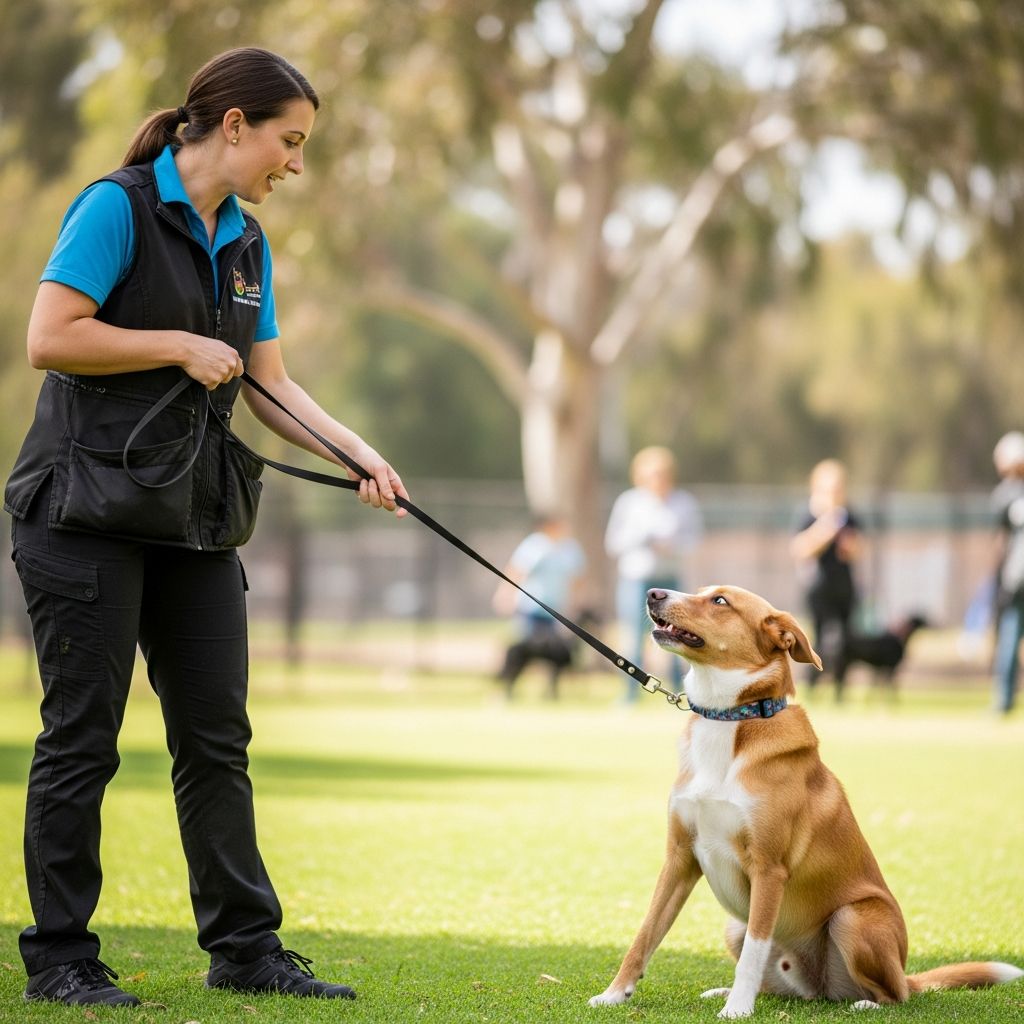
Positive punishment involves adding an aversive stimulus to decrease unwanted behaviors in dogs, such as leash jerks or verbal scolding. However, research shows it often leads to fear, anxiety, aggression, and weakened human-dog bonds, making positive reinforcement a superior alternative.
What Is Positive Punishment?
In dog training,
positive punishment
(often abbreviated as +P) refers to adding something unpleasant immediately after a dog performs an undesired behavior to reduce its future occurrence. This is one of the four quadrants of operant conditioning, defined by B.F. Skinner’s behavioral framework.For example, if a dog jumps on guests and you knee it in the chest or yell sharply, delivering discomfort or intimidation, you’ve applied positive punishment. The ‘positive’ aspect means something is added (the aversive stimulus), not that it’s good or beneficial.
Common examples include:
- Leash jerks or collar corrections to stop pulling
- Hitting, poking, or alpha rolls for jumping or biting
- Spraying water, citronella, or shouting ‘no’ loudly
- Using prong collars, shock collars, or physical restraint
While it may suppress behavior short-term, positive punishment doesn’t teach dogs what to do instead, often leading to confusion, stress, and fallout.
Positive Punishment vs. Positive Reinforcement
**Positive reinforcement** (+R) adds something pleasant—like treats, praise, or play—after a desired behavior to increase its frequency. This builds enthusiasm and clarity, unlike punishment’s focus on suppression.
| Aspect | Positive Punishment (+P) | Positive Reinforcement (+R) |
|---|---|---|
| Definition | Adds aversive to decrease behavior | Adds reward to increase behavior |
| Goal | Stop unwanted actions | Encourage wanted actions |
| Dog’s Experience | Fear, pain, confusion | Joy, motivation, learning |
| Long-term Effect | Risk of aggression, stress | Stronger bond, reliability |
| Examples | Leash jerk, scolding | Treat for sitting, praise for recall |
Positive training sets dogs up for success by guiding them toward alternatives, preventing practice of bad habits, and addressing root causes like fear or anxiety. Punitive methods wait for errors, suppressing without teaching.
Problems with Positive Punishment
Positive punishment carries significant risks, backed by peer-reviewed studies and veterinary guidelines. It often increases problem behaviors rather than resolving them.
- Fear and Anxiety: Dogs associate the punisher (often the owner) with pain, leading to shutdown, avoidance, or heightened stress responses.
- Increased Aggression: Frequent use correlates with dogs more likely to show aggression toward family or strangers (Arhant et al., 2010; Casey et al., 2010). Punished dogs may bite out of fear or frustration.
- Problem Behaviors Worsen: Owners using +P report more excitability and issues overall (Hiby et al., 2004).
- Learned Helplessness: Repeated punishment can cause dogs to stop trying new behaviors, mimicking depression.
- Predictive Effects: Dogs perform to avoid pain, not because they understand or enjoy the task.
Veterinary bodies like the American Veterinary Society for Animal Behaviour (AVSAB) state there’s no evidence that aversives are necessary; reward-based methods suffice for all training.
Science Behind Why Positive Punishment Fails
Studies consistently show rewards outperform punishment. Dogs trained positively exhibit fewer stress signals (e.g., lip-licking, yawning), stronger owner bonds, and faster command response.
Aversives exacerbate underlying issues like anxiety, reducing learning capacity. Positive methods treat causes—e.g., counter-conditioning fear—permanently. In aggression cases, punishment fights stress with more stress, worsening outcomes.
The Australian Veterinary Association notes punishment elevates cortisol (stress hormone), impairing cognition and welfare. Reward training reduces problems, offers mental stimulation, and strengthens bonds.
The Myth of Dominance and Positive Punishment
Punitive trainers often invoke ‘dominance’ to justify aversives, claiming dogs seek alpha status. Science debunks this: hierarchies among dogs are fluid, context-dependent, not fixed packs mirroring wolves.
Dogs seek security and rewards, not control. Positive training uses consistent rewards to guide choices, fostering cooperative living without intimidation. Punishment damages trust, breeding fear of the handler.
Positive Reinforcement: The Proven Alternative
Positive reinforcement rewards desired behaviors immediately, using high-value motivators tailored to the dog.
- Praise and Play: Excited ‘good dog!’ or tug sessions build joy.
- Treats and Toys: Tiny, soft treats for quick sits; toys for high-drive dogs.
- Life Rewards: Walks, sniffs, or car rides for calm behavior.
Key principles:
- Timing: Reward within 1-2 seconds.
- Consistency: Everyone in the household participates.
- Setup for Success: Manage environment to prevent errors.
- Address Roots: Use desensitization for fear-based issues.
This method communicates clearly, making dogs eager learners who love training.
Handling Common Behaviors Without Punishment
Replace +P with proactive strategies:
- Jumping: Turn away, reward four paws on floor.
- Pulling: Stop walking, reward slack leash.
- Barking: Teach ‘quiet’ cue with treats; enrich environment.
- Aggression: Consult professionals for counter-conditioning.
Prevent issues by exercising, enriching, and training daily.
Frequently Asked Questions
Is positive punishment ever okay for dogs?
No, veterinary experts like AVSAB recommend against it due to welfare risks and superior alternatives.
Does positive punishment work faster than rewards?
It may suppress temporarily but rebounds with worse issues; rewards yield reliable, long-term results.
Can my dog understand I’m punishing for its own good?
Dogs don’t rationalize; they feel fear/pain and may blame you, eroding trust.
How do I switch to positive reinforcement?
Start with basics like sit/stay using treats/praise; seek certified trainers (CPDT-KA) for issues.
What if positive methods fail?
They rarely do when applied correctly; persistence and professional help address underlying causes.
References
- Positive vs Punitive — Positively.com. 2023. https://positively.com/dog-training/article/philosophy-positive-vs-punitive
- What Is Positive Punishment in Dog Training? — Companion Animal Psychology. 2017-10-12. https://www.companionanimalpsychology.com/2017/10/what-is-positive-punishment-in-dog.html
- The Secret to Dog Training: Why Positive Reinforcement Works But Punishment Doesn’t — Rau Animal Hospital. 2023. https://www.rauanimalhospital.com/services/dogs/blog/secret-dog-training-why-positive-reinforcement-works-punishment-doesnt
- The Use of Punishment and Negative Reinforcement in Dog Training — Australian Veterinary Association. 2023. https://www.ava.com.au/policy-advocacy/policies/companion-animals-dog-behaviour/the-use-of-punishment-and-negative-reinforcement-in-dog-training/
- Definitions And Examples For +/- Reinforcement And +/- Punishment — Dog Trick Academy. 2023. https://www.dogtrickacademy.com/forum/threads/definitions-and-examples-for-reinforcement-and-punishment.5338/
Similar Articles







Read full bio of medha deb