Building Positive Nail Care Habits for Dogs
Transform nail trimming from stressful to stress-free with proven conditioning techniques
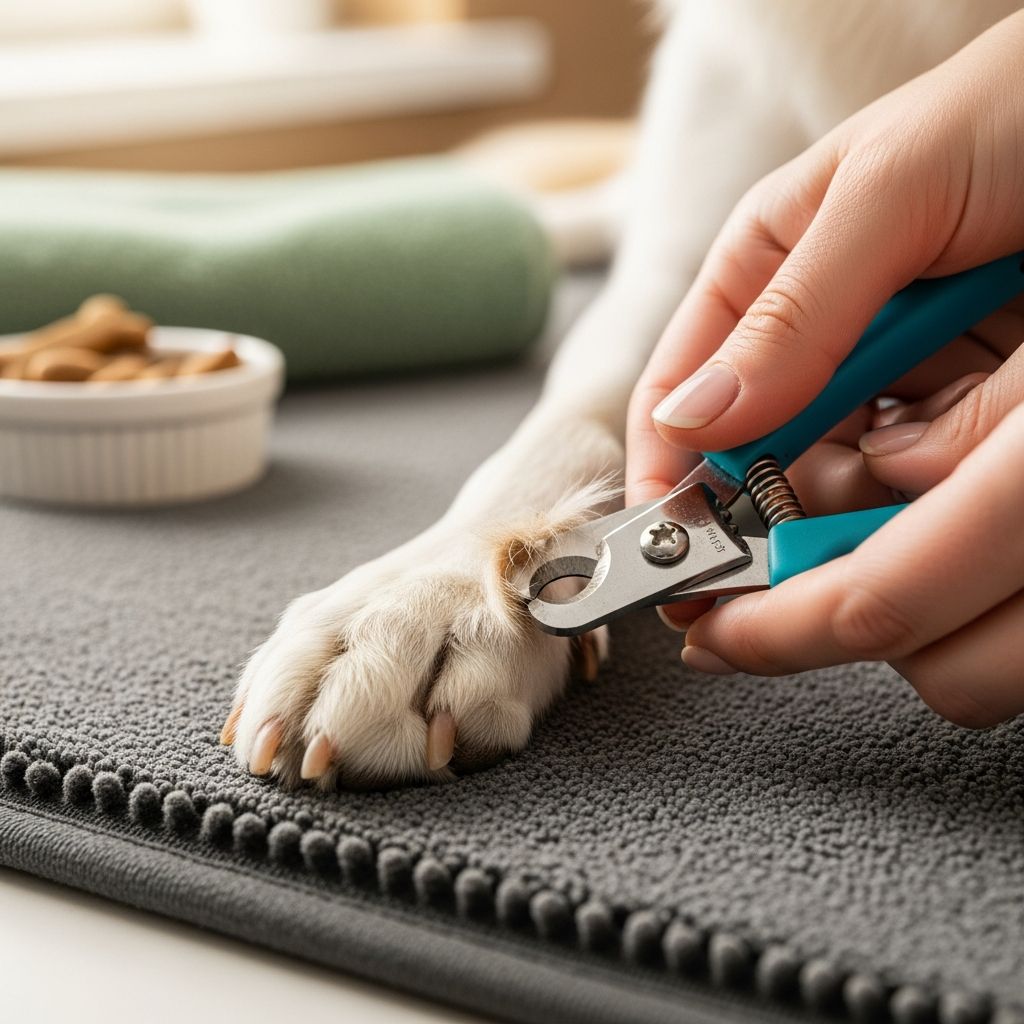
Nail trimming represents one of the most common sources of friction between dogs and their owners. What should be a routine grooming task often becomes a wrestling match, leaving both pet and caregiver frustrated and stressed. However, this outcome is entirely preventable. Through thoughtful preparation, consistent practice, and reward-based approaches, you can transform your dog’s perception of nail maintenance from something to dread into an experience they may actually welcome.
The key lies in understanding that most dogs don’t inherently resist nail care. Instead, their resistance develops from negative associations formed during previous trimming attempts. By rebuilding these associations through deliberate conditioning, you give your dog the opportunity to view paw handling and nail tools in a completely new light.
Understanding Your Dog’s Resistance to Nail Trimming
Before implementing any training strategy, it helps to recognize why dogs develop anxiety around nail trimming. Dogs may resist for several interconnected reasons. Some dogs have sensitive paws and feel uncomfortable with restraint or pressure. Others may have experienced a painful trimming session where the groomer cut too short, reaching the quick—the blood vessel inside the nail. Even a single negative experience can create lasting apprehension.
Additionally, many traditional trimming approaches involve holding the dog’s paw firmly or restricting their movement, which dogs may perceive as threatening or controlling. The sound of clippers or the vibration of a grinder can startle sensitive dogs. The combination of physical restraint, unfamiliar sensations, and lack of control often creates a perfect storm of anxiety.
Recognizing these factors allows you to address them systematically rather than simply overpowering your dog’s resistance. When you understand what specifically troubles your dog, you can tailor your conditioning approach accordingly.
The Foundation: Desensitization to Touch
Before introducing any grooming tools, your dog must become comfortable with having their paws handled. Many dogs with trimming anxiety have underlying sensitivity about paw touching itself. This foundational step cannot be skipped if you want lasting success.
Begin by gently touching your dog’s paws during calm moments, not during formal training sessions. While relaxing together on the couch or after a walk, casually pick up a paw, hold it briefly, and immediately offer a high-value treat. The goal is to create an automatic positive association: paw handling equals treats and pleasant things.
Gradually increase your engagement. Progress from simple touching to gently massaging the paw, spreading the toes, and examining between the pads. If your dog pulls away, you’re moving too fast. Return to previous steps and build more slowly. Each dog’s comfort timeline differs; some dogs need just a few sessions while others require weeks of patient work.
Practice this desensitization separate from any grooming context. If your dog knows paw handling always precedes clippers, they may develop anxiety simply at the sight of handling. By normalizing touch in everyday situations, you remove this trigger.
Introducing the Tools Without Pressure
Once your dog accepts casual paw handling, introduce the nail trimming tools in a completely non-threatening manner. The goal during this phase is simple familiarity, nothing more.
Leave the clippers or grinder in visible locations around your home so your dog encounters them casually. During short, informal sessions, show your dog the tool, let them sniff it, and immediately provide treats. Never move the tool toward the paw during these introductions. The objective is purely visual and olfactory familiarization.
Over several sessions, gradually bring the tool closer while maintaining positive associations. Let your dog see and smell the clippers more closely. Click them to produce the sound without the dog being in a vulnerable position. If using a grinder, turn it on at a distance so your dog hears the sound while receiving treats. The key principle remains constant: the tool’s presence predicts good things happen.
This phase might require five to ten sessions for a dog with minimal anxiety, or several weeks for a highly sensitive dog. Patience at this stage prevents future problems. Rushing creates setbacks that require additional time to overcome.
Progressive Desensitization: Combining Touch and Tools
Once your dog accepts both paw handling and tool presence separately, begin combining these elements gradually. During calm sessions, hold your dog’s paw as you normally would for treats. While holding the paw, bring the unopened clippers or silent grinder nearby. Offer treats and praise. Withdraw the tool and release the paw.
Over subsequent sessions, allow the tool to make contact with the paw without any cutting action. Simply touch the clipper blades or grinder tip to the nail while rewarding heavily. Let your dog become accustomed to this sensation in a safe context where nothing painful occurs.
Introduce the tool sounds gradually. Squeeze the clippers so your dog hears the clicking sound while the paw is held but no actual trimming occurs. Activate the grinder briefly against the paw to let your dog feel the vibration. These simulations prepare your dog’s nervous system for the sensations without actual nail trimming.
Throughout this phase, maintain consistent reward delivery. Every interaction with the tool should result in treats, praise, or both. Your dog should begin anticipating that paw handling and tool contact lead to positive outcomes.
Establishing Positive Behavioral Associations
Behavioral associations grow strongest through repetition in varied contexts. Practice your desensitization work in multiple locations and at different times of day. If your dog only experiences this conditioning before actual trimming, they may not generalize the positive association to trimming day itself.
Create a training schedule that includes regular mock trimming sessions where you perform all the steps of actual trimming—holding the paw, positioning it correctly, activating tools—but don’t cut nails. These rehearsals strengthen your dog’s confidence and familiarity without the pressure of actual trimming requirements.
Vary your reward schedule to maintain engagement. Sometimes reward with high-value treats, sometimes with verbal praise and petting, sometimes with play or access to a favorite toy. Unpredictable rewards often create stronger behavioral associations than predictable ones.
Implementing Gradual Trimming Introduction
When your dog demonstrates comfort with all previous steps, you may attempt actual trimming. Begin by trimming only one or two nails per session, choosing the ones that pose the least challenge. Focus on nails that are clearly overgrown so you can safely remove just the tip without approaching the quick.
After trimming each nail, immediately release your dog’s paw and provide a substantial reward. Keep sessions very brief—attempting to trim all nails in one session often undoes previous progress. Multiple short sessions with positive outcomes far outweigh one long session that risks creating frustration.
Gradually expand the number of nails trimmed per session only as your dog demonstrates increasing comfort. Some dogs progress from one nail to a full pedicure within a few weeks. Others require a more gradual expansion over several months. This individual pacing prevents regression and builds true comfort rather than mere tolerance.
If your dog shows signs of anxiety during trimming—pulling away, trembling, excessive panting—stop immediately and return to previous conditioning steps. Pushing through resistance creates the opposite of your intended outcome. Your dog’s comfort level should guide your pace.
Alternative Approaches to Consider
Beyond traditional counter-conditioning, several alternative methods can help dogs become comfortable with nail maintenance.
Self-Filing Technique: Some trainers teach dogs to file their own nails using sandpaper-covered boards. Dogs learn to paw at the board through shaping exercises, naturally wearing down their nails. This approach eliminates the tool and restraint components that create anxiety for some dogs. However, it requires careful training and may not suit all nail lengths or conditions.
Positioning-Based Approaches: Rather than the traditional sitting position, some dogs feel more comfortable with nail trimming during down positions or while resting their paws on a handler’s leg. Finding a positioning method your dog naturally prefers can reduce the restraint anxiety component significantly.
Professional Grooming with Preparation: If home trimming remains consistently challenging, professional groomers experienced with anxious dogs represent a valid option. However, preparing your dog through desensitization still helps even when outsourcing the actual trimming, as it prevents broader anxiety about grooming contexts.
Creating a Sustainable Maintenance Schedule
Consistency matters enormously for maintaining positive associations. Dogs whose nails are trimmed regularly at predictable intervals show less anxiety than those receiving sporadic, emergency trimming sessions. Regular maintenance also prevents nails from becoming extremely overgrown, which makes trimming more challenging and time-consuming.
Most dogs require nail trimming every three to eight weeks depending on activity level and nail growth rate. Even if your dog needs trimming less frequently, continue performing mock trimming sessions in between actual trimmings. These practice sessions maintain your dog’s comfort level and prevent anxiety from resurfacing during actual trimming.
Keep trimming supplies easily accessible and consider scheduling trimming sessions at consistent times. Dogs thrive on predictability, and a dog that knows Saturday mornings involve potential trimming becomes more psychologically prepared than one facing surprise trimming sessions.
Troubleshooting Common Challenges
Regression After a Bad Trimming Experience: If a groomer accidentally cuts too short or your dog has a negative experience, expect regression in their conditioning. Return to earlier training stages and rebuild from that foundation. This typically requires additional weeks but is entirely recoverable.
Fear of Specific Nails: Some dogs develop anxiety specifically around certain nails, particularly back feet or dew claws. Focus extra desensitization work on these particular nails before attempting to trim them. Identify whether the issue is the location, the specific tool application, or the paw positioning and address the root cause.
Extreme Anxiety Despite Consistent Conditioning: Some dogs with severe anxiety or past trauma may benefit from professional behavior modification consultation or veterinary-prescribed anxiety management during the learning process. These tools provide support while conditioning occurs, not permanent solutions.
Safety Considerations During the Process
Throughout conditioning and trimming, maintain safety awareness. Always trim in good lighting so you can clearly see the nail anatomy and identify the quick. When trimming, cut only small amounts, following the natural slope of the nail. For dogs with dark nails where the quick isn’t visible from outside, look for a small dark center dot visible when you’ve cut to the right depth—this signals you’ve reached the quick.
Keep styptic powder readily available in case you accidentally trim too short. If bleeding occurs, apply pressure with a cotton ball or paper towel and press into the styptic powder to stop bleeding quickly. Remain calm during any mistakes; your dog reads your emotional state and may develop additional anxiety if you appear distressed.
Ensure proper tool maintenance. Dull clippers require more pressure and can crush nails rather than cutting cleanly. Sharp, well-maintained tools make cleaner cuts, causing less discomfort and reducing the likelihood of complications.
Building Long-Term Comfort and Cooperation
The ultimate goal extends beyond mere tolerance to active cooperation. With consistent, patient conditioning, many dogs eventually anticipate nail trimming sessions positively or even offer their paws voluntarily. This represents the successful culmination of counter-conditioning work.
Dogs that reach this stage typically demonstrate decreased anxiety in other grooming and veterinary contexts as well. The confidence developed through successful nail trimming often generalizes to other situations where handling and potentially uncomfortable procedures occur.
Remember that every dog progresses at their own pace. Comparing your dog’s timeline to others’ creates unnecessary pressure. What matters is consistent progress toward your goal of comfortable, cooperative nail maintenance. Celebrate small victories—your dog allowing increased touch, remaining calm during tool handling, permitting multiple nails to be trimmed—as these represent genuine progress.
The investment of time during the conditioning phase pays tremendous dividends throughout your dog’s life. A dog comfortable with regular nail maintenance experiences better paw health, reduced behavioral stress, and strengthened trust in your handling. The effort transforms a dreaded task into routine care that benefits both your dog’s physical wellbeing and your relationship.
References
- Force-Free Nail Trimming Techniques for Your Dog — Whole Dog Journal. 2012. https://www.whole-dog-journal.com/care/nail-clipping/force-free-nail-trimming-techniques-for-your-dog/
- Trim Your Dog’s Nails Safely — American Kennel Club. https://www.akc.org/expert-advice/health/how-to-trim-dogs-nails-safely/
- How to Help Your Dog Love Nail Cutting or Dremeling — Susan Garrett Dog Agility. 2021-09. https://susangarrettdogagility.com/2021/09/how-to-help-your-dog-love-nail-trimming/
Similar Articles








Read full bio of medha deb