
Portuguese Water Dog: Breed Guide, Traits & Care
Complete guide to Portuguese Water Dogs: history, traits, care needs, and training tips.
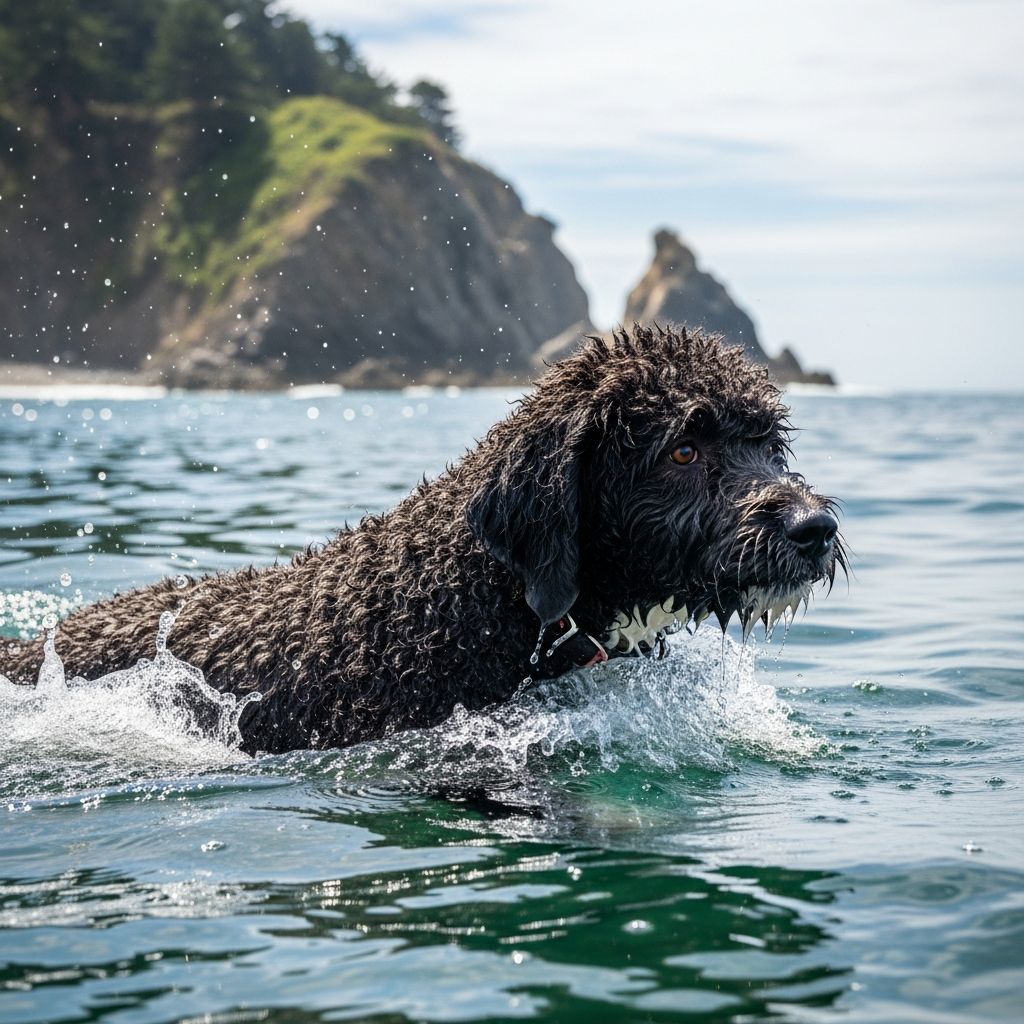
Portuguese Water Dog Breed Guide
The Portuguese Water Dog is a robust, medium-sized dog with a rich history along Portugal’s coastline. Prized by fishermen for centuries, this intelligent and spirited breed was developed to assist in retrieving broken nets, herding schools of fish, and carrying messages between boats and shore. Today, these exceptional swimmers and divers make loyal, energetic companions for active families who can meet their substantial exercise and mental stimulation needs.
Breed History and Origins
The Portuguese Water Dog emerged from the maritime traditions of Portugal, where fishermen needed capable working partners in the water. Known for centuries along the Portuguese coast, this seafaring breed was specifically valued for its spirited yet obedient nature and robust, medium build that allowed for a full day’s work both in and out of the water. The breed’s exceptional swimming and diving abilities made them invaluable for retrieving equipment, herding fish, and performing other critical tasks on fishing vessels. This working heritage remains deeply embedded in the breed’s DNA, influencing their temperament, energy levels, and natural instincts today.
Physical Characteristics and Appearance
Portuguese Water Dogs present an impressive, athletic appearance that immediately conveys their working heritage. These dogs possess a muscled physique built for endurance and aquatic work.
Size and Build
Males typically stand 20 to 23 inches at the shoulder, with females slightly smaller at 17 to 21 inches tall. Males generally weigh between 42 to 60 pounds, while females typically range from 30 to 50 pounds. The body is well-muscled and slightly longer than it is tall, reflecting their breeding for sustained water work. This medium-sized frame provides the perfect balance between power and agility for both swimming and land-based activities.
Coat Characteristics
One of the breed’s most distinctive features is their double coat, which comes in two acceptable types: curly and wavy. The curly variety features compact, cylindrical curls, while the wavy coat falls in gentle waves across the body. Coat colors include black, white, various shades of brown, and combinations of black or brown with white. The coat is low-shedding but requires significant maintenance. Their webbed paws enable exceptional swimming ability, making them natural swimmers capable of navigating water with remarkable precision.
Distinctive Features
Portuguese Water Dogs possess several notable physical characteristics that contribute to their distinctive appearance. They have dark, alert eyes that reflect their intelligence and attentiveness. Heart-shaped ears, usually covered in wavy hair, hang down on the sides and frame their inquisitive face. Their nose is typically black in black-coated dogs or various shades of brown in those with brown coats. A particularly impressive feature is their long, powerful tail, thickly based and carried gallantly, which serves as a rudder in water to help navigate and maintain balance during swimming.
Temperament and Personality
The Portuguese Water Dog temperament is characterized by a fascinating blend of independence, intelligence, and devotion that makes them both rewarding and challenging companions.
Core Character Traits
These dogs are spirited, brave, exceptionally intelligent, and deeply loyal to their families. However, they also possess a strong self-willed streak and independent nature that requires experienced, confident ownership. The breed standard describes them as possessing a “fiery disposition” and being “very resistant to fatigue.” They are described as “absolutely docile and obedient with those who look after it and with whom it works” and notably “highly intelligent. This combination means Portuguese Water Dogs respond well to owners who earn their respect through consistent, firm, and loving leadership.
Social Behavior and Friendliness
Portuguese Water Dogs are generally friendly to strangers and enjoy being petted. They are loving, loyal companions that form strong bonds with their families and prefer being involved in household activities. The breed mixes well with other dog breeds and thrives in social situations. However, their enthusiastic nature means they may greet people by jumping, a behavior owners may need to manage, especially with small children or elderly visitors. Some PWDs may stand upright at kitchen counters or walk on their hind legs when excited, behaviors characteristic of the breed’s playful, exuberant personality.
Vocalization Patterns
Portuguese Water Dogs possess a distinctive, multi-octave voice and unique vocalizations. They may “talk” to their owners, which can be endearing but also challenging, especially if the behavior becomes excessive. While they are not excessive barkers compared to other breeds, their distinctive vocal range means their sounds are particularly noticeable. Prospective owners should be prepared for this characteristic trait and understand that training may be needed to manage excessive vocalization.
Energy Level and Exercise Requirements
Portuguese Water Dogs are tremendously energetic dogs with seemingly endless stamina, making them ideal for active families with substantial time for exercise and engagement.
Daily Exercise Needs
These dogs require a high level of physical activity given their working heritage. A robust exercise regimen should include:
- Long daily walks or runs to burn off excess energy
- Swimming opportunities whenever possible, as water activities provide both physical exercise and mental enrichment
- Interactive games and fetch sessions to satisfy their natural retriever instincts
- Mental stimulation through training, puzzle toys, and varied activities
Mental Stimulation and Enrichment
Beyond physical exercise, Portuguese Water Dogs are highly intelligent and need substantial mental stimulation to prevent destructive behaviors. They respond well to activities such as agility, showing, obedience training, and working trials. Without adequate mental engagement, these clever dogs may become bored and develop destructive habits such as excessive chewing, digging, or other unwanted behaviors. They thrive in structured environments where they have clear jobs or activities to focus their considerable intelligence and energy.
Training and Obedience
Portuguese Water Dogs are intelligent, highly motivated, and eager to please, which can make them relatively easy to train. However, their independent streak and strong-willed nature require a specific training approach.
Training Approach
These dogs respond exceptionally well to positive reinforcement-based training methods. Consistency, patience, and firm, loving leadership are essential for successful training. Portuguese Water Dogs have a definite streak of obstinacy and willfulness that must be addressed from a young age. Without consistent training and clear direction, they may become unruly or challenging to manage. Training commands and tricks requires a different approach than teaching good manners—both are important but require dedicated attention.
Retrieving Instincts and Mouthing Behavior
As natural retrievers with strong instincts, Portuguese Water Dogs often exhibit tugging and chewing tendencies. They like to explore the world with their mouth, carrying objects and picking up items they find appealing. To manage this behavior, provide appropriate toys and training to satisfy their mouthing instinct. Early training can channel these retriever qualities into positive behaviors such as fetching on command, rather than allowing them to develop unwanted habits.
Grooming and Coat Care
Portuguese Water Dogs require frequent, high-maintenance grooming to keep their coats healthy and prevent matting and tangling.
Grooming Requirements
Daily brushing and combing are highly advised to maintain coat health. Their double coat requires regular baths and professional clippings to keep it in optimal condition. This grooming commitment is substantial and should be factored into the decision to bring a Portuguese Water Dog into your home. Many owners choose to work with professional groomers regularly to maintain the breed’s coat properly.
Living Arrangements
Portuguese Water Dogs do not make good kennel dogs and strongly prefer being with their guardians. They need to be kept in a large, fenced-in backyard to prevent them from roaming. This breed is truly a companion dog that thrives on close family interaction and involvement in household activities. They are not suited for owners who work long hours or cannot provide regular companionship and engagement.
Health Considerations
Portuguese Water Dogs are generally healthy, robust dogs when bred responsibly. However, prospective owners should be aware of breed-specific health considerations and work with reputable breeders who conduct appropriate health screenings. Regular veterinary check-ups, proper nutrition, and adequate exercise contribute to long-term health and wellbeing. These active dogs benefit from consistent physical activity and mental stimulation, which support both physical health and behavioral wellness.
Is a Portuguese Water Dog Right for You?
Portuguese Water Dogs are not ideal for every household. This breed requires owners who have flexibility, a sense of humor, and genuine commitment to meeting their substantial physical and mental needs. They thrive with:
- Active families who enjoy outdoor activities and water sports
- Experienced dog owners capable of providing consistent, firm, and loving leadership
- Owners with substantial time for daily exercise, training, and grooming
- Households that appreciate the breed’s unique personality and strong-willed independence
- People prepared for the breed’s distinctive vocalizations and jumping behaviors
In the right hands with correct training, Portuguese Water Dogs become valued family members that repay the time and love invested in them with unwavering loyalty and enthusiastic companionship.
Frequently Asked Questions
Q: Do Portuguese Water Dogs make good family pets?
A: Yes, Portuguese Water Dogs can be excellent family pets for active families capable of meeting their exercise and mental stimulation needs. They are loyal, friendly, and enjoy involvement in family activities. However, their size, energy level, and strong-willed nature mean they are best suited to families with older children and experienced dog owners.
Q: How much grooming do Portuguese Water Dogs require?
A: Portuguese Water Dogs require daily brushing and combing, frequent baths, and regular professional grooming appointments. This is a high-maintenance breed in terms of grooming, and the commitment should not be underestimated before bringing one into your home.
Q: Are Portuguese Water Dogs easy to train?
A: Portuguese Water Dogs are highly intelligent and eager to please, making them responsive to positive reinforcement training. However, their independent and strong-willed nature requires consistent, firm, and patient training from experienced handlers who can establish clear leadership.
Q: Do Portuguese Water Dogs do well in apartments?
A: Portuguese Water Dogs are not well-suited for apartment living due to their high energy levels and need for substantial space and exercise. They require a large, fenced-in yard and regular access to water for swimming. They also prefer being with their owners rather than being confined for long periods.
Q: How long do Portuguese Water Dogs live?
A: With proper care, nutrition, and veterinary attention, Portuguese Water Dogs typically live 11 to 13 years. Their longevity is supported by their generally robust health when bred responsibly and maintained with appropriate exercise and nutrition.
Q: Do Portuguese Water Dogs get along with other pets?
A: Portuguese Water Dogs mix well with other dog breeds and can coexist peacefully with other pets when properly socialized from a young age. However, their strong retriever instincts and prey drive should be considered when introducing them to smaller animals.
Comparison Table: Portuguese Water Dog vs. Similar Breeds
| Characteristic | Portuguese Water Dog | Labrador Retriever | Spanish Water Dog |
|---|---|---|---|
| Size | Medium (40-60 lbs) | Large (55-80 lbs) | Medium (30-50 lbs) |
| Energy Level | Very High | High | Very High |
| Grooming Needs | Very High (Daily) | Moderate (Weekly) | Very High (Daily) |
| Swimming Ability | Exceptional | Excellent | Exceptional |
| Trainability | High (Independent) | Excellent (Eager to Please) | Good (Stubborn) |
| Independent Nature | Strong | Moderate | Strong |
References
- Breed Characteristics — TOPSAIL PWDS. https://www.topsailpwds.com/breed-characteristics.html
- Character – Portuguese Water Dogs | OldeEly PWD — OldeEly PWD. https://www.oldeelypwd.co.uk/what-are-they-like-to-live-with
- Portuguese Water Dog — Wikipedia. https://en.wikipedia.org/wiki/Portuguese_Water_Dog
- Portuguese Water Dog Breed: Characteristics, Care & Photos — Chewy. https://www.chewy.com/education/dog-breeds/portuguese-water-dog
- Portuguese Water Dog Personality Characteristics — Acostar. https://acostarpwds.com/about-pwds/
- Portuguese Water Dog Breed — Hill’s Pet Nutrition. https://www.hillspet.com/dog-care/dog-breeds/portuguese-water-dog
Similar Articles








Read full bio of Sneha Tete




