

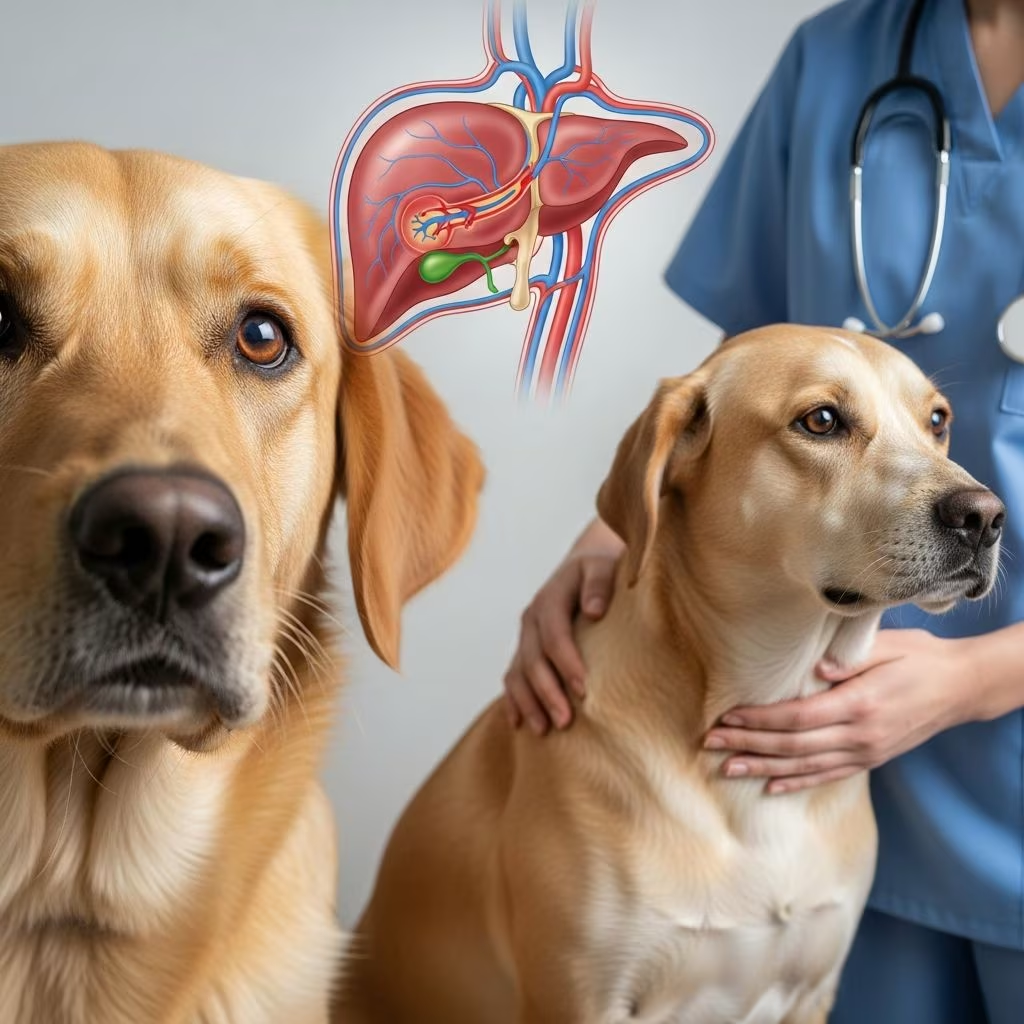
Understanding Portosystemic Shunts in Dogs
A portosystemic shunt (PSS), commonly referred to as a liver shunt, is an abnormal blood vessel that allows blood to bypass the liver instead of flowing through it for proper filtration and detoxification. This condition prevents the liver from effectively processing toxins and nutrients, leading to a range of clinical problems. Portosystemic shunts can be congenital (present at birth) or acquired later in life. Congenital shunts are more common in dogs and represent a serious health concern that requires proper diagnosis and management to ensure the best quality of life for affected pets.
The liver plays a crucial role in filtering blood and removing harmful toxins produced during normal metabolism. When a portosystemic shunt is present, blood bypasses this vital filtering process, allowing toxic substances to accumulate in the bloodstream and affect various body systems, particularly the nervous system. Understanding this condition is essential for dog owners, as early recognition and appropriate treatment can significantly improve a dog’s prognosis and longevity.
Types of Portosystemic Shunts
Portosystemic shunts are classified into two main categories based on their location and origin:
- Extrahepatic shunts (ECPSS): These shunts occur outside the liver and represent the most common type, accounting for the majority of congenital cases. The abnormal vessel typically connects the portal vein to the systemic circulation, bypassing the liver entirely.
- Intrahepatic shunts (ICPSS): These shunts develop within the liver tissue itself and are generally more complex to treat surgically. They represent a smaller percentage of congenital portosystemic shunts but may require specialized surgical techniques.
Clinical Signs of Liver Shunts
Dogs with portosystemic shunts typically exhibit a variety of clinical signs that can range from mild to severe, depending on the degree of shunt flow and the dog’s individual metabolism.
The most common clinical signs include:
- Stunted growth and poor muscle development
- Abnormal behaviors such as disorientation, staring into space, and head pressing
- Circling or confusion
- Seizures
- Excessive drinking and urination
- Vomiting and diarrhea
- Poor appetite or weight loss
Some behavioral signs may only manifest after eating high-protein meals, as the increased protein intake produces more ammonia and other toxins that overwhelm the already compromised liver function. In some cases, dogs may not show clinical signs until they are older, particularly when they develop urinary tract infections, bladder stones, or kidney problems. Additionally, dogs with liver shunts often take an unusually long time to recover from anesthesia, which can be an important clinical clue during surgical procedures.
Diagnosis of Portosystemic Shunts
Diagnosing a portosystemic shunt involves a combination of clinical evaluation, laboratory testing, and imaging studies. Veterinarians will typically perform blood work to assess liver function and measure ammonia levels, as elevated ammonia is a hallmark of portosystemic shunt disease. Advanced imaging techniques such as ultrasound, CT scans, or specialized nuclear medicine studies may be recommended to visualize the abnormal blood vessel and confirm the diagnosis.
Pre-operative assessment is particularly important, as it helps veterinarians determine the most appropriate surgical approach and identify any additional complications that may affect treatment decisions.
Medical Management of Portosystemic Shunts
Medical management is primarily aimed at reducing the amount of toxins produced and absorbed in the gastrointestinal tract rather than treating the underlying shunt itself. While surgery provides the definitive treatment, medical management may be necessary for stabilization before surgery or when surgical intervention is not feasible.
Common medical treatment strategies include:
- Dietary modifications: A protein-restricted diet is the cornerstone of medical management, as it reduces the production of ammonia and other hepatic encephalopathic toxins.
- Lactulose administration: This non-absorbable disaccharide reduces intestinal absorption of toxic ammonia and is administered orally to help manage clinical signs.
- Antibiotics: Medications such as neomycin or metronidazole are used to reduce bacterial production of ammonia in the intestines.
- Seizure management: Diazepam or other benzodiazepines are used to treat acute seizures, with long-term seizure control achieved through medications like levetiracetam.
A minimum two-week stabilization period with medical management is typically recommended before attempting surgical correction. Dogs presenting with severe neurological signs or seizures may require intravenous fluids, enemas with warm water and lactulose, and intensive supportive care.
Surgical Treatment Options
Surgical attenuation (closure) of the portosystemic shunt is generally considered the treatment of choice for dogs with this condition, as it offers significantly improved long-term outcomes compared to medical management alone. Surgery provides the best chance for a long, healthy life in most dogs with extrahepatic shunts, with reported survival rates between 84% and 95%.
Several surgical techniques are available for closing portosystemic shunts:
- Suture ligation: Direct closure of the abnormal vessel using surgical sutures. This technique provides acute complete closure but may be associated with complications such as portal hypertension.
- Ameroid ring constrictors: These devices gradually occlude the shunt over several weeks through a controlled inflammatory response, allowing the body time to adjust to increased portal blood flow.
- Thin film banding: Similar to ameroid rings, cellophane bands induce inflammation and gradual scar tissue formation to slowly close the shunt.
- Self-retaining polyacrylic acid-silicone devices: A promising newer option that gradually closes the shunt over 6-8 weeks through physical occlusion without relying on inflammation or thrombosis.
- Intravascular coil embolization: A minimally invasive percutaneous technique that uses coils to occlude the shunt from within the blood vessel itself.
There is currently no strong evidence to recommend one surgical technique over another, and the choice depends on factors such as the type and location of the shunt, the dog’s age and overall health, and the surgeon’s experience.
Post-Surgical Management and Recovery
Proper post-surgical care is critical for achieving the best outcomes following portosystemic shunt surgery. Many dogs are clinically normal within four to eight weeks following surgery, though individual recovery times may vary.
Key aspects of post-surgical management include:
- Dietary management: Dogs should be fed a protein-restricted diet for a minimum of six to eight weeks after surgery. Once blood test values return to normal, dogs may gradually return to a high-quality maintenance diet.
- Medication continuation: Lactulose is usually given for several weeks after surgery and may be continued based on blood test results and clinical response.
- Regular monitoring: Blood tests should be repeated at regular intervals to evaluate liver function and ensure proper healing.
- Activity restriction: Appropriate rest and limited activity during the initial recovery period help promote proper healing.
The liver will begin to grow as the shunt closes and typically returns to normal size and function within two to four months following successful surgical attenuation.
Complications and Prognosis
While surgical treatment generally provides favorable outcomes, some dogs may develop complications. Post-operative portal hypertension is a serious complication that most commonly occurs in dogs undergoing acute suture ligation. Clinical signs include abdominal pain, distention from ascites, shock, vomiting, and gastrointestinal bleeding. Dogs experiencing severe portal hypertension may require supportive care with intravenous fluids, analgesics, and gastrointestinal protectants.
A small percentage of dogs will develop multiple acquired portosystemic shunts following surgery and must be managed long-term with a protein-restricted diet and lactulose. Long-term survival of dogs with portosystemic shunts treated surgically is significantly greater than those managed medically alone.
Frequently Asked Questions
Q: What is the difference between a congenital and acquired portosystemic shunt?
A: Congenital portosystemic shunts are present from birth and result from abnormal blood vessel development during fetal growth. Acquired shunts develop later in life, often secondary to liver disease or cirrhosis. Congenital shunts are more common in dogs and are typically more amenable to surgical correction.
Q: How long will my dog need to be on a protein-restricted diet after surgery?
A: Dogs should typically follow a protein-restricted diet for a minimum of six to eight weeks after surgery. Once blood test values return to normal and your veterinarian confirms proper liver function, your dog may gradually transition to a regular high-quality maintenance diet.
Q: Can a dog with a portosystemic shunt be treated without surgery?
A: While medical management can help control clinical signs and stabilize a dog before surgery, it does not treat the underlying shunt. Medical therapy is most appropriate when surgery is not feasible or as a temporary stabilization measure. Surgical correction offers the best long-term prognosis and quality of life.
Q: What is the recovery time after portosystemic shunt surgery?
A: Many dogs are clinically normal within four to eight weeks following surgery. However, complete liver recovery and normalization of blood work may take two to four months. Individual recovery times vary based on the severity of the shunt and the surgical technique used.
Q: Why does my dog take so long to recover from anesthesia?
A: Dogs with portosystemic shunts metabolize anesthetic drugs more slowly because their liver is not filtering blood properly. This prolonged recovery is a common characteristic of the condition and is an important consideration when planning any surgical procedures.
Q: What should I feed my dog with a portosystemic shunt?
A: A protein-restricted diet is recommended to reduce the production of ammonia and other hepatic toxins. Your veterinarian can recommend specific commercial diets formulated for liver disease or discuss appropriate dietary modifications tailored to your dog’s individual needs.
When to Seek Veterinary Care
If you notice any clinical signs suggestive of a portosystemic shunt in your dog—such as stunted growth, behavioral changes, seizures, or excessive drinking and urination—contact your veterinarian promptly. Early diagnosis and intervention can significantly improve your dog’s prognosis. Similarly, if your dog has been diagnosed with a portosystemic shunt and develops new or worsening clinical signs, seek immediate veterinary attention.
References
- Congenital Portosystemic Shunts in Dogs and Cats — PubMed Central / National Center for Biotechnology Information. 2023-06-15. https://pmc.ncbi.nlm.nih.gov/articles/PMC10223741/
- Portosystemic Shunt in Dogs — VCA Animal Hospitals. 2024. https://vcahospitals.com/know-your-pet/portosystemic-shunt-in-dogs
- Portosystemic Shunts — University of Illinois College of Veterinary Medicine. 2015. https://vetmed.illinois.edu/wp-content/uploads/2015/09/54.-Portosystemic-Shunts.pdf
- Portosystemic Shunts Fact Sheet — Davies Veterinary Specialists. 2024. https://www.vetspecialists.co.uk/fact-sheets-post/portosystemic-shunts-fact-sheet/
- Portosystemic Shunts — American College of Veterinary Surgeons. 2024. https://www.acvs.org/small-animal/portosystemic-shunts/



