

Understanding Portosystemic Shunts in Dogs
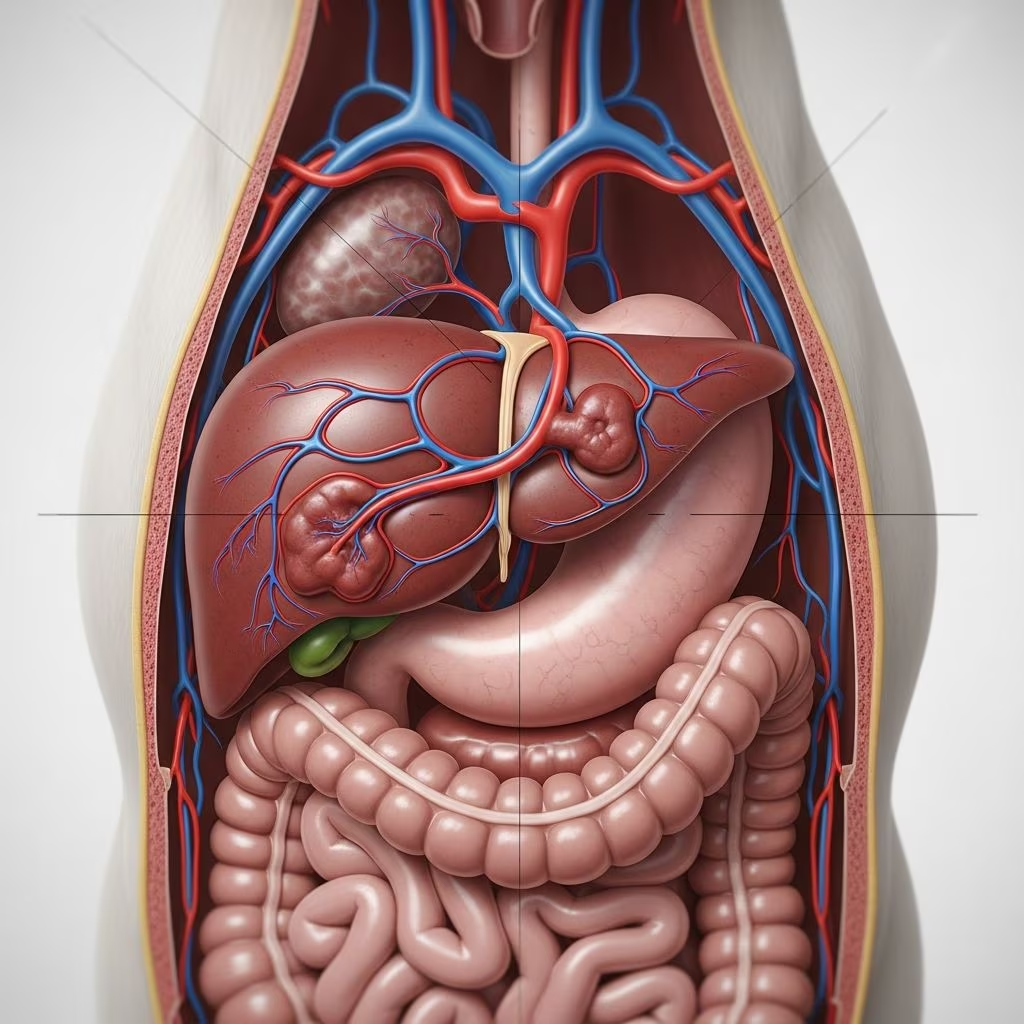
A portosystemic shunt (PSS), commonly referred to as a liver shunt, is an abnormal blood vessel that allows blood from the gastrointestinal tract to bypass the liver and enter the systemic circulation directly. The portal vein normally carries nutrient-rich blood from the digestive system to the liver for processing and detoxification. When a portosystemic shunt exists, this vital filtering process is bypassed, allowing toxic substances to accumulate in the bloodstream and affect the brain, nervous system, and other organs.
This condition can be either congenital (present at birth) or acquired (developing later in life). Congenital shunts result from abnormal development of blood vessels during fetal development, while acquired shunts typically develop secondary to liver disease or portal hypertension. Understanding the differences between these types is crucial for determining appropriate treatment strategies and predicting outcomes.
Types of Portosystemic Shunts
Portosystemic shunts are classified into two main categories based on their anatomical location:
Extrahepatic Portosystemic Shunts (ECPSS)
Extrahepatic shunts occur outside the liver tissue. These abnormal vessels typically connect the portal vein directly to the caudal vena cava, allowing blood to bypass liver filtration entirely. ECPSS represents the majority of congenital shunts diagnosed in dogs and is generally more amenable to surgical correction. Complete ligation is possible in approximately 76% of dogs with ECPSS, making these shunts favorable candidates for surgical intervention.
Intrahepatic Portosystemic Shunts (ICPSS)
Intrahepatic shunts are located within the liver tissue itself. These represent a more complex surgical challenge due to their location deep within hepatic tissue. Only approximately 18.2% of dogs with intrahepatic shunts tolerate complete attenuation in a single surgery. However, with staged surgical approaches, complete attenuation can be achieved in 81.8% of dogs through two surgical procedures, significantly improving long-term outcomes.
Clinical Signs and Symptoms
Dogs with portosystemic shunts present with a diverse array of clinical signs resulting from hepatic encephalopathy and liver dysfunction. Recognizing these symptoms early is essential for prompt diagnosis and treatment.
Gastrointestinal Symptoms
Gastrointestinal manifestations are among the most common presentations. Dogs may experience poor appetite, weight loss, and stunted growth, particularly in congenital cases. Vomiting and diarrhea are frequent occurrences, sometimes containing blood. Some affected dogs develop unusual eating habits or pica, consuming non-food items.
Neurological Symptoms
The accumulation of ammonia and other toxic metabolites leads to hepatic encephalopathy, manifesting as various neurological signs. Dogs may exhibit disorientation, depression, lethargy, or unusual behavior patterns. Seizures are common neurological complications, ranging from mild to severe episodes. Some dogs display circling, head pressing, or apparent vision loss. Cats with portosystemic shunts often demonstrate excessive drooling (hypersalivation).
Urinary Tract Involvement
Urinary ammonium urate crystals frequently develop, leading to urinary tract problems. Dogs may develop bladder stones, urinary incontinence, or straining during urination. These urinary manifestations can sometimes be the first clinical sign noticed by owners.
General Systemic Signs
Additional signs include poor recovery from general anesthesia, increased thirst, and increased urination. Fluid accumulation in the abdomen (ascites) may occur in severe cases. Some dogs display stunted growth and failure to thrive despite adequate nutrition.
Diagnosis of Portosystemic Shunts
Diagnosis requires a combination of clinical suspicion, laboratory findings, and advanced imaging techniques to confirm the presence and location of the shunt.
Laboratory Testing
Blood work typically reveals elevated ammonia levels, reduced blood glucose, and abnormal liver enzyme values. A fasting blood ammonia level or ammonia tolerance test helps confirm hepatic encephalopathy. Complete blood counts and serum chemistry panels provide additional diagnostic information. Urinalysis frequently demonstrates ammonium urate crystals.
Imaging Techniques
Abdominal ultrasound is often the initial imaging modality and may reveal a dilated portal vein or suspicious vascular anomalies. Advanced imaging such as CT angiography or portal scintigraphy provides definitive confirmation of shunt location and anatomy. These imaging studies are crucial for surgical planning and determining the most appropriate treatment approach.
Treatment Options
Treatment strategies for portosystemic shunts include both medical management and surgical intervention. The choice between these approaches depends on the shunt type, severity of clinical signs, and the dog’s overall health status.
Medical Management
Medical therapy aims to reduce symptoms caused by hepatic encephalopathy rather than correcting the underlying anatomical abnormality. Medical management is indicated for pre-surgical stabilization or when surgical intervention is not feasible. A minimum two-week stabilization period is recommended before surgical shunt attenuation.
Dietary Modifications
Feeding a high-quality, protein-restricted diet is the mainstay of medical management. Protein restriction reduces ammonia production while ensuring adequate nutrition. Frequent small meals are preferable to large meals, which can exacerbate symptoms.
Lactulose Administration
Non-absorbable disaccharides, particularly lactulose, form a cornerstone of medical therapy. Lactulose acidifies intestinal content, reducing ammonia absorption, decreasing colonic bacterial populations, and reducing intestinal transit time. Dosing is highly variable, ranging from 2.5 to 25 ml administered three times daily, titrated to produce two to three soft bowel movements daily.
Antimicrobial Therapy
Antibiotics such as neomycin and metronidazole reduce colonic bacterial flora responsible for ammonia production. These agents are particularly important in acute presentations or when encephalopathic signs are severe.
Management of Seizures
Acute seizures are initially controlled with diazepam or other benzodiazepines. Long-term seizure management typically involves levetiracetam. Severe or refractory seizures may require heavy sedation with propofol infusions, mannitol administration to reduce cerebral edema, and IV phenobarbital initiation.
Surgical Management
Surgical attenuation of the portosystemic shunt is now generally accepted as the treatment of choice when feasible. Surgical correction offers superior long-term survival and quality of life compared to medical management alone. Dogs treated surgically demonstrate significantly better long-term outcomes than those managed medically throughout their lifetime.
Surgical Techniques
Multiple surgical techniques for shunt attenuation have been developed, including:
Ameroid Ring Constrictor Placement: This device gradually occludes the shunt over several weeks through physical constriction without relying on inflammation or fibrosis. Approximately 85% of dogs become clinically normal within four months following ameroid ring placement.
Thin Film Banding (TFB): Similar to ameroid rings, thin film banding provides gradual shunt occlusion with favorable clinical outcomes comparable to ameroid ring placement.
Suture Ligation: Direct ligation of the anomalous vessel provides acute shunt occlusion. Complete ligation is achieved in approximately 76% of dogs with extrahepatic shunts. However, acute ligation carries a higher risk of post-operative portal hypertension.
Percutaneous Transvenous Coil Embolization (PTCE): This minimally invasive intravascular technique offers an alternative to open surgical procedures, particularly for dogs unsuitable for conventional surgery.
Self-Retaining Polyacrylic Acid-Silicone Devices: Emerging technology showing promise for extrahepatic shunt attenuation, these devices provide gradual closure over 6-8 weeks without requiring inflammation or thrombosis.
Post-Operative Considerations and Complications
Following shunt attenuation surgery, careful monitoring and management are essential to optimize outcomes and minimize complications.
Portal Hypertension
Portal hypertension represents the most significant post-operative complication, occurring most commonly with acute suture ligation and less frequently with gradual occlusion devices. Clinical signs include severe abdominal pain, abdominal distention from ascites, hypovolemic shock, vomiting, and gastrointestinal hemorrhage. Mild to moderate portal hypertension may present only as ascites.
Management of portal hypertension includes supportive therapy with crystalloid fluid administration, analgesics, gastrointestinal protectants, and maintenance of normothermia. In severe cases with marked abdominal distention or respiratory compromise, spironolactone and/or furosemide may be administered. Large meals and external abdominal compression should be avoided. If severe portal hypertension develops, return to surgery for ligature removal may be necessary.
Post-Operative Seizures
Seizures occasionally occur in the post-operative period and require careful management. These may result from residual hyperammonemia, hypoglycemia, or other metabolic derangements. Initial management involves benzodiazepines and levetiracetam initiation.
Recurrence of Clinical Signs
Some dogs experience recurrence of clinical signs after initially improving post-operatively. This may result from incomplete shunt attenuation, portal hypertension, or development of secondary portosystemic collaterals. Some dogs undergoing partial ligation experience normalization of liver function tests, suggesting continued shunt narrowing after initial attenuation.
Prognosis and Long-Term Outcomes
Prognosis varies significantly based on shunt type, surgical technique employed, and response to treatment.
Dogs Treated Surgically
Prognosis after surgical shunt attenuation is generally excellent for dogs. Approximately 85% of dogs become clinically normal within four months following ameroid ring or thin film banding procedures. Dogs undergoing successful shunt attenuation demonstrate significantly improved quality of life and survival compared to medically managed counterparts.
Dogs Managed Medically
Medical management only controls clinical signs without addressing underlying pathology. Average survival time for medically managed dogs is approximately two years. Prognosis is good in dogs with adequate portal blood flow (approximately 35% of cases) but poor in the remaining majority. Dogs that are older at presentation, have minimal clinical signs, or present with acquired shunts tend to have better responses to medical management.
Frequently Asked Questions
Q: Can portosystemic shunts be prevented?
A: Congenital shunts cannot be prevented as they result from abnormal fetal development. However, avoiding breeding dogs with known shunts can help reduce the incidence in future generations. Acquired shunts may be prevented by managing underlying liver disease promptly.
Q: What breeds are predisposed to portosystemic shunts?
A: Certain breeds including Maltese terriers, Yorkshire terriers, Dachshunds, Schnauzers, and other small breed dogs show higher predisposition to congenital portosystemic shunts. Both male and female dogs are equally affected.
Q: Is surgery always necessary?
A: Surgery is the treatment of choice for congenital shunts when feasible, as it offers superior long-term outcomes. However, medical management may be appropriate for dogs with minimal clinical signs, older dogs, or those with acquired shunts secondary to severe liver disease where surgery would be contraindicated.
Q: How long does recovery take after surgery?
A: Initial recovery typically requires 2-4 weeks of restricted activity and careful monitoring. Most dogs begin showing clinical improvement within 4-8 weeks. Complete recovery and normalization of liver function may take several months.
Q: Can multiple surgeries be performed for intrahepatic shunts?
A: Yes, staged surgical procedures can significantly improve outcomes in intrahepatic shunts. While only 18.2% of dogs tolerate complete attenuation in a single surgery, 81.8% achieve complete attenuation through two staged procedures, making this approach increasingly popular.
Q: What is the cost of treating a portosystemic shunt?
A: Costs vary widely depending on diagnostic requirements, imaging studies, surgical technique chosen, and geographic location. Diagnosis typically ranges from $1,000-$3,000, while surgical correction may cost $2,000-$6,000 or more. Medical management is less expensive but requires ongoing medication and dietary costs.
References
- Congenital Portosystemic Shunts in Dogs and Cats — PubMed Central (National Center for Biotechnology Information). 2023-06-15. https://pmc.ncbi.nlm.nih.gov/articles/PMC10223741/
- Portosystemic Shunts — University of Illinois College of Veterinary Medicine. 2015-09-01. https://vetmed.illinois.edu/wp-content/uploads/2015/09/54.-Portosystemic-Shunts.pdf
- Portosystemic Shunts Fact Sheet — Davies Veterinary Specialists. 2024-01-01. https://www.vetspecialists.co.uk/fact-sheets-post/portosystemic-shunts-fact-sheet/
- Managing Portosystemic Shunts — DVM360. 2024-01-01. https://www.dvm360.com/view/managing-portosystemic-shunts-proceedings-0
- Portosystemic Shunts — American College of Veterinary Surgeons. 2024-01-01. https://www.acvs.org/small-animal/portosystemic-shunts/



