
Portal Vein Hypoperfusion in Small Animals
Exploring causes, diagnosis, and management of reduced liver blood flow in dogs and cats for better veterinary outcomes.
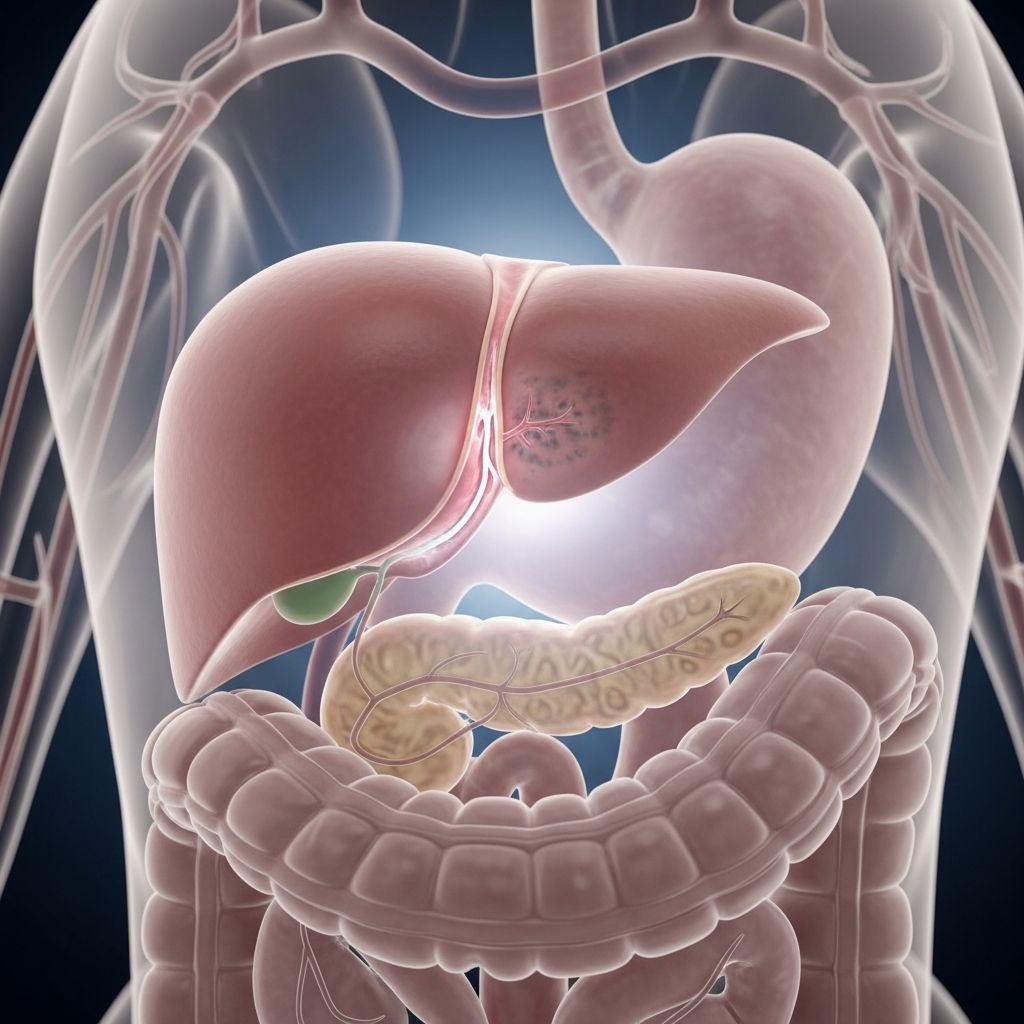
Reduced blood flow through the portal vein to the liver, known as portal vein hypoperfusion, represents a critical challenge in small animal veterinary medicine. This condition impairs the liver’s ability to process nutrients, detoxify blood, and maintain normal function, often leading to a cascade of health issues in dogs and cats.
Understanding the Liver’s Vascular System
The liver receives blood from two primary sources: the hepatic artery, providing oxygenated blood, and the portal vein, delivering nutrient-rich blood from the gastrointestinal tract, pancreas, and spleen. Normally, the portal vein supplies about 70-75% of the liver’s total blood flow, carrying hepatotrophic factors essential for hepatocyte maintenance and lobular architecture.
When portal flow diminishes, hepatocytes receive inadequate nutrition, resulting in atrophy and altered liver morphology. This hypoperfusion can stem from congenital defects or acquired obstructions, triggering compensatory mechanisms like arteriolar proliferation that fail to fully restore function.
Congenital Forms of Portal Hypoperfusion
Primary hypoplasia of the portal vein (PHPV), also termed portal vein hypoplasia (PVH) or hepatic microvascular dysplasia (HMD), is a congenital anomaly where microscopic portal vessels are underdeveloped or absent. This leads to chronically reduced perfusion without macroscopic shunts in many cases.
- Affected breeds include Yorkshire Terriers, Cairn Terriers, and other small breeds, suggesting a genetic basis.
- Puppies may show stunted growth, neurological signs from toxin buildup, or subtle elevations in liver enzymes.
- Unlike single portosystemic shunts, symptoms often appear later and are milder due to partial shunting at the microscopic level.
Functional secondary PVH arises from reduced portal inflow due to extrahepatic portosystemic shunts (PSS), where blood bypasses the liver, mimicking primary hypoplasia histologically.
Acquired Causes and Complications
Beyond congenital issues, hypoperfusion occurs secondary to portal vein thrombosis, arterioportal fistulas, or chronic obstruction. Longstanding blockages promote portal hypertension, defined as elevated portal pressure above 10-20 mmHg, driving blood into collateral vessels.
Portal hypertension manifests as ascites, splenomegaly, and acquired portosystemic collaterals. In chronic cases, liver segments atrophy, lipogranulomas form, and periportal sinusoidal dilation appears, exacerbating dysfunction.
| Cause Type | Examples | Key Features |
|---|---|---|
| Congenital | PHPV, HMD | Microscopic vessel absence, breed predisposition, early onset |
| Acquired | Thrombosis, fistulas | Secondary to disease, portal hypertension common |
| Functional | Extrahepatic PSS | Reduced inflow, reversible with shunt correction |
Recognizing Clinical Manifestations
Animals with portal hypoperfusion often present with nonspecific signs: poor weight gain, lethargy, vomiting, diarrhea, or hepatic encephalopathy marked by head pressing, seizures, or disorientation. Bloodwork reveals hypoalbuminemia, low urea, elevated bile acids, and sometimes microhepatia on ultrasound.
In PHPV cases, total bile acid (TBA) concentrations are elevated but typically lower than in complete PSS, reflecting partial liver bypass. Protein C levels above 70% help differentiate PVH from PSS, where levels are usually depressed.
Diagnostic Approaches
Diagnosis integrates imaging, lab tests, and histopathology. Ultrasonography detects small portal veins, irregular liver contours, or shunts. CT angiography or portography confirms vessel patency and excludes macroscopic anomalies.
Liver biopsy is cornerstone: wedge samples show portal tract hypoplasia, arteriolar hyperplasia, hepatocyte atrophy, and absent inflammation or neoplasia. Copper accumulation may occur secondary to hypoperfusion.
- Pre- and post-prandial bile acids: Elevated post-meal confirms hepatic dysfunction.
- Abdominal ultrasound: Assess portal vein diameter (<4mm suggestive).
- Advanced imaging: CT/MRI for shunts or thrombosis.
- Biopsy: Histological confirmation per established criteria.
Management and Treatment Strategies
Treatment varies by cause. For congenital PSS causing secondary hypoperfusion, surgical attenuation restores flow, potentially reversing changes if addressed early. PHPV without shunts relies on medical therapy: low-protein diets, lactulose for encephalopathy, antibiotics for infections, and hepatoprotectants like SAMe or silymarin.
Portal hypertension requires diuretics, colloids for ascites, and monitoring for variceal bleeding. Prognosis improves with early intervention; PHPV cases often achieve long-term stability medically, unlike progressive cirrhotic diseases.
Prognostic Factors and Outcomes
Survival in PHPV exceeds that of PSS, with many dogs living years on management. Factors favoring good prognosis include absence of shunts, mild enzyme elevations, and responsive symptoms. Regular monitoring of bile acids and imaging guides adjustments.

Preventive Measures and Breed Considerations
Genetic screening in predisposed breeds aids breeding decisions. Early bile acid testing in at-risk puppies detects issues before overt signs. Nutritional support with hepatotrophic diets mitigates progression.
FAQs
What breeds are prone to portal vein hypoplasia?
Commonly Yorkshire Terriers, Cairn Terriers, and small toy breeds show higher incidence due to inherited traits.
Can portal hypoperfusion be cured?
Primary forms are managed lifelong medically; secondary cases from shunts may resolve post-surgery.
How do I test for this condition?
Start with bile acid tests and ultrasound; confirm via biopsy and advanced imaging.
Is surgery always needed?
No, only if a macroscopic shunt is present; pure hypoplasia responds to diet and drugs.
What is the life expectancy?
With proper care, many animals live normal spans, though monitoring is essential.
References
- Clinicopathological Findings and Prognosis in Canine Cases of Primary Hypoplasia of the Portal Vein — Frontiers in Veterinary Science. 2017-12-22. https://www.frontiersin.org/journals/veterinary-science/articles/10.3389/fvets.2017.00224/full
- Morphological classification of circulatory disorders of the canine liver — Comparative Hepatology. 2021-09. https://comparativehepatology.org/wp-content/uploads/2021/09/chapter_4.pdf
- Hepatic Microvascular Dysplasia — VCA Animal Hospitals. N/A. https://vcahospitals.com/know-your-pet/hepatic-microvascular-dysplasia
- Anomalies of the Portal Venous System in Dogs and Cats — PMC/NCBI. 2019-04-26. https://pmc.ncbi.nlm.nih.gov/articles/PMC6466037/
- Hepatic Vascular Anomalies — Veterian Key. N/A. https://veteriankey.com/hepatic-vascular-anomalies/
- Anatomy of the Hepatobiliary System in Small Animals — MSD Veterinary Manual. N/A. https://www.msdvetmanual.com/digestive-system/liver-structure-and-function/anatomy-of-the-hepatobiliary-system-in-small-animals
Similar Articles








Read full bio of Sneha Tete


