

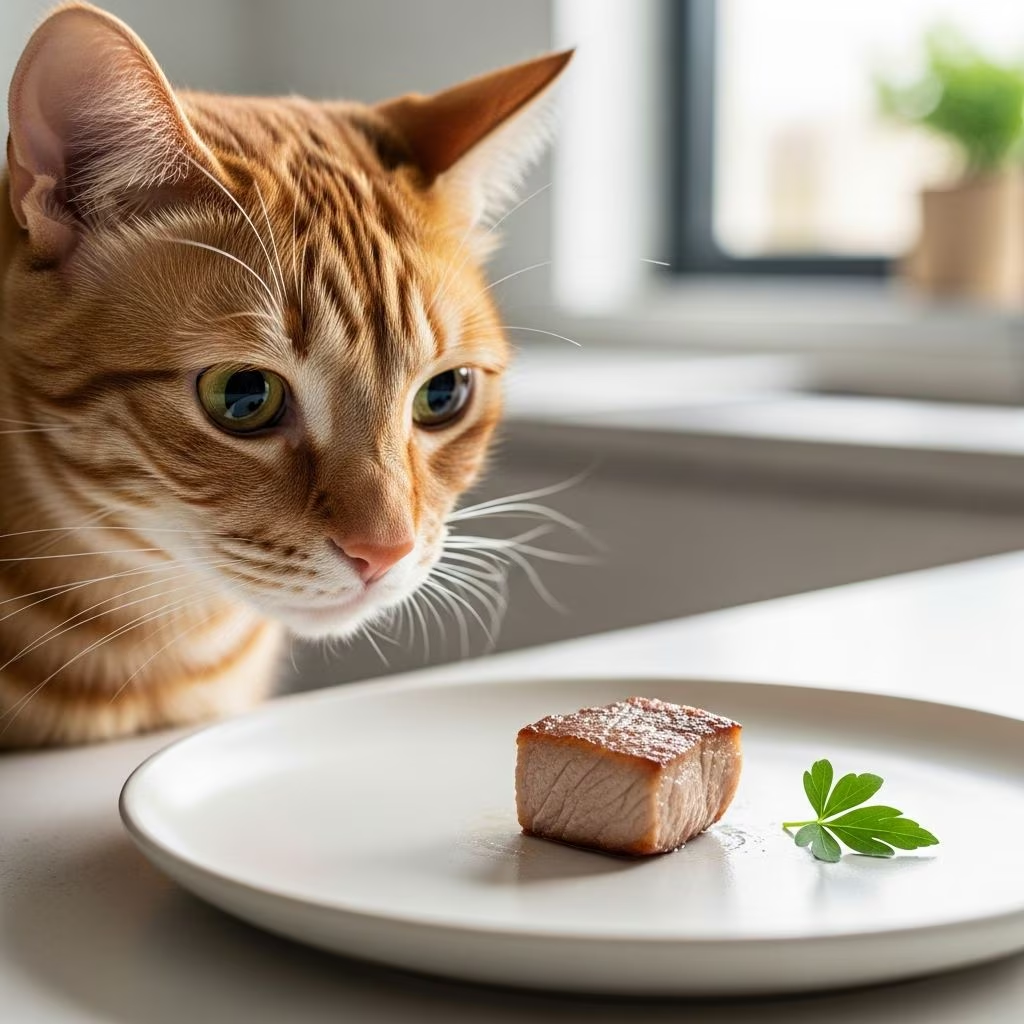
Understanding Feline Dietary Requirements
Cats are obligate carnivores, meaning their bodies have evolved to derive essential nutrients primarily from animal-based proteins. Unlike omnivorous animals, cats cannot synthesize certain critical compounds internally and must obtain them through their diet. This fundamental biological characteristic shapes every decision cat owners should make regarding nutrition and treats. Understanding this dietary framework is crucial when considering whether particular human foods, including pork, align with your cat’s nutritional needs.
The feline digestive system has specific requirements that differ significantly from other pets and humans. Cats require higher protein concentrations and depend on amino acids such as taurine and arginine that are abundant in meat products. These amino acids support muscle development, maintain cardiovascular health, and regulate numerous metabolic processes essential for feline survival.
Can Cats Safely Consume Pork?
Plain, thoroughly cooked, and unseasoned pork represents a safe option for cats when offered in appropriate quantities. Many cat owners wonder about incorporating pork into their pet’s diet, and the answer is generally positive provided certain precautions are followed. Pork delivers valuable nutrients that align well with feline nutritional requirements, making it a suitable occasional treat.
The critical distinction lies in how pork is prepared and presented. Commercial pork products often contain additives, excessive sodium, and spices that pose health risks to cats. Homemade pork preparation without these additions provides a safer alternative for your feline companion.
Nutritional Advantages of Pork for Cats
High-Quality Protein Content
Pork serves as an excellent protein source, offering all nine essential amino acids that cats cannot manufacture independently. Protein functions as the building block for muscle tissue, enzymes, hormones, and antibodies. The amino acid profile in pork makes it particularly valuable for maintaining muscle mass, supporting tissue repair, and enabling vital physiological processes. For cats requiring alternative protein sources due to food sensitivities, pork provides a nutrient-dense option that many felines tolerate well.
Essential Vitamins and Minerals
Beyond protein, pork delivers several micronutrients critical to feline health:
- B Vitamins: B6, B12, B1 (thiamine), and niacin support metabolic processes, energy production, and red blood cell formation. Thiamine is particularly significant because cats cannot synthesize this vitamin efficiently on their own, making dietary sources essential.
- Minerals: Phosphorus strengthens bone structure and supports skeletal health, while zinc enhances immune function and tissue healing.
- Potassium: This mineral regulates fluid balance, nerve function, and muscle contractions.
Digestibility and Sensitivity Management
Some cats experience food sensitivities or allergies to common protein sources. Pork often serves as a hypoallergenic alternative that many cats digest more easily, reducing gastrointestinal upset. For felines with chronic digestive issues including loose stools or constipation, introducing pork under veterinary guidance may alleviate symptoms and improve overall digestive comfort.
Safety Considerations and Preparation Guidelines
Cooking Requirements
Raw or undercooked pork poses significant health risks to cats. Inadequately cooked meat may harbor pathogens including Salmonella, Trichinella, and parasites such as toxoplasmosis and trichinosis. Even commercially raised pork in regulated markets requires thorough cooking to eliminate potential microorganisms. The exception involves commercially manufactured raw cat food products treated with high-pressure processing specifically designed to eliminate pathogens while maintaining nutritional integrity.
Always ensure pork reaches an internal temperature that eliminates harmful bacteria before serving to your cat. Boiling or baking pork without added seasonings represents the safest preparation method.
Avoiding Harmful Additives
Processed pork products present substantial dangers to feline health. Bacon, ham, and cured meats contain excessive sodium levels that can trigger increased thirst and urination, potentially leading to salt poisoning in severe cases. Seasoned pork chops, those smothered in sauces, or meat prepared with garlic, onion, or spices should never be offered to cats, as these ingredients can cause toxicity or digestive distress.
Bone Removal
Cooked pork bones become brittle and easily splinter into sharp fragments. These bone pieces pose serious choking hazards and can create dangerous blockages within the digestive tract. Always remove every bone before offering pork to your cat, regardless of how thoroughly the meat is cooked.
Appropriate Portion Sizes and Feeding Frequency
Moderation represents the cornerstone of safe pork feeding practices. Most cats receive sufficient nutrition from one to three small pieces of pork—approximately pea-sized portions—as an occasional treat. The 10% rule provides useful guidance: treats and human foods, including pork, should comprise no more than 10% of your cat’s total daily caloric intake, with the remaining 90% derived from complete and balanced commercial cat food formulated to meet feline nutritional standards.
Frequency matters equally as portion size. Offering pork once weekly or less frequently prevents nutritional imbalances and reduces risks associated with excessive fat intake. Pork should never replace standard cat food or become a dietary staple, as cats require diverse nutrients that comprehensive feline diets provide.
| Serving Aspect | Recommendation |
|---|---|
| Portion Size | One to three pea-sized pieces |
| Frequency | Once weekly or less |
| Treat Percentage | Maximum 10% of daily calories |
| Preparation | Plain, cooked, unseasoned |
| Cut Type | Lean (tenderloin, loin chops) |
Potential Health Risks
Obesity and Weight Management
Fatty cuts of pork contribute excessive calories and fat to a cat’s diet. Regular consumption of high-fat pork, even in modest quantities, can accumulate to problematic levels over time, leading to obesity. Overweight cats face increased risk of diabetes, joint problems, heart disease, and reduced lifespan. Lean cuts such as tenderloin or loin chops minimize fat intake while preserving nutritional benefits.
Digestive Issues
High fat content can trigger pancreatitis—inflammation of the pancreas—which causes severe discomfort and requires veterinary intervention. Some cats develop loose stools or digestive upset from consuming excessive fatty meat. Introducing pork gradually while monitoring your cat’s digestive response prevents unexpected complications.
Nutritional Imbalances
Although pork provides valuable nutrients, it cannot serve as a complete diet. Long-term excessive pork consumption may create nutritional imbalances, depriving cats of certain minerals, amino acids, or vitamins present in commercial cat foods formulated with feline-specific nutritional standards. Pork should supplement, never substitute, a well-balanced commercial diet developed for cats.
Special Categories and Restrictions
Pork Rinds and Processed Products
Pork rinds contain dangerously elevated sodium and fat concentrations, making them inappropriate for cats. Similarly, all processed pork products—including sausages, deli meats, bacon, and pepperoni—should be excluded from feline diets due to high salt and preservative content.
Store-Bought Raw Options
Commercially available raw cat food products using high-pressure processing represent an exception to the raw pork prohibition. These specialized products undergo treatment specifically designed to eliminate pathogens while preserving nutritional qualities, making them safer than conventionally prepared raw pork.
When to Consult Your Veterinarian
Before introducing pork or any novel food to your cat’s diet, especially for felines with existing health conditions or food sensitivities, discuss this dietary addition with your veterinarian. Professional guidance proves invaluable if your cat experiences digestive upset, food allergies, or weight management challenges. If your cat ingests seasoned, raw, or excessive quantities of fatty pork and displays signs of distress, contact your veterinarian or the ASPCA Pet Poison Control Center at (888) 426-4435 immediately.
Frequently Asked Questions
Is pork better than other meat options for cats?
Pork offers comparable nutritional value to other meat sources but may be preferable for cats with sensitivities to chicken or beef. It provides unique benefits including thiamine and a complete amino acid profile. However, no single meat is universally superior; variety in protein sources supports balanced nutrition.
Can kittens eat pork?
Growing kittens have heightened nutritional demands. While small amounts of cooked, unseasoned pork can be offered to kittens, it should not replace kitten formula or specialized growth-promoting cat food. Consult your veterinarian regarding appropriate treats for developing cats.
How does pork affect cats with kidney disease?
Cats with renal conditions may require phosphorus-restricted diets, and pork contains significant phosphorus. Discuss any dietary modifications with your veterinarian before offering pork to cats with compromised kidney function.
What should I do if my cat accidentally eats seasoned pork?
Monitor your cat for signs of digestive distress, vomiting, diarrhea, or lethargy. Contact your veterinarian if symptoms develop or persist. Small accidental exposures to mildly seasoned pork typically cause minimal harm, but excessive seasoning warrants professional evaluation.
Can pork replace commercial cat food?
No. While pork provides valuable nutrients, commercial cat foods contain balanced proportions of all essential nutrients cats require. Exclusive pork diets create dangerous nutritional deficiencies over time. Pork should remain an occasional treat, comprising no more than 10% of daily caloric intake.
Summary and Best Practices
Pork can constitute a safe and nutritionally beneficial treat for cats when properly prepared and appropriately portioned. The key to successful pork incorporation involves selecting lean cuts, cooking thoroughly without seasonings, removing all bones, and maintaining strict moderation. Limiting pork to once weekly or less in pea-sized portions aligns with feline dietary requirements while minimizing health risks.
Every cat possesses individual tolerances and preferences. Some cats may reject pork entirely, while others eagerly anticipate this occasional treat. Observing your cat’s response to pork introduction and maintaining open communication with your veterinarian ensures safe dietary practices tailored to your specific feline companion’s needs and health status.
References
- Can Cats Eat Pork? — Kinship. Accessed February 2026. https://www.kinship.com/cat-nutrition/can-cats-eat-pork
- Benefits of Pork in Your Cat’s Diet — Vital Essentials. Accessed February 2026. https://www.vitalessentials.com/raw-guide/the-surprising-benefits-of-pork-in-your-cat-s-diet-why-veterinarians-recommend-including-pork-in-your-cat-s-meal-plan
- Can Cats Eat Pork? — Chewy. Accessed February 2026. https://www.chewy.com/education/cat/food-and-nutrition/can-cats-eat-pork
- Can Cats Eat Pork? — Under the Weather Pet. Accessed February 2026. https://www.undertheweatherpet.com/blogs/under-the-weather/can-cats-eat-pork
- Cat Food Myths: Is Pork Bad For Cats? — Evanger’s Dog Food. Accessed February 2026. https://evangersdogfood.com/cat-food-myths-is-pork-bad-for-cats/



