

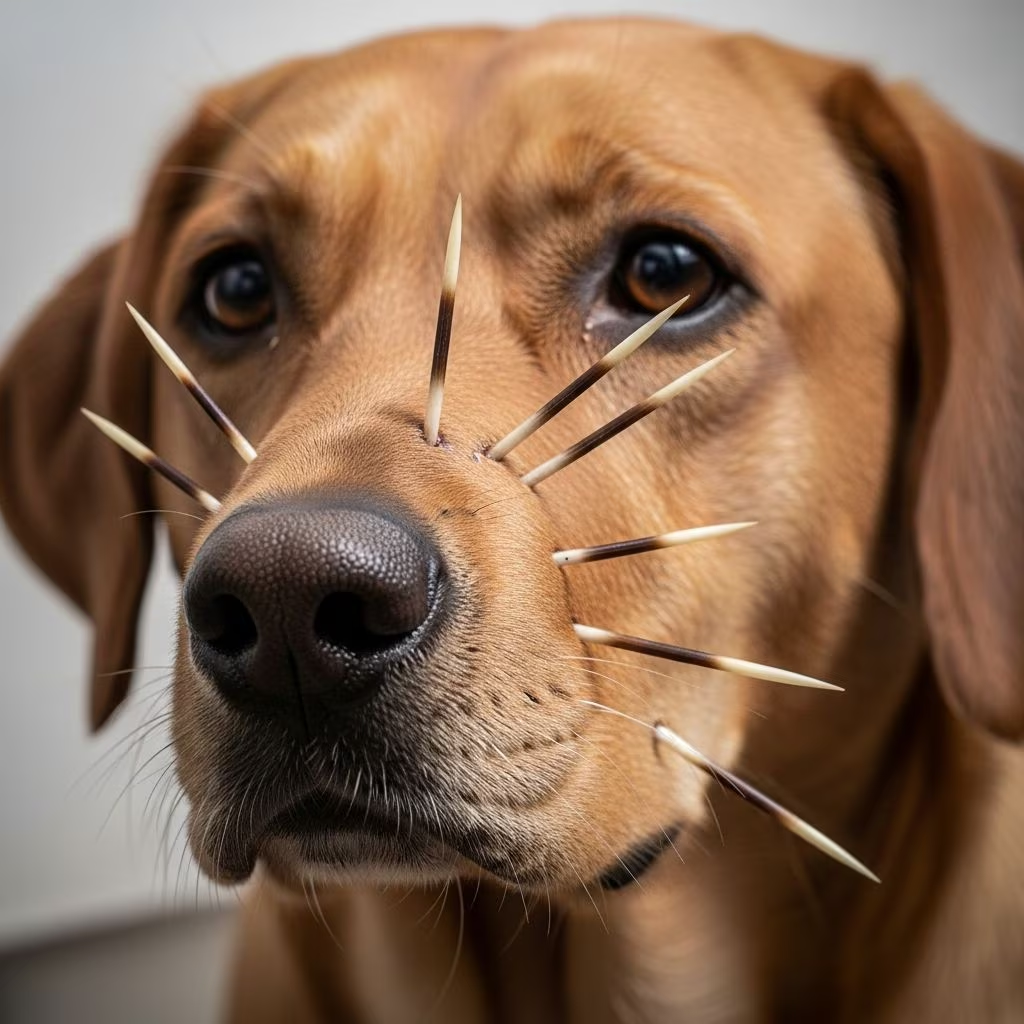
Porcupine Quills in Dogs: Understanding the Dangers and Emergency Care
Encountering a porcupine can be a traumatic and potentially life-threatening experience for dogs. While porcupines don’t actively shoot their quills as a common misconception suggests, these defensive spines detach easily when touched and can cause serious injury to curious canines. Understanding the dangers associated with porcupine quills and knowing how to respond in an emergency can significantly impact your dog’s health outcomes and recovery.
Porcupine quill injuries represent a genuine veterinary emergency that requires prompt professional intervention. The hollow, barbed spines are designed by nature to embed themselves deeply into tissue, and their unique structure makes removal challenging without specialized equipment and expertise. Every hour that passes increases the risk of complications, making immediate veterinary care essential.
What Are Porcupine Quills and How Do Dogs Get Quilled?
Porcupine quills are specialized defensive structures measuring approximately 2 to 3 inches in length. These hollow, lightweight spines feature backward-facing barbs along their shaft that facilitate piercing tissue while making removal extraordinarily difficult. The barbed design is nature’s engineering to keep the quill embedded and moving deeper into the tissues that receive them.
Dogs typically become quilled through direct contact with porcupines, usually when investigating or attempting to catch the animal. Rather than being shot as projectiles, the quills detach easily when touched and immediately embed themselves in the dog’s skin upon contact. Free-roaming and large-breed dogs are most frequently affected by these encounters, particularly in wooded areas during nighttime hours when porcupines are most active.
The severity of a quill injury depends largely on the dog’s behavior during the encounter. Dogs that retreat quickly after initial contact may sustain only a few quills, while those that persist in confronting the porcupine—attempting to bite or grab it—often suffer extensive facial and oral injuries with dozens or even hundreds of embedded quills.
How Porcupine Quills Damage Dogs’ Health
The immediate damage from porcupine quills extends far beyond surface-level puncture wounds. The barbed structure of each quill ensures that it continues migrating deeper into tissue over time rather than working its way out naturally. This ongoing migration creates multiple serious health risks for affected dogs.
Migration and Internal Complications
One of the most dangerous aspects of porcupine quill injuries is the potential for deep tissue migration. If quills are not removed promptly, they can travel from the initial puncture site into joints, eyes, the chest cavity, or vital organs including the heart and lungs. Veterinary records document cases where dogs experienced severe consequences from delayed treatment, including a case where a single broken quill migrated deeper into the chest cavity, eventually causing a major infection that required advanced thoracic surgery weeks after the initial encounter.
Infection and Abscess Formation
Quills left untreated for 24 hours significantly increase the risk of abscess formation that may require surgical drainage. When quills break during improper removal attempts, the fractured pieces remaining in the skin can swell and splinter, creating ideal conditions for bacterial infection. The contamination risk is substantial because quills are inherently dirty objects that introduce bacteria deep into the tissues upon penetration.
Physical Damage to Vital Structures
Quills penetrating the chest, throat, or eyes can lead to rapidly worsening conditions affecting vital structures. Lameness is a common complication when clusters of quills embed in a dog’s limbs, causing significant pain and inflammation that makes walking difficult or impossible. In severe cases, surgical removal of an affected eye may become necessary if quills have penetrated and damaged the ocular structures.
Recognizing Emergency Symptoms Requiring Immediate Veterinary Care
Certain symptoms indicate that a porcupine quill injury requires emergency veterinary attention. Dogs with quills in the mouth, eyes, or throat face the highest risk of serious complications and need quick professional intervention.
Critical Warning Signs
Watch for the following indicators that your dog’s condition is urgent:
– Difficulty breathing or open-mouth breathing- Unusual respiratory sounds or abnormal breathing patterns- Signs of shock, including pale gums, rapid breathing, weakness, or collapse- Low energy or dramatic changes in your dog’s responsiveness- Eye swelling or discharge- Excessive pawing or rubbing at the face- Inability or reluctance to eat or drink- Visible quills near the eyes, mouth, or throat
Any of these symptoms warrant an immediate call to an emergency veterinary provider.
Immediate First Aid: What To Do When Your Dog Gets Quilled
The moments following a porcupine encounter are critical for your dog’s welfare. While professional veterinary care is always necessary, certain first aid steps can prevent additional injury before reaching the clinic.
Keep Your Dog Calm and Restrained
The first priority is preventing your dog from causing additional damage to themselves. Dogs experiencing pain from quills often instinctively paw at their face or roll around, which can lodge quills deeper into the skin. If safe to do so, use a leash or towel to gently restrain your dog and minimize movement.
Protect Sensitive Areas
If your dog has quills near the eyes, mouth, or chest, do your best to prevent them from rubbing or scratching at these areas until reaching a veterinarian. Using an Elizabethan collar (E-collar) can effectively protect the face, which is the most commonly affected area.
Do Not Attempt Home Removal
One of the most important rules is to never attempt removing porcupine quills yourself. The barbed design of quills makes removal difficult for anyone without proper training and equipment. Pulling on quills can cause them to snap off under the skin, leaving fragments that will require veterinary attention anyway. Home removal attempts are painful and traumatic for dogs without sedation and often introduce bacteria that cause infections.
Professional Veterinary Treatment
The safest and best way to remove porcupine quills is through professional veterinary care. Veterinarians have specialized equipment and expertise to ensure complete removal of all quills with minimal trauma.
The Removal Process
Veterinarians typically begin by using reversible sedation to calm the dog and manage pain during the removal procedure. While some owners worry about sedation, it is completely safe and allows the veterinary team to work thoroughly without the dog injuring themselves further or biting due to discomfort. Using specialized instruments called hemostats, the veterinarian carefully removes each quill individually, ensuring complete extraction.
Complete removal is essential because even small missed quills can migrate internally over time. Dogs that attempted to bite the porcupine are particularly at risk for missed oral quills, as these can be difficult to locate and require meticulous examination.
Post-Treatment Care
After removal, veterinarians provide pain relief medication and typically prescribe antibiotics to prevent infection from the dirty quills. The importance of completing the full course of prescribed antibiotics cannot be overstated, as incomplete treatment increases infection risk. With proper treatment, many dogs recover quickly enough to return to normal activities the next day.
Prognosis and Recovery
The prognosis for dogs struck by porcupine quills is generally good when proper veterinary treatment is sought promptly. Dogs can survive porcupine encounters and make full recoveries so long as you seek appropriate professional treatment. The key to successful outcomes is understanding that the real danger comes not from the immediate puncture wounds but from infections and complications caused by quills that migrate internally.
Lameness that may develop, especially when quills penetrate a dog’s leg, typically improves with proper quill removal, rest, and pain management. However, not all cases are straightforward, and additional health complications can arise if certain organs are punctured by deeply lodged quills or if quills are not completely removed.
Prevention Strategies
The best approach to porcupine quill injuries is prevention. Keeping dogs on a leash, especially in wooded areas at night when porcupines are most active, significantly reduces encounter risks. Free-roaming dogs in porcupine habitats face substantially higher injury rates than supervised pets.
Training hunting and outdoor dogs to avoid porcupines is challenging but possible with professional guidance. Even well-trained dogs may occasionally encounter porcupines, making awareness of the dangers and proper emergency response critical for all dog owners in areas with porcupine populations.
Frequently Asked Questions
Q: Can a dog die from porcupine quills?
A: While death is rare with prompt treatment, porcupine quill injuries can be life-threatening if left untreated. Quills that migrate to vital organs, cause severe infections, or damage critical structures like the heart or lungs can be fatal. Immediate veterinary intervention dramatically reduces mortality risk.
Q: How long can a dog survive with porcupine quills?
A: A dog can survive with porcupine quills, but the risk of serious complications increases with every passing hour. Quills left untreated for 24 hours significantly increase abscess formation risk. Infections and organ damage can develop if quills remain embedded, making prompt removal essential.
Q: What happens if a porcupine quill breaks off inside a dog?
A: Broken quills left inside a dog can migrate deeper into tissues, potentially reaching joints, eyes, or vital organs. Broken pieces are particularly dangerous because they’re difficult to locate and remove completely, increasing infection and complication risks substantially.
Q: Can vets remove all porcupine quills?
A: Veterinarians can remove the vast majority of quills when dogs are properly sedated and thoroughly examined. However, some quills—particularly those in the mouth or deeply embedded—may be missed initially and require follow-up visits or advanced imaging to locate completely.
Q: How much does porcupine quill removal cost?
A: Costs vary depending on the number of quills, location of quills, and complexity of removal. Extensive cases requiring advanced imaging or specialty surgical intervention can be significantly more expensive than straightforward removals. Emergency veterinary fees may apply if treatment occurs outside regular business hours.
Q: Is sedation safe for porcupine quill removal?
A: Yes, sedation is completely safe and actually beneficial for porcupine quill removal. It allows veterinarians to work thoroughly and carefully while preventing the dog from experiencing pain or causing additional injury during the procedure.
References
- Porcupine Quills in Dogs: Why Immediate Vet Care is Critical — Great Schools Veterinary Specialists. 2024. https://gsvs.org/blog/dog-porcupine-quills-emergency-care/
- Porcupine Quills in Dog: What You Need to Know — Edmonton Veterinary Clinic. 2024. https://www.yegvet.ca/porcupine-quills-in-dog-what-you-need-to-know/
- The Dangers of Porcupine Quills in Dogs — Sugar River Animal Hospital. 2024. https://www.sugarriveranimalhospital.com/services/dogs/blog/dangers-porcupine-quills-dogs
- Porcupine Quills in Dogs: What to Do if Your Hunting Dog Gets Quilled — Field and Stream. 2024. https://www.fieldandstream.com/dogs/hunting-dogs/porcupine-quills-dogs
- Porcupine Quill Injuries in Dogs — Cornell University College of Veterinary Medicine, Riney Canine Health Center. 2024. https://www.vet.cornell.edu/departments-centers-and-institutes/riney-canine-health-center/canine-health-information/porcupine-quill-injuries-in-dogs
- Dogs and Porcupines: Quill Removal, First-Aid, and Training — Project Upland. 2024. https://projectupland.com/dogs/porcupine-quills-and-dog-encounters-a-first-aid-and-avoidance-guide/
- Porcupine Quills in Dogs – Symptoms, Causes, Diagnosis — Wag! 2024. https://wagwalking.com/condition/porcupine-quills



