

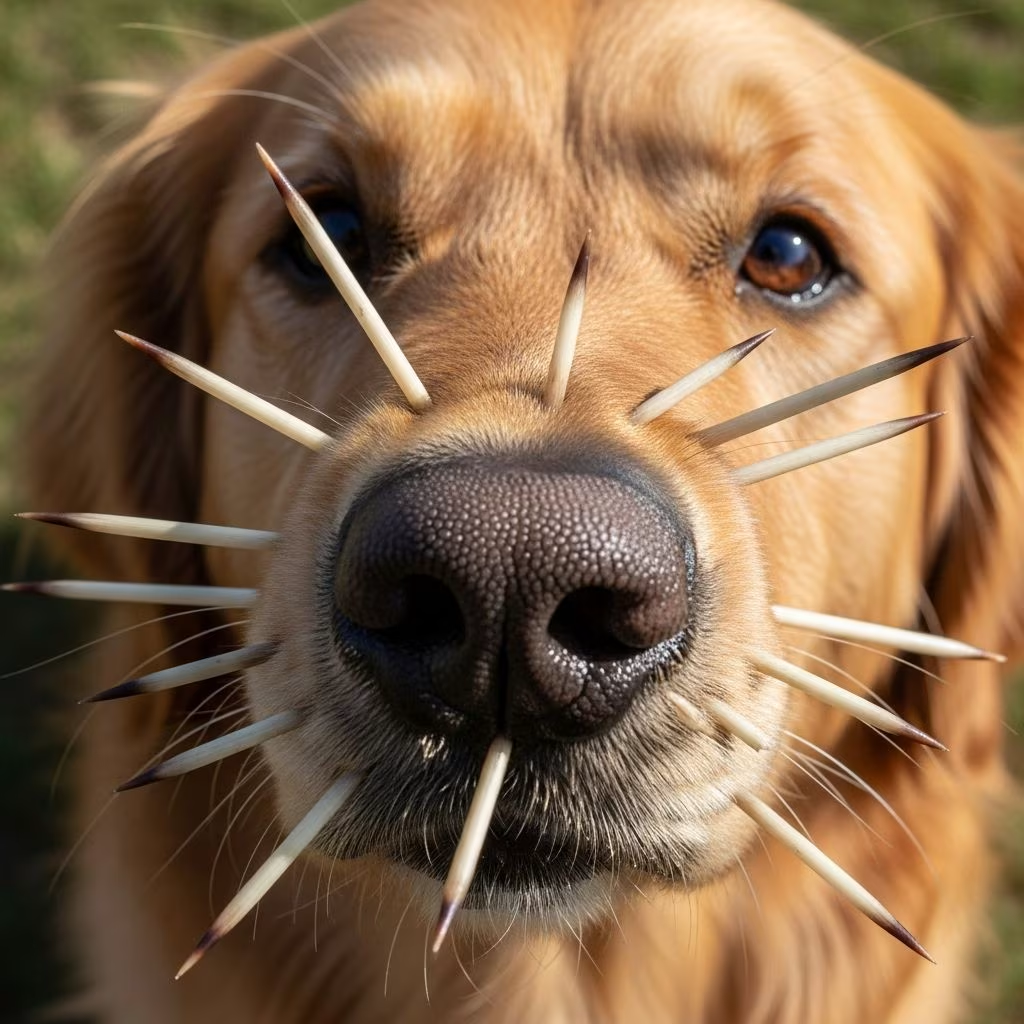
Porcupine Quills in Dogs: Understanding the Dangers and Emergency Care
Encounters between dogs and porcupines can result in serious injuries that require immediate veterinary attention. Porcupine quills pose significant health risks to dogs, extending far beyond the initial puncture wounds. Understanding the dangers and knowing how to respond can be critical to your pet’s survival and recovery.
Why Porcupine Quills Are Dangerous to Dogs
Porcupines are equipped with thousands of sharp, barbed quills designed as a defense mechanism. When a dog investigates or attempts to catch a porcupine, these quills detach easily upon contact and embed themselves into the dog’s skin and tissue. Unlike their reputation, porcupines do not shoot their quills; instead, the quills separate when touched due to their specialized structure.
The real danger lies in the quill’s design. Each quill features backward-facing barbs along its shaft that allow it to pierce tissue easily but make removal extremely difficult. These barbs are nature’s way of preventing the quill from being dislodged—a feature that becomes problematic once embedded in a dog’s body. The barbed design causes quills to work progressively deeper into tissue over time, rather than naturally working their way out.
Free-roaming, large-breed dogs are most often affected by porcupine encounters, particularly when exploring wooded areas at night when porcupines are most active. Any dog with outdoor access in regions where porcupines inhabit, however, faces potential risk.
The Physical Characteristics of Porcupine Quills
Understanding quill structure helps explain why they pose such a significant threat. Porcupine quills are hollow and lightweight, typically measuring about 2 to 3 inches in length. This lightweight design allows them to travel significant distances through tissue. The backward-facing barbs along the quill shaft number in the hundreds, creating multiple points of resistance that anchor the quill firmly in place.
These physical characteristics make removal without professional assistance extremely risky. Attempting to pull quills without proper technique often causes them to break, leaving fragments embedded beneath the skin where they can continue migrating deeper into the body.
Serious Health Complications from Porcupine Quills
Migration and Internal Organ Damage
The most serious danger associated with porcupine quills is their ability to migrate deeper into a dog’s body over time. This migration can lead to life-threatening complications affecting vital structures. Quills can penetrate joints, causing inflammation and lameness. They can lodge in the eyes, causing vision problems or requiring surgical removal of the affected eye. Most critically, quills can reach the chest cavity, heart, lungs, brain, or other vital organs.
In severe cases, a single broken quill left undetected can travel through the body over weeks, eventually causing major infections that require advanced surgical intervention at specialty hospitals. These delayed complications often prove more dangerous and expensive to treat than the original injury.
Infection and Abscess Formation
Quills that remain embedded in a dog’s body create pathways for bacterial contamination. The contaminated quills introduce bacteria into the tissues, leading to abscess formation and serious infections. Records show that quills left untreated for just 24 hours significantly increase the risk of abscess development requiring drainage and antibiotic therapy.
When quills break beneath the skin, the broken pieces swell and splinter, intensifying the inflammatory response and infection risk. If multiple broken quills remain embedded, extensive tissue contamination can develop, creating a potentially life-threatening situation requiring aggressive medical intervention.
Lameness and Joint Involvement
When clusters of quills embed in a dog’s legs, significant pain and inflammation develop, often resulting in lameness that prevents normal movement. While lameness typically improves with proper quill removal, rest, and pain management, prolonged lameness can lead to permanent joint damage if quills remain embedded.
Respiratory Complications
Quills penetrating the chest or throat area present the most acute danger. These areas contain vital structures that, when damaged, cause rapidly worsening conditions. Dogs with quills in these locations may experience difficulty breathing, open-mouth breathing, or unusual respiratory sounds—all indicators of a life-threatening emergency requiring immediate veterinary intervention.
When Your Dog Needs Immediate Emergency Care
Certain situations demand emergency veterinary attention without delay. Dogs with quills embedded in the mouth, eyes, or throat face the highest risk of serious complications. These sensitive areas are prone to rapid deterioration and can affect breathing, vision, or swallowing functions.
Watch for these critical warning signs that indicate your dog needs emergency care:
- Difficulty breathing or open-mouth breathing
- Eye swelling or excessive pawing at the face
- Signs of shock, including pale gums, rapid breathing, weakness, or collapse
- Dramatic changes in responsiveness or energy level
- Excessive bleeding or signs of severe trauma
- Inability to swallow or excessive drooling
If your regular veterinarian is unavailable after a porcupine encounter, proceed immediately to an emergency veterinary facility. The longer quills remain embedded, the greater the risk of serious complications.
First Aid Steps While En Route to the Veterinarian
Keep Your Dog Calm and Restrained
Preventing further movement and injury is crucial while transporting your dog to the veterinary clinic. Keep your dog as calm as possible, as stress and movement can cause quills to penetrate deeper into tissues. Use a leash or gently wrap your dog in a towel to limit movement, being careful not to cause additional trauma.
Do Not Attempt Removal at Home
Attempting to remove quills yourself is dangerous and likely to worsen the situation. Quills are barbed and designed to resist removal, making improper extraction extremely painful for your dog. Pulling quills incorrectly often causes them to break, leaving fragments embedded beneath the skin that can migrate deeper and cause serious complications.
Additionally, without sedation, removal causes significant pain and stress to your dog. Dogs may bite or struggle violently during unsedated removal attempts, potentially causing additional injuries to themselves or the person attempting removal.
Protect Sensitive Areas
If your dog has quills near the eyes, mouth, or chest, prevent them from rubbing or scratching at these areas during transport. Use an Elizabethan collar (E-collar) if available to protect the face, which is a common area where quills embed. This prevents your dog from pushing quills deeper or breaking them into smaller pieces.
Limit Activity and Movement
Do not let your dog paw at their face, roll around, or engage in vigorous movement during transport. Every movement risks lodging quills deeper into tissues or causing already-embedded quills to penetrate further. Maintain gentle control and encourage stillness until professional veterinary care is available.
Professional Veterinary Treatment
The Removal Process
Veterinarians remove porcupine quills using a systematic, careful approach that prioritizes your dog’s safety and comfort. The process begins with reversible sedation, allowing the veterinary team to work thoroughly without causing additional pain or stress to the patient. During sedation, the veterinarian carefully removes each quill using hemostats, working methodically to ensure complete removal.
Sedation is completely safe for dogs and enables veterinarians to examine hard-to-reach areas, such as inside the mouth, between toes, and under the skin where quills may be partially hidden. This comprehensive approach reduces the risk of missed quills that could cause complications later.
Pain Management and Antibiotics
After quill removal, veterinarians provide pain relief medication to manage discomfort during recovery. Antibiotics are typically prescribed because of contamination risks from the dirty quills. Completing the full antibiotic course is essential to prevent infection development.
Diagnostic Imaging
In cases where quills have penetrated deep into tissues or where internal migration is suspected, veterinarians may recommend diagnostic imaging such as radiographs or MRI to identify any remaining quill fragments or internal damage. This imaging helps identify complications that may develop if any quill material remains embedded.
Prevention Strategies
The best approach to porcupine quill injuries is prevention. Keeping dogs on a leash, especially in wooded areas at night when porcupines are most active, significantly reduces encounter risk. Training dogs to avoid porcupines, when possible, provides additional protection for dogs with outdoor access in areas where porcupines inhabit.
Understanding your local wildlife and seasonal porcupine activity patterns helps you adjust your dog’s outdoor activities accordingly. Being aware of porcupine habitats and taking preventive measures is far more effective than managing the aftermath of a serious injury.
Prognosis and Recovery
Dogs can successfully survive porcupine encounters when proper treatment is provided promptly. Many dogs that receive veterinary care can return to normal activities within days or weeks, depending on the severity of the injury and number of quills embedded. Some hunting dogs have been able to return to work the day after receiving proper professional treatment.
The key to positive outcomes is seeking immediate veterinary care, ensuring complete quill removal, and following all post-treatment recommendations including activity restriction, pain management, and antibiotic therapy. Delaying treatment or attempting home removal significantly increases complication risks and treatment costs.
Frequently Asked Questions About Porcupine Quills in Dogs
Q: Can dogs die from porcupine quills?
A: While uncommon with prompt treatment, porcupine quill injuries can be fatal if left untreated. Quills can migrate to vital organs including the heart and lungs, causing life-threatening infections or organ damage. Immediate veterinary care dramatically reduces this risk.
Q: What should I do if my dog has quills in their mouth?
A: Dogs with quills in the mouth require emergency veterinary care. These quills can affect swallowing, breathing, or migrate deeper into tissues. Do not attempt removal yourself; proceed directly to an emergency veterinary clinic for professional treatment.
Q: How much does porcupine quill removal cost?
A: Costs vary depending on the number of quills, their location, and whether complications have developed. Simple removals may cost a few hundred dollars, while complicated cases requiring surgery or advanced imaging can cost thousands of dollars. Early intervention typically results in lower costs.
Q: Can porcupine quills be removed at home?
A: Home removal is not recommended. Quills are barbed and prone to breaking if pulled incorrectly, and broken quill fragments can cause serious complications. Professional veterinary removal using proper techniques and sedation is the safest approach.
Q: How long can a dog survive with porcupine quills?
A: While a dog may survive initially after encountering a porcupine, every hour that quills remain embedded increases complication risks. Infections and internal migration can develop within 24 hours of the encounter, making prompt treatment essential.
Q: Will my dog need antibiotics after quill removal?
A: Yes, veterinarians typically prescribe antibiotics following quill removal because of contamination risks. It is important to complete the full antibiotic course as prescribed to prevent infection development.
Q: Can quills cause permanent damage to dogs?
A: Quills can cause permanent damage if they migrate to joints, eyes, or vital organs. With prompt professional removal, however, most dogs recover fully without lasting effects. Delayed treatment increases the risk of permanent complications.
Conclusion
Porcupine quill injuries in dogs require immediate, professional veterinary care. Understanding the serious dangers these barbed quills pose, recognizing emergency warning signs, and knowing proper first aid steps can make the difference in your dog’s recovery. While porcupine encounters are preventable through careful management of outdoor activities, prompt veterinary intervention ensures the best possible outcome if your dog does encounter a porcupine. Always seek immediate professional help rather than attempting home removal, as doing so significantly increases the risk of serious complications and poorer outcomes for your pet.
References
- Porcupine Quill Injuries in Dogs — Cornell University College of Veterinary Medicine, Riney Canine Health Center. 2024. https://www.vet.cornell.edu/departments-centers-and-institutes/riney-canine-health-center/canine-health-information/porcupine-quill-injuries-in-dogs
- The Dangers of Porcupine Quills in Dogs — Sugar River Animal Hospital. 2024. https://www.sugarriveranimalhospital.com/services/dogs/blog/dangers-porcupine-quills-dogs
- Porcupine Quills in Dogs: Emergency Steps & Critical Vet Care — Great Start Veterinary Services. 2024. https://gsvs.org/blog/dog-porcupine-quills-emergency-care/
- Porcupine Quills in Dog: What You Need to Know — Edmonton Veterinary Clinic. 2024. https://www.yegvet.ca/porcupine-quills-in-dog-what-you-need-to-know/
- Porcupine Quills in Dogs: What to Do if Your Hunting Dog Gets Quilled — Field & Stream. 2024. https://www.fieldandstream.com/dogs/hunting-dogs/porcupine-quills-dogs
- Dogs and Porcupines: Quill Removal, First-Aid, and Training — Project Upland. 2024. https://projectupland.com/dogs/porcupine-quills-and-dog-encounters-a-first-aid-and-avoidance-guide/



