

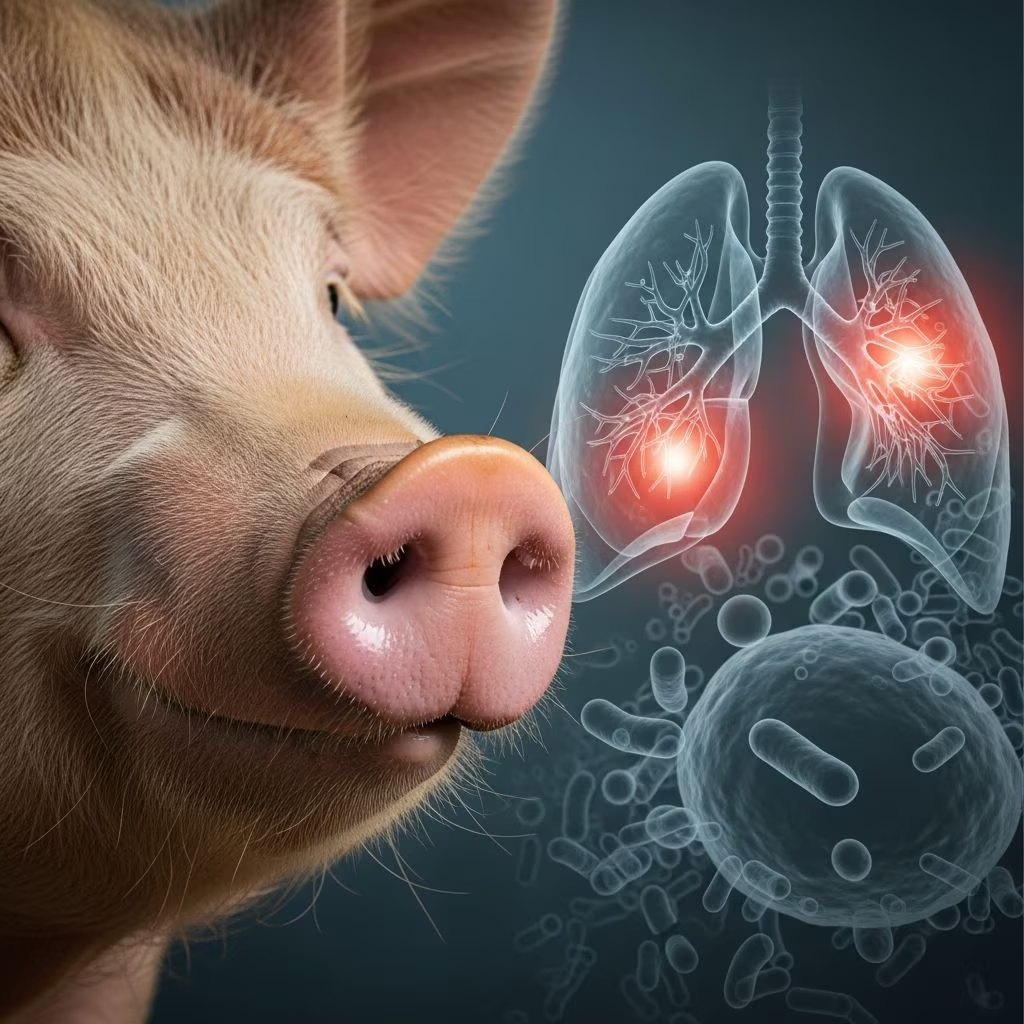
Porcine pleuropneumonia, primarily triggered by the bacterium Actinobacillus pleuropneumoniae (APP), stands as one of the most devastating respiratory conditions in swine production. This disease strikes growing pigs with ruthless efficiency, often leading to rapid mortality and substantial economic losses for farmers worldwide. Understanding its mechanisms, from infection pathways to tissue destruction, is crucial for effective herd management.
The Pathogen Behind the Crisis
At the core of this ailment is Actinobacillus pleuropneumoniae, a Gram-negative bacterium that exclusively targets the porcine respiratory tract. APP exists in multiple serotypes, each varying in virulence, which complicates control efforts as herds may harbor several types simultaneously. The bacterium thrives in the tonsils of carrier pigs, remaining subclinical until stress or co-infections activate it.
Key virulence factors include lipopolysaccharides (LPS) and cytotoxins, which demolish lung tissue and evade immune responses. Neutrophils summoned to fight the invasion are destroyed, releasing enzymes that amplify damage, sometimes killing pigs within hours. Environmental stressors like poor ventilation or concurrent issues such as porcine reproductive and respiratory syndrome (PRRS) exacerbate outbreaks.
Age and Risk Factors in Swine Herds
Growing pigs aged 6 weeks to 5 months bear the brunt, with peak incidence around 8-16 weeks. Naïve herds face up to 30% morbidity, while chronic carriers perpetuate silent transmission. Factors heightening susceptibility include overcrowding, abrupt dietary shifts, and weakened immunity from other pathogens like enzootic pneumonia.
- Primary risk window: Post-weaning growers in intensive systems.
- Co-factors: PRRS, mycoplasma infections amplifying severity.
- Transmission modes: Aerosol via close contact, contaminated air, or fomites; oro-nasal and feco-oral routes also play roles.
Recognizing Acute Clinical Manifestations
The disease unfolds in peracute, acute, and chronic phases, each with distinct signs. Peracute cases manifest as sudden death without warning, or with septicemia-like symptoms: extreme fever, cyanosis (bluing of ears and extremities), anorexia, and severe dyspnea.
Acute infections bring hyperthermia (up to 106°F), open-mouth breathing, coughing, abdominal respiration (distinguishing from other pneumonias), depression, and reluctance to move. Severely affected pigs collapse, exhibiting blood-frothed nostrils. In chronic forms, survivors show weight loss, persistent cough, exercise intolerance, and poor condition.
| Phase | Key Signs | Outcome Risk |
|---|---|---|
| Peracute | Sudden death, cyanosis, hyperthermia | Fatal within 4-12 hours |
| Acute | Dyspnea, fever, anorexia, blue ears | High mortality if untreated |
| Chronic | Coughing, ill-thrift, adhesions | Reduced growth, carriers |
Pathological Changes in Affected Lungs
Necropsy reveals hallmark lesions: lungs consolidated, necrotic (blue-black), covered in fibrin, with pleural effusion and adhesions. Peracute cases show bloody froth in airways; acute ones feature rubbery, red-purple surfaces. Unilateral or bilateral damage occurs, demanding targeted sampling for diagnosis.
Histologically, fibrinosuppurative pneumonia dominates, with neutrophilic bronchiolitis, vasculitis, edema, and necrosis. Early neutrophil influx gives way to macrophages and fibrosis in survivors. Differentials include Haemophilus parasuis, Salmonella choleraesuis, or Actinobacillus suis, but APP’s rapid necrosis is distinctive.
Diagnostic Approaches for Confirmation
Field diagnosis relies on clinical signs and history, but confirmation demands lab work. Postmortem culture from affected lobes, PCR, and histopathology are gold standards. Sensitivity testing guides therapy, as resistance emerges.
Live sampling via tonsil swabs or bronchoalveolar lavage detects carriers. Serology aids serotype identification but lags behind acute events.
- Gross necropsy for fibrinonecrotic lungs.
- Bacterial isolation and PCR for APP.
- Rule out PRRSV, mycoplasma via multiplex tests.
Therapeutic Interventions and Timing
Treatment success hinges on immediacy—delays foster chronicity and resistance. In anorectic pigs, injectables outperform orals: ceftiofur, florfenicol, tulathromycin, tetracyclines, or penicillins. Dual dosing on day one (8 hours apart) boosts efficacy.
Follow with water/feed meds for contacts. Monitor thrice daily in outbreaks, balancing handling stress against intervention benefits. Sensitivity profiles vary; U.S. strains show broad susceptibility but monitor for quinolone/cephalosporin resistance.
- Preferred injectables: Long-acting macrolides, florfenicol.
- Alternatives: Trimethoprim-sulfonamides, tiamulin (where approved).
- Duration: 3 days, reassess.
Prevention Tactics for Enduring Control
Eradication via depopulation-repopulation is ideal for naïve herds, with all-in/all-out systems and biosecurity. Vaccination targets specific serotypes but wanes rapidly; boosters and maternal immunity help.
Minimize stressors: optimal ventilation, density control, acclimation of replacements. Medicated early feedings curb tonsillar carriage. Elimination programs succeed in U.S. herds, but vigilance prevents reintroduction.
Economic Impact on Swine Operations
Outbreaks slash growth rates, spike mortality (up to 30%), and incur culling/treatment costs. Chronic cases drag performance, inflating feed conversions. Proactive management averts multimillion losses in large operations.
FAQs on Porcine Pleuropneumonia
What causes sudden deaths in grow-finish pigs?
APP peracute infections often kill within hours via lung toxins and septicemia.
How to differentiate APP from other pneumonias?
Abdominal breathing, rapid necrosis, and fibrinous pleurisy distinguish it; PCR confirms.
Are antibiotics always effective against APP?
Early use yields best results; test sensitivity due to emerging resistance.
Can APP be eradicated from a farm?
Yes, through depopulation, all-in/all-out, and monitoring.
What role do carriers play?
Tonsillar carriers spread silently, necessitating acclimation protocols.
Emerging Challenges and Research Directions
Resistance trends demand surveillance; multivalent vaccines and diagnostics evolve. Integrated biosecurity remains foundational amid global trade.
References
- Actinobacillus pleuropneumonia (APP) — The Pig Site. 2023. https://www.thepigsite.com/disease-guide/actinobacillus-pleuropneumonia-app
- Porcine Pleuropneumonia — Kansas State Veterinary Diagnostic Laboratory. 2017-04-01. https://ksvdl.org/reports/april_2017/porcine.html
- Actinobacillus pleuropneumoniae in Swine — Purdue Animal Disease Diagnostic Laboratory. 2007. https://www.addl.purdue.edu/newsletters/2007/Summer/SwineAPP.html
- Pleuropneumonia in Pigs — Merck Veterinary Manual. 2023. https://www.merckvetmanual.com/respiratory-system/respiratory-diseases-of-pigs/pleuropneumonia-in-pigs
- Pleuropneumonia due to Actinobacillus spp. — University of Minnesota Swine Disease Manual. 2023. https://open.lib.umn.edu/swinedisease/chapter/pleuropneumonia-due-to-actinobacillus-spp/



