
Porcine Intestinal Spirochetosis: Causes, Symptoms & Management
Understanding the bacterial colitis affecting grower-finisher pigs worldwide
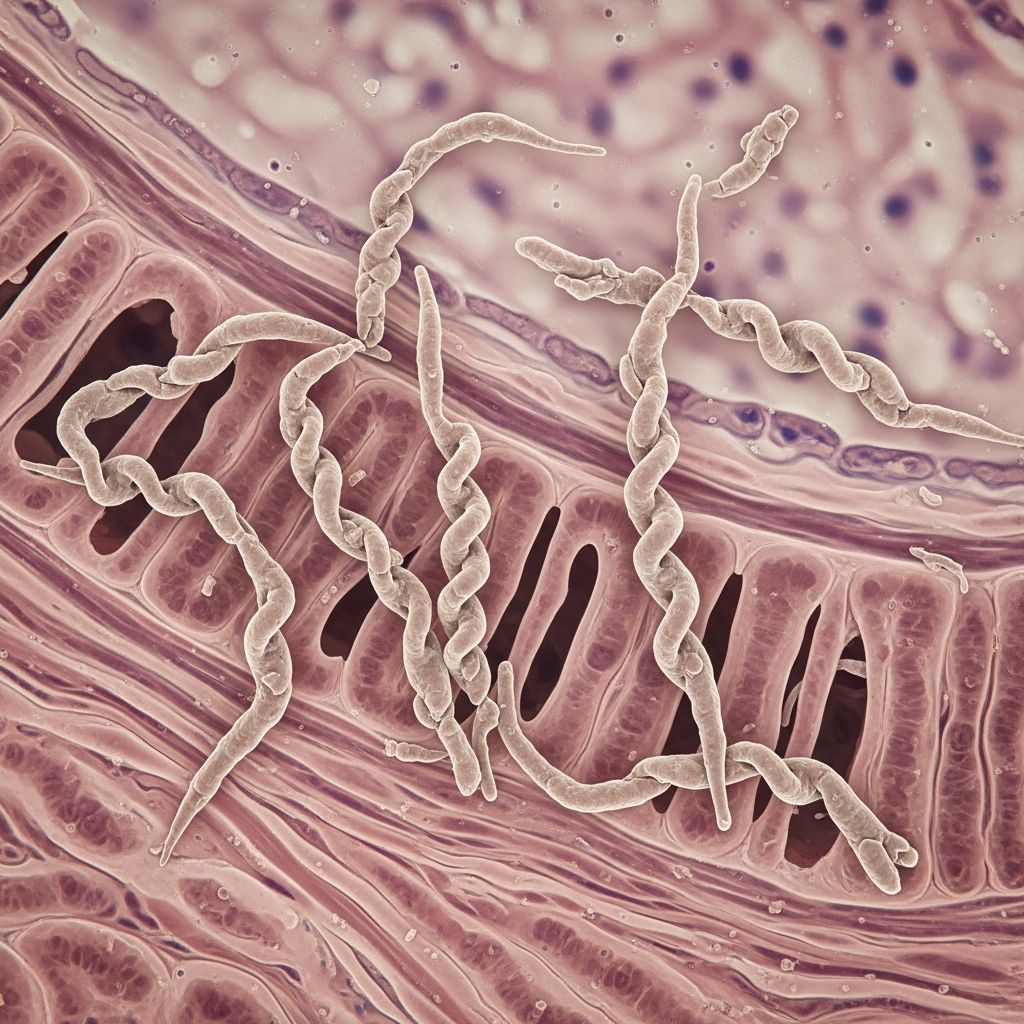
Porcine intestinal spirochetosis represents a significant gastrointestinal challenge affecting swine producers worldwide. This condition, caused primarily by the bacterium Brachyspira pilosicoli, manifests as mucoid diarrhea in growing and finishing pigs, leading to reduced feed efficiency and delayed weight gain. Unlike the more severe swine dysentery, porcine intestinal spirochetosis typically produces milder clinical signs but can still impact herd profitability through compromised growth performance and feed conversion rates.
Defining Porcine Intestinal Spirochetosis and Its Global Significance
Porcine intestinal spirochetosis is an infectious colitis confined exclusively to the large intestine in swine. The disease occurs on farms across every continent, affecting animals in both intensive and semi-intensive production systems. The causative organism, Brachyspira pilosicoli, is a slow-growing anaerobic bacterium that establishes itself within the colonic environment. This pathogen differs from other spirochetal species, as it is the sole spirochete species documented to cause the classic presentation of porcine intestinal spirochetosis, though other spirochete types occasionally contribute to disease in humans and poultry.
The distinction between porcine intestinal spirochetosis and swine dysentery is clinically and economically important. While both conditions involve spirochetal infection of the colon, porcine intestinal spirochetosis presents with considerably milder clinical manifestations and typically does not result in significant mortality rates. This distinction guides treatment decisions and management strategies on affected farms.
Pathophysiological Mechanisms of Disease Development
The pathophysiology of porcine intestinal spirochetosis involves the bacterium’s unique attachment mechanism to the intestinal epithelium. Brachyspira pilosicoli colonizes the mucosal surface of the large intestine by attaching end-on to colonocytes, a characteristic that creates a distinctive histological appearance resembling a false brush border. This attachment pattern directly impairs the absorptive capacity of the colon, preventing normal water reabsorption and nutrient uptake, which ultimately results in the characteristic diarrhea observed in affected animals.
Environmental and dietary factors significantly influence both colonization and disease expression. Dietary fiber content, in particular, has been shown to substantially modulate the severity of clinical signs. Pigs fed pelleted diets demonstrate increased susceptibility to diarrhea compared to those receiving mash or other feed formulations. Additionally, stress factors including housing density, commingling with unfamiliar animals, and dietary transitions create physiological conditions that facilitate bacterial proliferation and symptom manifestation.
Age-Specific Clinical Presentation Patterns
Clinical manifestations of porcine intestinal spirochetosis follow distinct age-related patterns that help producers identify affected cohorts. The disease typically emerges in pigs between 8 and 12 weeks of age, with particularly high incidence following weaning, mixing of growing pigs during barn transitions, or dietary modifications. The timing of disease appearance often correlates with management events that introduce stress or alter the intestinal microbiota.
The incubation period from initial bacterial exposure to clinical sign development ranges from 2 to 7 days under experimental conditions, though natural infection may extend the pre-clinical period to approximately 20 days. This variability reflects differences in bacterial load exposure, individual pig immunity, and environmental conditions.
Recognizing Clinical Signs and Observable Symptoms
The primary clinical manifestation of porcine intestinal spirochetosis is diarrhea with a distinctive appearance. Affected pigs produce feces that resemble wet cement or porridge, often containing visible mucus that imparts an oily sheen to the fecal material. The feces may vary in coloration from gray to brown and occasionally contain thin plugs of mucus or isolated flecks of blood. As the disease progresses, some pigs may develop recurrent diarrheal episodes that significantly compromise body condition.
Associated systemic signs accompany the gastrointestinal disturbance. Affected animals typically display:
- Reduced appetite and depressed feed intake
- Slow growth rates and poor feed conversion efficiency
- Perineal fecal staining and soiling of the hind quarters
- A hunched or gaunt body posture
- Mild abdominal discomfort or visible abdominal pain
- Occasional fever in some affected individuals
- Rough hair coats and generally unkempt appearance
Despite these clinical signs, most pigs retain alertness and activity levels, continuing to consume feed albeit at reduced quantities. Uncomplicated cases typically persist for 3 to 6 weeks, after which many animals recover naturally. However, some pigs experience chronic diarrhea that extends beyond the typical disease course, resulting in prolonged growth delays and extended time to market weight.
Pathological Findings at Necropsy and Endoscopy
Gross examination of affected pigs reveals relatively subtle pathological changes in many cases, particularly in experimentally infected animals. In naturally infected pigs, the cecum and colon frequently appear flaccid and distended with fluid contents. The serosal surfaces may demonstrate edema, and mesenteric and colonic lymph nodes often appear enlarged. Large intestinal contents are typically watery, green to yellow in appearance, and frequently frothy.
Mucosal changes vary in severity. Mild cases show congestion and hyperemia of the colonic mucosa, while more advanced disease may present with necrotic foci and erosions of varying depth. Microscopic examination reveals spirochetes attached end-on to the mucosal surface, creating the characteristic false brush border appearance. Colonic crypts are frequently dilated with mucus and contain numerous spirochete bacteria. A catarrhal colitis with abundant mucus production accompanies these lesions, sometimes in association with inflammatory cell infiltration and epithelial erosion.
Diagnostic Approaches and Laboratory Confirmation
Accurate diagnosis of porcine intestinal spirochetosis requires differentiation from other enteric pathogens that produce clinically similar presentations. Veterinary practitioners employ multiple diagnostic strategies to confirm spirochetal infection.
| Diagnostic Method | Description | Advantages | Limitations |
|---|---|---|---|
| Fecal Examination | Direct microscopic observation of fecal samples | Rapid, inexpensive | Low sensitivity, difficult organism visualization |
| PCR Testing | Polymerase chain reaction for bacterial DNA detection | Highly specific, sensitive | Requires specialized laboratory equipment |
| Histopathology | Microscopic examination of colonic tissue samples | Visualizes characteristic lesions and spirochetes | Requires tissue collection, specialized expertise |
| Culture | Growing bacteria from clinical samples | Allows antimicrobial susceptibility testing | Slow growth, anaerobic requirements, difficult methodology |
PCR testing represents the most reliable diagnostic approach when available, as it confirms the presence of Brachyspira pilosicoli DNA and differentiates this organism from other causes of swine colitis including salmonellosis, whipworm infection, and proliferative enteritis. Histopathological examination of colonic tissue obtained via biopsy during endoscopy provides direct visualization of spirochetes and associated inflammatory changes, though this approach requires specialized equipment and expertise.
Subclinical colonization complicates diagnosis interpretation. On some farms, Brachyspira pilosicoli colonizes a substantial proportion of the pig population without producing clinical disease. In these situations, differentiation between carrier status and active disease requires clinical correlation with observable symptoms and herd performance metrics.
Disease Transmission and Environmental Considerations
The epidemiology of porcine intestinal spirochetosis centers on fecal-oral transmission and environmental persistence. Infected pigs shed the causative bacterium in feces within 2 to 7 days of initial infection and continue shedding for up to 6 weeks. The organism exhibits remarkable environmental survival, maintaining viability on contaminated surfaces, equipment, and in fecal material for extended periods.
The fecal-oral transmission route means that infected animals directly contaminate feed, water, and the shared environment where susceptible pigs have contact. This transmission pathway is easily facilitated in group housing systems where pigs share space and resources. Once established on a farm, the pathogen becomes difficult to eliminate due to its environmental resilience and the carrier status that develops in colonized animals.
Risk Factors and Management Triggers
Certain management practices and environmental conditions significantly increase the likelihood of porcine intestinal spirochetosis manifestation. Primary risk factors include:
- Weaning events and associated post-weaning stress
- Mixing of pigs from different sources or barn transitions
- Dietary changes or pelleted feed formulations
- High stocking density and crowded housing conditions
- Withdrawal of antimicrobial feed additives in finishing phases
- Poor sanitation and inadequate cleaning protocols
Stress represents a common denominator in disease manifestation. Research indicates that Brachyspira pilosicoli strains are more likely to cause clinical disease in animals experiencing physiological or environmental stress. Both colonized asymptomatic pigs and pigs transitioning through sensitive production phases demonstrate heightened susceptibility to symptom development.
Treatment and Therapeutic Management
While many cases of porcine intestinal spirochetosis resolve spontaneously after 3 to 6 weeks, therapeutic intervention may be warranted in severe cases or when production losses are significant. Antimicrobial therapy targeting spirochetal bacteria can abbreviate clinical disease duration and improve growth performance in affected animals.
Supportive management strategies complement antimicrobial treatment. Maintaining clean, dry housing environments reduces reinfection rates and supports intestinal healing. Provision of adequate high-quality water ensures hydration in affected pigs experiencing diarrhea-induced fluid losses. Dietary modifications, particularly increasing dietary fiber content, have been demonstrated to reduce disease severity and duration.
Prevention-focused approaches prove more economically efficient than treatment alone. Biosecurity measures including separate feeding equipment for affected pigs, quarantine protocols for newly introduced animals, and thorough environmental sanitation reduce transmission pressure and minimize disease incidence.
Economic Implications for Swine Operations
The economic impact of porcine intestinal spirochetosis extends beyond direct mortality, which is typically minimal. Primary losses result from:
- Reduced daily weight gain and extended time to market weight
- Poor feed conversion efficiency during disease episodes
- Medication and veterinary service costs
- Reduced market value of affected animals due to condition score
- Production disruptions and labor requirements for management
Chronic cases with recurrent diarrhea impose the greatest economic burden, as affected pigs fail to recover growth losses even after clinical resolution. Herd-level effects accumulate when multiple age cohorts experience disease simultaneously, disrupting overall operation scheduling and revenue timing.
Frequently Asked Questions
How long do affected pigs typically shed the bacterium?
Experimentally infected pigs shed Brachyspira pilosicoli in feces for up to 6 weeks following initial infection. Shedding begins within 2 to 7 days of infection and peaks during the acute clinical phase.
Can pigs develop immunity after natural infection?
Natural infection provides some degree of protective immunity, though reinfection can occur under high environmental contamination or stress conditions. Immunity development appears incomplete, as some recovered pigs may become reinfected with recurrent clinical signs.
What is the difference between porcine intestinal spirochetosis and swine dysentery?
Porcine intestinal spirochetosis, caused by Brachyspira pilosicoli, produces milder clinical signs with lower mortality rates. Swine dysentery, caused by Brachyspira hyodysenteriae, is considerably more severe and more likely to result in mortality without treatment.
Is porcine intestinal spirochetosis zoonotic?
Brachyspira pilosicoli has been demonstrated through experimental inoculation to cause disease in humans, though natural human infection is rare. Stringent biosecurity and hygiene practices reduce zoonotic transmission risk.
References
- Intestinal Spirochetosis in Pigs — Digestive System — Merck Veterinary Manual. 2025. https://www.merckvetmanual.com/digestive-system/intestinal-diseases-in-pigs/intestinal-spirochetosis-in-pigs
- The Spirochete Brachyspira pilosicoli, Enteric Pathogen of Animals and Humans — Trott DJ, et al. Journal of Medical Microbiology. 2018. https://www.ncbi.nlm.nih.gov/pmc/articles/PMC5740978/
- Swine Dysentery and Brachyspiral Colitis — Wiley Online Library. 2019. https://onlinelibrary.wiley.com/doi/abs/10.1002/9781119350927.ch62
- Serpulina pilosicoli — Animal Disease Diagnostic Laboratory, Purdue University. 1998. https://www.addl.purdue.edu/newsletters/1998/winter/sp.shtml
- Colitis: Spirochaetal colitis, porcine intestinal spirochaetosis — Pig333.com. 2023. https://www.pig333.com/pig-diseases/colitis_26
Similar Articles








Read full bio of Sneha Tete


