
Porcine Hemagglutinating Encephalomyelitis
Comprehensive guide to understanding, diagnosing, and managing porcine hemagglutinating encephalomyelitis in swine herds.
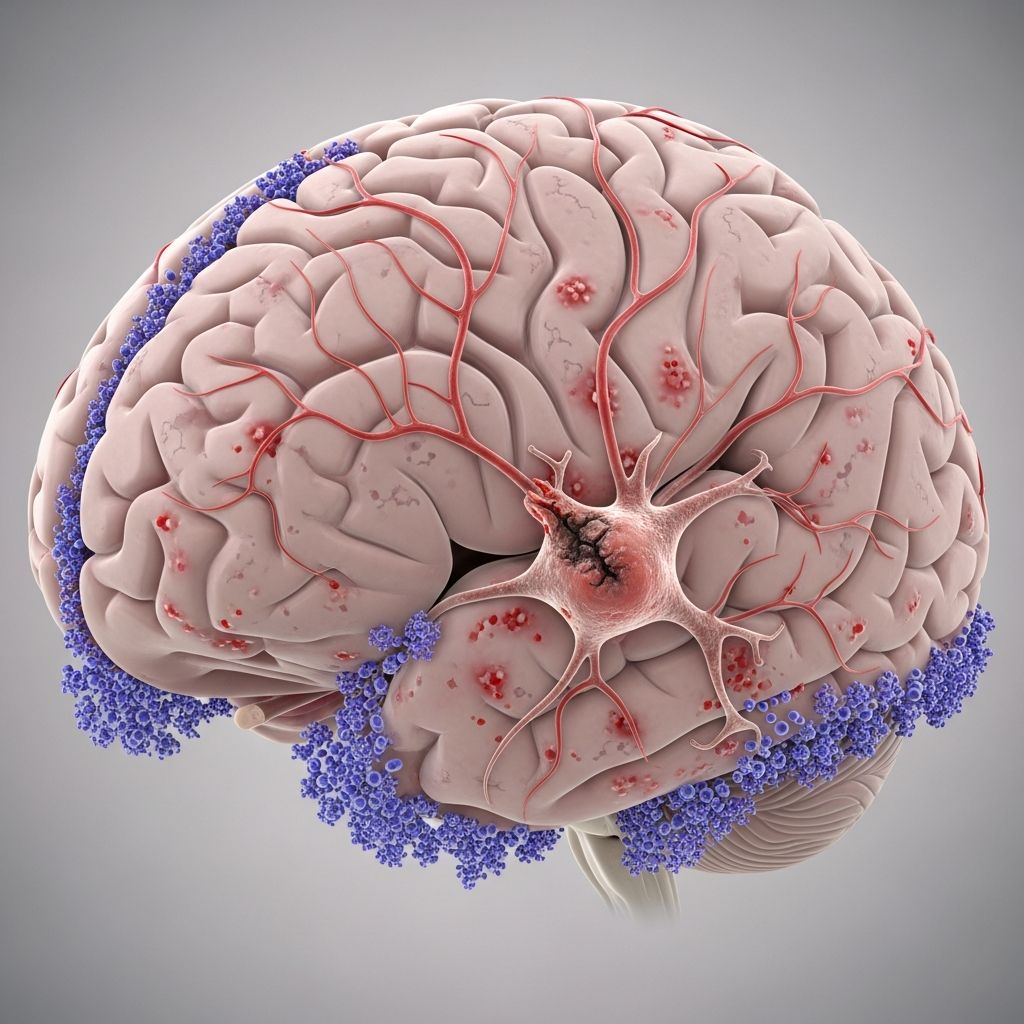
Porcine hemagglutinating encephalomyelitis (PHE), caused by the porcine hemagglutinating encephalomyelitis virus (PHEV), represents a significant viral infection primarily impacting young pigs. This disease manifests in two main forms: a non-fatal respiratory-vomiting syndrome and a more severe neurological condition leading to high mortality in piglets under four weeks of age. Understanding PHEV’s biology, clinical presentations, and management is vital for swine health professionals to mitigate outbreaks and protect herd productivity.
Understanding the PHEV Pathogen
PHEV belongs to the family Coronaviridae, genus Alphacoronavirus, and is characterized by its ability to agglutinate red blood cells from various species, including mice, rats, and chickens. The virus primarily replicates in the respiratory epithelium of pigs, with subsequent spread to the central nervous system (CNS) via peripheral nerves. Its genome encodes key structural proteins such as the spike (S), hemagglutinin-esterase (HE), envelope (E), membrane (M), and nucleocapsid (N) proteins, which play roles in attachment, entry, and immune evasion.
The S protein facilitates binding to neural cell adhesion molecule (NCAM/CD56) on neurons, enabling neuroinvasion. PHEV spreads trans-synaptically, moving from peripheral sites like the olfactory nerve or vagus nerve to the brainstem, spinal cord, and occasionally higher brain regions. Unlike other coronaviruses, PHEV does not establish chronic infections in pigs, clearing acutely post-infection.
Epidemiology and Transmission Dynamics
PHEV is ubiquitous in many pig populations worldwide, with seroprevalence often exceeding 80% in older pigs due to subclinical infections. Transmission occurs primarily through direct contact with infected nasal secretions or feces, as well as aerosols in confined environments. Piglets acquire passive immunity via colostrum from seropositive sows, protecting them during the vulnerable neonatal period.
Outbreaks are more common in conventional herds with high pig density, where naive piglets face rapid exposure. Experimental studies show oronasal inoculation leads to vomiting and wasting disease (VWD) signs around day 5 post-infection (DPI), while intracerebral routes accelerate neurological onset. No persistent carriers exist in swine, limiting long-term shedding, though environmental persistence aids spread.
- Key Risk Factors: Lack of maternal antibodies, overcrowding, poor ventilation.
- Age Susceptibility: Highest morbidity and mortality in pigs <4 weeks; older pigs typically asymptomatic.
- Geographic Distribution: Reported globally, with higher incidence in North America and Europe.
Clinical Manifestations in Affected Herds
PHE presents in two overlapping syndromes. The VWD form, affecting nearly 100% of exposed piglets, begins 4-7 DPI with sneezing, coughing, and intermittent vomiting lasting 1-2 days. Affected piglets appear depressed, huddle together, and progressively waste due to anorexia and dehydration, yet mortality is low (<5%).
The encephalitic form, observed in 10-50% of cases, emerges concurrently or shortly after respiratory signs. Piglets exhibit tremor, muscle fasciculations, recumbency, paddling, opisthotonus (head retraction), and nystagmus, culminating in death within 1-3 days. Morbidity approaches 100% in naive litters, with case fatality rates up to 90% in severe outbreaks.
| Syndrome | Onset (DPI) | Main Signs | Mortality |
|---|---|---|---|
| Vomiting & Wasting | 4-7 | Vomiting, wasting, depression | Low (<5%) |
| Encephalomyelitis | 5-10 | Tremor, recumbency, paddling | High (50-90%) |
In sows, rare transient anorexia may occur without further signs. Older pigs (e.g., 7-week-olds) show only mild, transient neuromotor issues in experimental settings.
Pathological Changes and Lesions
Gross necropsy often reveals emaciation, dehydration, and fluid-filled stomachs in VWD cases. Microscopically, the respiratory tract shows interstitial pneumonitis with macrophage, neutrophil, and lymphocyte infiltration, plus alveolar epithelial hypertrophy. Tonsils exhibit crypt epithelial degeneration and lymphoid hyperplasia.
In encephalitic cases, CNS lesions include neuronal necrosis, gliosis, and perivascular cuffing predominantly in the medulla oblongata, brainstem, and spinal cord. Virus replication occurs in neuronal cytoplasm, with virions assembling in the endoplasmic reticulum and Golgi before trans-synaptic release. Peripheral nerves contain viral particles, confirming retrograde axonal transport.
Laboratory Diagnosis Strategies
Definitive diagnosis combines clinical history, histopathology, and virological tests. During acute phases, collect oronasal swabs, tonsil scrapings, or tissues (brainstem, spinal cord, lungs, intestines) for testing.
- Virus Isolation: Inoculate primary porcine kidney cells; confirm via hemagglutination (HA), hemadsorption, or fluorescent antibody test (FAT).
- Molecular Detection: RT-PCR/qRT-PCR targeting N, HE, S, E, or M genes; pan-coronavirus PCRs also amplify PHEV. Nested PCR enhances sensitivity for subgenomic RNAs.
- Antigen Detection: FAT, immunofluorescence (IF), immunohistochemistry (IHC), or ELISA/lateral flow strips on tissues.
- Serology: Hemagglutination inhibition (HI) or serum virus neutralization (SVN) for antibodies (detectable 6-9 DPI); ELISA for screening.
Differential diagnoses include teschovirus encephalomyelitis, Japanese encephalitis, and other CNS pathogens; PCR panels aid distinction.
Prevention and Control Measures
No specific antivirals or treatments exist; management is supportive (fluids, electrolytes) for VWD cases, though encephalitic piglets rarely survive. Cull severely affected individuals to curb spread.
Prevention relies on biosecurity and immunity. Ensure colostrum intake from seropositive sows provides protection waning by 4-6 weeks. All-in/all-out production, disinfection (sodium hypochlorite effective), and rodent control reduce introduction. No commercial vaccines are available, but experimental DNA or protein subunit vaccines (targeting S or HE) show promise in mice.
Research Advances and Future Directions
Recent studies elucidate PHEV’s neuroinvasion via NCAM and microRNA modulation in hosts. Monoclonal antibodies against PHEV proteins offer diagnostic and potential therapeutic avenues. Quantitative PCR and multiplex assays improve field surveillance, enabling early detection in subclinical shedders.
Genomic sequencing reveals antigenic conservation, supporting vaccine development. Integrating PHEV monitoring into routine swine health programs could minimize economic losses from outbreaks.
Frequently Asked Questions (FAQs)
What is the most common age group affected by PHE?
Piglets under 4 weeks are most susceptible, with older pigs typically showing no or mild signs.
How is PHEV transmitted between pigs?
Via direct contact with respiratory secretions, feces, or aerosols; no chronic carriers.
Is there a vaccine for PHEV?
No commercial vaccine exists, but research on DNA and subunit vaccines is ongoing.
How do you differentiate PHE from other piglet encephalitides?
Use PCR for specific gene targets and serology; histopathology shows characteristic CNS lesions.
Can PHEV infect other species?
Experimental infections occur in mice and rats; natural infections are swine-specific.
References
- SHIC Factsheet: Porcine Hemagglutinating Encephalomyelitis Virus — Swine Health Information Center / CFSPH, Iowa State University. 2021. https://www.cfsph.iastate.edu/pdf/shic-factsheet-porcine-hemagglutinating-encephalomyelitis-virus
- Porcine Hemagglutinating Encephalomyelitis Virus: A Review — Frontiers in Veterinary Science. 2019-03-13. https://www.frontiersin.org/journals/veterinary-science/articles/10.3389/fvets.2019.00053/full
- SHIC Factsheet: Porcine Teschovirus — Swine Health Information Center. 2021-07-07. https://www.swinehealth.org/wp-content/uploads/2021/07/shic-factsheet-porcine-teschovirus-2021Jul7.pdf
- Diagnostic investigation of porcine hemagglutinating encephalomyelitis virus — PubMed / MSD Veterinary Manual context. 1985. https://pubmed.ncbi.nlm.nih.gov/40120700
- Hemagglutinating encephalomyelitis — pig333.com (Swine Diseases Manual). Recent update. https://www.pig333.com/pig-diseases/hemagglutinating-encephalomyelitis_133
Similar Articles








Read full bio of medha deb


